

Cobs of corn, it is a tasty and versatile side dish! Whatever way you cook it — grill, boil, roast — nailing how long to cook corn on the cob will ensure your kernels emerge perfectly tender and tasty. Here are different methods for cooking corn on the cob, and how long each one takes.
Boiling Corn on the Cob
Boiling corn on the cob is the quickest cooking method. Follow these steps for optimal results:
- Fill a large pot with water — enough so the corn will be completely covered.
- Sprinkle in a little salt, then bring the water to boil.
- Carefully lower the husked corn into boiling water.
- Cover the pot and cook for 4 to 6 minutes.
- When it’s done, remove the corn and cool for a minute before serving.
Corn boils in no time at all, making this great for weeknights or any other busy day. It’s easy, too, to infuse the water with seasonings or flavorings, enhancing corn’s inherent sweetness.
Grilling Corn on the Cob
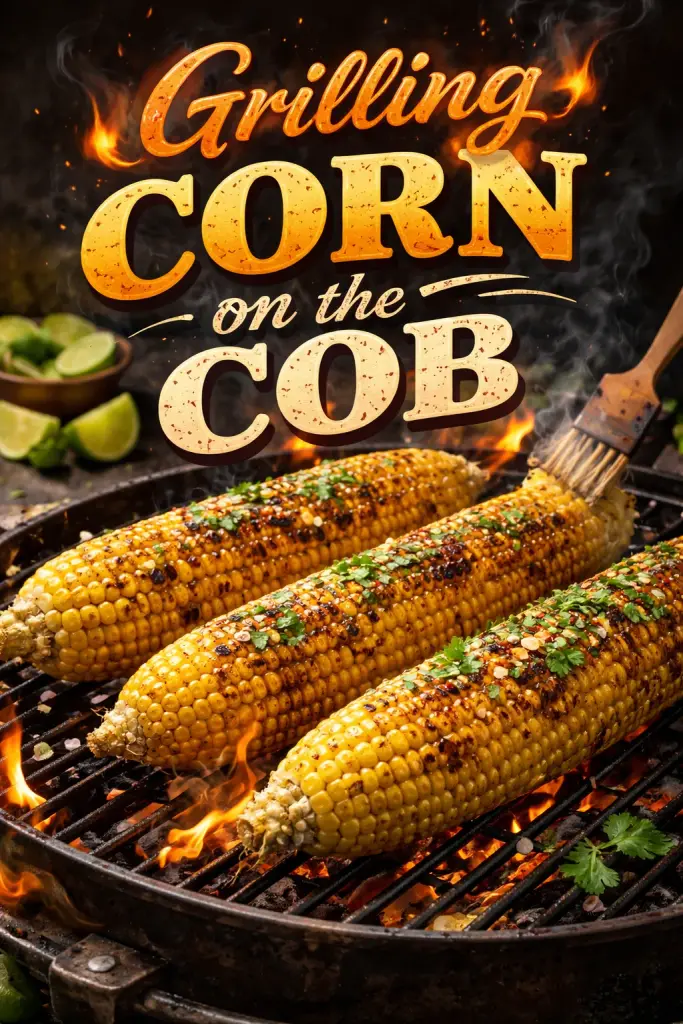
Barbecuing corn on the cob adds an irresistible smokiness. Here’s how to do it:
- Step 1: Fire up your grill and set it to medium-high heat
- Soak the corn in water (the husks on) for about 30 minutes. This prevents the husks from burning when it is grilled.
- Place the corn directly on the grill, noting that you will need to turn often.
- Cook until the kernels are tender and the husks charring, 15 to 20 minutes.
This method lets the corn’s natural sugars come out, resulting in sweet and slightly charred flavor. You can also brush the corn with melted butter before throwing it on the grill, for more flavor.
Oven Roasted Corn on the Cob
An alternative cooking method that produces wonderful ate flavors is to roast the corn. (This, for oven-roasting corn: Preheat the oven to about 425, leave the husks on, and roast around 30 minutes.)
- Heat your oven to 200°C (400°F).
- Wrap the corn in aluminum foil (husk and all).
- Place the wrapped corn on a baking sheet, and roast for 30 to 35 minutes.
This technique will yield sweet, rich-tasting roasted corn. It’s well-suited for a set-and-forget-as-you-cook style while you tend to other dishes.
Microwaving Corn on the Cob
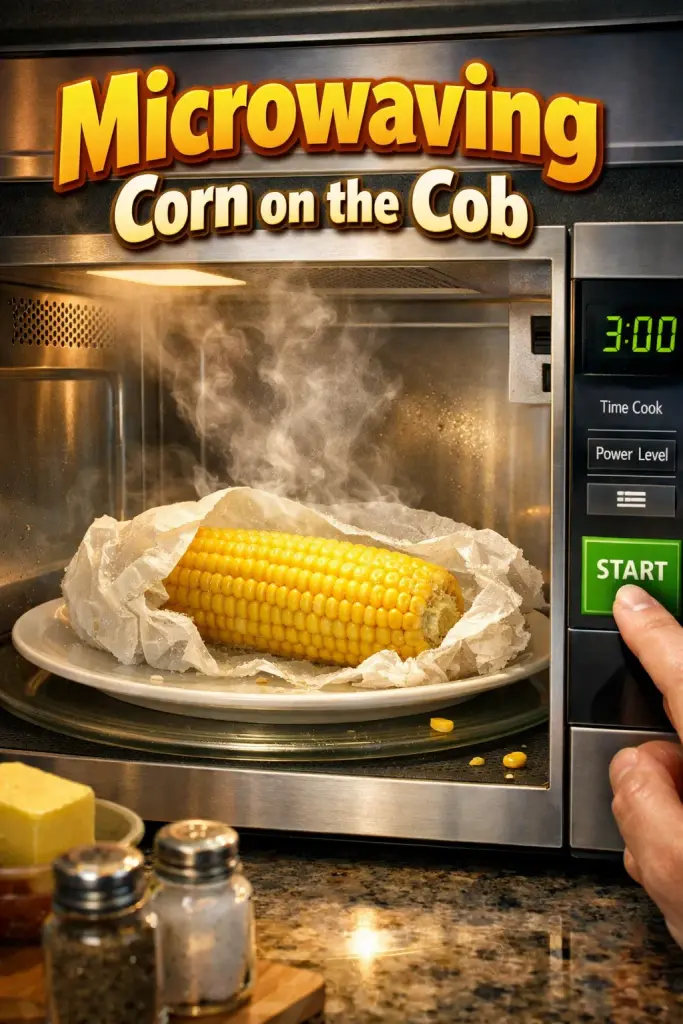
How to cook corn on the cob in the microwave If you’re short on time, this is a solid option. Here’s a simple way to do it:
- Set a husked ear of corn on a microwave-safe plate.
- Reposition it beneath a damp paper towel.
- Heat in the microwave about 3 to 5 minutes, per your microwaves wattage.
Let the surface dry for a minute, then gently remove the paper towel. This method traps in moisture and cooks the corn evenly, keeping it juicy and tender.
Steaming Corn on the Cob
That will keep more nutrients and natural sweetness. Here’s how to steam corn:
- Bring a pot of water, 1 to 2 inches deep, to boil.
- Add a steamer basket above the boiling water.
- Husk the corn, add it to the basket, cover pot and steam 6 to 8 minutes.
This method preserves the juiciness and crunch of corn, therefore it is in fact a healthy way to cook. At the same time, preserving that bright yellow kernel color from the corn is a plus.
Helpful Tips
- And if you want to up your corn-on-the-cob game even more, here are a couple of tips:
- Look for corn to be fresh, with bright green husks. The kernels should feel plump and milky.
- You can also play with adding other toppings, such as melted butter or salt or spices, to assist the flavor post-cooking.
- The rest of the corn should be kept in an airtight container in the fridge. Eat within a couple of days for best flavour.
With these varied methods and timings, you can make corn on the cob whichever way your heart desires. Try them all, you might have a favourite – whether that be the boiling method (the fastest) or grill technique (for extra flavour).
Visit Love and Lemons and Food Network for more delicious cooking inspiration.
Health Benefits of Eating Corn
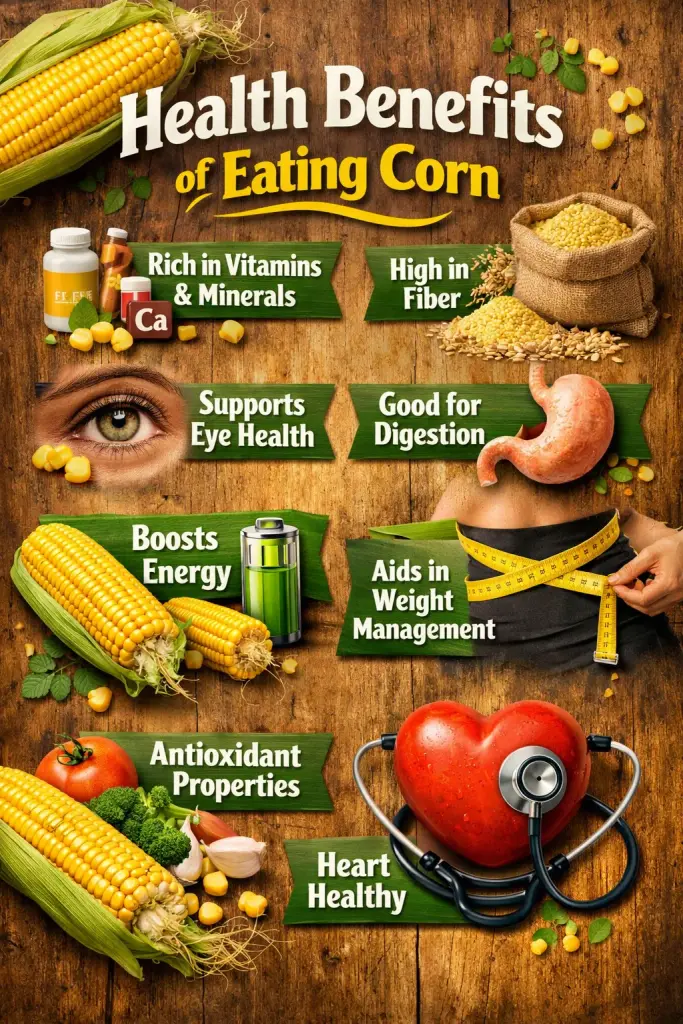
Corn not only taste better in your food but has so many health benefits. Widely enjoyed, this colorful vegetable can be consumed in many forms. Below are some of the amazing advantages of incorporating corn to your diet.
Nutritional Profile of Corn
Nutritional Benefits of Corn: Corn is rich in nutrients. Here’s a quick summary of its nutritional profile per 100 grams:
NutrientAmountCalories86Carbohydrates19 gProtein3 gFats1. 2 gFiber2. 4 gVitaminsB Vitamins, CMineralsMagnesium, Phosphorous, Potassium
Heart Health
Heart Healthy CornInclusion of corn in the diet has been heart healthy. Fiber in corn can help lower cholesterol levels. Decreased risk of heart disease due to lower cholesterol. Also, lutein and zeaxanthin, two antioxidants in corn, fight free radicals and inflammation keep your cardiovascular system healthy overall. Source: American Heart Association
Weight Management
Do you want to keep your weight in check? Corn is an excellent choice, too — low in calories but high in fiber. The fiber can help you stay full and satisfied longer and curb those junk food cravings. Hence, eating corn as a side dish or as a snack will keep you full and that would aid in losing weight overall.
Digestive Health
Consuming corn frequently can be beneficial for the digestive system. Corn has fiber, which means that the bowel movements continue to move; also it prevents constipation. Fiber is also known for supporting healthy gut bacteria, aiding in digestive health. For the more scientifically minded interested in gut health, see NCBI
Source of Antioxidants
Corn is also rich in a number of antioxidants, which may help resist cell damage. Antioxidants called carotenoids that occur naturally in corn have been linked to a lower risk of some chronic disease, including certain cancers. When you do not include corn in your diet, your body becomes more susceptible to oxidative stress.
Vision Health
Corn has carotenoids, especially lutein and zeaxanthin which are great for your eye health. These compounds protect your eyes from toxic light and help reduce the risk of age-related macular degeneration. Corn helps play a significant role in preserving healthy eyesight.
Skin Health
Being a potent mineral, corn is also a fair source of vitamin C which is needed for skin. It also encourages collagen, which is key for skin elasticity. In addition to this, Corn is also rich in antioxidants that help your skin heal from sun or pollution related damage and thus helps you look younger.
Versatility in Cooking
Perhaps the best thing about corn is how versatile it is. There are plenty of different ways to get in on it, including:
- Boiled or grilled corn-on-the-cob
- Corn soup
- Sautéed corn with vegetables
- Corn salad
- Corn muffins or bread
The versatility of corn makes it easier to factor this into your everyday meals (and enjoy them within the many nutritional advantages).
Final Thoughts
Do you want to know more about all the ways corn is good for your health? Add it to your grocery list and take a visit. It is tastier than it seems but you’re also doing great things for your health. For more on the nutrition behind corn and its many benefits, check out Healthline.
If you could only top your corn on the cob with one topping, which would it be?
Corn on the cob is a summertime staple, beloved for its sweetness and satisfying crunch. As delicious as corn is on its own, when you add toppings, it takes your corn to the next level. Here are some playful ideas to do up your corn on the cob with a range of flavors and textures.
Classic Combinations
- Sometimes you should just play it safe. These long-lasting toppings will help you execute simple but delicious:
- Butter and Salt: You can’t go against a generous smearing of melted butter and sea salt.(source)
- Parmesan Cheese: Top with fresh grated parmesan for a savory bite.
- Lemon Zest: For bright flavor. Add some zest and a squeeze of lemon juice for brightness.
Spicy Variations
- For the heat aficionado, these fiery toppings will set your taste buds ablaze:
- Chili Powder with Lime: Squeeze some lime juice onto chili powder for a special spice mix.
- Sriracha Mayo: The spicy, creamy drizzle you get when mayonnaise is combined with sriracha.
- Jalapeños: If you like a little kick, fresh chopped jalapeños add exciting crunch.
Global Inspirations
These toppings range across a multitude of culinary traditions, inspired by cooking customs both near and far:
Mexican Street Corn (Elote): Slather corn with mayonnaise, sprinkle with crumbled feta or cotija cheese, chili powder and fresh cilantro. And don’t forget to add a squeeze of lime!
Indian-Style Corn: Brush with a mixture of melted butter, garam masala and chopped fresh cilantro for an aromatic twist.
Thai Peanut Sauce: Drizzle corn in creamy peanut sauce made with coconut milk, lime and chili paste.
Sweet and Savory Blends
For the sweet palate, these toppings go hand in hand:
Sweetened Up: Drizzle maple syrup over the corn to finish with crispy bacon pieces.
Coconut Cream and Lime: Spread coconut cream atop the corn, then finish with a dusting of lime zest for an exotic little jolt.
Honey N Cinnamon: A drizzle of honey and a sprinkle of cinnamon are a flavourful combination.
Gourmet Twists
If you want more of a gourmet spin to impress your guests, try these toppings:
Truffle Oil A drizzle of truffle oil really elevates the ambrosial flavor of corn and makes for an irresistible dish.
Crab and Tarragon: For a seafood-inspired treat, top it with fresh crab meat and a smear of tarragon aioli.
Crumbled Blue Cheese and Balsamic Glaze: Crumbled blue cheese combined with a balsamic reduction adds dimension and richness in every bite.
Simple Dipping Sauces
In addition to topping, here are some ideas for serving corn on the cob with tasty dipping sauces:
Garlic Herb Butter: Mix softened butter with chopped, generous fresh herbs and minced garlic for a dipping emulsion.
Avocado Dip: A blend of smooth avocado, lime juice and cilantro is a bright accompaniment.
Ranch Dressing: This versatile dressing will bring a creamy richness to your corn.
Whether you stick with classic toppings or go for Chinese/Korean inspired flavors—whatever your heart desireslays the virtue of corn on the cob. I tried several other ingredients to figure out the combos that your family will love! Let your corn shine in a whole new way at your next summer barbecue or picnic and see if everyone is raving about the flavors.
Visit Food Network for more ideas and inspiration. Eat your seasonal corn, a menu feature, in new and fun ways.
Foods You’re Cooking Wrong: Corn (And How To Fix It)
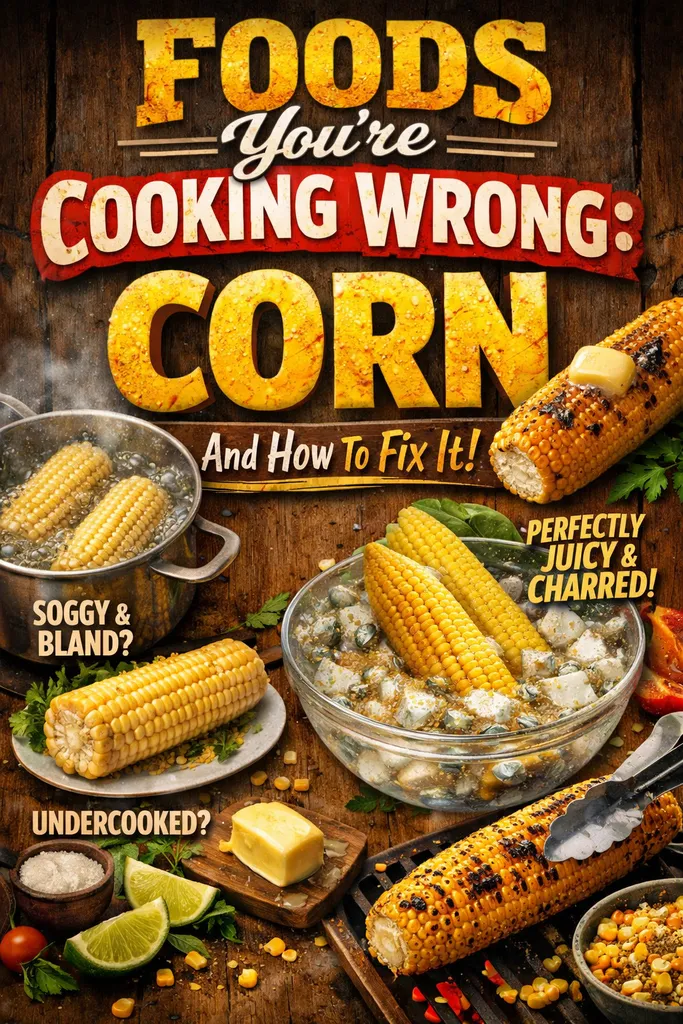
While cooking corn on the cob can be a positive experience, it is also an easy one to mess up and there are a few misconceptions that will make all of the difference in how your corn will taste and feel. Here’s how to avoid these traps, and serve yourself perfect corn, every time.
Using Old Corn
The No. 1 mistake you make when cooking corn is stale or old corn. After corn is harvested, it quickly turns starchy and loses its sweetness. To ensure you’re working with fresh corn, look for bright green husks and plump shells. It’s easy to confirm freshness by peeling back a little of the husk and checking the kernels for milky interiors.
Not Removing the Silks
The second error is that you don’t remove all the silk. These silky threads on corn are insubordinate, and they destroy your cooking game. Just remember to do it before cooking! To make the process a little easier on yourself, try soaking husked ears of corn in water for 30 minutes or so before removing the silk.
Overcooking the Corn
Nothing can ruin everything like overcooking, and corn on the cob is no exception. People believe corn needs boiling for ages. Corn cooks fairly quickly, typically just 4-7 minutes once the water’s at a boil. If grilling, about 10-15 minutes on medium grill. Cook too long and you’ll be left with gristly kernels, so watch the clock.
Cooking without Salt
There’s some debate about when to salt corn as you cook it. Some don’t put it in the water at all, opting instead to add it after the egg is cooked. Salting before cooking can make the corn tough. As a general rule, it’s wiser to salt after cooking. This will keep the sweet corn flavor and hold the kernels tender.
Cooking in Unfiltered Water
SO, if you’re using unfiltered water, it can change the taste of your corn. Substances such as minerals and chemicals in tap water can alter flavor. Try boiling your corn with filtered or spring water, if possible. Your corn will taste more fresh and organic.
Not Fully Embracing the Versatility
Corn is much more than something you boil; there are plenty of other usage ideas for it in your dishes. New cooking techniques open a door to a better food experience. Grill it, roast it or even make corn salsa. And each method has its own flavor, making corn a versatile addition to so many meals.
Cooking Methods Overview
MethodCooking TimeFlavor NotesBoiling4-7 minutesSweet and tenderGrilling10-15 minutesSmoky and charredRoasting20-25 minutesCaramelized and sweet
Ignoring Seasoning
Most people think corn on the cob needs no seasoning, but they’re mistaken. Butter, salt and other flavorings can take the mundane flavor of corn to new heights. Experiment with flavored butters or spices — paprika, chili powder and even fresh herbs — to balance out the sweetness of the corn.
Not Storing Corn Properly
Storing corn improperly can also affect its flavor and sweetness. If you are not cooking your corn immediately, it should always be stored in the refrigerator. Use it ideally the same day you purchase it; sweet corn is always at its best fresh. Keeping it in a paper bag or other breathable vessel will do its part to keep moisture at bay, one of the great enemies of spoilage.
For more details on corn’s kitchen alchemy, look to resources like the National Corn Growers Association for even more tips and recipes. Enjoy your corn on the cob, and happy eating!
Boil Vs. Grill Vs. Microwave Corn on the Cob
And while there are lots of different boiling methods for to prepare flavorful, sweet corn on the cob — each method comes with its own pros and flavor. Three familiar methods of cooking — boiling, grilling and microwaving — will produce different results. Here’s a side-by-side examination of these methods to help you decide how long to cook corn on the cob with each of them.
Boiling Corn on the Cob
Boiling is the traditional method of cooking corn on cob. It’s easy and ensures tender, sweet kernels. Here’s how to do it:
- Fill a large pot with water, cover and bring to a rolling boil.
- (Optional) Add a touch of salt and add shucked corn.
- Cover the pot and rouse a timer.
Boiling corn on the cob cooking times will vary from recipe to recipe, but here’s a good rule of thumb:
- Fresh corn: 4 to 6 minutes
- Frozen corn: 6 to 8 minutes
When the timer goes off, take the corn out and give it a quick rinse under some cold water to stop the cooking. This preserves that perfect crunch!
Grilling Corn on the Cob
Grilling also gives corn a smoky flavor, which is why it’s such a lovely addition to summer barbecues. This is a simple guide to grilling corn:
If using a grill, preheat it to medium high.
Husk the corn, then remove all silk. Wipe them down and place them on the grill, but soak the cobs in water for 30 minutes beforehand to prevent excessive dryness.
Place the corn right on the grill rack or wrap it in aluminum foil to keep its kernels from burning.
- How to grill corn best, in one go:
- Without foil: 10 to 15 minutes, turning every few minutes
- With foil: 15 to 20 minutes
And don’t forget to brush the corn with butter and sprinkle salt before serving for even more flavor!
Microwaving Corn on the Cob
Microwaving corn on the cob is an incredibly fast and easy option if you’re pressed for time. This technique seals in moisture and flavor while cooking. Follow these steps:
Rest the shucked corn on a microwave-safe plate.
| Corn Type | Cooking Time (Microwave) |
|---|---|
| Fresh corn | 4 to 6 minutes |
| Frozen corn | 6 to 8 minutes |
MethodFresh CornFrozen CornBoiling4 to 6 minutes6 to 8 minutesGrilling10 to 15 minutes15 to 20 minutesMicrowaving4 to 6 minutes6 to 8 minutes
Either method, though, is a great way to prepare corn on the cob. Boiling is the quickest and simplest method, but grilling imparts a smoky flavor to sweetened peppers that’s perfect for al fresco eating. Microwaving is time-efficient, and so it’s perfect for weeknights when money doesn’t stretch far. However you make it, you will surely rejoice in the sweetness of fresh corn!
For additional tips and ways to cook corn on the cob, along with terrific recipes, check Food Network and Serious Eats.
Conclusion
Cooking and eating corn on the cob is fun. Once you know the different methods of cooking — boiling and grilling and microwaving, to name a few — you’re free to choose which fits your taste and time best. Remember that timing is everything; if you cook them too long, they won’t have a satisfying enough texture, and if undercooked, their sweet flavor may not appear. A few tricks will ensure perfectly cooked kernels every time.
Corn is delicious and full of health properties. They are also everything high in fiber, vitamins and antioxidants which all contribute to your general well-being. This corn on the cob recipe can be an effortless way to squeeze in a little more nutrition without skimping on flavor.
Show up with additional toppings loaded up for a more extravagant corn experience. Whether you love the timeless combination of butter and salt, or a more inventive topping like chili lime or parmesan, there’s one for every taste. They elevate the dish to new gastronomic heights and are sure to impress guests.
However, there are some common cooking mistakes that people make when preparing corn. Avoiding these mistakes — such as cooking it with the husks still on or not seasoning it properly — can help you to achieve a much better outcome. Keeping these variables in mind will help you serve corn that is delicious and inviting.
So next time you prepare to eat a cob of corn, think about these. Armed with the right cooking methods, health benefits, creative upgrades and awareness of common mistakes, you’ll be well on your way to mastering this summer classic. Good corn on the cob and all your tasty bites!