

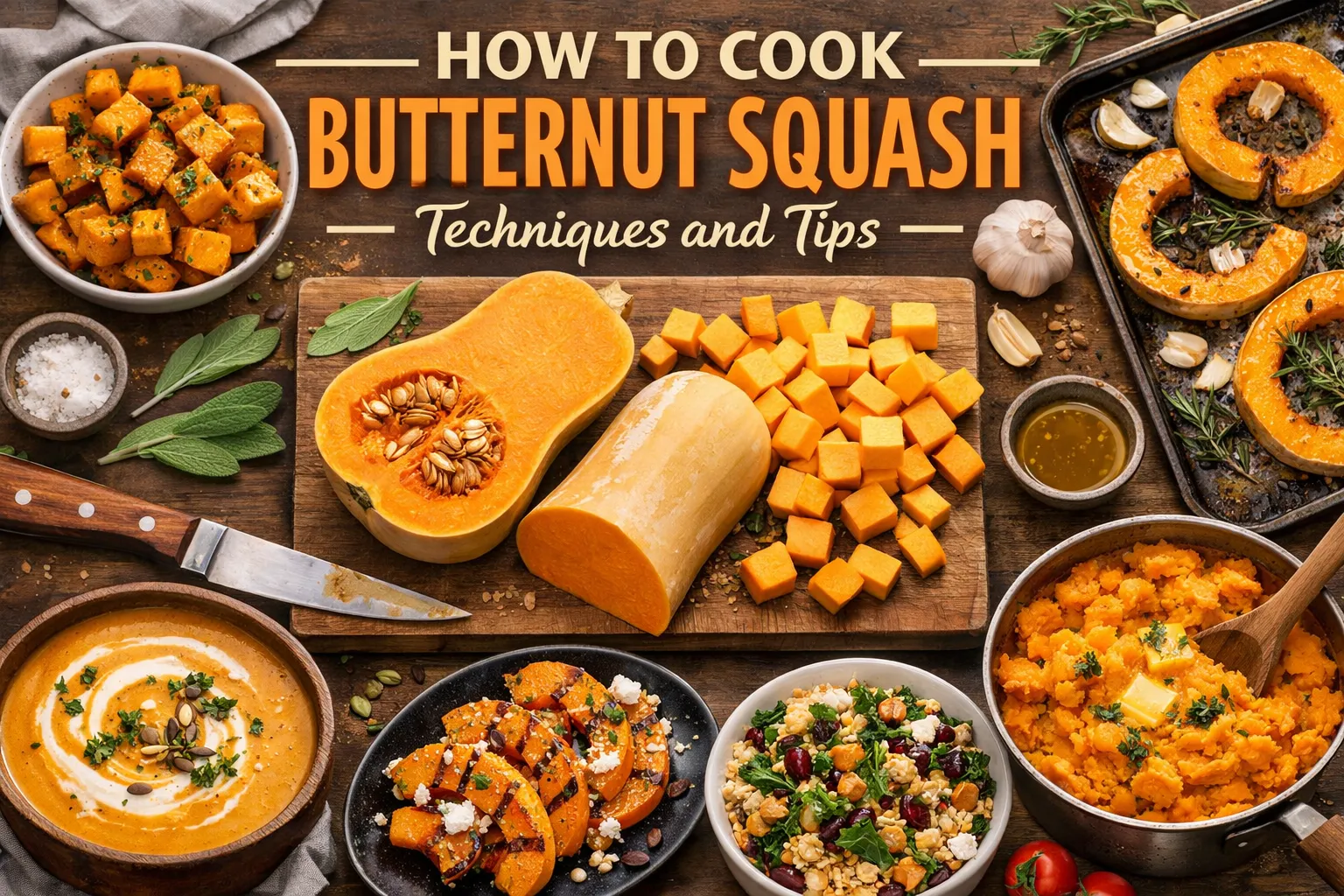

There are so many delicious possibilities when it comes to cooking butternut squash. This sweet, How to Cook Butternut Squash nutty vegetable can be prepared several ways — roasting it, steaming it. In this guide, you will learn about the best practices and tricks to enhance your butternut squash dishes.
Preparing Butternut Squash
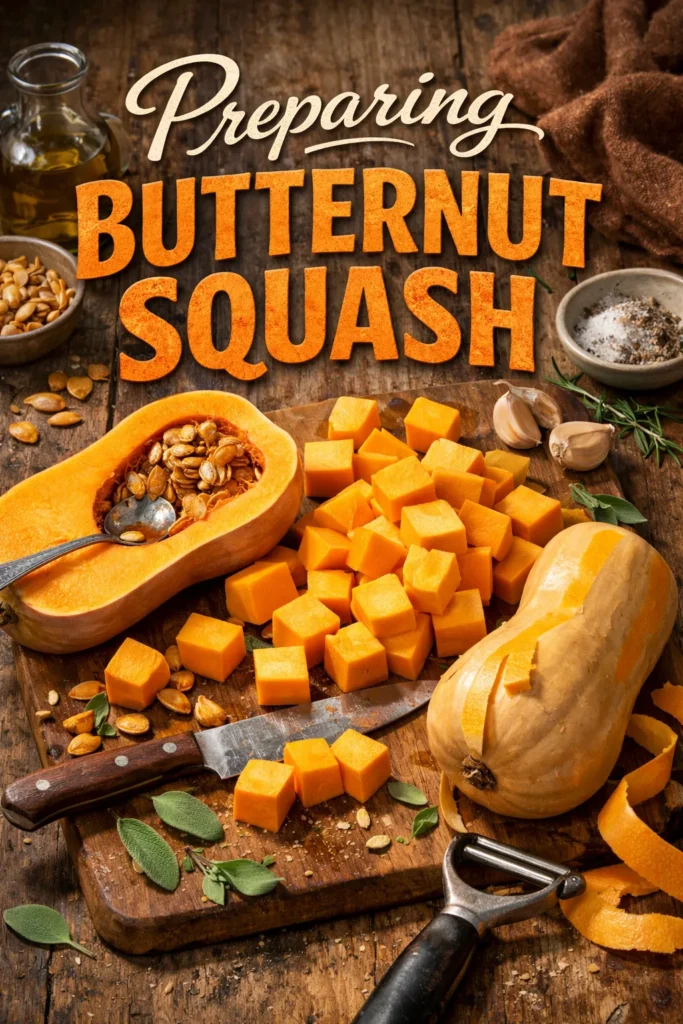
- Good preparation is everything before you cook.) Follow these steps:
- Choosing the Right Squash: When buying butternut squash, choose squash that feels heavy for its size; it should have a smooth firm skin and no soft spots.
- Peeling: Use a sharp vegetable peeler to shave off the tough skin. Should your squash be extra difficult, microwave for 2-3 minutes to soften it just enough to handle.
- Seed Removal: Split the squash lengthwise and use a spoon to remove the seeds. You can save the seeds to roast for a crunchy snack later.
- Dicing: Chop the squash into cubes for faster cooking or leave it in halves to roast.
Roasting Butternut Squash
- Roasting brings out butternut squash’s inherent sweetness. Here’s how to roast it perfectly:
- Heat the Oven: To 425°F (220°C).
- Season: Toss the diced squash with olive oil, salt and pepper. Sprinkle in spices like cinnamon or nutmeg for a sweeter taste, or chili powder for a kick.
- Spread On Baking Sheet: Arrange the squash in a single layer on a parchment-lined baking sheet. This helps it roast evenly.
- Remove and add back in, sprinkle with kosher salt or pink salt and garlic powder or seasoning of your choice. Halfway through cooking, toss to brown evenly.
Steaming Butternut Squash
- If you want a lighter version, steaming is a fast and healthy method:
- Setup: Place an inch of water in a pot and set a steamer basket inside.
- Bring to a Boil: Add the cover and bring the water to a boil.
- Add Squash: Add the butternut squash to some portion of the steamer basket. Cover with a lid.
- Steam for 10-15 minutes or until tender. You can check for doneness with a fork.
Mashing butternut squash
- Mashed butternut squash is a great substitution for mashed potatoes. Here’s how to prepare it:
- Cook: Roast or steam the squash cubes until tender.
- Mash: Spoon the cooked squash into a bowl. Mash with a potato masher or fork.
- Flavor: Stir in butter, cream or a splash of maple syrup, and salt and pepper to taste.
- Butternut Squash Soup
- A comforting, nourishing bowl of butternut squash soup. Here’s a simple recipe:
- Ingredients:
- 1 butternut squash, peeled and diced
- 1 onion, chopped
- 2 cloves garlic, minced
- 4 cups vegetable broth
- Salt and pepper to taste
- Optional: cream (dairy or coconut) to taste for creaminess
- In a large pot, sauté onion and garlic till soft.
- Add the Squash and Broth: Add the cubed squash and broth. Add water and bring to a boil, simmering until squash is tender, about 20-25 minutes.
- Blend: Puree with an immersion blender until smooth. Season to taste and stir in cream, if desired.
Storing Cooked Butternut Squash
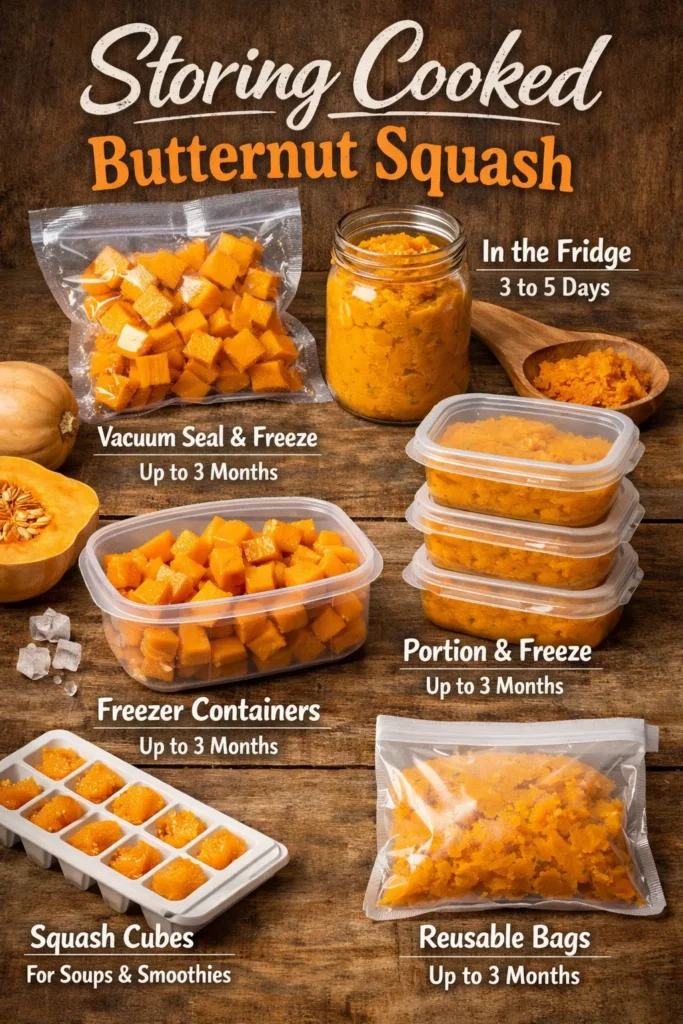
- And if you cook more butternut squash than you need, it can be stowed away with ease:
- To refrigerate: Store in an airtight container in the refrigerator for up to 5 days.
- Freeze: Store in a freezer-safe bags for up to 3 months. Thaw before reheating.
- Butternut squash is both versatile and nutritious. Through roasting, steaming and soup, these techniques may help you embrace this lovely vegetable. For more recipes and cooking ideas, visit Eatwell101 or Food Network.
- Nutritional Benefits of Butternut Squash
How To Cook Butternut Squash
Butternut squash is a delicious and nutrient-dense food that can improve your health. It is a winter squash with sweet, nutty flavor and many health benefits. Knowing about these nutritional advantages can help you include butternut squash in your diet more effectively.
Rich in Vitamins and Minerals
Rich in essential vitamins and minerals, this colorful vegetable is a star. What are some of the nutrients that butternut squash contains?
Vitamin A: One cup of cooked butternut squash gives 400% of the daily recommended amount. We need vitamin A for eye health and immune function.
Vitamin C: A rich source of antioxidant vitamin C, with butternut squash. It combats free radicals in the body, promoting healthy skin and a tonifying immune system.
Potassium: This vegetable includes potassium, which helps control blood pressure and supports heart health.
Magnesium: Butternut squash is a good source of magnesium, which aids in bone health and supports muscle and nerve function.
High in Fiber
Butternut squash contains a lot of dietary fiber. One cup contains about 7 grams. Fiber plays a foundational role in digestion, aiding individuals by preventing constipation and ensuring gut health. Eating foods high in fiber, is also a way to make you feel fuller for a longer time which will help with weight management.
Low in Calories
If you’re trying to manage your weight, butternut squash is a great option. It’s low in calories, containing only about 82 calories per cup when cooked. It is a healthy addition to meals without the risk of adding too many calories, which means you can maintain a satisfying but healthy diet.
Rich in Antioxidants
In addition to vitamins, butternut squash is high in antioxidants like beta-carotene, which is what gives it its vibrant orange hue. Antioxidants help combat systemic inflammation and may lower the risk of chronic conditions like heart disease and cancer. Foods rich in antioxidants must be included in a balanced diet.
Understanding the Health Benefits
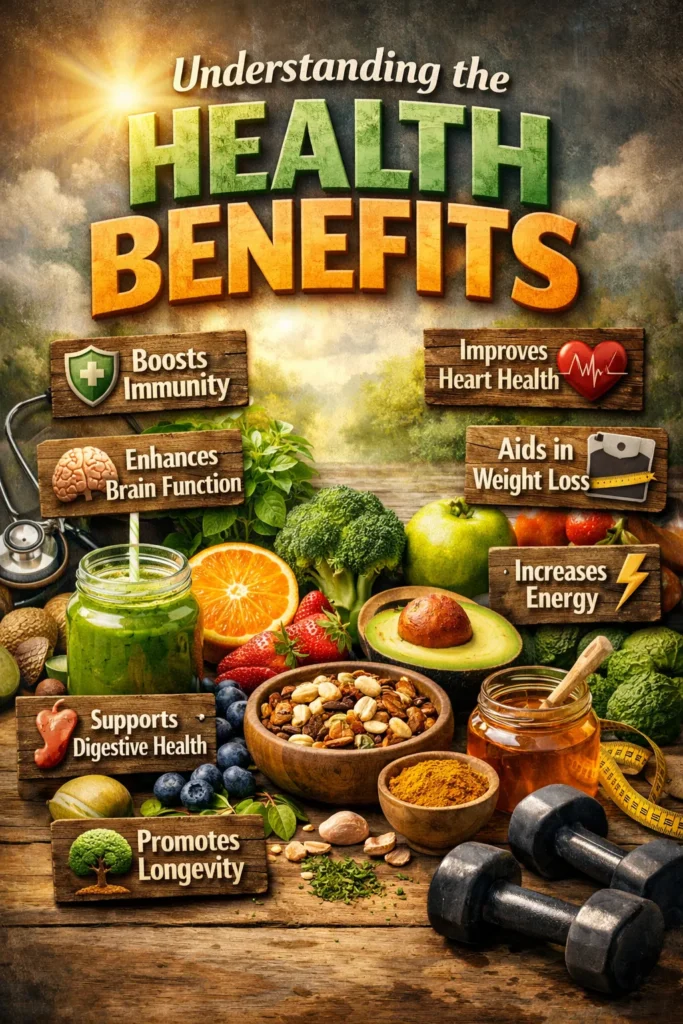
add butternut squash to your meals — it has a number of health benefits. Here are a few of the health benefits it can provide:
The health benefits of butternut squashHigh in vitamin A, which helps keep your eyes healthy and may prevent vision issues. Weight ManagementThe low calorie count and high fiber content of fruits can help you feel full, which may make it easier to manage your weight. Heart healthPotassium and antioxidants promote heart health by helping regulate blood pressure and lowering cholesterol levels. Gut HealthHigh in fiber keeps the bowels regular and maintains gut health, reducing constipation.
How to Eat Butternut Squash
- Incorporating butternut squash into your meals is relatively simple, and that’s the beauty of it. Here are a few simple ideas:
- Soups: Puree cooked butternut squash with vegetable or chicken broth for a creamy soup.
- Roasted: Cube it and roast with olive oil, salt and pepper for a tasty side.
- Salads: Toss roasted butternut squash into salads for a sweet, crunchy bite.
- Purees: Mash it as a side dish or use it for filling pasta.
- Butternut squash is more than just a delicious ingredient — it’s also a nutritional powerhouse. Whether its the delicious taste that you love — topping your meals with this versatile squash comes with a host of health benefits too. Visit Healthline or Eat This, Not That! for more specific nutritional facts and recipes..
- Butternut Squash: Ideas for Creative Recipes
How To Cook Butternut Squash
Butternut squash is one of those ingredients that can be used in a number of different ways, adding the sweet nuttiness to any dish. It’s loaded with vitamins and is good for a diet. If you want to get really creative in the kitchen, here are innovative recipe ideas that might inspire.
Butternut Squash Soup
This dish is traditional, warming and comforting. For a basic butternut squash soup, you’ll need:
- 1 medium butternut squash, peeled and diced
- 1 onion, chopped
- 2 cloves of garlic, minced
- 4 cups vegetable broth
- 1 tsp cumin
- Salt and pepper to taste
- 1 cup coconut milk (if employing for texture)
Begin with the customary sauté of onion and garlic in a pot until golden. The cubed squash and broth is added and brought to a boil. Lower heat then simmer for 20 minutes, or until the squash is soft. Blend until smooth, stir in the coconut milk and season to taste.
Roasted Butternut Squash Salad
Roasted butternut squash, on a bed of greens, makes for a hearty salad. You’ll need:
- 4 cups mixed salad greens
- 2 cups cubes roasted butternut squash
- ½ cup feta cheese, crumbled
- ½ cup walnuts, toasted
- 2 tbsp olive oil
- 2 tbsp balsamic vinegar
Toss salad greens with roasted squash, crumbled feta and walnuts. A drizzle of olive oil and balsamic vinegar makes a lovely dressing for this. As a side, or as a light meal, this salad is amazing!
Butternut Squash Pasta
Take your pasta night to the next level with butternut squash. For butternut squash pasta you’ll need:
- 8 oz whole grain pasta
- 1 cup butternut squash puree (homemade or from store)
- 2 tbsp butter or olive oil
- ¼ cup grated parmesan cheese
- Salt and pepper to taste
- Basil or parsley leaves, for garnish
Cook your pasta per the package instructions. By the way, in a separate pan, melt the butter or oil and add then add that to the squash puree. Fold gently, seasoning to taste and adding the cheese. Serve warm, sprinkled with fresh herbs.
Stuffed Butternut Squash
Stuffed butternut squash makes for a hearty main course. Here’s what you’ll need:
- 2 halved butternut squashes
- 1 cup cooked quinoa or rice
- 1 can black beans, rinsed and drained
- 1 cup corn kernels (fresh or frozen)
- 1 tsp chili powder
- 1 cup shredded cheese (optional)
Instructions for Making Baked Potatoes Preheat the oven to 400°F (200°C). Put the squash halves cut side down on a baking sheet and roast until tender. In a bowl, combine quinoa, beans, corn, chili powder and half the cheese. Flip the squash over, fill each with the mixture, sprinkle the rest of the cheese on top and bake for another 10 minutes.
Butternut Squash Pancakes

For a different take on breakfast, try butternut squash pancakes! Here’s a basic recipe to experiment with:
- 1 cup butternut squash puree
- 1 cup all-purpose flour
- 2 eggs
- 1 tbsp baking powder
- ½ cup milk
- 1 tsp cinnamon
- 2 tbsp honey or maple syrup
Combine all the ingredients to make a batter. Heat up a non-stick skillet (with no oil) and pour in your batter, cooking until bubbles appear on the surface. Flip and cook until golden. Enjoy with maple syrup or fruit as a breakfast treat!
These butternut squash recipes will let you enjoy this healthy veggie in so many ways! Not only are these recipes healthy, they also make it easier to test new flavors and textures in your food.
For more inspiration and recipes, visit Love and Lemons and Food Network.
USE WHAT YOU HAVE LET’S COOK SEASONALLY: HOW TO USE BUTTERNUT SQUASH
How To Cook Butternut Squash
Butternut squash is a special fall and winter workhorse that makes your meals sing. Its sweet, nutty taste harmonizes with all sorts of spices and ingredients. Here’s a smart way to use butternut squash in your meals.
Choosing the Right Butternut Squash
Choose butternut squash that feels firm and heavy for its size, with dull skin. Steer clear of any with soft spots or blemishes. The skin color should be a rich tan, and the stem dry and hard, indicating freshness.
Preparation Techniques
- Before you cook with butternut squash, there is some key prep work to be done. Here are some ways to prepare it:
- Peel: Using a vegetable peeler, remove the tough skin. (The skin can be thick, so watch yourself.)
- Cutting: Halve the squash lengthwise. Using a spoon, scoop out the seeds and the stringy parts in the middle.
- Dicing: After halving, cut the squash into cubes to roast, steam or toss in soups.
Cooking Methods
- There are several methods that you can use to cook butternut squash that will really help the flavor come out.
- Roasting: This technique accentuates the squash’s sweetness. Just throw on cubes drizzled with olive oil, salt and your favorite spices like cinnamon or paprika. Place in a preheated oven and roast at 400°F (200°C) for approx.
- Boiling: If you’re short on time, you can also boil butternut squash in cubes in water for 10–15 minutes until tender. This method works well for purees or soups.
- Steaming: This is a healthy cooking technique that also helps conserve nutrients. Steam cubes over a pot of boiling water for 15 minutes or so, until tender.
- Pureeing: For a smooth soup or sauce, roast or boil the squash, then blend until creamy. Include broth for soup, or spices for sauces.
Delicious Recipes Using Butternut Squash
Here are a few, supereasy and delicious:
Butternut Squash Soup: In a pot, sweat chopped onions and garlic, add cubed butternut squash and pour in vegetable broth. Once tender, puree until smooth and season with salt, pepper and nutmeg.
Roasted Butternut Squash Salad: Combine roasted butternut squash with mixed greens, cranberries, walnuts and feta cheese. Drizzle with balsamic vinaigrette for a big salad.
Stuffed Butternut Squash: Halve and roast the squash. Pack it with a mixture of quinoa, black beans, corn and spices, and bake until warmed.
Using Butternut Squash in Other Dishes
Beyond main courses, you can use butternut squash in your snacks and sides:
Butternut Squash Fries: sliced the squash into thin strips, toss with olive oil / seasonings and bake until crispy.
Butternut Squash Pancakes: Fold some cooked squash into your pancake batter for extra moisture and a healthy spin.
Storage Tips
- To keep butternut squash fresh:
- Keep whole squash in a cool, dark location for a few weeks.
- After cutting, wrap tightly in plastic and refrigerate; use within a few days.
- Visit Food Network and Cooking Light for more on seasonal cooking and recipes.
- Adding butternut squash into your meals not only preserves the flavor, but also gives you essential nutrition. Use the methods and recipes above to get as much out of this delicious vegetable this season!
How To Choose And Store Butternut Squash For Peak Freshness
And when it comes to savoring butternut squash at its best, choosing the right one and storing it correctly are critical. With its sweet, nutty flavor and silky texture, butternut squash is a fixture of many kitchens. Here’s how to select and store butternut squash for its best freshness.
Choosing Butternut Squash
- To select the freshest butternut squash, consider these tips when you’re at the market:
- Seek Out a Firm Skin: It should be firm and smooth to the touch, which means it’s ripe. Steer clear of any squash with soft spots or blemishes.
- Check the Color: A deep, tan color is a good indication that the squash is mature. The skin should be even; no dark green or white patches.
- Watch the Weight: Select squash that seems heavy for its size. A denser squash tends to have a meatier interior.
- Stems Count: Look for squash with stem still intact, as it helps keep this vegetable fresh. Without a stem, spoilage is likely to happen faster.
- Savory squash dishes benefit from taking the time to choose the best squash in order to ensure that what you make will be delicious and full of flavor.
Storing Butternut Squash
- Once you pick out your butternut squash, it’s important to store it properly so that it stays fresh longer. They can also be stored effectively in the following ways:
- Cool, Dark Place: Keep your whole butternut squash in a cool (between 50 and 55 degrees F) dark space like a pantry or cellar. This helps keep it moist without going bad.
- Do Not Refrigerate: Never refrigerate butternut squash. The chilly temperature could potentially change the taste and texture.
- Use a Vegetable Crisper: If you’ve cut the squash, wrap what you haven’t used in plastic wrap or put it in an airtight container and store it in the refrigerator. It will last about 3-5 days.
- If You Want to Store It for a Long Time: If you want to store butternut squash long-term, freeze it. Peel, cube and steam the squash until tender, then let cool before moving it to a freezer-safe bag. It can be kept for a year!
Signs of Spoilage
- It is important to understand when butternut squash goes bad. Signs to watch out for include the following:
- Mold: If you detect mold on the skin, it’s time to toss out the squash.
- Softness: A firm squash should be firm; if it seems soft all over, it is no longer fresh.
- Unpleasant Odor: The presence of a sour odor is a spoilage indicator.
- Uses (Fun Ways to Use Butternut Squash)
- Many home cooks adore using butternut squash because it’s so versatile. Here are some fun ways to have this nutrient-dense veggie in your meals:
- Soups: Creamy and flavorful butternut squash soup is perfect for cold nights.
- Roasting: Cut up the squash and roast it with herbs and spices for a tasty side dish.
- Purées: Use it in baby food, or as a healthy base for sauces.
- Salads: Add roasted butternut squash to salads for more texture and nutrients.
- If you choose the right butternut squash and know how to store it appropriately, you will be able to taste its flavors and benefits for weeks. Be sure to check out other recipes and ways to use this scrumptious squash!
- To learn more about butternut squash varieties and recipes, see the Epicurious Butternut Squash Guide.
- For tips on cooking squash and incorporating them into your diet, check Food Network’s Butternut Squash Ideas.
Conclusion
Besides being a versatile, tasty ingredient butternut squash is a nutrition powerhouse. You can elevate its natural sweetness and prepare eye-catching dishes by learning to roast, steam, puree and other cooking techniques. Don’t forget about the myriad of vitamins and minerals that come in this colorful squash, making it a good addition to an eat healthy diet.
By searching for unique recipe ideas, you can help yourself to eat butternut squash in all its glory — from savory soups to filling risottos and even desserts! Making seasonal cooking a regular part of your kitchen routine, like using fresh squash throughout the fall months is warm and comforting but always graciously simple and allows flavors that follow the season to come through.
A visual inspection is the key when it comes to choosing butternut squash; you want to know what you are looking for — firm and in good figure. Storing properly also helps ensure your squash stays fresh and ready for use. These tips are so easy How to Cook Butternut Squash and effective, they will take your cooking to the next level when it comes to this nutritious vegetable.
Butternut squash, with its rich flavor, health benefits and infinite cooking possibilities, deserves a place at (or on) your plate. So pick up a squash, experiment in your kitchen and enjoy the wonderful flavors it adds to your meals! Happy cooking!