

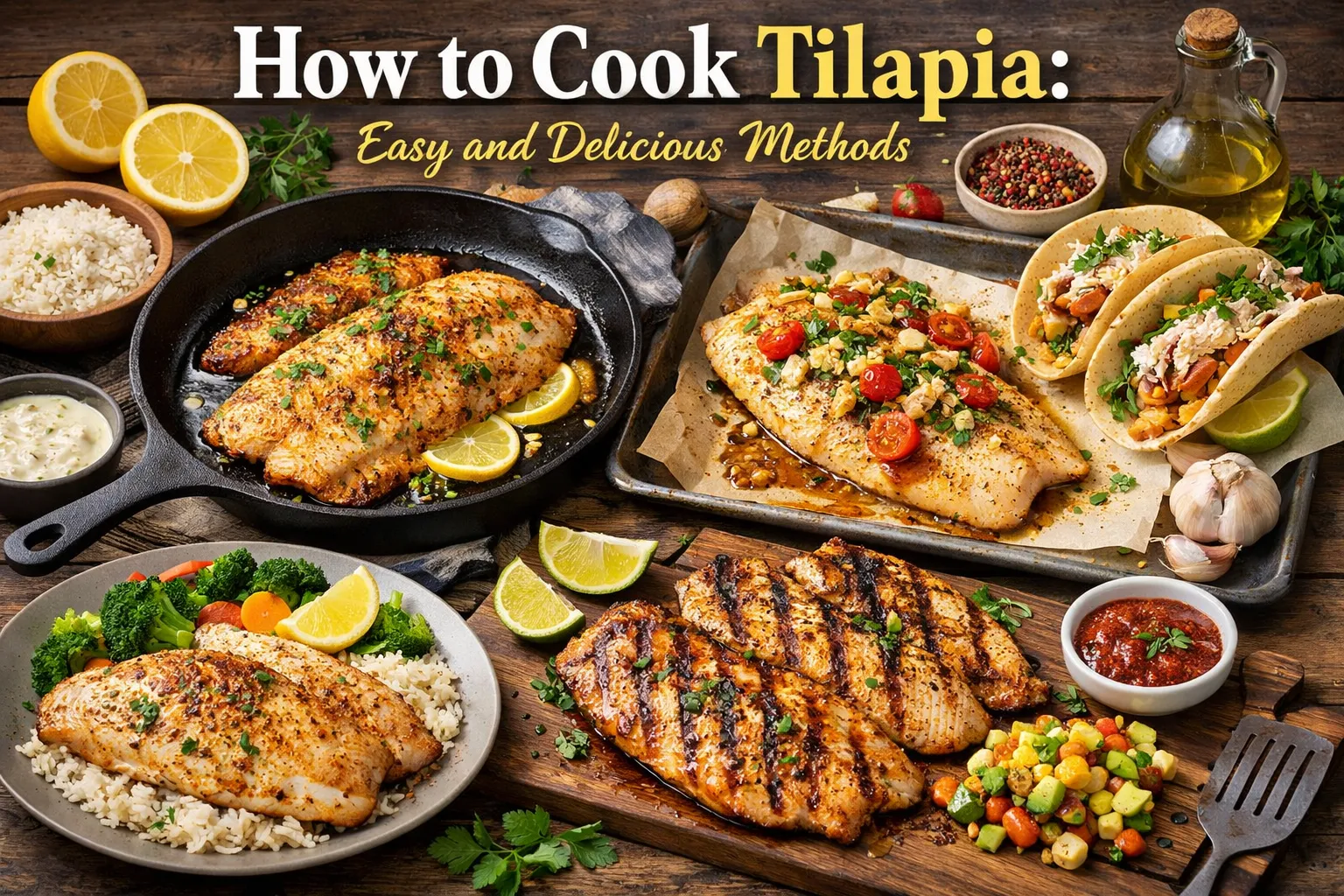

Tilapia is a mild-flavored fish that’s very versatile and will quickly become popular in your home. how-to-cook-tilapia quickly, absorbs flavors well and is a versatile ingredient in many different types of recipes. Grilling, baking and sautéing are just a few techniques that will show you how to cook tilapia, so everyone can enjoy this excellent meal. Lets take a look at some simple ways you can cook up tilapia, turning out dishes that are sure to please.
Grilling Tilapia
Grilling tilapia adds a smoky flavor that perfectly complements its mild taste. Here’s a simple way to grill your tilapia:
- Preparation: Begin by thawing the tilapia if it’s frozen. Rinse it under cold water and pat it dry with paper towels.
- Seasoning: Coat the fish with olive oil, salt, pepper, and your choice of herbs or spices. Lemon juice or garlic can also add a nice touch.
- Preheat the Grill: Make sure your grill is preheated to medium heat.
- Grill the Fish: Place the tilapia directly on the grill for about 4-5 minutes on each side, or until the fish is opaque and flakes easily with a fork.
Baking Tilapia
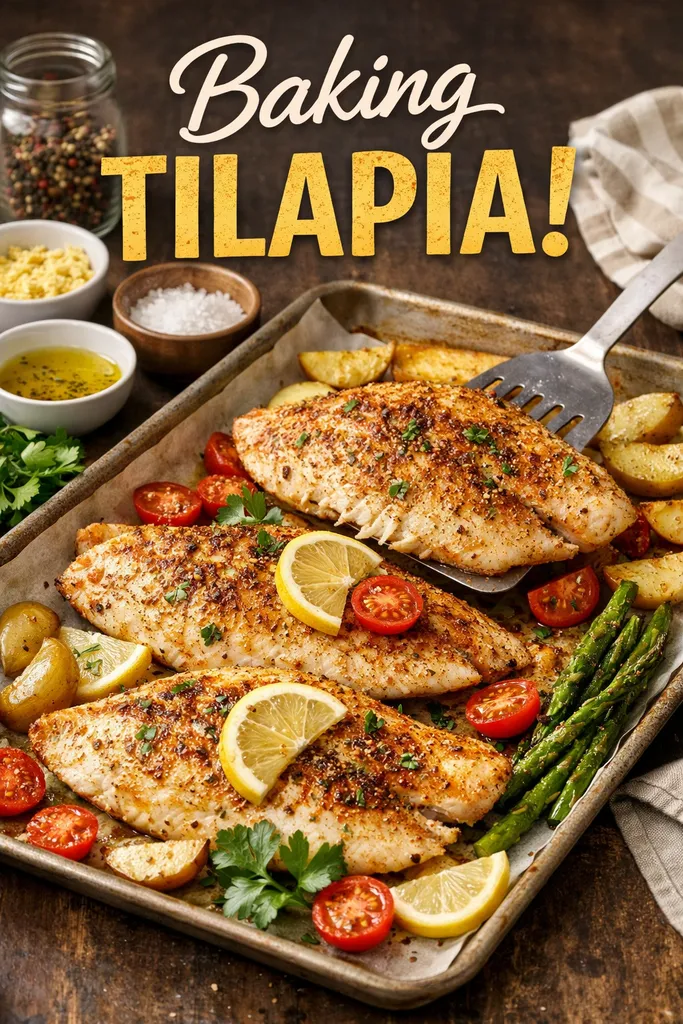
Baking is another excellent method for cooking tilapia, especially if you want a no-fuss, hands-off approach. Follow these steps to bake tilapia:
- Preheat the Oven: Set your oven to 375°F (190°C).
- Prepare the Dish: Lightly grease a baking dish with butter or cooking spray.
- Season the Fish: Place the tilapia in the dish, season it with your preferred spices, and add a slice of lemon on top for extra flavor.
- Bake: Bake for 15-20 minutes, or until the fish is cooked through and flakes easily.
Sautéing Tilapia
Sautéing tilapia is a quick method that keeps the fish moist. Here’s how to do it:
- Heat the Skillet: Add a tablespoon of oil or butter to a skillet over medium heat.
- Season the Fish: While the skillet is heating up, season your tilapia fillets with salt, pepper, and any other spices you prefer.
- Sauté: Place the fillets in the skillet. Cook for about 3-4 minutes on each side until golden brown and cooked through.
Tilapia Tacos
If you’re looking to elevate your fish dish, consider making delicious tilapia tacos. You can use any of the cooking methods listed above. Here’s a quick recipe:
- Ingredients:
- Tilapia fillets
- Taco seasoning
- Soft corn tortillas
- Fresh toppings: cabbage, cilantro, diced tomatoes, avocado
- Lime wedges
- Cooking: Cook the tilapia using your preferred method, and then break it into pieces. Serve it on warm tortillas and top with your favorite toppings.
Tips for Cooking Tilapia
Here are some helpful tips to ensure your tilapia turns out perfectly:
- Choose fresh fillets whenever possible for the best flavor and texture.
- Do not overcook tilapia. It should be opaque and flake easily when done.
- Experiment with different seasonings and marinades to find your favorite flavor combinations.
Follow Up: Cooking Tilapia can be fairly easy and fun. These techniques allow you to produce one of many mouth-watering meals to complement any tastebud. And for additional tasty recipes and cooking advice, head over to Tilapia. com or check out FishWatch. gov for sustainability information on seafood.
Now that you know how to cook tilapia in a variety of ways, it’s time to bring these skills to your kitchen. Enjoy your cooking journey, and savor the delicious flavors of tilapia!
The Nutritional Benefits of Tilapia
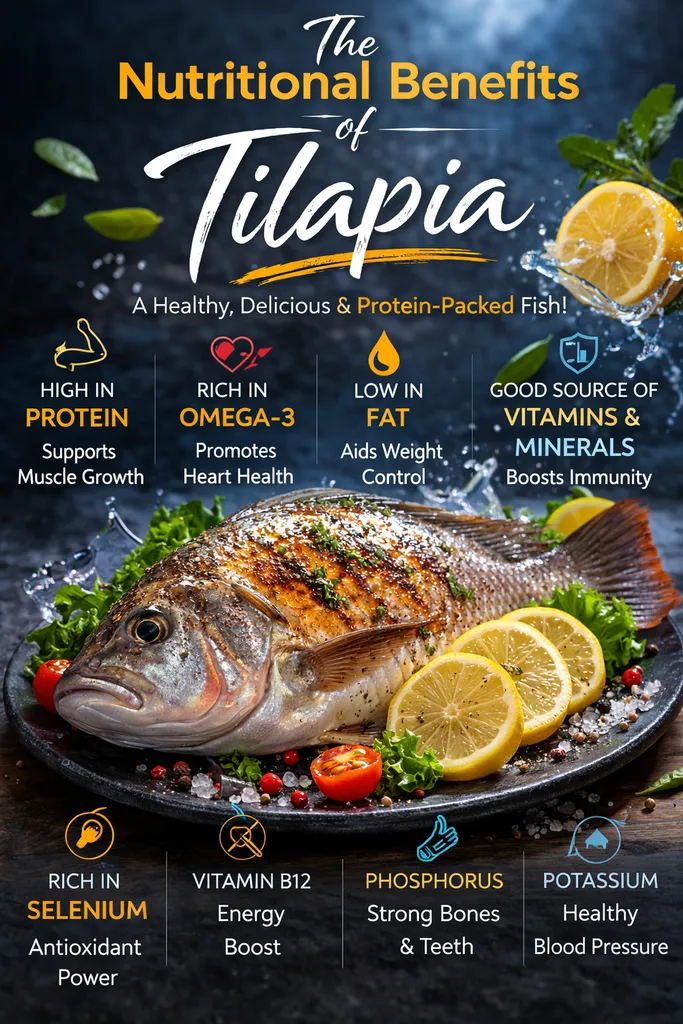
Tilapia is a versatile fish that has become beloved in kitchens everywhere. It is also a good source of nutrition and an easy food to work with for any meal.
Amply, this fish yields high quality protein. In fact, a 3.5-ounce serving of the fish contains approximately 26 grams of protein. Protein is fundamental to tissue repair and the production of enzymes and hormones. An adequate intake of protein can prevent the loss of muscle mass as one ages.
Tilapia is low in calories and a great source of protein if you’re keeping an eye on your weight. Each serving has about 128 calories, so you can still have filling meals without the extra weight. This low-calorie property promotes balanced meal planning.
Tilapia has omega-3 and omega-6 fatty acids. It has less omega-3 than other fatty fish like salmon. Even so, omega-3 healthy fats wind inflammation lowers and cholesterol levels in the heart. Eating this protein as part of your balanced diet is good for your heart. Tilapia is nutritious due to its amino acid profile. Amino acids are protein components that help your body function properly. Amino acids contained in tilapia are beneficial because they benefit muscle recovery and repair, making it popular with bodybuilders and bodybuilders. It was discovered that cooking this fish using various techniques is simple. This fish may be baked, grilled, broiled, or fried. These types of cooking improve the flavor of tilapia while maintaining the nutritional ingredients. Tilapia has a large amount of protein while controlling calories, as displayed in the table. When compared to salmon, it has fewer omega-3 fatty acids, which are beneficial to the heart. Another advantage of tilapia is the variety of dishes available. This fish can be used in conjunction with a variety of flavorings. For example, spicy tilapia fish tacos and lemon garlic tilapia, salads, grains, vegetables, among other meal options, can all be prepared with the fish. It’s also worth noting that tilapia farming is sustainable. This fact is essential because the world is in an eco-friendly era. It implies that environmental factors are taken into account when farming the diet. This consideration guarantees that you manufacture environmentally friendly cooking options. To promote the distribution of tilapia, one may consult the Monterey Bay Seafood Watch to learn about sustainable seafood buying sources.
This fish is also a good source of important vitamins and minerals:
- Vitamin B12: Essential for nerve function and the formation of red blood cells.
- Niacin (B3): Supports digestion, skin health, and the nervous system.
- Phosphorus: Vital for bone health and energy production.
- Selenium: An antioxidant that aids in protecting cells from damage.
Including tilapia in your diet can also help you meet your daily requirements for these nutrients, promoting overall health and wellbeing.
The dietary benefits of tilapia make it a smart addition to your plate, no matter if you need quality protein or an alternative low-calorie option for your meals. Considering its health benefits and how easy it is to cook, it’s no surprise that tilapia continues to be a favorite for many. You can read more about cooking techniques and recipes at EatingWell or Food Network.
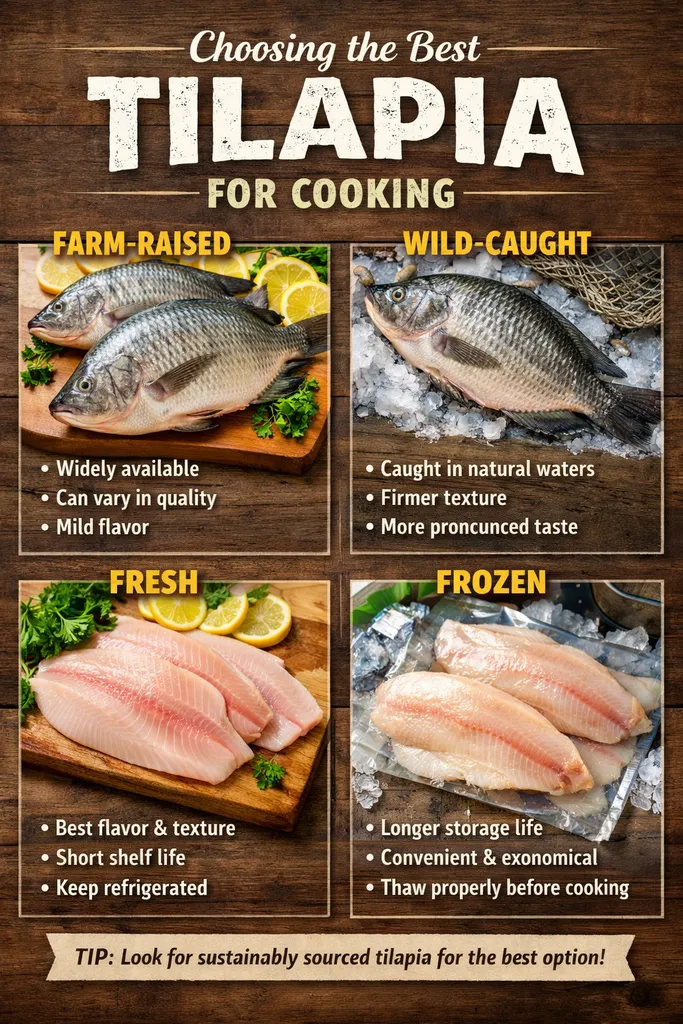
The type of fish you use is important for cooking tilapia so that your dish will be delicious. Its mild flavor and flaky texture makes tilapia a versatile addition to many dishes. But not all tilapia is equal, and selecting better options can take your cooking to the next level. Here’s what to look for when choosing the best tilapia for your cooking projects.
Here’s a quick comparison of tilapia with other popular fish:
| Fish Type | Calories (3.5 oz) | Protein (g) | Omega-3 (g) |
|---|---|---|---|
| Tilapia | 128 | 26 | 0.3 |
| Salmon | 206 | 22 | 2.2 |
| Tuna | 132 | 28 | 0.2 |
Buying good quality tilapia will also affect your health. Tilapia is a low-calorie source of protein, making it a great choice for all types of diets. However, watch out for possible contaminants like:
When it comes to choosing the right tilapia, know about varieties, freshness and sourcing as well as health implications. Cooking its first class tilapia is not only better fry, but also offer a much more sustainable and healthy thing. Godspeed on your culinary adventures, and may you dive into all the delightful flavors that tilapia has to offer!
Tilapia is a mild fish that takes well to strong flavors and seasoning. Learning to pair flavors is especially important if you want yours dish of tilapia shine. This is where some of the most popular flavor profiles that pair with this protein fall.
Besides, tilapia has one of the mildest taste that goes along perfectly with many spices, herbs, and marinades. When you’re considering how to flavor your tilapia, think about groupings like these:
Choosing the Best Tilapia for Cooking
Experimenting with the wide variety of flavor combinations and seasonings you can use makes even a basic tilapia dish feel elevated. With fresh ingredients, spices and flavorful marinades at your service you can deliver a culinary masterpiece that soaks into the palate as easily as it leaves an impression to guests.
Understanding Tilapia Varieties
Tilapia comes in several varieties, and knowing these can help you make a better choice. Common types include:
- Nile Tilapia: Known for its firm texture and mild taste, this variety is often farmed in freshwater. It’s widely available and a favorite among chefs.
- Blue Tilapia: With a slightly sweeter flavor, blue tilapia can be found in both wild and farmed settings. It’s a great option for grilling and frying.
- White Tilapia: This variety is often sold as “Tilapia” in stores. It has a mild flavor and is extremely versatile in different recipes.
Key Factors to Consider
When choosing tilapia, consider the following factors to ensure quality and sustainability:
- Source: Always check if the tilapia is wild-caught or farmed. Wild-caught fish generally have a better environmental profile, while certain farming practices can ensure sustainability.
- Labeling: Look for certification labels such as Marine Stewardship Council or GLOBALG.A.P. These labels indicate that the fish meets specific environmental and sustainability standards.
- Freshness: Fresh tilapia should appear bright and shiny, with clear eyes and a fresh ocean smell. Avoid fish with a dull appearance, brown spots, or a strong fishy odor.
- Size: Choose tilapia fillets that are uniformly sized for even cooking. They should also feel firm to the touch; avoid any that feel mushy or are falling apart.
Where to Buy Quality Tilapia
Finding the right place to purchase tilapia can make a significant difference. Consider the following options:
- Local Fish Markets: Often, local markets offer fresher, higher-quality options directly from fishermen.
- Grocery Stores: Reputable grocery chains usually carry tilapia, but ensure to ask about their sourcing practices.
- Online Retailers: If you prefer shopping from home, consider trusted seafood delivery services. Check websites like Fish Fixe for quality choices.
Health Considerations
If you know the right way to cook tilapia, it can catch the eye. But many home cooks commit common mistakes that can bring disappointing results. Steer clear of these errors to ensure your tilapia comes out delicious, juicy and perfectly done. Here are some things to avoid:
- Heavy Metals: Some tilapia, particularly from polluted waters, can accumulate heavy metals. Always prioritize certified sources.
- Omega-3 Levels: Farm-raised tilapia has lower omega-3 fatty acids compared to wild-caught varieties. If this is important for your diet, look for wild-caught options.
Cooking Tips for Your Tilapia
Once you’ve selected the best tilapia, it’s time to cook it. Here are some methods to try:
- Grilling: Perfect for summer cookouts, grilling gives tilapia a lovely smoky flavor. Simply marinate it, then grill for 3-5 minutes per side.
- Baking: Baking tilapia is easy and healthy. Season the fillets with lemon, herbs, and spices, then bake at 375°F (190°C) for 15-20 minutes.
- Pan-searing: For a crispy edge, heat olive oil in a skillet and pan-sear tilapia for 3-4 minutes on each side.
One of the biggest pitfalls is cooking frozen tilapia without first drinking it. If you cook fish from a frozen state, it can become unevenly cooked. The outside may get done faster than the inside, resulting in a raw center and dry outsides. To prevent this from happening, always thaw your tilapia in the refrigerator (the day before) or seal it bag and submerge it into cold water for around 30 minutes prior to cooking.
Flavor Pairings and Seasonings for Tilapia
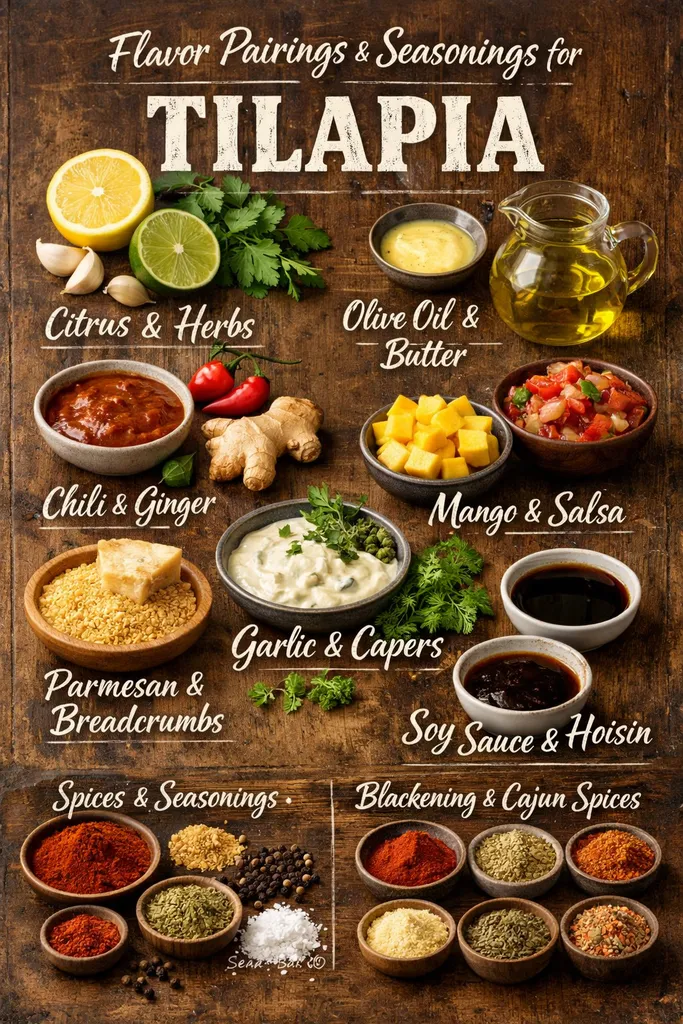
Seasoning is important, but too much will hide the elusive taste of tilapia. Tilapia is mild, so be light-handed with spices. “Use only salt, pepper, lemon juice and herbs like parsley or dill” to complement its natural flavor. Start with a little, and modify as necessary.
If you’re grilling, baking or pan-searing tilapia, ensure that your grill or skillet is properly preheated. If the cooking surface is not sufficiently hot, food can stick or cook unevenly. An extremely hot cooking surface allows for a nice sear while keeping the fish tender on the inside.
Classic Flavor Pairings
- Citrus: Lemon, lime, and orange zest brighten the taste and bring a fresh quality to the fish.
- Garlic: This aromatic ingredient enhances tilapia’s flavor, making it an essential component of many recipes.
- Herbs: Fresh herbs like parsley, cilantro, and dill add depth and complexity.
- Butter: Rich and creamy, butter makes a delightful base for cooking tilapia.
Spice Combinations
When it comes to spices, tilapia can easily take on bold flavors. Here are some excellent spice combinations to consider:
- Southwest Spices: Use a blend of chili powder, cumin, and paprika for a smoky flavor.
- Cajun Seasoning: Try this robust mix of spices for a more zestful kick.
- Italian Seasoning: A combination of basil, oregano, and thyme transports your taste buds to the Mediterranean.
- Ginger and Soy Sauce: Perfect for an Asian-inspired preparation, these two ingredients work harmoniously with tilapia.
Marinades for Extra Flavor
Marinades are one of the best ways to infuse tilapia with flavor. Here are a few delicious marinade ideas to try:
| Marinade | Ingredients | Marinating Time |
|---|---|---|
| Lemon Herb | Juice of 1 lemon, 2 tbsp olive oil, chopped parsley, and minced garlic | 30 minutes |
| Spicy Asian | 3 tbsp soy sauce, 1 tbsp sesame oil, 1 tsp grated ginger, and crushed red pepper | 1 hour |
| Cajun Kick | 2 tbsp olive oil, 1 tbsp cajun seasoning, and a splash of hot sauce | 1 hour |
Delicious Side Pairings
When serving tilapia, it’s equally important to think about the side dishes that can enhance the overall meal. Consider these tasty options:
- Steamed vegetables such as asparagus or broccoli add a fresh note.
- Couscous or quinoa are excellent carbs that soak up extra flavors.
- Rice, especially jasmine or basmati, is a classic pairing.
- A crisp salad with citrus dressing can provide a refreshing contrast.
Sauces to Enhance Flavor
Adding a sauce can elevate your tilapia to a whole new level. Here are some sauces to consider:
- Lemon Butter Sauce: Simply melt butter and mix it with fresh lemon juice for a rich topping.
- Chimichurri: This fresh herb sauce combines parsley, garlic, vinegar, and olive oil for a zesty kick.
- Mango Salsa: The sweetness of mango pairs beautifully with tilapia, adding a tropical flair.
Another common mistake to avoid is cooking tilapia at too high or low temperatures. Cook tilapia at a perfect medium to medium-high temperature. Too high a heat can cook the fish too fast, also drying its texture out; too low may not cook it through. Tilapia should be cooked to an internal temperature of 145°F (63°C).
For more culinary inspiration, you can visit AllRecipes or check out Food Network for new recipes and ideas.
Common Mistakes to Avoid When Cooking Tilapia
Tilapia takes well to marinating, but people get lazy about it. Marinades add layers of flavor and keep the fish moist. An uncomplicated marinade might be olive oil blended with lemon juice, garlic and your favorite fresh herbs. The longer the better, but at least 30 minutes for maximum flavor absorption.
Using Frozen Fish Without Thawing
Overcooking tilapia is one of the biggest mistakes. Fish cooks fast, and it’s easy to dry out overcooked fish. Take the tilapia off the heat when it flakes. If you’re in doubt, measure the internal temperature with a meat thermometer; it should be 145 F (63 C).
Overseasoning the Fish
Fresh is key in cooking tilapia. If you’re purchasing fresh fish, make sure it has a clean smell like the ocean, and bright glistening eyes if you purchase whole. Do not use if the fish is strongly odorous or has dull eyes. For packaged tilapia, look at the expiration date and check if the packaging is intact.
Not Preheating Your Cooking Surface
Baking and frying are two common methods for cooking tilapia, but don’t be afraid to try other cooking techniques. You can also steam, poach or even grill them, yielding delicious results and varying the flavors in your dishes. Try these techniques until you find the one you love most.
Cooking at the Wrong Temperature
Tilapia is equally comfortable with a variety of flavors. Straying from the sides can stunt your meal’s potential. Things you could serve with tilapia include roasted vegetables, a fresh salad or grains such as quinoa or rice. A full meal so do the flavor and texture balance on your plate.
Skipping the Marinade
Knowing these common errors will take you to the next level of cooking tilapia. So, get travels on the very own technique and flavors to create amazing tilapia dishes posse for you as well as your loved ones.
Overcooking the Fish
Tilapia is a popular fish to cook, often due to its inexpensive price as well. Whether it is baking, grilling or pan-searing there are no shortage of ways to cook this flaky fish that will satisfy any palate or cooking style. Tilapia is a good source of lean protein that contains several vitamins and minerals.
Not Checking Freshness
The best thing you can do is buy the highest quality tilapia you can find to cook. Choose fresh, responsibly caught fish, which makes both taste and sustainability sense. A good pairing with tilapia can taken your dish to the next level. As we’ve seen, seasoning with herbs, citrus or even a little bit of spice can add to its mild flavor for some nice culinary fireworks.
Relying Solely on Baking or Frying
Keep in mind common cooking pitfalls, like overcooking or under-seasoning, so your tilapia comes out perfectly every time. By dodging these missteps, you can reach that flaky, moist texture that makes tilapia such a crowd-pleaser.
Ignoring Pairing Options
Whether you are new to cooking or have some experience, tilapia is a versatile protein worth adding into your meal rotation. And with attention to detail and good preparation, there’s no reason you can’t make a delicious meal that tastes great and adds some much-needed micros. So go ahead and take the plunge with your tilapia, and you may be rewarded at the dinner table.
By being aware of these common mistakes, you will elevate your tilapia cooking skills. Enjoy experimenting with different techniques and flavors to create delicious tilapia dishes that you and your loved ones will savor.
For more tips on cooking fish, visit Food Network or Allrecipes for tasty recipes and methods to refine your culinary skills.
Conclusion
Making tilapia has can be an easy but rewarding experience. There are so many ways to cook this healthy fish, whether it be baked or grilled or pan seared. Tilapia is a very nutritious fish containing high levels of protein, vitamin B12 as well as selenium.
OK, so the most important thing in cooking tilapia is to buy the best quality there is. When possible, opt for freshly caught and responsibly sourced fish to ensure flavorful sustenance. The right flavor pairings with tilapia can take your dish to new heights. As we’ve found, adding spice with herbs or citrus or even a pinch of spice can elevate its mild flavor profile into something delicious.
Just remember to stay clear of common tilapia cooking blunders like overcooking or under-seasoning, and you’ll have perfect tilapia every time. And by steering clear of these pitfalls, you’ll get that flaky, moist texture that makes tilapia such a crowd-pleaser.
Beginner cook or experienced kitchen hand, tilapia is a versatile option that is worth putting in the meal rotation. So, with enough preparation and attention to detail you can whip up a perfectly wholesome meal that is nutritious, tastes good and would be comforting as hell. So gear up for the flirty journey that cooking tilapia is, you can cherish the scrumptious plate waiting for you at your dinner table.