

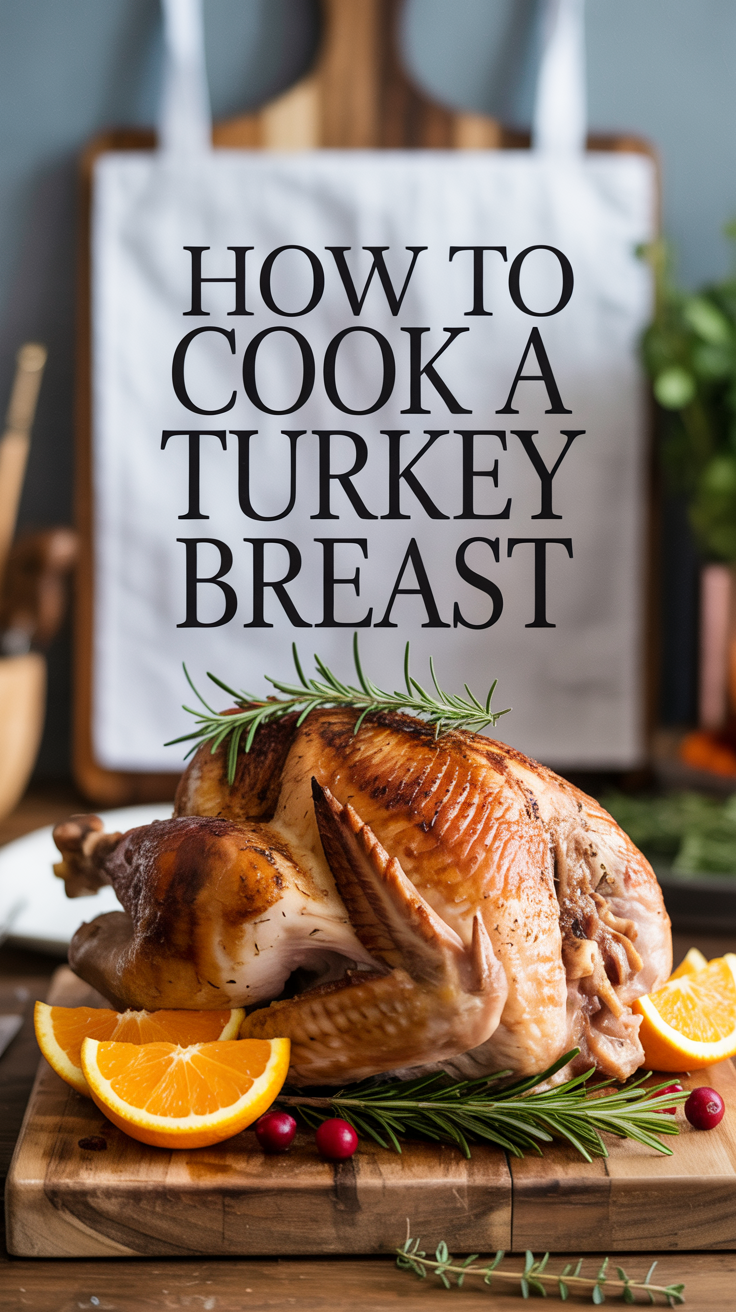

Whether you’re preparing a holiday feast or weeknight dinner, cooking turkey breast is an approach with far less pressure — but can make for effulgent results. Learn how to cook a turkey breast by mastering tips and techniques that build flavor so your meat is perfectly juicy. Let’s explore these valuable insights.
Learning how-to-cook-a-turkey-breast can give you skills that are transferable in many directions. Overall, whether you roast, grill or slow cook, these techniques and tips will help you create a dish that is delightful and unforgettable!
Choosing the Right Turkey Breast
Start by selecting a fresh or frozen turkey breast. Here are a few tips for making the right choice:
- Size Matters: A 5 to 7-pound turkey breast is ideal for most families. Adjust based on the number of servings needed.
- Bone-in vs. Boneless: Bone-in turkey breasts tend to stay juicier during cooking. However, boneless breasts are easier to carve.
- Organic vs. Conventional: Organic turkey might be more expensive but often comes with richer flavor and better health benefits.
Preparation Steps
Once you’ve chosen your turkey breast, follow these preparation steps to set the stage for a successful cooking experience:
- Thawing: If using a frozen turkey breast, thaw it in the refrigerator for about 24 hours for every 4 to 5 pounds.
- Brining: Consider brining your turkey breast in a saltwater solution for at least 4 hours, or overnight. This process enhances the moisture and flavor.
- Seasoning: After brining, pat the turkey dry and rub it with your favorite seasonings. Common options include garlic powder, onion powder, thyme, and black pepper.
Cooking Techniques
There are various methods to cook a turkey breast, each yielding different results. Here are three popular techniques:
Roasting
Roasting is a traditional method that delivers crisp skin and juicy meat. Preheat your oven to 325°F (163°C) and place the turkey breast in a roasting pan. Use these guidelines:
- Cooking time is roughly 20 minutes per pound.
- Use a meat thermometer to check that the internal temperature reaches 165°F (74°C).
- Baste the turkey with its own juices or melted butter every 30 minutes for added moisture.
Grilling
Grilling adds a unique flavor that can make your turkey breast stand out. Here’s how to grill it:
- Preheat your grill to medium heat.
- Place the turkey breast skin-side up on the grill grates.
- Cover the grill and cook until the internal temperature reaches 165°F (74°C), which should take about 1.5 to 2 hours.
Slow Cooking
For a hands-off approach, consider using a slow cooker. This method allows for deep flavors to develop:
- Season the turkey and place it in the slow cooker with some broth.
- Cook on low for 6 to 8 hours or until the meat is tender and easy to shred.
Serving Your Turkey Breast
After cooking, let the turkey breast rest for at least 15 minutes before slicing. This allows the juices to redistribute, resulting in a juicy final product. Here are some serving ideas:
- Serve with classic sides like mashed potatoes and green beans.
- Pair with a cranberry sauce or a homemade gravy for added flavor.
- Consider slicing and adding to a salad for a refreshing meal.
Storage Tips
Proper storage is key to enjoying leftovers. Follow these guidelines:
- Refrigerate leftovers within two hours of cooking.
- Store in an airtight container and consume within 3 to 4 days.
- For longer storage, freeze the turkey slices for up to 4 months.
Mastering how to cook a turkey breast can elevate your culinary skills. Whether you roast, grill, or slow cook, using these techniques and tips will help you achieve a delicious and memorable dish.
For more recipes and cooking tips, visit Food Network and Serious Eats.
Flavorful Marinades and Brines for Turkey Breast
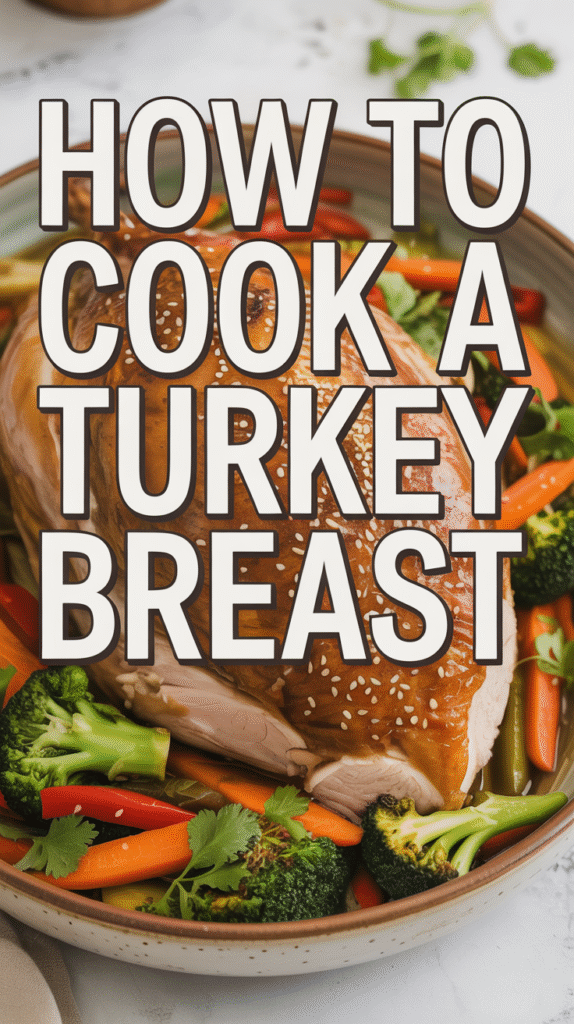
Roasting a turkey breast is an art form, and the right marinade or brine can take a no-fuss dish to new heights of flavor. Whether you’re cooking for a holiday dinner or just a weeknight meal, using some sort of marinade or brine can mean the difference between turkey breast that’s ho-hum and one you’ll remember. Here is a selection of tasty marinades and brines that will give your turkey breast some radiance.
Basic Marinade Ingredients
Before diving into specific recipes, it’s essential to understand what makes a great marinade. Generally, a marinade includes:
- Acid: This can be vinegar, citrus juice, or yogurt. It helps tenderize the meat.
- Oil: Olive oil or another oil keeps the turkey moist and helps the flavors to stick.
- Flavorings: Herbs, spices, garlic, onion, and other seasonings impart flavor.
- Sweetener: Honey, sugar, or maple syrup can add a touch of sweetness.
Flavorful Marinade Recipes
Here are a few marinade recipes to consider for your turkey breast. Each one is designed to infuse incredible flavors while keeping the meat juicy and tender.
1. Herb and Garlic Marinade
This marinade lets the natural flavors of the turkey shine while adding aromatic herbs.
- 1/4 cup olive oil
- 3 cloves garlic, minced
- 2 tablespoons fresh rosemary, chopped
- 2 tablespoons fresh thyme, chopped
- Juice of 1 lemon
- Salt and pepper to taste
Combine all ingredients and marinate the turkey breast for at least 4 hours, or overnight for the best flavor.
2. Sweet and Spicy Marinade
This marinade balances sweetness with a kick that pairs perfectly with turkey.
- 1/3 cup honey
- 1/4 cup soy sauce
- 2 tablespoons Dijon mustard
- 1 teaspoon cayenne pepper (adjust to taste)
- 2 cloves garlic, minced
Mix the ingredients and let the turkey breast soak in the marinade for 2-3 hours.
Brining for Extra Juiciness
Brining is another excellent technique that adds moisture and flavor to your turkey breast. Here’s a popular brine recipe:
Basic Turkey Brine
This classic brine uses simple ingredients to ensure a juicy turkey.
- 1 cup kosher salt
- 1/2 cup brown sugar
- 1 gallon water
- 1 tablespoon peppercorns
- 2-3 bay leaves
To make the brine, mix the salt and sugar in a gallon of water. Stir in the peppercorns and bay leaves, then let cool before submerging the turkey breast in it. Refrigerate to brine for 8-12 hours.
Herb-Infused Brine
This brine adds an incredible depth of flavor with fresh herbs.
- 1/2 cup kosher salt
- 1/4 cup sugar
- 1 gallon water
- 1 tablespoon black peppercorns
- 1/4 cup fresh parsley
- 1/4 cup fresh thyme
- 2-3 cloves garlic, crushed
Combine and cool before brining. Brine the turkey breast for 8-12 hours for maximum flavor.
Tips for Best Results
For optimal flavor infusion when marinating or brining your turkey breast, keep in mind these helpful tips:
- Always marinate or brine in the refrigerator to keep the meat at a safe temperature.
- Use a non-metal container for brining and marinating, as metal can interact with the ingredients.
- Pat the turkey dry with paper towels before cooking to get a better sear.
- Let the turkey rest for a few minutes after cooking for juicier meat.
For in-depth info and recipes, look to sources like Food Network and Serious Eats. Have fun flavoring and cooking your turkey breast, and see how much family friends enjoy every bite!
The Best Cooking Methods for a Juicy Turkey Breast
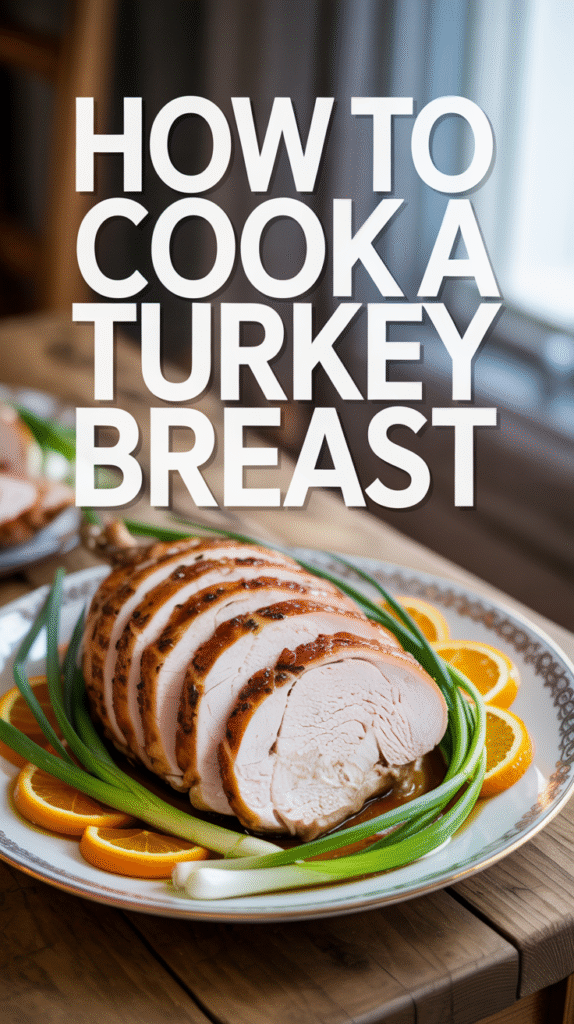
It can be scary cooking a turkey breast, but with the right methods, juicy and flavorful results are not all that difficult to get. Here’s a look at some of the top cooking methods to use if you want to achieve a perfectly cooked turkey breast, each and every time.
Roasting
Roasting is one of the most popular methods for cooking turkey breast. It allows the skin to get crispy while keeping the meat moist. Here’s how to roast a turkey breast:
- Preheat your oven: Set your oven to 325°F (165°C).
- Prepare the turkey breast: Remove any packaging and pat the turkey breast dry with paper towels. This helps the skin crisp up.
- Add seasoning: Season generously with salt, pepper, and your choice of herbs, such as rosemary and thyme. You may also want to rub softened butter or olive oil over the skin for added flavor.
- Roasting: Place the turkey breast in a roasting pan, breast side up. Roast in the preheated oven for about 20 minutes per pound, or until the internal temperature reaches 165°F (74°C).
- Resting: Let the turkey breast rest for at least 15-20 minutes before slicing. This resting period allows the juices to redistribute, keeping the meat juicy.
Grilling
Grilling adds a wonderful smoky flavor and can be a great alternative to traditional oven cooking. To grill a turkey breast:
- Prepare the grill: Preheat your gas or charcoal grill to medium-high heat.
- Brining (optional): Brining your turkey breast beforehand can add moisture. Combine water, salt, sugar, and herbs in a large container, and submerge the turkey for a few hours or overnight.
- Add seasoning: Just like with roasting, season the turkey breast well.
- Place on the grill: Use indirect heat by placing the turkey breast on one side of the grill while keeping the other side heat-free. Close the lid and cook until it reaches the proper internal temperature.
Sous Vide
Sous vide is a method that ensures precise temperature control, resulting in perfectly cooked turkey breast. Here’s how to use sous vide:
- Season the turkey breast: Season as desired, then vacuum seal it in a bag.
- Setup sous vide: Preheat your sous vide water bath to 145°F (63°C).
- Cooking: Submerge the bag in the water bath and cook for about 2-4 hours.
- Finish with searing: After cooking, remove from the bag, pat dry, and quickly sear in a hot pan for a crispy finish.
Slow Cooking
If you prefer a hands-off approach, slow cooking is a wonderfully easy way to prepare a turkey breast:
- Prepare ingredients: Season the turkey breast and place it in the slow cooker with any desired vegetables, stock, or herbs.
- Cook time: Cover and cook on low for 6-8 hours or on high for 4-5 hours, until tender and cooked to the proper temperature.
Tips for Juicy Turkey Breast
- Avoid overcooking, as it leads to dry meat. Always check the internal temperature with a meat thermometer.
- Use a marinade or brine to help retain moisture during cooking.
- Rest the turkey after cooking for optimal juiciness.
For more detailed cooking techniques and recipes, you can visit Food Network or discover helpful resources at Serious Eats.
With these methods, your turkey breast will be succulent and inviting. Cooking can be simple and rewarding, allowing you to create a delicious meal for your family and friends.
Common Mistakes to Avoid When Cooking Turkey Breast
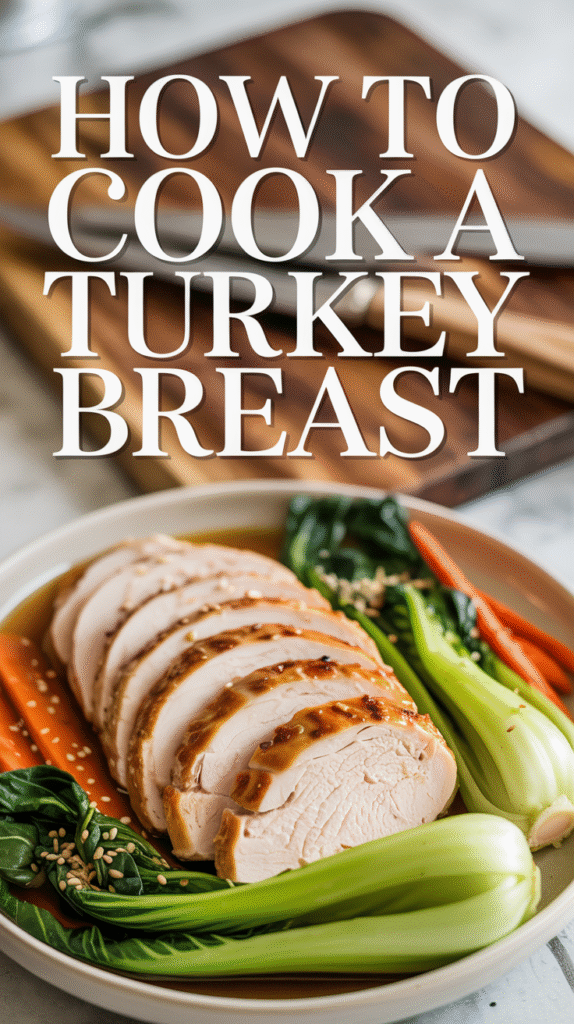
You can wreck the juiciest turkey breast and turn a glorious feast into dried-out disappointment, even when you’re an experienced enough cook to have mastered countless other recipes. Knowing some of the potential pitfalls can help you ensure a juicy, flavorful turkey breast every time. Here are some common pitfalls to avoid.
Not Brining the Turkey Breast
Brining is a key step that a lot of people skip. Brining turkey breast — Soaking the turkey in a water solution with salt will help it to pick up flavor and keep it moist as it cooks. You can make a basic brine with water, salt and herbs and spices of your choice. Try to brine your turkey breast for at least a few hours, though ideally overnight;
Cooking at the Wrong Temperature
Roasting your turkey breast too hot will yield a charred outside and raw inside. On the other hand, cooking it too low would dry you out. You want to be cooking the turkey breast about 325°F (163°C). Use a meat thermometer to make sure the inside temperature reaches 165°F (74°C) for full cooking without drying out.
Ignoring the Importance of Resting
Once your turkey breast has finished cooking, it is important to let it rest for at least 15 to 20 minutes before slicing. This gives the juices a chance to redistribute throughout the meat, so that every bite is juicy and tender. If you cut too soon, it will also lose moisture.
Overcooking the Meat
One of the most common mistakes is overcooking your turkey breast. To avoid this, monitor the cooking time carefully. A good rule of thumb for cooking the turkey breast is 20 minutes per pound. Still, a meat thermometer is the most reliable guide. When it’s reached 165°F, remove from the oven!
Not Using Enough Flavor
Turkey breast is bland if you don’t season it well. Season it generously. You could even try marinating your turkey breast or using a dry rub with herbs and spices, like rosemary, thyme, garlic powder or a squeeze of lemon juice. A world of difference can be made with flavor enhancers.
Skipping the Skin
The skin, or the lack thereof, on a turkey breast is pivotal to delivering moist meat. If you’re preparing a skin-on breast, leave the skin on before cooking. The fat that renders from the skin bastes the meat and seasons it. That crisp skin also makes for a wonderful textural contrast to the tender, juicy meat underneath.
Choosing the Wrong Cooking Method
Cooking methods can produce quite distinctive results. Roasting is the most common, but grilling, smoking and even slow cooking might be considered variations in flavor and texture. Each method calls for careful adjustments of cooking times and temperatures, be prepared for minor variations in results.
Not Using a Meat Thermometer
Attempting to cook your turkey breast by timing alone without the help of a meat thermometer can leave you with undercooked, or overcooked turkey. It is a game changer to invest in good quality meat thermometer. It should ideally be inserted into the thickest part of the breast, avoiding bones, for an accurate reading.
Failing to Carve Properly
How you carve your turkey also has an impact on its texture and juiciness. It’s also best to slice against the grain for tenderness. A sharp knife will ensure cleaner cuts, and you might want to cut it into thicker slabs, so more moisture is retained.
These 5 Mistakes will help you in Cooking a perfectly tasty turkey breast every year. Practice makes perfect, so don’t give up if you make mistakes the first time around. For additional advice when preparing your turkey dinner, you can visit Food Network or Cooking Light.
Use these insights to ensure that your next turkey breast you prepare for friends and family will be a hit!
Serving Suggestions and Pairings for Turkey Breast Dishes
Here is a compilation of various turkey breast serving suggestions and pairings for the best home-cooked turkey breast dishes. Whether you’re making a festive meal or a casual dinner, here’s what to serve with turkey breast to take your dish up a notch. So here are some good ideas to think about.
Side Dishes for Turkey Breast
Turkey breast pairs wonderfully with a variety of side dishes that balance its flavors. Here are some popular options:
- Mashed Potatoes: Creamy mashed potatoes with butter and garlic add a comforting touch to your turkey meal.
- Green Beans: Sautéed or steamed green beans add a pop of color and a crunchy texture.
- Stuffing: A savory stuffing complements the turkey, especially when flavored with herbs.
- Cranberry Sauce: The tartness of cranberry sauce cuts through the richness of the turkey, enhancing its flavors.
- Roasted Vegetables: A mix of seasonal roasted vegetables like carrots, sweet potatoes, and Brussels sprouts adds depth to your plate.
Salads That Complement Turkey Breast
Salads are a fresh and light contrast to turkey breast, providing a crisp texture. Consider these options:
- Simple Greens Salad: A salad made of mixed greens, cherry tomatoes, and a light vinaigrette can serve as a refreshing side.
- Caesar Salad: The creamy Caesar dressing and crunchy croutons make for a delightful pairing.
- Apple and Walnut Salad: Apples add sweetness, while walnuts provide crunch, creating a perfect balance.
Grain-Based Accompaniments
Grains can be a hearty addition to your turkey breast meal. Consider these choices:
- Quinoa: This protein-packed grain can be mixed with veggies to create a colorful salad.
- Rice Pilaf: Fluffy rice pilaf with herbs and spices pairs well with the savory notes of turkey.
- Barley Salad: A barley salad mixed with roasted vegetables or herbs is a nutritious option.
Perfect Sauces and Gravies
The right sauce or gravy can enhance the flavors of your turkey breast significantly. Here are some suggestions:
- Herb Gravy: Made with the drippings from your turkey, this savory sauce brings out the best in your dish.
- Garlic Butter Sauce: A drizzle of garlic butter can infuse flavor and moisture into every bite.
- Cranberry BBQ Sauce: For a twist, try a cranberry-infused barbecue sauce that adds sweetness and tang.
Wine Pairings
Wine can also enhance the dining experience. Here are some ideal options:
| Type of Wine | Flavor Profile |
|---|---|
| Chardonnay | Buttery and oaky, complements the richness of turkey breast. |
| Pinot Noir | Fruit-forward flavors which balance the savory aspects of the dish. |
| Riesling | Offers sweetness that pairs well with turkey’s flavors, especially in sweet sauces. |
Unique Flavor Enhancements
Don’t be afraid to experiment with unique flavors that can bring new life to your turkey breast dish. Some ideas include:
- Chutneys: Mango or peach chutneys add a sweet and spicy kick to the turkey.
- Herbed Cream Cheese: Spread a layer of herbed cream cheese over the turkey for added richness.
- Spicy Mustards: A dollop of spicy mustard brings an unexpected zing.
Selecting the right sides, salads, sauces and wines to pair with your turkey breast can greatly enhance how much you enjoy your meal. To see more recipes and detailed cooking advice, go to Food Network or AllRecipes. These form inspiration and provide your own turkey breast based memorable dining experience.
Conclusion
Whether you’re preparing for a holiday feast or just want to elevate a family dinner, cooking the turkey breast can be a rewarding experience. With the tips and techniques outlined above, your turkey breast will emerge as juicy and flavorful. We all know the right marinade or brine enhances flavor but maintains moisture cooking.
Try roasting or slow cooking, as there are a few different methods to break out the flavor! Steer clear of classic pitfalls, like under-seasoning or failing to rest the meat after cooking, so your dish doesn’t end in disaster.
Daniel Boulud suggests serving the turkey breast alongside autumnal sides that would lend to its luscious flavor. From classics like mashed potatoes to more adventurous selections like cranberry salsa, there are many options to make your meal extraordinary.
Armed with these morsels of knowledge, you’re in good shape to have a turkey breast that makes your family and friends marvel. Whether you’re cooking for one or feeding a whole family, and whether it’s your first attempt at seasoning your food, don’t shy away from great flavors; enjoy mastering the culinary arts! Your next turkey breast dish could end up being your family’s new go-to, one that brings warmth and cheer to the table.