

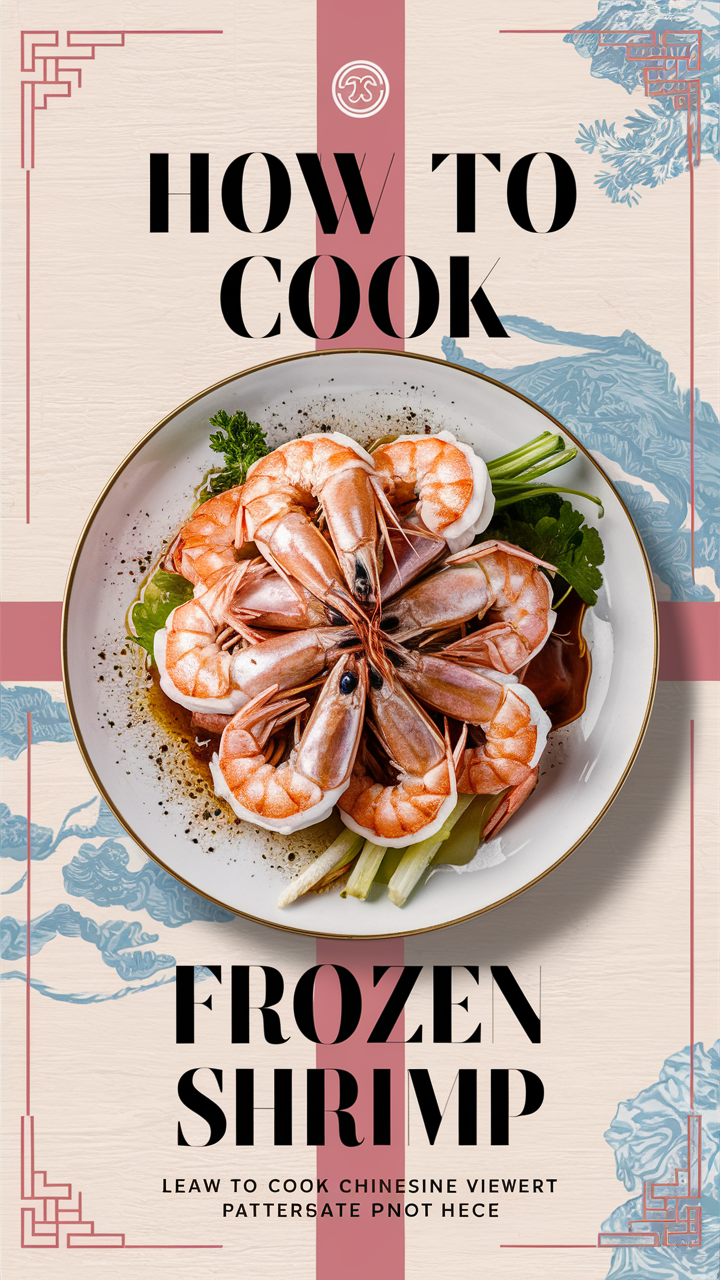
how-to-cook-frozen-shrimp is an instant way to make your meals with extra protein. Using the proper methods, you can have this seafood treat ready in no time. Here’s how to cook frozen shrimp via various methods, but still make sure they’re tender and flavorful.
Understanding Frozen Shrimp
Frozen shrimp is usually cooked beforehand, but it can also come raw. Knowing what kind of shrimp you have will help to steer you in how to prepare it. Shrimp are typically sold in two main categories:
- Raw Shrimp: These require full cooking. They turn bright pink when done.
- Cooked Shrimp: These are already cooked and only need reheating. They warm up quickly.
Thawing Your Frozen Shrimp
Before cooking, it’s best to thaw frozen shrimp to ensure even cooking. Here are two safe ways to thaw them:
- Refrigerator Method: Leave the shrimp in their package in the fridge for 8-12 hours.
- Cold Water Method: Place the shrimp in a sealed bag and submerge it in cold water for about 30 minutes.
Do not thaw shrimp at room temperature, which allows bacteria to grow. If you’re short on time, you can cook shrimp from frozen; just check that they are done to your doneness level — it might take a minute or two longer.
Cooking Methods for Frozen Shrimp
There are several methods to cook frozen shrimp, each creating a unique texture and flavor. Here are some popular techniques:
1. Boiling
Boiling shrimp is simple and quick. Here’s how:
- Fill a large pot with water and add a pinch of salt.
- Bring the water to a rolling boil.
- Add the frozen shrimp and boil for about 2-3 minutes.
- Drain the shrimp and serve hot or chilled.
2. Sautéing
Sautéing gives shrimp a delightful flavor. Here’s a quick guide:
- Heat a tablespoon of olive oil or butter in a pan over medium heat.
- Add thawed or frozen shrimp directly to the pan.
- Season with salt, pepper, garlic, or your favorite spices.
- Sauté for about 3-5 minutes, or until pink and opaque.
3. Grilling
Grilled shrimp packs a tasty punch. It’s ideal for outdoor cooking. Follow these steps:
- Preheat your grill to medium heat.
- Skewer shrimp (if using bamboo skewers, soak them in water first).
- Brush with olive oil and season as desired.
- Grill for approximately 2-3 minutes per side until pink and slightly charred.
4. Baking
Baking is a hands-off method that delivers delicious results. Here’s how to do it:
- Preheat your oven to 400°F (200°C).
- Arrange thawed shrimp on a baking sheet and drizzle with olive oil or melted butter.
- Add seasonings like paprika, garlic, or lemon juice.
- Bake for 10-12 minutes until shrimp is pink and cooked through.
Flavoring Your Cooked Shrimp
Enhancing the flavor of cooked shrimp takes creativity. Consider these delicious ideas:
- Add a squeeze of fresh lemon or lime for brightness.
- Mix in fresh herbs like parsley or cilantro.
- Try a marinade before cooking, such as teriyaki or spicy hot sauce.
- Serve with a dipping sauce, such as garlic butter or cocktail sauce.
Storing Leftover Shrimp
If you have leftovers, store them properly to maintain freshness:
- Place cooled shrimp in an airtight container.
- Store in the refrigerator for up to 3 days.
- You can freeze them if you want them to last longer; they can stay in the freezer for 2-3 months.
Cooking frozen shrimp is the key to making a whole host of delicious seafood dishes. Be it boiling, sautéing, grilling or baking, these fundamental methods will have you chowing down on shrimp in your dishes in no time. For further culinary inspiration and recipes, visit Food Network or Serious Eats.
Best Seasonings and Marinades for Enhancing Frozen Shrimp Flavor
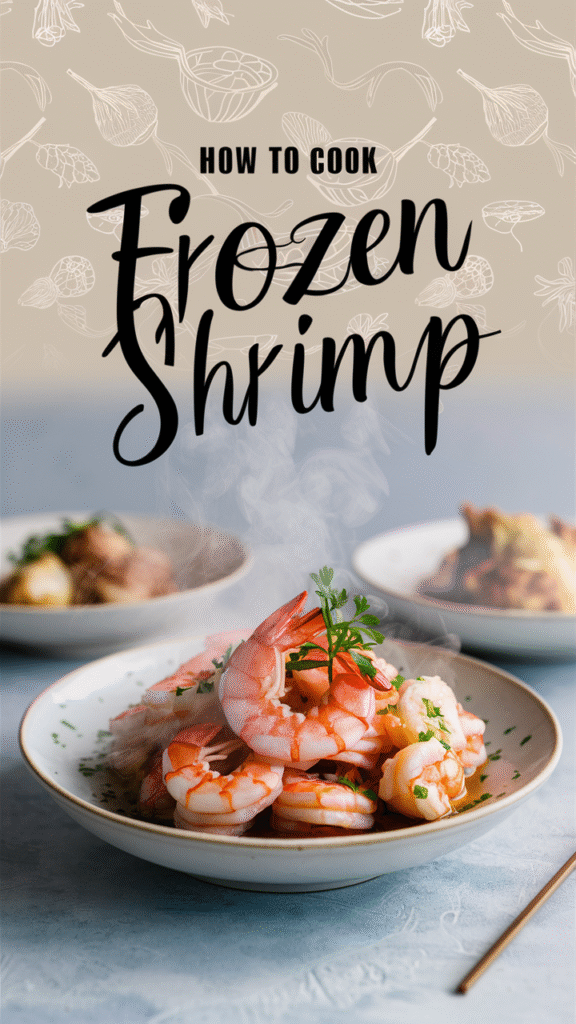
However, if using frozen shrimp, cooking can be an easy and tasty way to eat shellfish. But arguably the single most important ingredient of all in turning your shrimp dish from common to extraordinary is seasonings and marinades. Knowing which flavors can enhance shrimp is the key to taking your meal to new heights. Here are a few of the best seasonings and marinades that pair well with frozen shrimp and make cooking even more fun.
Essential Seasonings for Frozen Shrimp
When using frozen shrimp, selecting the right seasonings can transform a simple dish into something special. Here are some classic choices:
- Garlic Powder: Adds a robust flavor that pairs perfectly with the sweetness of shrimp.
- Cajun Seasoning: Perfect for those who like a little spice, Cajun seasoning provides heat and depth of flavor.
- Lemon Pepper: A bright and zesty blend that enhances the natural flavors of shrimp.
- Old Bay Seasoning: A traditional choice known for its unique mix of spices often used in seafood dishes.
- Chili Flakes: For those who enjoy an extra kick, chili flakes will add some heat and flavor complexity.
Delicious Marinades to Try
Marinating frozen shrimp is another effective way to impart flavor. Here are some delicious marinades to consider:
Citrus Marinade
This bright and refreshing marinade is perfect for summer dishes.
- Juice of 2 limes
- 2 tablespoons of olive oil
- 2 cloves of minced garlic
- 1 teaspoon of cumin
- Salt and pepper to taste
Asian-Inspired Marinade
A savory option that emphasizes deep flavors.
- 1/4 cup of soy sauce
- 1 tablespoon of sesame oil
- 2 teaspoons of grated ginger
- 1 tablespoon of honey
- 1 scallion, sliced
Spicy Chipotle Marinade
If you like it hot, this marinade is the perfect choice.
- 2 tablespoons of adobo sauce from canned chipotle peppers
- 1 tablespoon of lime juice
- 1 tablespoon of olive oil
- 1 teaspoon of garlic powder
How to Use Seasonings and Marinades
Using seasonings and marinades effectively can make a huge difference in your shrimp dishes. Here’s a simple method to follow:
- First, defrost your shrimp if they are still frozen. You can do this by placing them in a colander and running cold water over them for a few minutes.
- Once defrosted, pat them dry with a paper towel. This allows the seasoning or marinade to stick better.
- Choose your seasoning or prepare a marinade of your choice. For marinades, allow shrimp to soak for at least 15 minutes—an hour is even better for more pronounced flavors.
- Cook the shrimp by sautéing, grilling, or baking them. Make sure you cook them until they are pink and opaque, which usually takes about 3-5 minutes.
Serving Suggestions
After seasoning or marinating your shrimp, consider these delightful serving ideas:
- Serve over a bed of rice or quinoa for a hearty meal.
- Add to a fresh salad topped with avocado and citrus vinaigrette.
- Mix into pasta with garlic, olive oil, and fresh herbs.
- Use in tacos with cabbage slaw and a zesty lime sauce.
For recipe ideas and flavor combinations, you can find them on sites like Food Network and Serious Eats, For more details on preparing and cooking shrimp, check out these resources:
Frozen shrimp can be flavored up easily with the right seasonings or marinades. By trying different combinations, you can elevate your dishes, and enjoy shrimp that’s bursting with flavor!
Quick and Easy Recipes Featuring Frozen Shrimp

Shrimp cooking is a breeze and it could be used to make a tasty meal in no time. Whether you are a busy professional or simply someone who likes fast and easy cooking, these recipes mean that you can get the delicious flavor of shrimp without spending hours over the stove. Here are some quick and easy recipes that highlight frozen shrimp as the main attraction.
Garlic Butter Shrimp
This simple yet flavorful dish is perfect for a quick weeknight dinner. All you need are a few ingredients and about 15 minutes!
- 1 pound of frozen shrimp (peeled and deveined)
- 4 tablespoons of butter
- 4 cloves of garlic (minced)
- Salt and pepper to taste
- Fresh parsley (chopped, for garnish)
- Juice from half a lemon
Instructions:
- In a large skillet, melt the butter over medium heat.
- Add the minced garlic and sauté until fragrant, about 1 minute.
- Meanwhile, keep the frozen shrimp under cold water for a few minutes until thawed.
- Add the shrimp to the skillet and cook for 5-7 minutes until they turn pink.
- Season with salt, pepper, and lemon juice. Stir well.
- Garnish with fresh parsley before serving.
Shrimp Tacos
Try these tasty shrimp tacos, which are packed with flavor and can be assembled in under 20 minutes.
- 1 pound of frozen shrimp (peeled and deveined)
- 1 tablespoon of olive oil
- 1 teaspoon of cumin
- 1 teaspoon of paprika
- Salt and pepper to taste
- Taco shells
- Your favorite toppings (lettuce, salsa, avocado, etc.)
Instructions:
- Heat olive oil in a skillet over medium-high heat.
- Season the thawed shrimp with cumin, paprika, salt, and pepper.
- Add shrimp to the skillet and cook for about 4-5 minutes until fully cooked.
- Assemble your tacos by adding shrimp to the taco shells and topping them with your favorites.
Shrimp and Vegetable Stir-Fry
This hearty meal combines shrimp with colorful vegetables, making it both nutritious and satisfying.
- 1 pound of frozen shrimp (peeled and deveined)
- 2 cups of mixed vegetables (bell peppers, broccoli, carrots)
- 2 tablespoons of soy sauce
- 1 tablespoon of sesame oil
- 1 teaspoon of ginger (grated)
- 1 tablespoon of cornstarch mixed with 2 tablespoons of water (for thickening)
Instructions:
- In a large skillet or wok, heat sesame oil over medium-high heat.
- Add mixed vegetables and stir-fry for about 4 minutes until tender-crisp.
- Then, add the thawed shrimp and ginger, cooking until the shrimp turns pink.
- Stir in the soy sauce and the cornstarch mixture, and cook for an additional minute until thickened.
Shrimp Pasta Primavera
This creamy shrimp pasta is a comforting dish that combines freshness and indulgence.
- 8 ounces of pasta (linguine or spaghetti)
- 1 pound of frozen shrimp (peeled and deveined)
- 1 cup of heavy cream
- 2 cups of seasonal vegetables (zucchini, asparagus, peas)
- Parmesan cheese for serving
Instructions:
- Cook pasta according to package instructions and set aside.
- In a skillet, sauté the thawed shrimp until they turn pink, then remove them from the pan.
- Add seasonal vegetables and cook until tender; pour in heavy cream.
- Return shrimp to the skillet, toss with pasta, and serve with Parmesan cheese.
These simple recipes will help transform shrimp to frozen perfection in no time. Each dish balances flavors and textures, making them ideal for family dinners or speedy lunches. For more information on recipes and cooking tips about shrimp, visit Shrimp Crew or Frozen Seafood.
Common Mistakes to Avoid When Cooking Frozen Shrimp
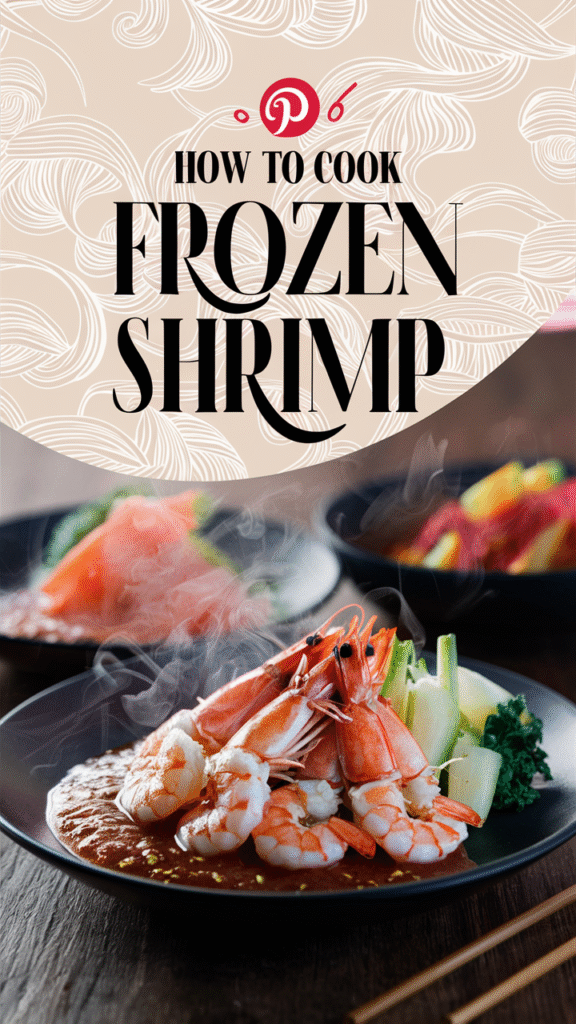
Cooking frozen shrimp can be an enjoyable affair, but it’s a glamorous turn-off when you make the most common mistakes that ruin your precious meal. By steering clear of these potential pitfalls, you’ll guarantee that your shrimp is bursting with flavor, cooked just right and a pleasure to eat. Here are some of the biggest mistakes to avoid when cooking frozen shrimp.
Not Thawing Properly
Many people fall into the trap of cooking shrimp from frozen. Although it is possible to do this, it can cause uneven cooking and a rubbery texture. The safest method to thaw frozen shrimp is overnight in the refrigerator. If you’re short on time, another option is to place the shrimp in a bowl of cold water for 15 to 20 minutes. This method is faster and guarantees even thawing of your shrimp.
Overcooking the Shrimp
One of the biggest no-no’s is overcooking shrimp, as this results in tough — almost rubbery — seafood. Shrimp cooks super fast, usually in 3 to 5 minutes depending on its size. If you see the shrimp has turned pink and opaque, it’s time to remove them from the heat. Monitoring your shrimp closely really helps retain their delicate texture and flavor.
Ignoring the Quality of Ingredients
Poor-quality or old shrimp can destroy a dish. Be sure to purchase quality frozen shrimp. Look for shrimp that is sustainable and without preservatives. Read more about shrimp-types and their quality on Seafood Watch.
Not Seasoning Well
Shrimp have a subtle flavor and need seasoning to make them stand out. A mistake many people make is season too little, or seasoning it too much. And when cooking shrimp, use a balanced combination of salt, spices and fresh herbs. For instance:
- 1 teaspoon of salt
- 1 tablespoon of garlic (minced)
- 1 tablespoon of lemon juice
- A dash of pepper or chili flakes for heat
Mix these ingredients and toss them in a bowl with the shrimp before cooking. This can enhance the flavor, making your dish irresistible.
Cooking at the Wrong Temperature
The temperature at which you cook the shrimp can have a sizeable impact on the results. Most cooks prepare shrimp over quite a high flame, and that can lead to rapid overcooking. Rather, go with a mid level heat so that they can be cooked through evenly. That also aids in developing a nice sear without charring the shrimp. You can operate over low to medium heat when you are sautéing, or prerate a flame held on well when you enfranchise.
Failing to Clean the Shrimp
If you don’t clean shrimp, you could wind up with gritty, unappetizing bites. Editorial Note: You are responsible for following our guidelines on food safety and hygiene. If not, make the added effort of deveining and shelling yourself. You can refer to this video tutorial on how to clean shrimp properly for guidance.
Using Improper Cooking Methods
There are many different ways to cook shrimp, but they don’t all work best with frozen shrimp. Steaming, grilling or sautéing are all good options. Boiling, on the other hand, can make it easier to overcook. Mix and match methods to see what you like best, but keep in mind that combining shrimp with foods that take longer to cook can result in uneven doneness.
Neglecting to Let Shrimp Rest
After your shrimp have finished cooking, fight the temptation to serve them hot. Letting the shrimp rest for a couple minutes will hold onto their juices and keep them tender. But this easy step really improves those final textures.
Steering clear of these common mistakes when cooking frozen shrimp will make your meal go from blah to wow. You’ll discover what works for you as you experiment with different recipes and techniques, so that you can make robust and yummy meals each time. For more in-depth recipes and cooking tips specific to shrimp, visit Food Network.
With these tips and techniques in mind, you’ll feel more confident cooking up frozen shrimp. Use your senses, learn from errors and have fun cooking!
Nutritional Benefits of Including Frozen Shrimp in Your Diet
When it comes to quick, healthful meal options, frozen shrimp can be a standout choice. Another advantage of shrimp is that it is a lean protein, packed with needed vitamins and minerals, which can add to your healthy food options. Let’s look at some reasons to add frozen shrimp into your regular meal planning.
Rich in Protein
Frozen shrimp is a great source of protein and protein is essential for creating as well as rebuilding tissues in your body. A 3-ounce serving of shrimp has about 20 grams of protein. Its high protein content makes it an excellent choice for those who are trying to maintain or build muscle. And because it’s low in fat, it’s a healthy type of protein as well.
Low in Calories
And if you’re watching rigidly what goes into your body, frozen shrimp is the answer. One serving has about 85-90 calories (usually). So, you can have a hearty serving without the guilt. Shrimp is low in calories, making it an easy addition to your diet (whether you follow a low-carb, ketogenic or Mediterranean eating plan).
Packed with Nutrients
Not only is frozen shrimp lower in calories, but it also comes loaded with essential nutrients. Here’s a look at some important ones:
| Nutrient | Amount per 3 oz |
|---|---|
| Selenium | 40% of the Daily Value (DV) |
| Vitamin B12 | 20% of the DV |
| Iron | 10% of the DV |
| Phoenix | 30% of the DV |
Shrimp nutrition supports a myriad of functions in the body, including immune health, energy production and brain health. One such key nutrient is selenium, an antioxidant that combats free radicals and may decrease the risk of chronic disease.
Omega-3 Fatty Acids
He includes frozen shrimp in his diet, which is also a great source of the desirable omega-3 fatty acid. These healthy fats are essential for heart health because they help reduce cholesterol, inflammation and support brain function. Regular consumption of omega-3s will protect you from heart disease and make your cardiovascular health better.
Easy to Prepare
Incorporating frozen shrimp into your diet is also easy and versatile! Shrimp can play nicely in all sorts of cuisines, from stir-fries to pastas. These can be prepared in lots of quick ways, and here are a few simple prep methods:
- Boiling: Bring water to a boil, add shrimp for 2-3 minutes until they turn pink.
- Sautéing: Heat olive oil in a pan, cook shrimp for 4-5 minutes with garlic and spices.
- Grilling: Marinate shrimp and grill for a delicious smoky flavor in just 4-6 minutes.
These fast techniques help busy people or families throw together a healthy meal in no time. You can also have frozen shrimp on hand for impromptu dinners without derailing your health goals.
Supports Healthy Weight Management
Shrimp(21) Frozen shrimp is a food that can help you manage your desired weight. The elevated protein level can help keep your hunger at bay longer. This decrease in hunger can actually help curb unhealthy snacking habits throughout the day. With shrimp as part of your healthy daily meals, you plan a diet that is nutrient-dense while remaining compatible with safe weight loss.
A Delicious Option for Diverse Diets
A meat-lover, vegetarian, or pescatarian can enjoy frozen shrimp as it adjusts perfectly to culinary preferences. You can also use it to prepare delicious dishes that suit any taste or dietary requirement: Shrimp can be taken gourmet by experimenting with different flavors and herbs to make it healthy food, but also fun eating.
Frozen shrimp becomes one foods a potential health and versatility. Whether it’s the protein content to other essential nutrients, purchasing frozen shrimp can be a great option for those wanting to maintain a healthy diet. Eat Right has great information to learn more!
Conclusion
Cooking frozen shrimp is a delicious and easy way to deliver the taste of the sea straight to your home kitchen. With the right techniques and tips that have been shared here, cooking shrimp straight from frozen is an easy way to create delicious meals you, your family will also enjoy. Experimenting with different seasonings and marinades can elevate the shrimp’s natural flavor, making each bite burst with taste.
The quick and easy recipes featured are a bounty of ideas for when you’re busy weeknights or last minute get-togethers. Whether you decide to stir-fry it, toss it together with pasta for a cozy dish or pile it all into a salad with shrimp, you can have a gourmet meal on the table in no time.
Steering clear of common mistakes, like overcooking or forgetting to thaw your shrimp properly, makes for a tender and satisfying bite. Reminding yourself of these errors can go a long way toward improving how your food turns out.
Aside from the great flavor, frozen shrimp also packs a nutritional punch. Rich in protein, omega-3 fatty acids and important vitamins and minerals, shrimp may provide a healthy option that fits into a balanced diet.
Armed with all of this knowledge about how to cook frozen shrimp, you can now advance your skills in the kitchen without worry — and impress yourself and guests alike. So, if you haven’t already, go out and buy some frozen shrimp and enjoy all that it has to offer. So give it a try today, and you’ll soon understand why shrimp is such a beloved ingredient in kitchens around the globe.