

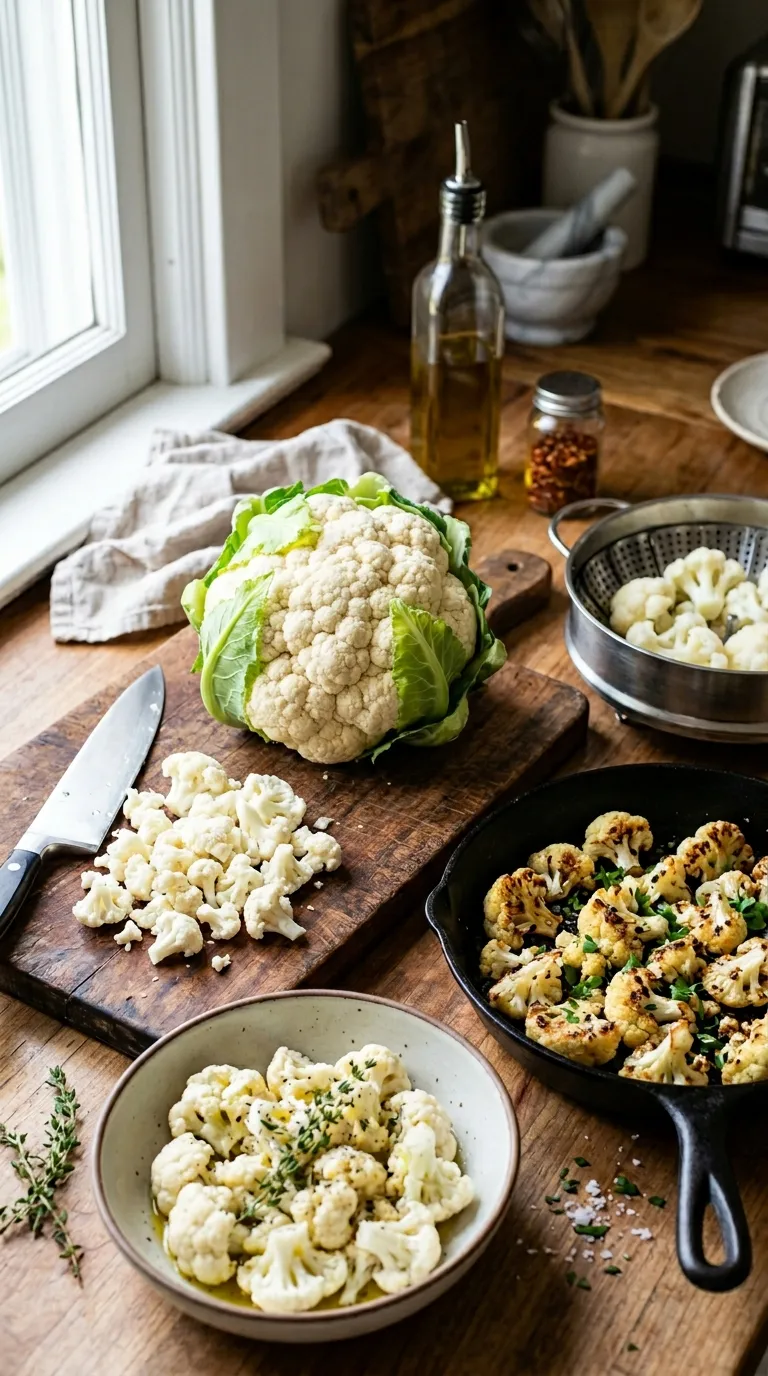

So this is one of my solution out there for you all → Cauliflower. how-to-cook-cauliflower cook a cauliflower, whether you’d like to roast it, steam or mash it that will all bring out its unique flavor. In this guide, you will learn some popular techniques and helpful tips on how to cook crunchy cauliflower recipes that can be savored.
Choosing the Right Cauliflower
Start by selecting high-quality cauliflower. Choose one with a firm, compact head and bright white florets. Steer clear of brown spots or wilting. Even so, freshness is crucial to getting the best flavor and texture.
Preparing Cauliflower
Before cooking, you’ll need to prepare your cauliflower properly. Follow these steps:
- Wash the cauliflower thoroughly under cold running water to remove any dirt or bacteria.
- Remove the leaves and stem using a sharp knife.
- Cut the cauliflower into florets, ensuring they are roughly the same size for even cooking.
Cooking Methods for Cauliflower
Roasting
Roasting cauliflower is an excellent way to enhance its natural flavors. Follow these simple steps:
- Preheat your oven to 425°F (220°C).
- Toss the cauliflower florets with olive oil, salt, and pepper in a large bowl.
- Spread them out in a single layer on a baking sheet.
- Roast for 25 to 30 minutes, turning halfway through, until golden brown and tender.
For added flavor, you can sprinkle garlic powder, paprika, or parmesan cheese before roasting.
Steaming
Steaming is another healthy cooking method that preserves nutrients in cauliflower. Here’s how to do it:
- In a pot, add a couple of inches of water and bring it to a boil.
- Place the cauliflower florets in a steaming basket above the boiling water.
- Cover and steam for about 5 to 7 minutes, or until tender.
Steamed cauliflower can be a perfect side dish or a base for salads.
Mashing
If you’re looking for a low-carb alternative to mashed potatoes, cauliflower mash is the way to go. Follow these steps:
- Boil cauliflower florets in salted water for about 15 minutes until fork-tender.
- Drain and transfer to a food processor.
- Add butter, cream, salt, and pepper, then blend until smooth.
Cauliflower mash is creamy and delicious, and you can customize it by adding herbs or roasted garlic for additional flavor.
Stir-Frying
Stir-frying cauliflower allows for quick cooking while keeping its crunch. Here’s how to do it:
- Heat a wok or large skillet over medium-high heat and add oil.
- Add cauliflower florets and stir-fry for about 5-7 minutes.
- You can mix in other vegetables like bell peppers or snap peas for a colorful and healthy dish.
Season with soy sauce or sesame oil for extra taste. Serve it over rice or noodles for a balanced meal.
Useful Tips for Cooking Cauliflower
- To enhance the flavor, try seasoning your cauliflower with various spices like cumin, curry powder, or Italian herbs.
- If you want a quick cooking technique, consider blanching before the main cooking method. Blanching helps retain color and texture.
- For a unique presentation, try grilling cauliflower steaks. Just slice the head into thick pieces and grill until charred.
And cauliflower can be enjoyed as soup, salad and lots of other dishes. It’s also a good option for low-carb diets, serving as a healthy substitute for grains and starches. For ideas and interesting recipes, check out Food Network or Cooking Light.
When you experiment with various cooking methods, you can bring out exciting flavors of cauliflower that will make your dishes delicious and nutritious. And with these techniques and tips, you will be able to confidently cook cauliflower to your preference, so it suits your taste.
Flavor Pairings That Enhance Cauliflower Dishes

Cauliflower is a juicy, absorbent vegetable that accommodates many flavors, which has made it popular with cooks and home chefs. When it comes to delivering delicious cauliflower creations, it’s key to know what flavors buddy up nicely. We have the perfect combinations that will take your meals to a whole new level.
Herbs and Spices
Using fresh herbs and spices can dramatically enhance the taste of cauliflower. Here are some great options:
- Garlic: Roasted, sautéed, or minced, garlic adds a rich flavor that complements the mildness of cauliflower.
- Turmeric: This spice not only gives a beautiful yellow hue but also brings a warm, earthy flavor.
- Cumin: Its warm and nutty taste pairs well with roasted cauliflower.
- Additions of Fresh Herbs: Think of basil, parsley, or cilantro for an herbaceous lift.
Cheeses
Cheese can add creaminess and a savory kick to your cauliflower dishes. Consider these pairings:
- Parmesan: Grated or melted, it provides a salty depth.
- Feta: Crumbled on top, feta adds a tangy flavor that contrasts beautifully with roasted cauliflower.
- Cheddar: A sharp cheddar can elevate cauliflower in mashed or baked forms.
Citrus Fruits
Citrus fruits can brighten your cauliflower dishes, adding acidity and a refreshing note. Try these:
- Lemon: A squeeze of fresh lemon juice or zest enhances flavor and adds brightness to steamed cauliflower.
- Orange: A bit of orange zest can complement roasted cauliflower nicely.
Other Vegetables
Combining cauliflower with other vegetables makes for a robust dish. Here are some great vegetable partners:
- Broccoli: Both vegetables cook well together and share a nice flavor profile.
- Carrots: Their sweetness balances the earthiness of cauliflower.
- Bell Peppers: Adding vibrant colors and sweetness gives a lovely contrast.
Fats and Oils
The right fats can enhance the texture of cauliflower dishes as well. Consider these:
- Olive Oil: Drizzling with high-quality olive oil promotes richness and depth of flavor.
- Butter: Adding butter to mashed cauliflower can create a creamy, rich alternative to traditional mashed potatoes.
- Coconut Oil: This oil gives a subtle sweetness, particularly well-suited for curry-flavored dishes.
Flavorful Sauces
Sauces can be game-changers when it comes to cauliflower dishes. Here are some to consider:
- Chili Sauce: Adds heat and excitement, especially for roasted or fried cauliflower.
- Ranch Dressing: For a creamy dip that turns cauliflower bites into a mouth-watering treat.
- Pesto: Combines herbs, nuts, cheese, and oil for a creamy finish.
Sweet Elements
Don’t shy away from adding a hint of sweetness to your cauliflower. Here are ideas to consider:
- Maple Syrup: A drizzle can caramelize roasted cauliflower beautifully.
- Honey: Used sparingly, honey can enhance roasted dishes, especially when paired with spicy components.
Experimenting with different flavor pairings will lead you to discover your favorite cauliflower combinations. Here are some helpful resources to explore cauliflower recipes further:
With some strategic bold flavors, you can turn unassuming cauliflower into something that delivers punch on any dinner plate. Have fun trying these combinations and finding your new favorites!
Nutritional Benefits of Including Cauliflower in Your Diet

Cauliflower, a cruciferous vegetable related to broccoli and kale, is one of the most versatile vegetables in the world. It is rich in nutrients and can be added to your diet quite a bit. Here are some of the main nutritional benefits of adding this powerhouse vegetable to your meals.
Low in Calories but High in Nutrients
Perhaps the most attractive thing about cauliflower is how few calories it has. Great if you want to still manage the waist but don’t want to skimp on flavor or goodness. A one-cup serving of raw cauliflower provides roughly 25 calories — a great addition to many dishes.
- Calories: 25
- Protein: 2 grams
- Carbohydrates: 5 grams
- Fiber: 2 grams
- Fat: 0 grams
Packed with Vitamins and Minerals
Cauliflower is loaded with essential vitamins and minerals that your body needs to function optimally. Some of these include:
- Vitamin C: A vital antioxidant that supports the immune system and skin health.
- Vitamin K: Important for bone health and helps in blood clotting.
- Folate: Essential for DNA synthesis and repair, making it particularly important for pregnant women.
- Vitamin B6: Involved in brain health and the production of neurotransmitters.
Rich in Antioxidants
Essentially, eating cauliflower can raise your antioxidant level. Antioxidants are substances that fight the free radicals within your body, reducing oxidative stress which can lead to chronic diseases. Sulforaphanes in cauliflower have been studied for their anti-cancer effects. Eating cauliflower will help you declutter your immune system
High in Fiber
Fiber is an essential component of a healthy digestive system, and cauliflower is an excellent source. One serving offers 2 grams of dietary fiber, which helps with digestion and can help prevent constipation. Changing to a high-fiber diet can also keep you feeling full, helping with weight control.
Supports Heart Health
It is good for heart: Cabbage can help to strengthen the heartbeat. The vegetable has low levels of both cholesterol and saturated fats, making it friendlier to the heart. Additionally, cauliflower is high in fiber and antioxidants which can help reduce inflammation, stabilize blood pressure levels, and maintain a healthy cholesterol level.
Versatile for Various Diets
Whether you’re vegetarian, vegan, or following a low-carb diet, cauliflower fits seamlessly into any meal plan. Its mild flavor allows it to absorb sWhether you’re vegetarian, vegan or on a low-carb diet, cauliflower is an easy fit in just about every meal plan. Its mild flavor soaks up spices and seasonings, making it a good base for many dishes. You may enjoy it in various forms:pices and seasonings well, making it a great base for many dishes. You can enjoy it in different forms:
- Raw: As a fresh snack or in salads.
- Steamed: To retain most nutrients and flavors.
- Roasted: For a smoky flavor with added textures.
- Pureed: As a lower-carb alternative to mashed potatoes.
Potential Health Benefits
Consuming cauliflower regularly may offer a range of health benefits, including:
- Reducing the risk of chronic diseases like heart disease and diabetes.
- Supporting weight loss efforts due to its low calorie and high fiber content.
- Enhancing skin health due to high levels of vitamins and antioxidants.
- Boosting metabolism through rich vitamin B content.
Cooking Methods to Retain Nutrients
To get the most out of cauliflower’s nutritional profile, focus on cooking methods that preserve its vitamins and minerals. Here are some of the best ways:
| Cooking Method | Nutrient Preservation |
|---|---|
| Steaming | Retains most nutrients and enhances flavor. |
| Roasting | Brings out natural sweetness while keeping nutrients intact. |
| Stir-frying | Packs flavor while minimizing nutrient loss. |
For more information on incorporating cauliflower into your meals, visit Healthline or WebMD. Both provide comprehensive insights into this nutritious vegetable.
Which means if you are eating cauliflower in your plate, it can make a huge change to your diet. With its incredible health benefits, you’re doing body a favor every time you add this amazing vegetable to your meals. Eating cauliflower is an easy switch you can make to improve your diet. With so many health benefits, you are helping your body every time you add this great vegetable to your meal.
Creative Cauliflower Recipes for Every Meal
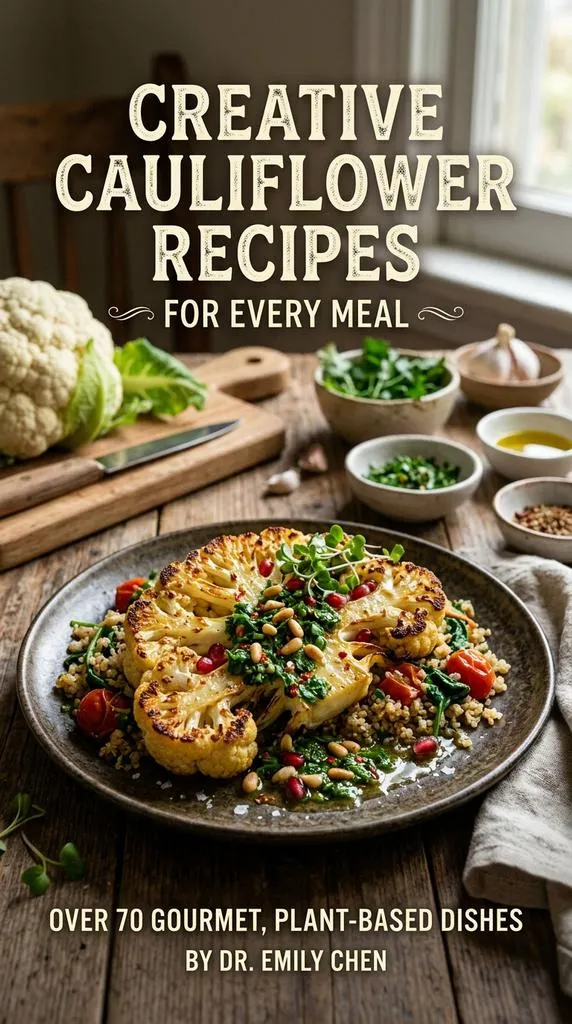
Cauliflower has a special spot in the vegetable pantheon — it’s versatile, and can become an appealing dish for any meal of the day. Cauliflower’s got you covered, whether you’re trolling for breakfast ideas, lunch inspirations or downright tasty dinner options. Here are some of the best creative recipes that will get you cooking cauliflower in other exciting ways.
Breakfast Delights
Start your day right with these flavorful cauliflower breakfast dishes:
- Cauliflower Hash Browns: Grate cauliflower and mix it with eggs, breadcrumbs, and seasonings. Form them into patties and sauté until golden brown. Enjoy them with your favorite dipping sauce.
- Cauliflower Smoothie: Blend steamed cauliflower with bananas, spinach, almond milk, and a scoop of peanut butter for a healthy breakfast smoothie that packs a nutrient punch.
- Cauliflower Omelet: Add finely chopped cauliflower to your egg mixture along with cheese and vegetables. Cook in a skillet for a fluffy, filling omelet.
Lunch Innovations
For lunch, elevate your meal with these satisfying cauliflower options:
- Cauliflower Rice Bowl: Pulse cauliflower florets in a food processor until they resemble rice grains. Sauté with vegetables, beans, and your choice of protein (like chicken or tofu) for a hearty bowl.
- Cauliflower Tacos: Roast cauliflower with cumin and chili powder, then stuff it in corn tortillas with avocado, salsa, and lettuce for a healthy twist on tacos.
- Cauliflower Salad: Toss roasted cauliflower with chickpeas, cherry tomatoes, cucumber, and a lemon-tahini dressing for a refreshing salad.
Dinner Creations
End your day with these scrumptious cauliflower dinner recipes:
- Buffalo Cauliflower Bites: Cauliflower florets are battered, baked, and coated in buffalo sauce. Serve with ranch or blue cheese dipping sauce for a spicy kick.
- Cauliflower Steaks: Slice a whole cauliflower into thick “steaks.” Season with olive oil, salt, and pepper, then grill or roast until tender. Serve as a side or main dish topped with chimichurri.
- Cauliflower Curry: Sauté onions, garlic, and ginger, then add chopped cauliflower and coconut milk. Simmer with curry spices for a warm, comforting dish served over rice.
Snack Time!
Who says healthy snacks can’t be delicious? Here are some cauliflower-based snacks:
- Cauliflower Popcorn: Toss small cauliflower florets with olive oil and your favorite seasonings, then roast until crispy. A great alternative to popcorn!
- Cauliflower Hummus: Blend steamed cauliflower with tahini, garlic, and lemon juice for a creamy dip that pairs perfectly with vegetables or pita chips.
- Cauliflower Pizza Crust: Mix grated cauliflower with cheese and eggs, and press it into a crust shape. Bake it, then top with your favorite pizza toppings.
Storage Tips
To enjoy your cauliflower dishes longer, here are some storage tips:
| Storage Method | Duration |
|---|---|
| Unwashed Florets | 5-7 days in refrigerator |
| Cooked Cauliflower | 3-5 days in refrigerator |
| Frozen Cauliflower | Up to 1 year in freezer |
They replace an ingredient with something healthier that adds its own flavor, and they use cauliflower. Its mild taste means it can soak up a wide range of spices and seasonings, making it versatile across cooking traditions.
For further inspiration about ways to prepare cauliflower, have a look at Love & Lemons and Food Network. Dig into these recipes and you might discover that your new favorite dish contains this rather ordinary but indeed magical vegetable.
So, get creative in the kitchen and enjoy cooking cauliflower like never before!
Common Mistakes to Avoid When Cooking Cauliflower
The cooking method for cauliflower can be straightforward, and there are plenty of delicious ways to prepare this versatile veg, but many chefs commit simple bloomers that prevent the best flavour and texture from developing. And whether you’re roasting it, steaming it or ricing it, avoiding these mistakes and pitfalls will help you enjoy the best cauliflower dishes possible.
Overcooking the Cauliflower
And one of the most common blunders when it comes to cooking cauliflower is overcooking it. Cauliflower fades in color and mushifies when overcooked. To prevent that from happening, keep track of the cooking time. Here are some guidelines:
- Steaming: Steam cauliflower florets for about 5-7 minutes until they are tender but still crisp.
- Boiling: If boiling, do not exceed 4-5 minutes.
- Roasting: Roast in the oven at 400°F (200°C) for around 20-25 minutes, turning halfway for even browning.
Neglecting to Season
Many cooks forget to season cauliflower adequately, which can result in bland dishes. Cauliflower has a mild flavor that benefits from bold seasoning. Consider using:
- Salt and pepper for basic seasoning
- Garlic powder or fresh minced garlic for added depth
- Cumin or curry powder for an exotic twist
- Cheese, such as Parmesan or cheddar, for a rich finish
Not Preparing the Cauliflower Properly
Getting cauliflower into the right shape is half the battle. Always rinse it well — dirt and insects like to hitch a ride, so be sure to wash them away — and make sure you cut the florets uniformly so they cook evenly. Here’s a short guide on cutting:
- Remove the leaves and stem from the cauliflower.
- Cut the head into quarters.
- Slice each quarter into uniformly-sized florets.
Ignoring Cooking Methods
Le défilement vers le bas Créer un groupe de travail du doigt Les méthodes de cuisson différentes peuvent donner des textures et des saveurs différentes. Many of us fall back on boiling or steaming, which can produce bland results. Put these preparations methods to the test:
- Roasting: Caramelizes the natural sugars, enhancing flavor dramatically.
- Grilling: Adds a smoky flavor, especially when brushed with olive oil.
- Ricing: Grate raw cauliflower to make a healthy alternative to rice—great in stir-fries or bowls.
Using Incorrect Equipment
The right cooking equipment matters. If, say, you are roasting cauliflower, proper spacing on a sheet pan induces the florets to crisp instead of steam. Here are a few helpful kitchen utensils:
- Baking sheets for roasting
- Steamer baskets for steaming
- Food processors for making cauliflower rice
Not Tasting While Cooking
Skipping the tasting process while cooking can lead to unbalanced flavors. It’s essential to check the seasoning and adjust as needed. Here’s how:
- After cooking, taste your cauliflower.
- Add more seasoning if necessary, such as salt or spices.
- Blend flavors by adding sauces or toppings just before serving.
Not Allowing for Rest Time
If you’re roasting cauliflower, resting it for a few minutes after cooking can bring out its flavor. This short break gives the aromas a chance to settle and the flavors to deepen. Here’s a simple resting tip:
- Remove the cauliflower from heat.
- Let it rest for 5 minutes before serving.
Avoiding these common missteps when you cook cauliflower will help create dishes that are truly tasty and satisfying! Not just does this vegetable provide variety and nutrition in your meal, but with proper techniques it can really shine on your plate.
For more details on cooking cauliflower, and for some recipes that will give you a good idea of what the ingredient can do, head to Serious Eats or Eating Well. These websites can help you further your cooking expertise!
Conclusion
Embracing cauliflower as a staple in your kitchen opens the door to countless culinary possibilities. By mastering various cooking techniques—from steaming and roasting to ricing and mashing—you can enjoy this versatile vegetable in numerous forms. Pairing cauliflower with complementary flavors like garlic, cheese, and herbs can elevate your dishes, making them more exciting and satisfying.
Incorporating cauliflower into your diet not only adds delicious variety but also offers important health benefits. Packed with vitamins, antioxidants, and fiber, this nutrient-dense veggie supports overall health, aids in digestion, and encourages proper weight management. Whether you’re looking for a filling meal or a lighter snack, there is surely a unique cauliflower recipe that fits the occasion: creamy cauliflower soup, spicy cauliflower tacos or crunchy cauliflower bites.
However, you need to be careful with common misconceptions that can derail your efforts. Overcooking such a delicate vegetable can ruin its texture and flavor, and when proper seasoning is neglected, your dishes can be bland. And with this knowledge and these tips, you will master to love cauliflower!
Again, the experience of cooking cauliflower ultimately lies behind the finished meal. So, whether you’re a pro in the kitchen or just getting started on your culinary journey, incorporate this ingredient into any meal and get ready to be surprised at how amazing it tastes and how good it is for you. So think outside the box and try something new with cauliflower, you just might discover your newest favorite prepared dish!