

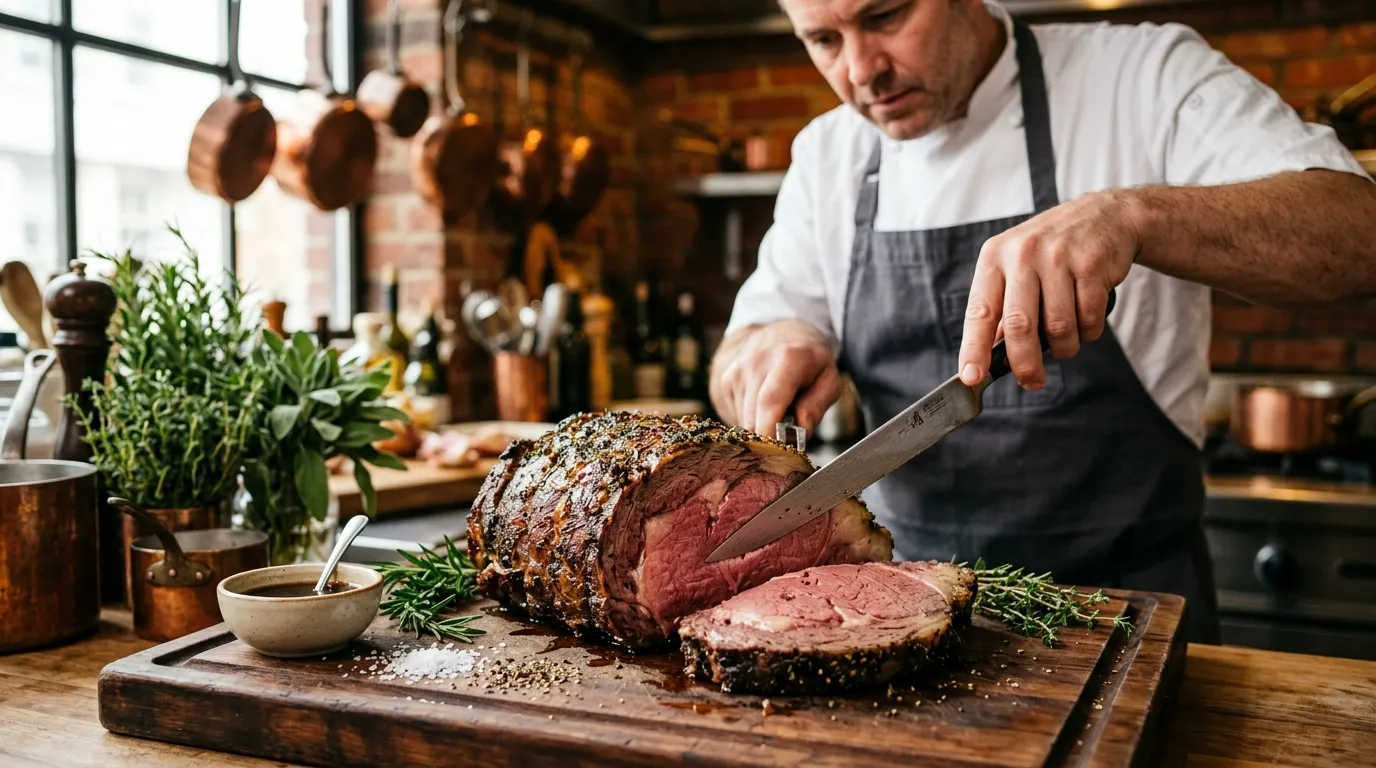
Making prime rib can turn any dinner into a feast. Not only is this cut of meat flavorful, if prepared properly it’s really tender. It just takes a few techniques and tips, and you’ll have prime rib success baked in every time. Here are a few tried-and-true techniques to get you through the cooking process.
- Why Selecting the Right Cut Matters
- When you decide to roast up some prime rib, the cut is key. The two main choices are:
- Prime Grade: The most flavorful and tender, but costly.
- Choice Grade: Slightly less marbled but still packs a delicious punch at lower price.
When buying, select a piece with marbling — that is what makes it juicy and flavorful. Prime rib usually weighs in around 2 to 7 pounds, but a shared roast for a bigger gathering should weigh between 4 and 6 pounds.
Seasoning Your Prime Rib
| Seasoning Ingredient | How to Use | Purpose / Flavor |
|---|---|---|
| Salt (Coarse Salt) | Apply a generous coat over the meat | Adds deep flavor to the meat |
| Black Pepper | Sprinkle ground black pepper lightly | Gives a mild bite and enhances taste |
| Herbs (Rosemary, Thyme) | Add on top of the meat or around it | Provides a pleasant aromatic flavor |
| Garlic | Add crushed garlic cloves | Brightens and enriches the meat’s flavor |
Important Tip
| Topic | Instruction |
|---|---|
| Salting Time | Salt the prime rib at least 24 hours in advance |
| Reason | This allows the salt to penetrate deep into the meat for better flavor |
Cooking Techniques
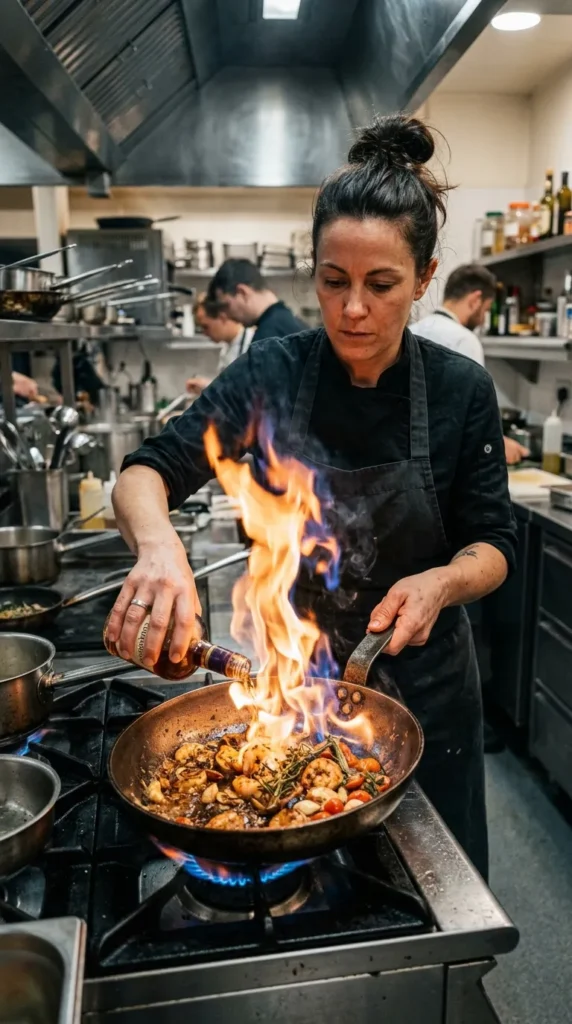
There are many ways to cook prime rib, but slow-roasting is a popular method that helps generate tenderness. Here’s how to do it:
Preheat your oven to low, around 225°F (110°C).
Put the seasoned prime rib in a roasting pan with the fatty side up.
Roast for a few hours, depending on how heavy your meat is. A good guideline is approximately 30 minutes per pound — for medium-rare.
Check for doneness with a meat thermometer. Target 130°F (54°C) for medium-rare.
Once your prime rib has hit the doneness you’re looking for, you can pull it out and let it rest for at least 30 minutes before carving. Letting is rest redistributes the juices so every bite will be juicy and flavorful!
High-Heat Method
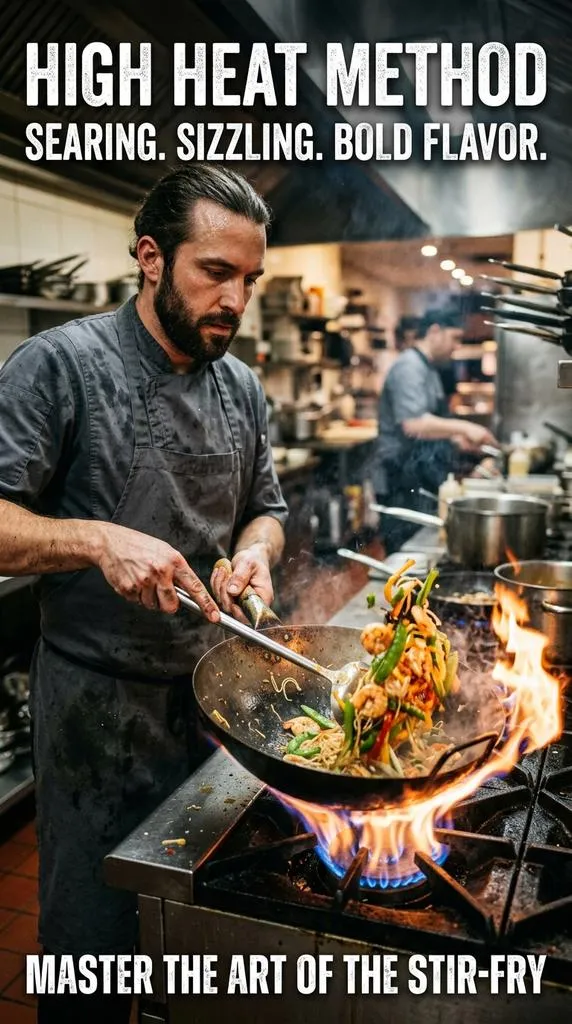
A few effective methods include the high-heat technique, which works for people who want to shorten up cooking time:
Preheat the oven to 450°F (232°C).
Roast the prime rib for 20 minutes, then drop the temperature to 325 degrees F (163 degrees C) until it registers 130 degrees F (54 degrees C) internal temp for medium-rare.
This technique gives you a gorgeous crust on the outside, sealing in juices and flavor. Make sure to keep a close watch on temperature as it cooks faster than you think.
Slicing Your Prime Rib
Once you get around to carving your prime rib, cutting it properly makes for a pleasant eating experience. Here are steps to follow:
- Use a sharp carving knife to make clean cuts.
- Slice across the grain for maximum tenderness.
- Slice thick or thin as desired, but typically about 1/2-inch thick for a hearty serving.
- Serving Suggestions
Treat your perfectly cooked prime rib to tasty sides for a full meal. Some classic side dishes include:
- Yorkshire pudding
- Roasted vegetables
- Mashed potatoes
You can serve it with a savory au jus or horseradish sauce to balance the richness of the meat.
Knowing how to cook prime rib is a home-cooking game changer. With the right cut, seasoning, and cooking methods—wait until you see how easy it can be!—you’ll be well on your way to serving up a delicious and memorable prime rib. Find prime rib recipes and cooking advice at Serious Eats or Food Network.
Different Types of Prime Rib Grades: How To Select The Right Cut
Cooking Prime Rib
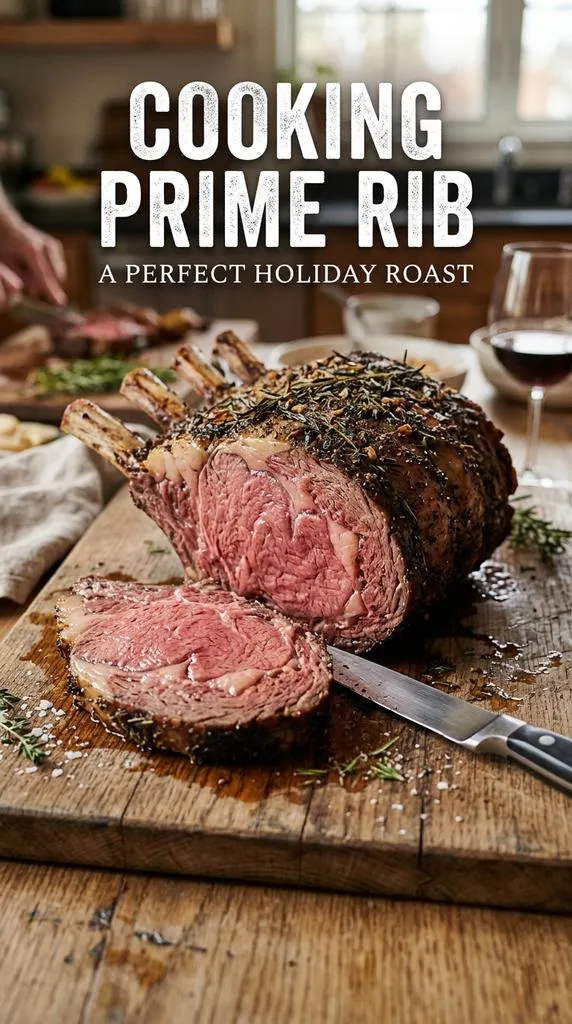
The right cut of prime rib can elevate an ordinary meal to a special occasion. Knowing the difference between the grades of prime rib makes it likely that you’ll end up buying a cut suitable for your cooking style and taste preferences. And prime rib, or standing rib roast, was among the most luxurious and flavorful cuts of beef. Here’s a guide to the choices within prime rib cuts and grades.
The USDA (United States Department of Agriculture) determines the grades which are indicative of the quality and marbling found within the meat. Here’s a breakdown of the grades you could see:
USDA Prime: The highest grade you can receive for prime rib. It has more fat running through the meat, or marbling. This fat helps the meat stay juicy and flavorful while it cooks. High grade is rare and special, so you will not find it at a Chilis or Jorge’s.
USDA Choice: This grade has less marbling than prime but is still a solid choice. Choice prime ribs are rich in flavor and tender, making them a preferred choice for family occasions. Best Budget-Friendly Options: They strike a decent quality and cost balance.
USDA Select: Though this grade contains the least marbling, it can still be a good option if you prefer a leaner cut. Certain grades of prime rib may require special attention to avoid dryness, but if cooked well can taste excellent.
While the grade is an important consideration when shopping for prime rib, you will also need to consider a cut’s size and weight. A prime rib roast is usually sold by weight, and a good rule of thumb is to estimate around one pound of raw prime rib per person. But if you like leftovers, consider doubling or tripling that number.
Here’s a cheat sheet to show the differences in the grades:
GradeMarblingTendernessPriceUSDA PrimeAbundantVery Tender$$$USDA ChoiceModerateTender$$USDA SelectLessModerately Tender$
Knowing the yield and cooking styles for different grades can also enhance your overall dining experience. A USDA Prime prime rib is wonderful for slow roasting, typically at lower temperatures to retain moisture and develop flavor. Techniques such as reverse searing can elevate a good prime rib into something truly special, forming a crust that sings and allowing the meat’s interior to remain juicy.
Although you can find prime rib at local grocery stores, specialty butcher shops tend to have a larger selection of grades and cuts. Places like Farm and Dairy will tell you about local producers, and might help you find a better cut of prime rib. Besides grading, you may also see the terms “aged” or “dry-aged.” These refer to the meat’s process of maturation and can also deepen flavor. Dry-aging also can produce a more concentrated flavor and tender texture, making it a premium choice for enthusiasts.
Depending on the preference, you could also encounter alternate bone options. Bone-in cuts don’t just heighten the flavor, they present beautifully when you’re serving guests. Taking the bone out of a prime rib makes carving and handling it easier, particularly for those who might be inexperienced in slicing into meat.
When you’re ready to cook your prime rib, make sure to also allow enough time for it to rest after cooking. Letting the juices redistribute gives you a more tender, flavorful bite. Whatever you decide, choosing the right prime rib cut for your needs can only result in delicious success.
To read more about how to prepare angkinf prime rib — and learn the tricks of the trade that make it a great choice for special occasions — check out professional cooking sites like Serious Eats for step-by-step instructions and multiple articles detailing cuts, techniques, recipes and more.
The Seasonings and Marinades You Need for Prime Rib to Tender Perfection
Cooking Prime Rib
Cooking prime rib is an art every meat lover should know. With the proper spices and marinades, this rich cut of beef can become exquisite in terms of flavor, enhancing its own inherent profile while providing more flavors. But whether you’re cooking up a special meal for an occasion or just treating yourself, knowing which herbs and spices to sprinkle can be the difference between filling your belly with food and bringing joy to it.
Essential Seasonings for Prime Rib
A few things come to mind in the way of seasoning prime rib. Here’s a shortlist of must-have seasonings to elevate your meat from bland to bold:
- Salt: This simple seasoning is crucial to making the beef taste better. Choose kosher salt for more even coverage.
- Pepper: In an iron skillet, you want freshly cracked black pepper to add a lovely kick. Mix it with salt for a classic rub.
- Garlic: Fresh garlic or garlic powder to contribute an aromatic quality. A classic pairing, suitable for any beef dish.
- Rosemary: This herb is a great match for prime rib, with an aromatic, earthy flavor that enhances the richness of the meat.
- Thyme: Adding a few sprigs of fresh thyme can enhance the flavor profile overall and cut the richness of the rib.
- Onion Powder: Adds savory depth without moisture (which can be distracting when cooking), boosting flavor.
Effective Marinades to Consider
A good marinade can give your prime rib a nice flair. The acid, oil and seasonings mixture is also an essential factor in making sure you have a tender and tasty cut. Here are a few marinades that work well:
Marinade NameMain IngredientsFlavor ProfileClassic Red Wine Marinadered wine, olive oil, garlic, rosemary, black pepperRobust, aromatic and balancedGarlic Herb Marinadegarlic, fresh thyme, parsley, lemon juice and olive oilRefreshing and herbalBalsamic Vinegar marinadenbsp;balsamic vinegar brown sugar garlic rosemary olive oilsweet tangy and richSpicy Mustard Marinadedijon mustard olive oil honey cayenne pepper garlicSpicy sweet and tangy
You will combine your main ingredients in a bowl to make a perfect marinade. Place the prime rib into the marinade, submerging it completely. Best to let that meat sit and marinate in the fridge for a minimum of 4 hours or even overnight!
How Seasoning and Marinading Impact Meat
When you apply seasonings and marinades to prime rib, it starts a transformative process. Seasonings deepen the meat’s naturally sweet and savory flavors, while marinades impart moisture and layers of taste. It’s this combination that recreate that restaurant-quality taste in your home kitchen.
Experimentation is encouraged. You can also combine various herbs and spices according to your taste. For example, adding spices such as paprika or cumin can create interesting flavor combinations.
Cooking Tips for Prime Rib
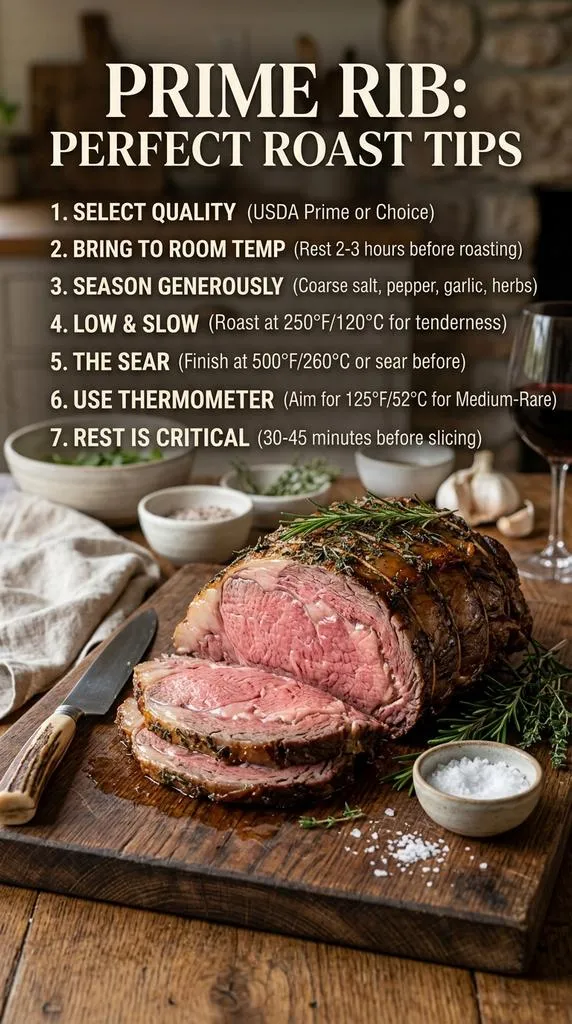
Once you season or marinate your prime rib, precision is key when cooking:
Even Large Bultas: Place your seasoned prime rib on a cutting board at room temperature for an hour before cooking. This ensures even cooking throughout.
Use a Meat Thermometer: The biggest problem with cooking your prime rib is overcooking or undercooking it; investing in a good meat thermometer can prevent you from making this mistake.
Rest Before Slicing: Let the meat rest for at least 20 minutes after cooking. This locks in juices and ensures slices are loaded with flavor.
For more prime rib cooking techniques and recipes, head to Serious Eats and Food Network.
The best prime rib is yours, remember it is all in the seasoning and marinades. Experiment with various combinations, and you might strike the right balance for your signature flavor.
How to Cook Prime Rib: Roasting vs. Smoking
Cooking Prime Rib
Two popular ways to cook a prime rib are roasting and smoking. All these techniques produce different flavors and textures, so finding one that you prefer is very important. Knowing the differences between these methods will help you cook better and make your meal more flavorful.
Roasting Prime Rib
Roasting is the traditional method of cooking beef using dry heat. It usually means roasting the protein in an oven at a high temperature, to get a gorgeous crust on the outside, while keeping the inside moist and tender.
Temperature: Roasting typically occurs between 325°F to 450°F. Because the goal of roasting is to achieve a crisp exterior, you start at a higher temperature which lends itself to creating this crust; lower temperatures for a more uniform cook throughout the meat.
Time: The recommended cooking time for a prime rib roast is around 15-20 minutes (per pound) — of course, adjust that according to your desired level of doneness.
Equipment: A roasting pan and a meat thermometer to ensure it reaches the proper internal temperature.
Roasting prime rib is as much about the flavor as it is the best part of roasting prime rib. Seasoning the meat before baking with herbs, garlic, and spices will help you create a rich flavor that can breathe life into any meal. And the drippings that fall into the pan can be used to make a tasty gravy.
Advantages of Roasting
Roasting offers several benefits:
- The degree of difficulty in ways to cook: It needs little hand-on time and is an easy process generally.
- Consistency: When roasted properly, a prime rib can provide similar results each time, allowing for more exact doneness.
- Odourless Engagement: When the smell of meat roasting in your kitchen could snap a single service attraction.
Smoking Prime Rib
Smoking, by contrast, is a low and slow method that will give you beautifully smoked meat with smoky flavor. This method needs a smoker, or grill prepared for indirect heat and smoke, adding extra flavor to the prime rib.
Temperature: With smoking, meat is typically smoked for hours at lower temperature; in the range of 225°F to 275°F so it can slowly absorb that smoke as it cooks.
Time: Due to the lower temperatures, cooking time will be 30 minutes to an hour per pound depending on how thick your roast is.
Wood Selection: Specific wood chips, such as hickory or mesquite, impart various flavor profiles on your prime rib.
One of the pleasures of smoking prime rib is how rich and flavorful it is. The smoke seeps in to the meat, and the slow cooking makes it so tender. When you cut into a smoked prime rib, the deep color and complex aromatics—calling to those nearby.
Advantages of Smoking
There are some benefits to smoking prime rib, such as:
Distinct Taste: It provides an unconventional, rich flavor that cannot be obtained through roasting.
Very Tender: The meat is often melt-in-your-mouth tender from slow cooking.
Bowled over presentation: A smoked prime rib can serve as an impressive centerpiece for any gathering.
Method Temperature Cooking Time Flavor Profile Roasting 325°F – 450°F 15-20 minutes per pound Rich and savory Smoking 225°F – 275°F30-60 minutes per pounds Deep, smoky
Deciding if you should roast or smoke prime rib is ultimately a matter of personal preference. If you prefer a classic, intense flavor and a shorter cooking time, roasting may be your method of choice. However, if you want a very distinct flavor and are willing to wait longer for the food to be ready, smoking might just be the right thing for you. Trying both methods can also help expand your culinary toolbox and please your palate.
For more information on cooking prime rib using and mastering these methods, visit Food Network or read about technique at Serious Eats.
Accompanying Dishes to Go with Prime Rib
Preparing prime rib can be a singular culinary experience, but then the question of what side dishes will accompany that wealthy, flavorful cut of meat comes into play. Prime rib is showy on the dinner party table, but what you pair it with can highlight the whole meal. Here are some side dish ideas that pair harmoniously with prime rib.
Classic Choices
- But when you picture prime rib, certain old-school sides spring to mind. The classic pairings help the flavors shine without stealing focus.
- Au Gratin Potatoes: This rich, creamy potato dish is baked with cheese and milk, making it a decadent side for prime rib.
- Yorkshire Pudding: These inflated puffs are a classic British staple. They soak up the juices from the prime rib, enhancing every bite.
- Green Beans Almandine Lightly sautéed green beans topped with slivered almonds will add a crunchy contrast to the tender meat.
- Fresh Vegetable Options
- Hydrate your prime rib with some vegetables. Here are some fresh alternatives:
- Roasted Brussels Sprouts — When roasted, the natural sweetness of Brussels sprouts pairs wonderfully with the savory flavor of meat.
- Glazed Carrots Glazed carrots are sweet and bright, cutting the richness of the prime rib.
- Cauliflower Puree: The creamy but not heavy alternative to mashed potatoes that’s a perfect pairing.
- Starch Alternatives
- If you’re seeking sides that will round out your meal and fill you up, consider these starchy choices:
- Garlic Mashed Potatoes: Buttery and fluffy, these are must-have mashed potatoes that go with any prime rib dinner.
- Wild Rice Pilaf: Wild rice is a more complex grain, which brings texture and depth next to the flavorful meat.
- Stuffing: A savory stuffing of herbs and broth can soak up juices nicely and go with the prime rib’s flavor profile.
Creamy Additions
And if you like cream-based dishes, they can add to your prime rib experience. Some creamy sides:
Mac and Cheese: This ultimate comfort food is a great way to improve them meal, adding richness and coziness.
Creamed Spinach: At once rich, smooth and vibrant, creamed spinach makes a lovely compliment to the meat.
Bechamel Sauce: Adding a creamy bechamel sauce over your vegetables will not only make them taste better but it will also add luxury to the plate.
Seasonal Sides
- Think about the season when planning your sides! seasonal vegetables keep the flavor fresh;
- Fall: The nutty sweetness of roasted butternut squash, teamed with sage, complements prime rib.
- Winter: Root vegetable medleys, such as parsnips and turnips, offer heartiness in the chillier months.
- Spring: Asparagus with lemon zest adds brightness and a pop of color to your dinner plate.
- Summer: Corn on the cob grilled brings sweet crunch to barbecuing season.
- For more inspiration for serving prime rib with sides and tips from the pros on how to cook it, see Cooking Light or Food & Wines.
- Side DishFlavorsAu Gratin PotatoesCreamy, cheesyYorkshire PuddingAiry, richRoasted Brussels SproutsSavory, sweetGarlic Mashed PotatoesButtery, softMacaroni and CheeseComforting, cheesy
If you want your prime rib dinner to be one for the books, picking the right side dishes is a must. Try out these options to discover which combinations you enjoy the most. Happy cooking!
Conclusion
A Prime Rib Dinner Is a Memorable Affair Rich Flavors and Tender Textures With the knowledge of techniques and tips shared, you will be able to bring your cooking skills up a notch and leave your guests astounded. Knowing the differences between varying grades of prime rib cantellus you know that perfect marbling and flavor.
Seasoning your prime rib is an important step in preparing it for the big day. With a well-balanced seasoning or an expert marinade, a good roast can become the stuff of memories. Playing around with different herbs and spices allows you to put your own spin on this classic dish.
Both roasting and smoking provide some unique benefits when it comes to cooking methods. Roasted offers a classic, juicy result; smoked adds another layer of depth to the preparation. Depending on your taste and the equipment you have, a method can be selected that best suits whatever occasion you may find yourself using it for.
It is important to serve prime rib with the right side dishes. Traditional pairings such as buttery mashed potatoes, roasted veggies or a crunchy salad will set off the rich tastes of the meat. And consider serving with prepared horseradish or an indulgent red wine for a full meal.
You now have the knowledge and skills discussed to execute a memorable prime rib dinner. Pull together your ingredients, get ready to enjoy the journey and relish in celebrations that center around this beautiful cut of meat. Happy cooking!