



Picking the best white wine for cooking is important whenbest-white-wine-for-cooking dish. All wines are not created equal — choosing a particular one can have a huge impact on how your dish tastes. Pairing different flavors with your dish will clearly enhance the taste of your food.
Generally, the best white wines for cooking fall into a few categories based on their flavor profiles: dry, fruity, and acidic. Here’s a closer look at some recommended options.
Dry White Wines
Dry white wines are a popular choice for savory dishes because they add depth without overpowering the other ingredients. Here are a few notable options:
- Sauvignon Blanc: This wine is crisp with notes of green apple, citrus, and herbs. It works wonderfully for seafood dishes, chicken, and recipes that feature vibrant vegetables.
- Pinot Grigio: Known for its light and zesty personality, Pinot Grigio can enhance pasta dishes and light sauces, making it an excellent choice for cooking with cream.
- Chardonnay: This versatile wine has flavors that can range from buttery to fruity, depending on how it’s aged. Oaked Chardonnay is perfect for richer dishes like creamy risottos, while unoaked Chardonnay is suited for grilled meats.
Fruity White Wines
Fruity white wines are a great choice if you want to incorporate some sweetness but not an overwhelming amount of it. These wines can provide an attractive layer of flavor with many dishes:
- Moscato: Its sweet and fruity profile is perfect for glazes, particularly in dishes that feature pork or chicken.
- Riesling: Often used in Asian cooking, Riesling brings a unique balance of acidity and sweetness that complements spicy dishes beautifully.
Acidic White Wines
Acidic wines can boost the flavors of your dishes, balancing out rich or heavy ingredients. Look for these wines:
- Verdelho: This lesser-known wine is quite acidic and fruity, ideal for use in marinades or dressings.
- Vinho Verde: Light and refreshing, this Portuguese wine can enhance your seafood dishes while adding zest.
Choosing the Right White Wine for Pairing
Matching your wine to the right meal is essential for achieving the best flavor outcomes. Here’s a simple guide:
| Dish | Best White Wine Pairing |
|---|---|
| Seafood | Sauvignon Blanc or Pinot Grigio |
| Pasta (light sauce) | Chardonnay or Pinot Grigio |
| Chicken | Chardonnay or Riesling |
| Pork | Moscato or Riesling |
| Vegetable Dishes | Sauvignon Blanc |
You shouldn’t just think about the flavor profile of the wine, nor how it pairs with each ingredient in your dish. Wine in a recipe should make it better all around, which is why you need to find what you like.
There’s a good rule for cooking with wine: don’t use something you wouldn’t drink, as inferior wines can impart off-flavors. Limit yourself to wines also marked dry or off-dry, made specifically for cooking or pairing.
For more on the subject, and some suggested products, try Wine Folly and The Kitchn. They have great insights on wine choices and cooking suggestions. You should sign up also on Wine Enthusiast where you find expert advice, beverage pairings and more!
Well, you know the best white wines for cooking now so get into that kitchen and let your creative juices flow! Pairing it with the right wine can actually take your dish to another level, creating a memorable mouthful.
Understanding the Role of Wine in Culinary Techniques
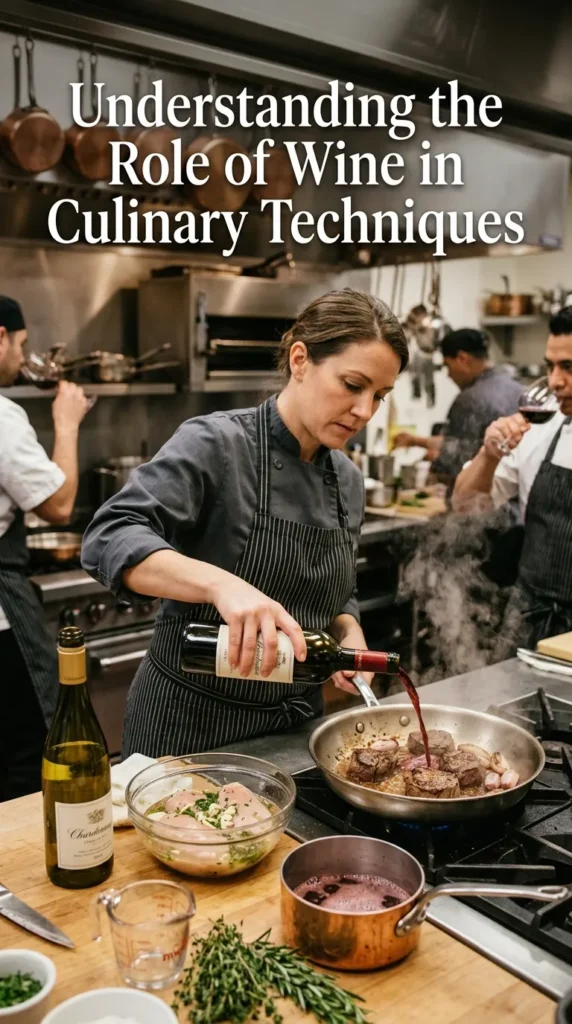
Wine is integral to many culinary techniques, with wine as a highly favored beverage and also a critical ingredient in countless recipes. Cooking with wine — how to do it well and why — can take your food from good to great, imbuing dishes with depth, flavor and complexity. Depending on the style of cuisine and how you plan to cook your meals, different types of wines will complement them well.
Even a similar dish could be made with white wine, which is what most people favourite for cooking. It pairs with a wide range of ingredients, making it well-suited to sauces, marinades and sautéing. Selecting the best white wine for cooking really makes a difference in the finished dish. These are some white wines that are commonly used in culinary preparations:
- Sauvignon Blanc: This wine is crisp and refreshing, making it perfect for seafood dishes, salads, and light pasta sauces. Its high acidity balances rich flavors, providing a nice contrast that enhances the overall taste.
- Chardonnay: Available in both oaked and unoaked varieties, Chardonnay adds buttery flavors that work well in creamy sauces and risottos. The oaked version can introduce notes of vanilla and spice, enriching dishes like pan-seared chicken or lobster.
- Pinot Grigio: Known for its light and zesty profile, this wine pairs beautifully with grilled vegetables and light meats. It’s also excellent in vinaigrettes.
- Vermouth: This fortified wine is a great choice for creating sauces and marinades. It adds a unique herbal and floral dimension to your dishes.
- Dry Riesling: With its crispness and hint of sweetness, dry Riesling pairs well with spicy dishes, enhancing the flavors without overwhelming them.
Wine can be used through a myriad combination of cooking techniques. Each technique emphasizes different notes of the wine’s flavor and adds to the overall profile of the dish:
- Deglazing: After sautéing meat or vegetables, a splash of wine can help lift the bits stuck to the pan, creating a rich base for sauces. This technique captures flavors that would otherwise be lost.
- Marinating: Soaking proteins in a mixture that includes wine can infuse them with flavors. The acid in the wine tenderizes the meat, making it more succulent.
- Simmering: Adding wine to stews and braises not only flavors the dish but also helps to tenderize tougher cuts of meat. The alcohol evaporates during cooking, leaving a depth of flavor behind.
- Sous Vide Cooking: The precision of sous vide allows wine to infuse flavors thoroughly. wine into the vacuum-sealed bag enhances the overall taste of the dish.
Much like pairing wine with food, the reverse can also do wonders. The wine used can even affect the flavor and texture of the food itself. In addition, the wine you choose should be something that you enjoy drinking to cook with as the flavors will intensify as it cooks down.
If choosing wines, consider the region and grapes. For example, Tuscan wines go smoothly with Italian meals, and French white wines can complement the French cuisine. To help you narrow down your options, here’s a brief reference table to guide you:
| Type of Dish | Best Wine Pairing |
|---|---|
| Seafood | Sauvignon Blanc |
| Pasta with Cream Sauce | Chardonnay |
| Asian Cuisine | Dry Riesling |
| Grilled Chicken | Pinot Grigio |
Cheap wines are just fine for cooking, it’s worth noting. You want to steer clear of anything too sweet or low quality that may ruin the dish. Choose “cooking wine” bottles only when they are low salt, drinkable ones. Good quality white wines used judiciously add to the aromatic and flavor profile of many recipes.
As you get into cooking with wine, feel free to play around with different varietals and techniques. Each style of cooking takes you on a new adventure with wine, teaching you what works for your tastes. Find tips on cooking with wine — and recipes, of course! — at well-regarded culinary sites like Serious Eats and Food & Wine.
How to Choose the Right Wine for Different Dishes
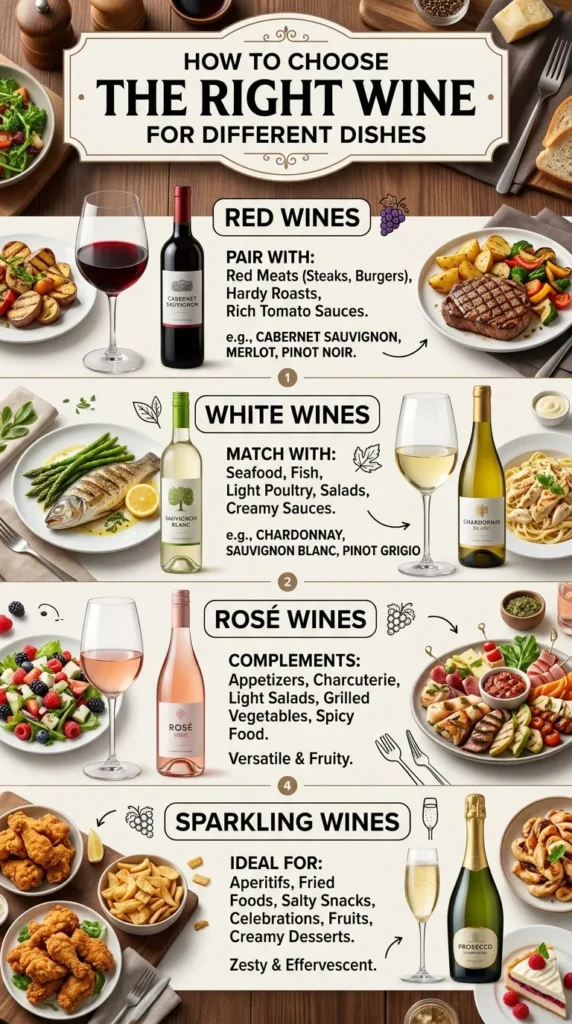
If you pair your wine with food, you can often make one or both taste better as a result of the pairing. Be it preparing a lavish meal at home or hosting a dinner party, knowing how to pair your wine with your food is essential for crafting an unmissable dining experience. Here’s a guide to help you with making the right choice.
Understanding the Basics of Wine Pairing
Wine pairing largely depends on the flavors present in both the wine and the dish. Some general rules can help guide your decisions:
- Complement or Contrast: You can either complement a dish’s flavors with a similar wine or contrast it to create balance.
- Consider Acidity: Higher acidity wines pair well with acidic dishes, like those containing tomatoes or citrus.
- Match Intensity: Light dishes pair best with lighter wines, while rich, hearty dishes require more robust wines.
Pairing Wine with Common Dishes
Here’s a simple guide to help you choose the right wine for various types of dishes:
| Dishes | Recommended Wines |
|---|---|
| Chicken Dishes | Chardonnay or Sauvignon Blanc |
| Seafood | Pinot Grigio or Albariño |
| Pasta with Tomato Sauce | Chianti or Merlot |
| Grilled Vegetables | Sauvignon Blanc or Rosé |
| Red Meat | Cabernet Sauvignon or Syrah |
| Desserts | Moscato or Port |
The Role of White Wine in Cooking
When it comes to cooking, white wine can brighten up dishes, adding depth and acidity. Here are some pointers on how to select the best white wine for cooking:
- Use Dry over Sweet: Dry white wines, like Sauvignon Blanc or Pinot Grigio, are ideal for cooking. Sweet wines can make a dish overly sugary.
- Avoid Cooking Wines: Cooking wines often contain added salt and preservatives, which can affect the dish’s taste. It’s better to use a drinkable wine.
- Consider the Flavors: Light, crisp wines enhance lighter dishes, while fuller-bodied wines pair well with rich ingredients and sauces.
Tips for Selecting the Right Wine
When in doubt, consider the following tips:
- Choose Local: Local wines often pair exceptionally well with local cuisine.
- Ask for Recommendations: Wine shop staff are typically knowledgeable and can guide you based on your specific dish.
- Experiment: Don’t be afraid to try new pairings. You might discover uncommon combinations that delight your palate.
Where to Learn More
For more information on wine and food pairing, check Wine Folly or Wine Pairing for great resources and guides.
Pairing the wines you drink with the foods you eat does not need to be intimidating. So feel free to follow them, and get creative with your pairings – you never know what delicious masterpiece you could create! The best wine is the one you like, so following your own taste and having some fun!
Cooking with White Wine: Enhancing Sauces and Marinades
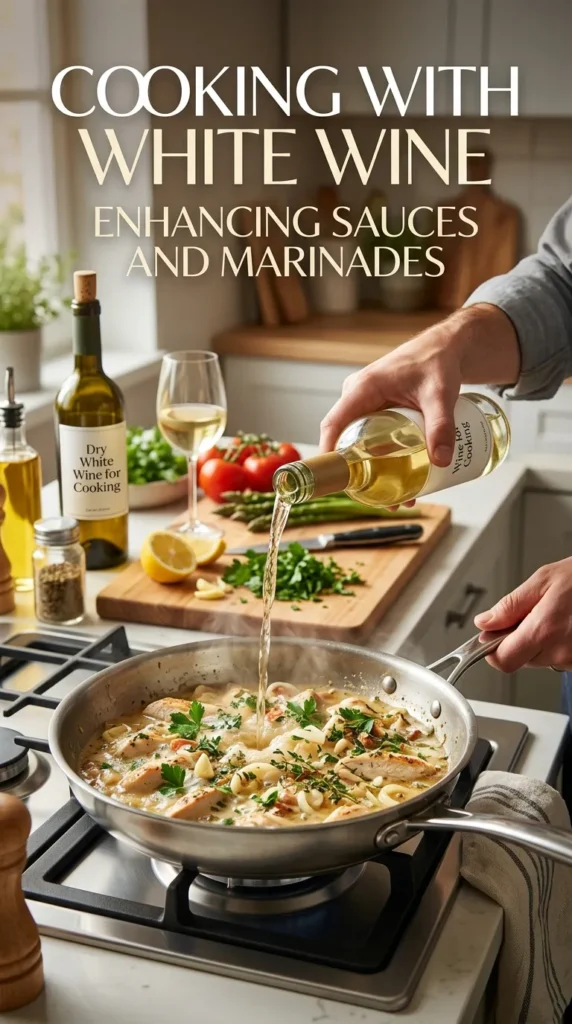
This is most certainly not a new technique for improving your recipes but when cooking with white wine, it can be added to your dishes to achieve more depth and complexity. Whether you’re the one simmering a sauce or marinating chicken, a good white wine will elevate an average table into something extraordinary. This piece explores a powerful way to use white wine, with an emphasis on sauce and marinade-making.
When selecting the best white wine for cooking, you want to consider a few important factors. Here are some of the most popular types of white wine that work incredibly well in the kitchen:
- Sauvignon Blanc: This wine is crisp and acidic, perfect for deglazing pans or adding brightness to marinades.
- Chardonnay: A full-bodied option, Chardonnay adds a rich flavor to creamy sauces and braises.
- Pinot Grigio: Light and refreshing, this wine is ideal for seafood dishes and delicate sauces.
- Riesling: A slightly sweeter option that adds a unique dimension, especially to spicy dishes.
Weighing the factors when choosing the best white wine for cooking The following are some of the best types of white wine that shine in the kitchen:
One of the most popular sauces that benefit from white wine is the classic white wine reduction sauce. Here’s how you can create this elegant, flavorful sauce at home:
- Ingredients:
- 1 cup of white wine (Sauvignon Blanc works well)
- 2 tablespoons of butter
- 1 shallot, finely chopped
- Salt and pepper to taste
- Fresh herbs (like parsley or thyme) for garnish
- Instructions:
- In a saucepan, melt the butter over medium heat.
- Add the chopped shallots and sauté until translucent.
- Pour in the white wine and bring it to a gentle boil.
- Let the mixture simmer, reducing by half to concentrate the flavors.
- Season with salt and pepper, and finish with fresh herbs before serving.
White wine has a way of adding nuance to sauces that just isn’t the same without it. (When you’re cooking vegetables or a protein, for example sautéing them, you can help deglaze the pan by adding a splash of white wine, lifting the sweet browned bits that are left behind.) This adds flavor but also helps with a nice sauce. Just make sure to let the wine steep until reduced, so the flavor concentrates — simmer until it’s reduced by half, and any alcohol will cook off in the process.
Here’s a simple chicken marinade recipe:
- Ingredients:
- 1 cup of white wine (like Pinot Grigio)
- 1/4 cup of olive oil
- Juice of 1 lemon
- 3 cloves of garlic, minced
- Salt and pepper to taste
- Fresh herbs (such as rosemary or thyme)
- Instructions:
- Mix all ingredients in a bowl.
- Place the chicken in a resealable plastic bag and pour the marinade over it.
- Seal the bag, ensuring the chicken is well coated, and refrigerate for at least 1 hour (or overnight for best results).
Marinades are a great other way to use white wine. They also tenderize meat and flavor it. A quick marinade can be a game changer. So, like if you want to marinate chicken, mix white wine with olive oil, garlic, lemon juice and herbs. The wine also delivers a tangy element that cuts through the fat, allowing it to more effectively penetrate the meat and allow for better flavor development in the finished result.
Do not forget that wine does not have a universal value. Choose a good quality white wine that you actually like to drink. The flavors will be concentrated in your dishes, so it’s worth buying something decent. For tips on picking the best wine, review Wine Enthusiast or Food & Wine.
Popular White Wine Varieties and Their Cooking Applications
Cooking with white wine allows for a breadth of flavor possibilities. In sauces or marinades, it brings acidity and sweetness and complexity. So while you’re in the kitchen next make sure to pick up a bottle of white wine — it might be the secret ingredient your food was missing! Have fun and find your own favorites!
Chardonnay
Chardonnay is one of the most versatile white wines, making it a favorite for cooking. Its creamy texture and rich flavors can enhance dishes significantly.
- Cooking Applications:
- Pair with creamy sauces for pasta or chicken.
- Use in risottos for added depth.
- Perfect for braising meats or vegetables.
Chardonnay can range from oaky to fruity, so choose a style that complements your dish. Try using a good quality Chardonnay for optimal flavor.
Sauvignon Blanc
Renowned for its crispness and herbal notes, Sauvignon Blanc adds brightness to dishes. It’s a great choice for recipes requiring a fresh, zesty flavor.
- Cooking Applications:
- Ideal for seafood dishes, like fish or shrimp scampi.
- Add to marinades for chicken or pork.
- Enhance vegetable dishes like asparagus or peas.
A high-quality Sauvignon Blanc can also work well in salad dressings for a zing. Discover more about this wine on MasterClass.
Pinot Grigio
Pinot Grigio is a light and crisp wine that is often characterized by its bright acidity and floral aromas. It serves well in a variety of cooking methods and brings out fresh flavors.
- Cooking Applications:
- Perfect for sautéing vegetables.
- Use in light sauces, especially those with citrus.
- Add to stews or soups for a refreshing finish.
This varietal works beautifully with pasta dishes as well. For more insights on cooking with Pinot Grigio, visit Food Network.
Riesling
And cooking with white wine can enhance the flavors of your dishes. Each type of white wine has distinct qualities suited for different uses in cooking. Here’s a breakdown of some common white wine types and how you can properly incorporate them into you chefdom.
- Cooking Applications:
- Use in glazes for meats, especially pork and chicken.
- Great for desserts or sauces that require a hint of sweetness.
- Ideal in stir-fries for adding a sweet and tangy flavor.
Riesling complements fruit-based sauces well. Check out more cooking tips with Riesling at Wine Enthusiast.
Dry Vermouth
Learn to Cook With These Varieties of White Wine Whether you’re cooking something simple or a serious spread, the right white wine in your glass can make all the difference toward a pleasurable experience.
- Cooking Applications:
- Perfect for deglazing pans after searing meat.
- Use in marinades for added herbaceous flavor.
- Great in sauces that accompany fish or chicken.
A little dry vermouth goes a long way in enriching flavors. Learn more about dry vermouth uses on Serious Eats.
| Wine Variety | Flavor Profile | Best Uses |
|---|---|---|
| Chardonnay | Rich, creamy | Sauces, braising |
| Sauvignon Blanc | Crisp, herbal | Seafood, marinades |
| Pinot Grigio | Light, floral | Vegetables, light sauces |
| Riesling | Fruity, sweet | Glazes, desserts |
| Dry Vermouth | Herbal, complex | Deglazing, marinades |
Selecting the best white wine for cooking can take your culinary masterpieces to the next level. Every style, from crisp Sauvignon Blanc to full-bodied Chardonnay, has its own flavor profile that can elevate everything from sauces to marinades. And this brings us to the role of wine in cooking — if you know how to use it, then it can enhance your dish and turn an ordinary meal into a magic one with the right pairing.
Conclusion
When choosing a wine, think about the particular flavors and ingredients in your dish. A dry Riesling can lend a tinge of sweetness, while a Pinot Grigio is brightening with its acidity to a seafood dish. Understanding the style of popular varietals and their best application in the kitchen will help you make informed decisions that play nicely with your ingredients.
In addition to simply adding liquid, cooking with white wine is about adding depth and complexity to your flavors. Whether you’re deglazing a pan or marinating meats, the right white wine will elevate your dish in incredible ways. Knowing how to select the correct wine per different cooking techniques and flavors will take basic recipes from ordinary to extraordinary.
It can be intimidating, but cooking with the right white wine is a step towards confidence in the kitchen; they’ve got you covered. Try the joy of cooking with wine and allow your meals to bring some of what a nice white has to offer into your plate. Happy cooking!
With all of these options out there, experimenting with the best white wine for cooking will boost your confidence in the kitchen. Cooking with white wine is an art that when mastered, aids in adding dimensions of flavor and aroma to your dishes. Happy cookinWithg