

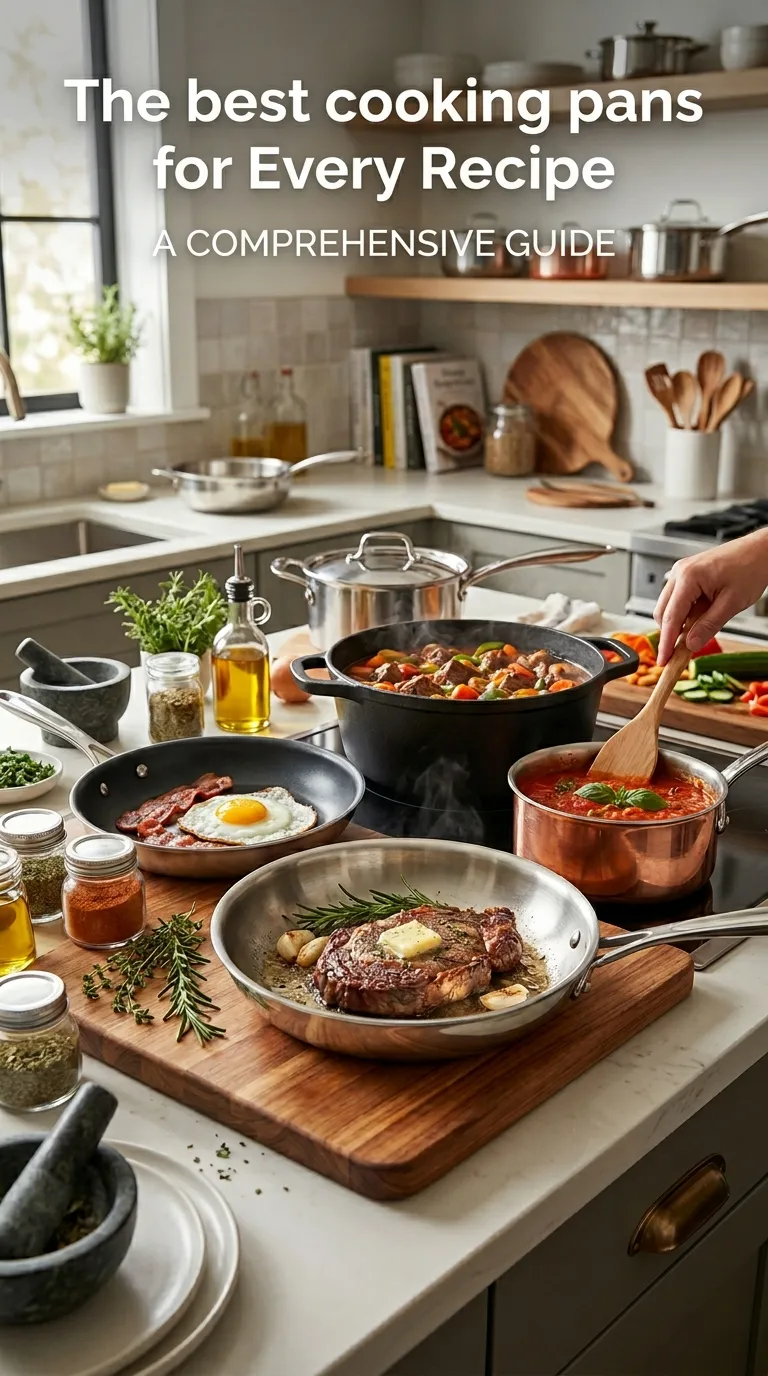
The Magic of choosing the right cooking pans for your kitchen best-cooking-pans kitchen pro or still learning to sauté an onion, knowing which pan is best matched for a given recipe will only improve your cooking experience. Here’s a guide to help eliminate any confusion as you browse cooking pans, so you can choose the best one for every meal.
Types of Cooking Pans
1.Skillets or Frying Pans
Skillets are best for frying, searing and browning. They tend to have a wide, flat base with slightly higher sides. This multitasking pan is good for everything from scrambled eggs to stir-fries. Nonstick skillets, fried in less oil, are more desirable for cleanup.
2.Saucepans
These are ideal for simmering sauces, cooking grains and making soups. A nice saucepan usually has a lid (that adds moisture when cooking). Stainless steel choices are excellent for heat distribution, while non-stick varieties help with low-fat cooking.
3.Stockpots
If you’re doing a lot of soups, stews or cooking pasta, then a good heavy-duty stockpot is necessary. These extra large pots are great for holding a lot of food, and they can be used on top of the stove as well as in the oven. Choose cookware with handles to make lifting and pouring simpler.
4.Dutch Ovens
Dutch ovens are great for slow cooking, casserole making and bread baking. The thicker walls and tight-fitting lids help disperse heat evenly. Cast iron, they can be very heavy but are an investment worth making for their durability and versatility.
5.Griddle Pans
Griddle pans are great for breakfast items or grilling sandwiches. They have a wide cooking surface and are typically flat, with low sides. A non-stick griddle can make flipping pancakes and grilling of vegetables easy.
Material Matters
Materials Matter: When choosing the top cooking pans, it can make a world of difference in how well they cook. Here’s a quick guide to typical materials:
| Material | Best For | Pros | Cons |
|---|---|---|---|
| Stainless Steel | Searing, browning | Durable, non-reactive | Poor heat conductivity |
| Cast Iron | Slow cooking, frying | Excellent heat retention | Heavy, requires maintenance |
| Non-Stick | Frying, sautéing | More oil efficient, easy to clean | Can scratch easily, not oven-safe |
| Copper | Fine cooking | Great heat conductivity | Expensive, requires polishing |
Best Cooking Pans
Here are a few features that can be good to look for when choosing the best cooking pans. A quality cooking pan can change the landscape of everything you cook. Here are some key features to remember:
Material
- Material of Cooking Pan: This is a very important factor that affects heat distribution and retention. Here are some of the popular materials used:
- Stainless steel: Good for browning and simmering, durable and nonreactive.
- Cast Iron: Great heat retention, ideal for frying and baking. Needs to be seasoned to stay nonstick.
- Non-stick: Fantastic for low-fat cooking and easy cleaning, but can dent easily and tend to need replaced more often.
- Copper: Cooks great. Needs a lining and is expensive. Size and Shape
All this is done with the fact that it caters to fit your size and shape of the pan according to your cooking needs. The following pan types are commonly used:
| Type of Pan | Best For |
|---|---|
| Frying Pan | Searing, frying, and scrambling. |
| Sauté Pan | Cooking with liquids, browning. |
| Stock Pot | Making soups, boiling pasta. |
| Baking Dish | Oven use, casseroles, and desserts. |
Weight
The Weight Of A Cooking Pan Can Change Performance In Kitchen Heavy pans tend to heat more evenly; light pans are easier to manipulate. Think about how you will use the pan:
- Everyday Use: You may find a lighter pan easier to work with for everyday needs.
- Specialty Cooking: Heavy pans are often better for frying or searing.
Cleaning and Maintenance
Be sure to pick a pan that aligns with your preferred way to clean. Some materials are delicate and require special care, others are a bit more straight forward. Consider:
Some non-stick pans are not safe for the dishwasher.
- Seasoning: Cast iron requires more upkeep than stainless steel and non-stick alternatives.
- Stain Resistance: Some materials are better than others at resisting food stains.
Budget
The price range for cooking pans is vast. Finding a sweet spot between quality and budget is crucial. Keep in mind, buying a durable pan can be cost-effective over time:
- Premium Features: Usually offer better performance and durability.
- Mid-Range Options: Can be ideal for those who don’t want to spend too much.
- Economical: Seek sales or markdowns to discover affordable choices.
If you’re looking for more information about cooking pans and their various features, Consumer Reports may help.
So, consider these features carefully to find the perfect cooking pans that suit your culinary expertise. Happy cooking!
Material Effects on Cooking and Well-Being
Best Cooking Pans
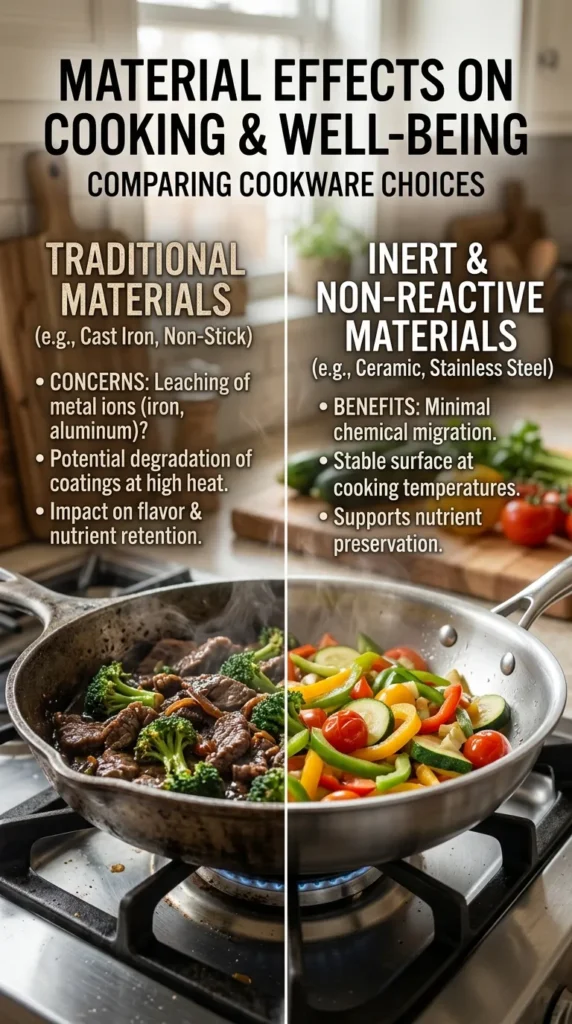
The material used in cookware has a big impact on the cooking performance and health. Different materials have different properties that can influence the way your food cooks evenly, what flavors develop and even how you feel over the long haul. Join here as we demystify the different materials used in American cooking pans, and what they mean for performance and our health.
Types of Cooking Pan Materials
The various materials used in making a cooking pan can be better understood and help make an informed decision. Here’s a guide to some of the more popular materials:
- Stainless steel; durable and resistant to rust and staining. It is inert, so safe for all kinds of food. But it can stick if there is not enough oil or heat applied.
- Cast Iron: Very good heat retention and even heat conduction. Some foods take on a better taste when cooked in cast iron pans. They need to be seasoned and cared for, lest they rust.
- Non-Stick: Featuring a surface that prevents food from sticking. Non-stick pans usually need less oil, making them a better choice for health reasons. Over time, when the coatings wear out or become overheated, they may release unhealthy chemicals.
- Copper: Provides excellent heat conduction for precise temperature regulation. But, it reacts with acid foods that can change flavor and pose health hazards unless preferably lined with other materials like stainless steel.
- Aluminum: Light and good for fast cooking. Some foods can react with uncoated aluminum though. Hard-anodized aluminum is better, because it’s more durable and nonreactive.
Health Implications of Cooking Materials
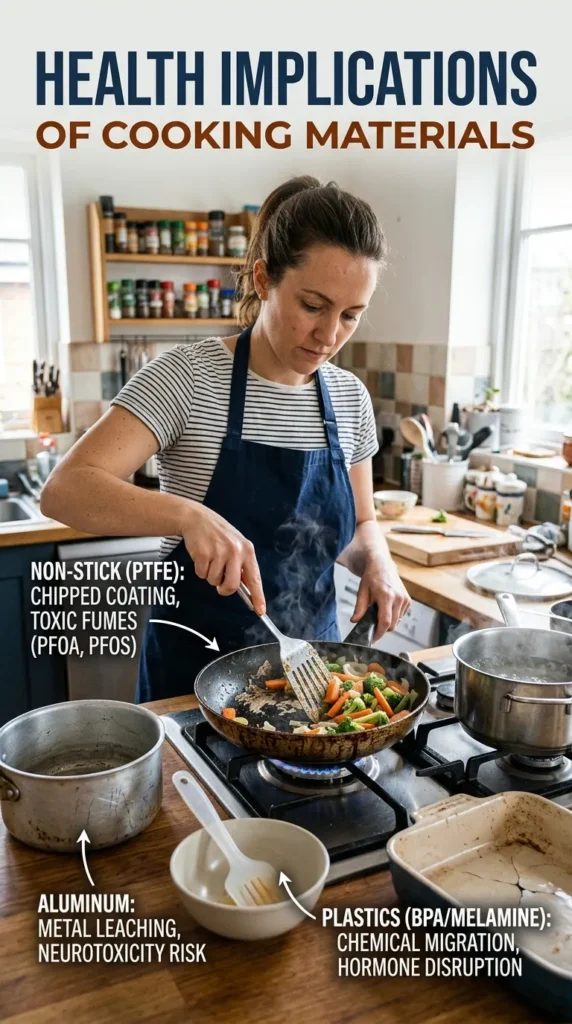
The material your cooking pan is made of can affect more than just the efficiency with which you cook. For example:
Nonstick coatings can emit toxic chemicals, particularly if overheated. It’s best to go with PFOA-free options as a safety precaution.
Food cooked in cast iron gets iron as well, which is kind of good. But in people with conditions such as hemochromatosis, excess iron can be dangerous.
And while stainless steel is one of the safest materials, high nickel content can cause allergies in some people. Opting for lower-nickel versions can help to solve this problem.
Copper reacts with acidic foods that can become a problem in digestion. Always choose non-reactive lined copper pans.
Cooking Performance
Your cooking pans can have a big impact on how your dishes turn out. Here’s how various materials affect cooking performance:
| Material | Heat Conductivity | Durability | Maintenance |
|---|---|---|---|
| Stainless Steel | Moderate | High | Dishwasher-safe, though it might require polishing |
| Cast Iron | High | Very High | Requires seasoning, hand wash only |
| Non-Stick | Medium | Medium | Recommended hand wash, do not use with metal utensils |
| Copper | Very High | Low | Requires polishing, hand wash only |
| Aluminum | High | Medium | Hand wash recommended; avoid acidic ingredients in uncoated pans |
How quickly and evenly heat spreads during cooking varies with each material, which in turn can affect cooking times and methods. As an example, copper pans are best suited for recipes that need accurate temperature monitoring, like candy-making, whereas cast iron pans are used for slow-cooking and browning meats.
Final Thoughts
When shopping for cooking pans, their health effects as well as their cooking performance are important. Choosing the right material affects not only the taste of your food but also how good it is for you and your family. Read up on the materials at Healthline, then think about how these factors may play a role in your own cooking experience. Your decision can have a big impact — not just in your kitchen but also on your health.
There are a few basic but highly effective ways to care for your cooking pans, which can help improve their durability.
Best Cooking Pans
Caring for your cooking pans is important if you want them to last longer and work more efficiently in the kitchen. Whether your pan collection is made up of non-stick, stainless steel, cast iron, or copper cookware, each requires its own special care. Here are some key tricks to help your cooking pans last longer.
Understanding Different Cooking Pans
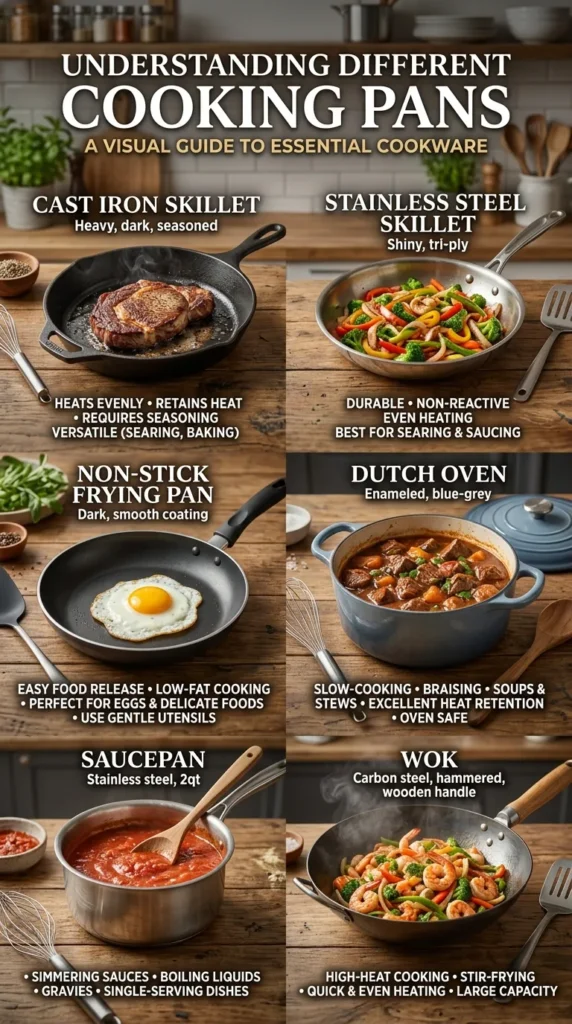
Before getting to care tips, it’s important to know the particulars of each type of cooking pan.
| Type | Care Tips | Durability |
|---|---|---|
| Non-Stick | Use wooden or silicone utensils, avoid high heat. | 3-5 years |
| Stainless Steel | Clean using baking soda, avoid acidic foods. | 10-20 years |
| Cast Iron | Season regularly, avoid soap. | Lifetime |
| Copper | Polish often, hand wash only. | 5-10 years |
Be especially careful with non-stick pans — stay clear of metal utensils, which can scratch its surface. Instead, use wooden or silicone spatulas. Never heat these pans on high temperatures, damage to the non-stick coating can occur. For cleaning, use warm soapy water and a gentle sponge; do not soak them for long periods of time.
Stainless Steel Pans
If using stainless steel pans, preheat first before oil or food to prevent sticking. When cleaning, pour baking soda on the surface as a scrubbing agent. It keeps their shine and protects them from oxidation. If you cook acidic foods such as tomatoes, rinse the pan soon after cooking so that it doesn’t dull.
Cast Iron Pans
Cast iron needs a little more love. Rinse after each use with hot water, and only use soap if absolutely needed. When you store it away, apply a very thin coat of oil to keep the pan seasoned. If food does stick, you can scrub with some coarse salt to dislodge it without stripping the seasoning.
Copper Pans
Copper pans are gorgeous, but they can be prone to tarnishing. Keep them shining by regularly polishing them with a mix of vinegar and salt. They should always be hand-washed as the lining can deteriorate. Never toss copper pans in the dishwasher, which can ruin their looks and performance.
Storage Solutions for Pans
Storing them properly also helps in prolonging the lifespan of your cooking pans. Here are a few strategies:
- Use Pan Protectors: Place protectors or cloths between stacked pans to avoid scratches.
- Hang Your Pans: Hang on hooks if you can so there’s less opportunity to clutter and damage.
- Fixed location for pots and pans: Choose a place to store them evenly.
Final Thoughts
With proper cooking pan care, you can even extend their lifetime and improve your cooking experience. Each type of pan has unique needs, but with these care tips you can keep them in good quality. For more in-depth details on individual pans and care, see Serious Eats and Food Network.
This can help achieve better cooking processes and a more productive kitchen.
Popular Brands Faceoff: Cooking pans that Provide the Best Bang for your Bucks
Tools that are essential for cooking When it comes to cooking, the right tools are required. One of the most important kitchen tools is a good cooking pan. The range of cooking pans available makes it difficult to find which brands provide the most value. So, how do some of the popular brands stack up?
Non-Stick Pans
Because non-stick pans allow you to prepare food without it sticking, they are well-loved as they make cleanup a breeze. Here are a few leading brands of non-stick:
- Anolon: Anolon is popular for its durable and hard-anodized pans. GreenIf, on the other hand, offers non-stick pans that are PFOA-free. The Hard-Anodized Aluminum non stick line is especially popular.
- Tefal: For many home cooks, Tefal is a trusted name. These non-stick pans are built with a special heat indicator that lets you know when the pan is at optimal temperature.
- GreenPan: For a healthier option, GreenPan offers ceramic non-stick technology free of harmful chemicals. It is pans like theirs that are good for cooking but also safe.
Stainless Steel Pans
Stainless steel pans are tough and built to last. They do not react with foods, which makes them very useful in a variety of foods. Here are some options:
- All-Clad: Much like the Ferarri of pots, this brand is generally regarded as the gold standard in stainless steel cookeware. They make their pots and pans with bonded metals that provide great heat conduction.
- Cuisinart’s stainless steel line has a brushed stainless finish and is dishwasher safe. Quality without worrying your wallet, basically.
- Scanpan: Known for non-stick pans, their stainless steel line is environmentally friendly and made with recycled materials, provides exceptional heat distribution.
Cast Iron Pans
Cast iron pans are prized for heat retention and superb searing ability. If they are well maintained, they can remain for a lifetime. Here are some popular brands:
Lodge: This classic American brand has affordable, pre-seasoned cast iron pans that are ready for you to use.
Le Creuset: The famous French purveyor of enameled cast iron is better known for its colorful mid-century cooking vessels, but they are made to work atop the stove and in (or out) of the oven.
Choosing the Best Value
| Brand | Type | Features | Price Range |
|---|---|---|---|
| Calphalon | Non‑Stick | PFOA‑free, even heat distribution | $$$ |
| Tefal | Non‑Stick | Heat indicator | $$ |
| All‑Clad | Stainless Steel | Durable, bonded metals | $$$$ |
| Lodge | Cast Iron | Pre‑seasoned, budget‑friendly | $ |
Considerations for Your Purchase
Here are a few factors to keep in mind when selecting the best cooking pans for your kitchen:
- Material: Certain materials can influence cooking techniques as well as food flavor. Non-stick, for instance, is lovely with delicate food and browning is perfect for stainless steel.
- Durability: If the brands offer warping warranties or guarantees, that is usually a sign of quality.
- Price: There should be a right balance between quality and cost. Buy things that might cost a bit more up front but last much longer.
- Care: Some require more than others. For instance, a cast iron pan requires seasoning; stainless steel can typically go in the dishwasher.
Whether you opt for this brand or any other, high-end cooking pans make a world of difference. To find out more details and reviews, head over to Consumer Reports and Cooking Light for some valuable info. Detailed reviews and ratings on these websites can help guide you in buying the best cooking pans that suit your kitchen needs.
Conclusion
The best cooking pans are the secret weapon of every home chef hoping to step up their game. In this guide, we have discussed all sorts of cooking pans for different types of recipes so you have them available at your disposal! Key features like heat conductivity, durability and maintenance are important factors to consider before picking the perfect pan for your kitchen.
Material matters—a lot. From non-stick surfaces to stainless steel and cast iron, the material choice can affect not only your pans’ performance but also your health. So it’s important that the materials you pick also won’t leach harmful substances into your food, while providing the cooking efficiency you need.
Taking care of and maintaining your cooking pans can help increase their longevity, which is good not only for your bank account but also the environment. Following basic care guidelines, like steering clear of abrasive cleaners and properly seasoning cast iron, will keep the integrity of your pans intact for years to come.
To assist you in making informed decisions about which cooking pans provide the most bang for your buck, we compared popular brands. We hope this helps you find a good cooking pan. Take into account all these things, and creating unforgettable plates will feel easy and exciting. So go and pick the right pans for you, so that you can discover the enjoyment of cooking with their benefits.