

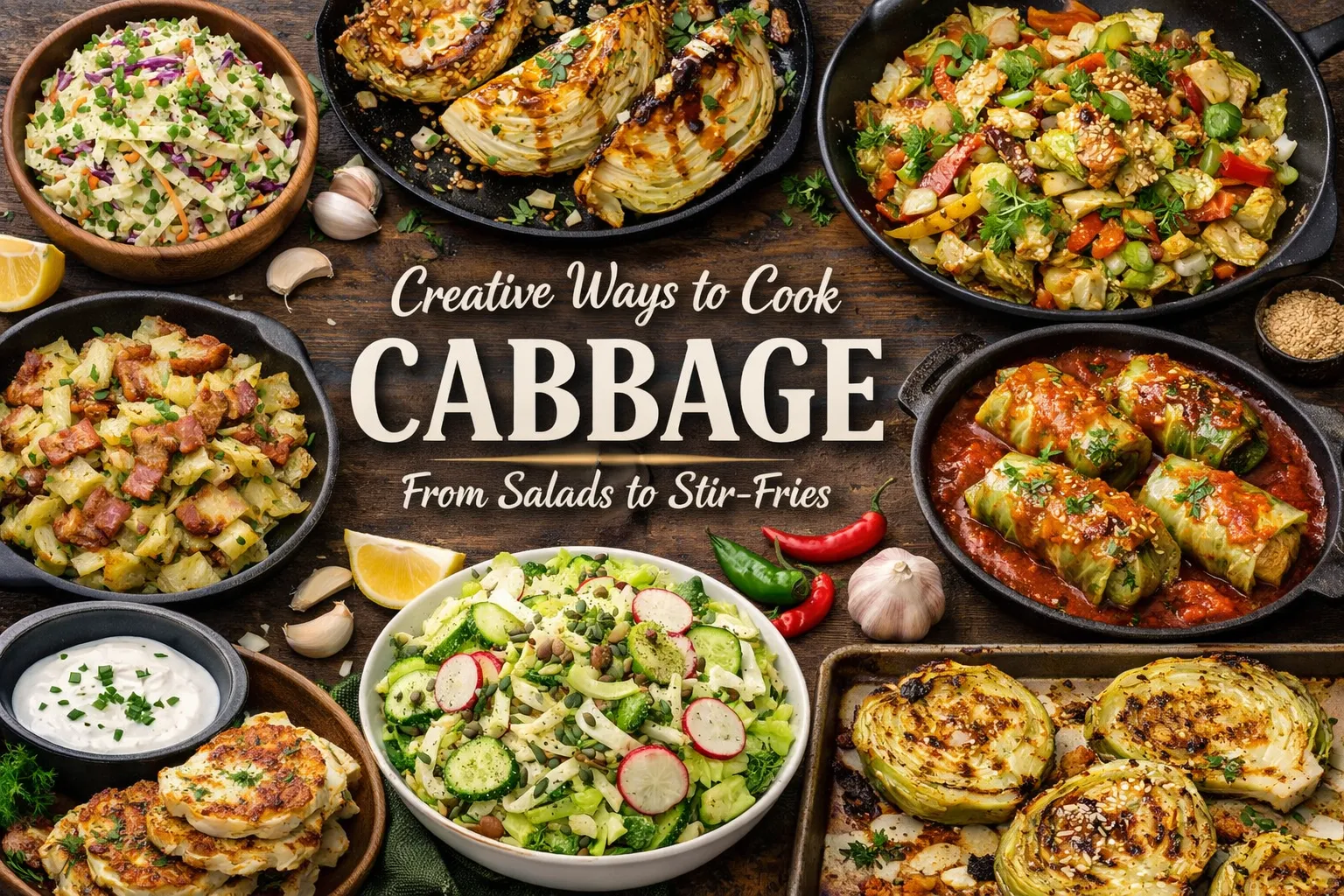
Every cooking, none is healthier and can easily fit into many recipes: Cabbage. Crisp From Salads to cooking-cabbage even a hearty soup, cabbage can be your loyal Creative Ways to Cook Cabbage are some creative way to cook cabbage that can elevate your meals.
Salads that Pop
Cabbage salads are colorful and refreshing. You can mix green and red cabbage for a vibrant look. Here are a few variations:
- Coleslaw: This classic dish is a perfect side for barbecues. Combine shredded cabbage, carrots, and a tangy dressing made from mayonnaise, vinegar, sugar, salt, and pepper.
- Cabbage and Apple Salad: Add some sliced apples and walnuts for a crunch. A honey mustard vinaigrette ties the flavors together.
- Asian Cabbage Salad: Incorporate sesame oil, soy sauce, and rice vinegar with shredded cabbage, cilantro, and crunchy noodles for an Asian twist.
Stir-Fries
Stir-frying cabbage is quick and effective, making it a great addition to your weekday dinner. Here’s a simple stir-fry recipe:
- Simple Stir-Fried Cabbage:In a large skillet or wok, heat some oil. Then, add cabbage (sliced), garlic and onion. Stir-fry for about 5 minutes. Serve drizzled with soy sauce and sprinkle with sesame seeds for added flavor.
- Cabbage and Beef Stir-Fry: Brown strips of beef. Mix in shredded cabbage, bell peppers and a splash of oyster sauce. This is a hearty meal that could be served over rice or noodles.
Soups and Stews
Cabbage adds depth to soups and stews. It’s a perfect way to warm up during colder months:
- Cabbage Soup: Combine vegetable broth, diced tomatoes, onions, carrots, and shredded cabbage. Season with herbs like thyme and bay leaf. Let it simmer until the cabbage is tender.
- Hearty Cabbage Stew: Throw in potatoes, carrots, and sausage for a robust meal. Let everything simmer in a rich broth for a satisfying dish.
Roasted Cabbage Steaks
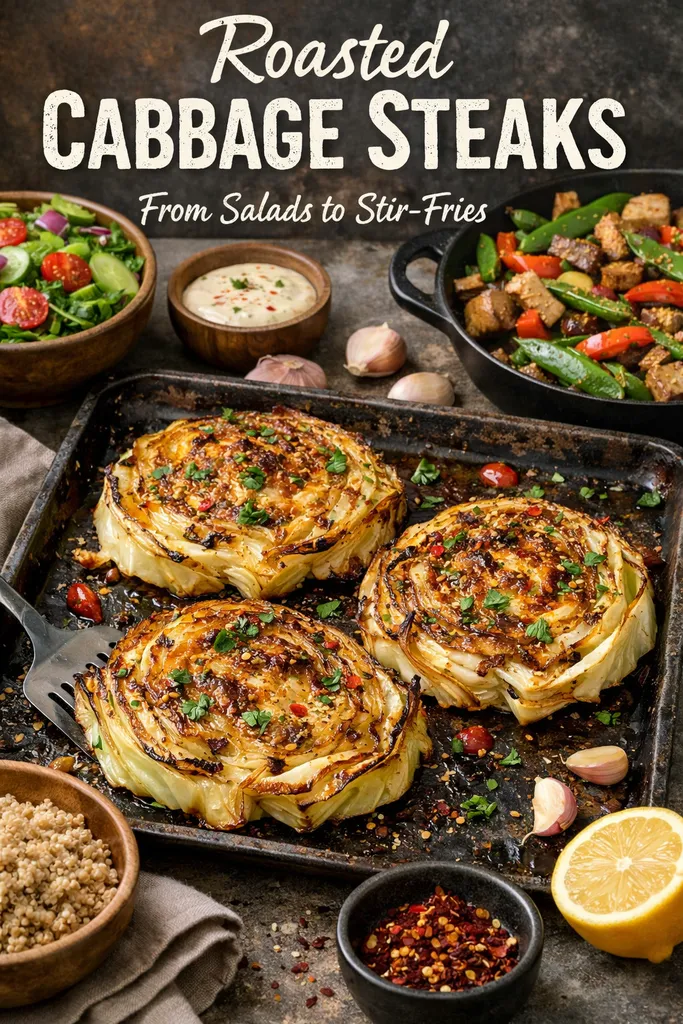
Roasting cabbage brings out its natural sweetness. Here’s how to make cabbage steaks:
- Preheat your oven to 400°F (200°C).
- Slice the cabbage into thick rounds, about 1 inch each.
- Brush both sides with olive oil, then sprinkle salt, pepper, and any herbs or spices you like (paprika, garlic powder, and parmesan work great).
- Place on a baking sheet and roast for 25-30 minutes until the edges are crispy.
Fermented Delights
Cabbage is also perfect for fermentation. Making your own sauerkraut or kimchi can provide probiotics beneficial for your gut health:
- Sauerkraut: Shred some cabbage and mix with salt. Pack it tightly into a jar, allowing the natural juices to create a brine. Let it ferment for 1-4 weeks.
- Kimchi: Spicy fermented cabbage made with chili powder, garlic, ginger, and fish sauce. It’s vibrant, crunchy, and perfect for adding a kick to your dishes.
Cabbage in Wraps and Rolls
Cabbage leaves are great for wraps and rolls. They can be a low-carb alternative to tortillas:
- Stuffed Cabbage Rolls: Fill cooked cabbage leaves with a mixture of ground meat, rice, and herbs. Bake in a tomato sauce for a comforting meal.
- Cabbage Wraps: Use raw cabbage leaves to wrap up various fillings like grilled chicken, veggies, or hummus for a healthy option.
Cabbage development isn’t just set dressing; it can be the headliner of your supper. And learn these cooking methods to express what it can do.” For more recipe details and inspiration, see Love & Lemons and Food Network.
Now cabbage is an exciting ingredient in its own right, packed with goodness and versatility. Unique Recipes to Impress Your Family And Friends!
The Nutritional Benefits of Including Cabbage in Your Diet
Sure, cabbage gets a bad rap from its bottom-of-the-food-pyramid status, but with every green leaf comes an impressively varied lineup of nutrients. From healing smoothies and salads; This leafy green not only has tons of uses in a dish but also, offers vitamins and minerals that promote good health! So if you’re looking to eat better, cabbage is a great one!
There are many that you listen to regarding the cabbage, but one among them would be it has less calories. There are roughly 22 calories in one cup of raw cabbage. It is great for the purpose of managing weight but in addition providing other essential nutrients. These biscuits are also rich in dietary fiber which helps to maintain a healthy digestive tract and keeps you full for longer helping you lose weight.
Here are some key nutritional components that cabbage offers:
- Vitamin C: Cabbage is a good source of Vitamin C, essential for the immune system function, skin health, and overall well-being. A cup of chopped cabbage will give you roughly 85% of your daily recommended intake.
- Vitamin K: This vitamin is also important for bone health and blood clotting. Cabbage: One of the best sources, a single serving covers around 45% of your RDA.
- Folate: Folate is vital during pregnancy for fetal development and can help reduce the risk of some birth defects. Cabbage contains a decent amount of this important B vitamin.
- Antioxidants: Cabbage is rich in antioxidants, which can help prevent cell damage and reduce inflammation in the body.
Cabbage into your meals can be both delicious and simple. Here are several ways to prepare and enjoy this nutritious vegetable:
- Raw: Adding chopped cabbage to salads or coleslaw is a refreshing way to enjoy its crisp texture and nutritional benefits.
- Cooked: You can sauté, steam, or stir-fry cabbage. Cooking can help improve its digestibility while maintaining most of its nutrients.
- Fermented: Fermented cabbage, like sauerkraut or kimchi, not only enhances flavor but also gives you probiotics, which are beneficial for gut health.
Cabbage is an adequate nutritious vegetable and has been associated with many health benefits. Eating cabbage regularly may help reduce risk of chronic diseases, including cardiovascular diseases and certain cancers. This vegetable is a good source of glucosinolates, compounds thought to help protect against cancer.
Also, cabbage has another unique property — it’s anti-inflammatory. If you are trying to see some avoid inflammatory benefit, green tea has very high antioxidants, vitamin K and U so it will give you good help with this point especially for those of you who have arthritis or inflammatory disease.
Cabbage also is a natural detox. It’s rich in fibre, which helps digestion, and there are compounds in cabbage that actually help the liver. That is — critical, to your body’s natural detoxification processes.
To visualize just how beneficial cabbage can be, consider the following nutrients per 100 grams of raw cabbage:
| Nutrient | Amount | % Daily Value |
|---|---|---|
| Calories | 25 | 1% |
| Vitamin C | 36.6 mg | 61% |
| Vitamin K | 76 mcg | 64% |
| Folate | 61 mcg | 15% |
| Fiber | 2.5 g | 10% |
Cabbage is incredibly easy to add to your diet. There are varieties of cabbages found in local markets or grocery stores green, red or Savoy cabbage. And their versatility in recipes — soups, stews, slaws and wraps — makes them an easy addition to your weekly meal plan.
In light of all these merits, we can see that cabbage is not something to be disregarded. You can glimpse it and read more health benefits of cabbage and other veggies at Healthline, WebMD and the like. So, munch on this healthy vegetable to reap all its health benefits.
Exploring Different Varieties of Cabbage and Their Uses
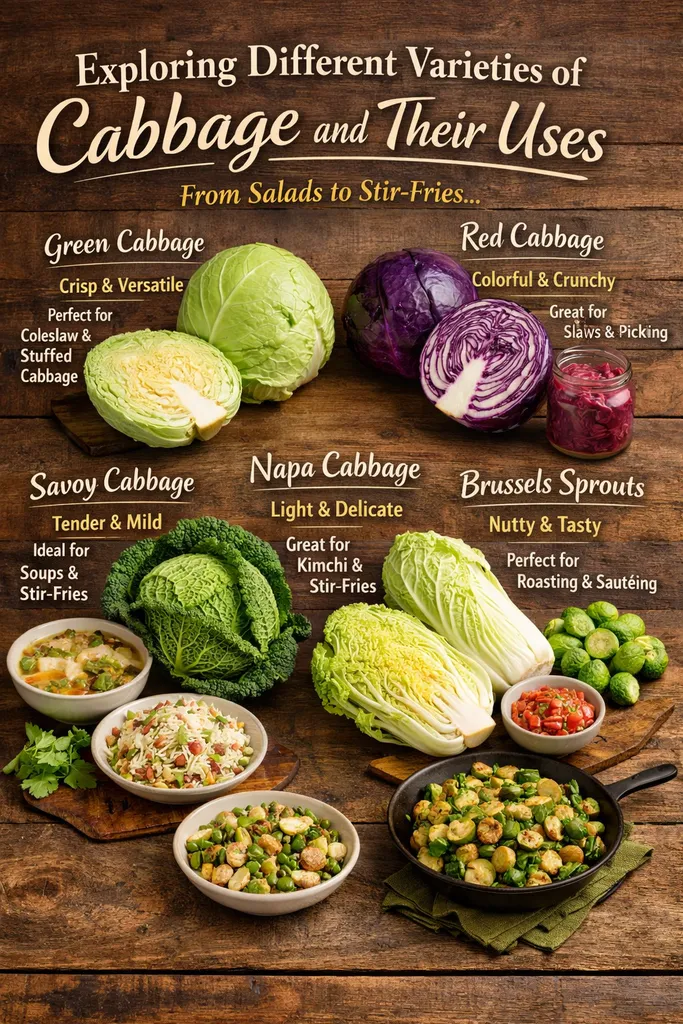
Cabbage is a catch-all term for various types of vegetable that share some commonalities but each offer up a different experience to the palette and the nutrition department. The rest of the words here will give you other kinds of cabbages and their common uses that would add more versatility to our cooking skills and let more vegetables show up in our food.
Green Cabbage
Green cabbage is the most common variety available in grocery stores. Its crunchily tight leaves are crisp and nearly bland. Its versatility renders it god for salads, slaws, stir-fries and soups.
- Uses: Great for coleslaw, sautéing, or even as a wrap for fillings.
- Cooking Tip: To enhance sweetness, try roasting it!
Red Cabbage
Red cabbage isn’t just a pretty face. Not only that vivid color creats visual interest but also It is a rich source of antioxidants. It is usually a bit more peppery than its green version.
- Uses: Best for salads, pickling, or braising. It can also be used to color rice or other dishes.
- Cooking Tip: Pairing with apple or citrus can balance its flavor nicely.
Napa Cabbage
Napa cabbage, sometimes called Chinese cabbage, has a milder taste and a more delicate texture. Its elongated leaves make it popular in Asian cuisine.
- Uses: Perfect for stir-fries, kimchi, or as a wrapping for dumplings.
- Cooking Tip: Enjoy it raw in salads for a fresh crunch!
Savoy Cabbage
Savoy cabbage, with its pebbly leaves and tender body, has gentler flavor. It’s more tender and delicate than green and red cabbage, which makes it a welcome addition to many dishes.
- Uses: Ideal for soups, sautéing, or stuffed cabbage rolls.
- Cooking Tip: Try to lightly steam it to retain its texture without losing nutrients.
Brussels Sprouts
Brussels sprouts are baby cabbages, part of a separate class of vegetable all their own — brimming with flavor and full of nutrition. They sing when they’re roasted or sautéed, coaxing their inherent sweetness.
- Uses: Great roasted with olive oil, added to salads, or even used in casseroles.
- Cooking Tip: Finishing with balsamic glaze can bring out their best flavors.
| Type of Cabbage | Flavor Profile | Best Uses |
|---|---|---|
| Green Cabbage | Mild | Salads, stir-fries, soups |
| Red Cabbage | Peppery | Salads, pickling |
| Napa Cabbage | Mild | Stir-fries, kimchi |
| Savoy Cabbage | Gentle | Soups, stuffed dishes |
| Brussels Sprouts | Sweet | Roasted, salads |
As you explore all the culinary miracles that cabbage can perform, don’t overlook what it brings to the table health-wise. A low-calorie source of vitamins C and K, cabbage can help sustain balanced eating. different kinds not only contribute to your meal’s nutrient profile, but also keep your palate busy.” For many more detailed recipes and the whole story on cooking cabbage, see Food Network or comprehensive guides at Serious Eats.
Green cabbage may be good for shredding for a crunchy salad, while red cabbage is best braised as a comforting side; they each have unique traits that can help elevate your dishes. So the next time you’re shopping, don’t hesitate to go for a more exotic cabbage and explore its culinary power in your home kitchen.
Tips for Preparing and Storing Cabbage for Maximum Freshness
When it comes to cooking, the quality of cabbage is crucial. Here are 10 reasons you should be using it more often if you aren’t already: Cabbage is one of the most versatile vegetable options. To enjoy the full spectrum, you must know how to cook cabbage and keep it fresh. Below are a few tips to help keep your cabbage crisp and tasty.
Choosing the Right Cabbage
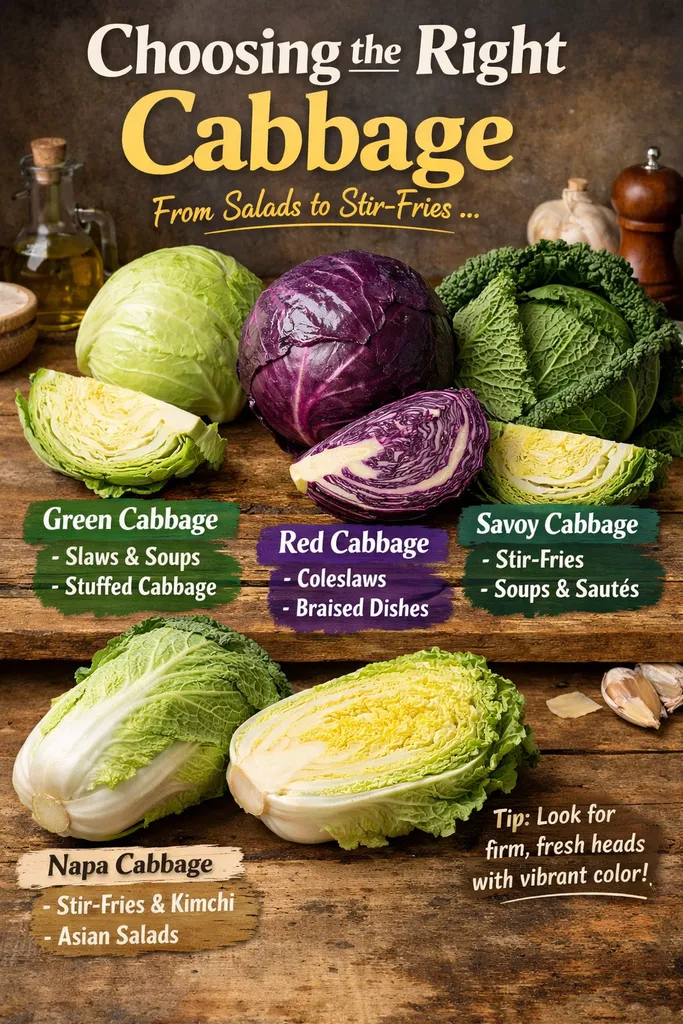
So the first step is to pick a right cabbage. If cabbage has a tight head, look for heads that feel dense for their size. The leaves should be crisp, bright and unblemished. Kale and Savoy cabbage differ in flavor and texture, which makes them better for certain types of dishes.
It starts with a good head of cabbage. Choose a cabbage that feels heavy for its size and firm to the squeeze. Its leaves should be crisp and fresh, bright and unblemished. If you have good cabbage of some other variety — green, red, Savoy — you can basically trade one for the other (they are each their own flavor and texture that works best with certain kinds of dishes).
Preparing Cabbage
Once you have chosen your cabbage, proper preparation is essential. Follow these steps:
- Wash Thoroughly: Rinse cabbage under cold water to remove any dirt or pesticide residues. Use a vegetable brush for extra cleanliness.
- Removing the Core: Place the cabbage on a cutting board. To remove the core, cut out a cone shape from the bottom with a sharp knife. Be careful not to take too much of the leaves.
- Cutting the Cabbage: Depending on how you plan to use it, slice the cabbage into wedges, shreds, or chop into bite-sized pieces. Aim for uniform cuts to ensure even cooking.
Cooking Methods
Cooking cabbage brings out its flavors and can alter its texture. Here are some common cooking methods:
- Boiling: Boiling cabbage is quick and easy. Boil water in a pot, add the cabbage, and cook for 5-10 minutes until tender.
- Steaming: Steaming helps to retain the nutrients in cabbage. Place the cabbage in a steam basket over boiling water, cover, and steam for about 5-7 minutes.
- Sautéing: For a flavorful option, sauté cabbage in a pan with olive oil, garlic, and spices. Cook for about 5-8 minutes, stirring frequently.
- Roasting: Roasting cabbage adds a nutty flavor. Cut the cabbage into wedges, drizzle with olive oil, season with salt and pepper, and roast in the oven at 400°F (205°C) for 20-30 minutes.
Storing Cabbage
Storing cabbage correctly helps maintain its freshness and prolong its shelf life. Here are some effective storage tips:
- Refrigeration: Store whole cabbage heads in the crisper drawer of your refrigerator. Keep them in an unsealed plastic bag or slightly open to allow air circulation.
- Cut Cabbage Storage: If you have cut cabbage, wrap it tightly in plastic wrap or place it in an airtight container. This will help keep it from drying out.
- Freezing Cabbage: You can freeze cabbage for longer storage. Parboil it first while for 2-3 minutes and then dunk into ice water and drain. Store in freezer bags, pushing out excess air.
Using Leftover Cabbage
Don’t let leftover cabbage go to waste! Here are ways to use it:
- Make coleslaw by shredding cabbage and mixing it with a dressing of your choice.
- Add cabbage to smoothies for added fiber and nutrition.
- Incorporate it into stir-fries with other vegetables and proteins for a hearty meal.
To learn more about cooking cabbage and how to store it, check out EatingWell for recipes and techniques or visit Healthline for nutritional benefits.
These pointers will help you ladle the health benefits and delicious taste into your dishes for maximum return on investment. With proper picking and storing, cabbage will be a hearty mainstay of your meals!
Cultural Dishes Featuring Cabbage Around the World
Cabbage is a leafy and versatile vegetable that appears in a multitude of cultural dishes across the world. From fresh and crunchy salads to thick, steaming stews, cabbage has a particular knack for absorbing flavors and elevating a dish. Thus, here are some popular cabbage-based dishes from around the world with its socio-cultural importance and variations.
Kimchi – South Korea
Kimchi is a traditional Korean food which becomes popular in Korea and also abroad. This spicy, tangy dish is made from fermented napa cabbage and a variety of seasonings. This process not only amplifies its flavor but increases its health benefits, which is why kimchi plays an important role in the Korean diet.
Coleslaw – United States
Coleslaw is an American classic served most frequently at barbecues and picnics. It is made up of shredded cabbage, carrots and a dressing — which can be mayo or vinegar based. The crunchiness of cabbage works beautifully with grilled meats, and so it’s a signature summer dish.”
Sauerkraut – Germany
Sauerkraut is finely-shredded fermented cabbage that has a distinctly sour taste. A German fare staple, it’s most often served with sausages or as a sandwich filling. Fermenting cabbage not only preserves the vegetable, but also imbues it with a characteristic flavor that complements rich meats.
Golabki – Poland
Golabki, or stuffed cabbage rolls, are leaves of cabbage filled with ground meat, rice and spices. The rolls are then simmered in tomato or mushroom sauce that is a wholesome dish to warm the soul. A Polish staple, this dish is typically served during family occasions and celebrations.
Dolma – Turkey
Dolma is the name for grape leaves stuffed with a filling that is typically rice, pine nuts and spices (cabbage leaves can be filled too). It’s a kind of reflection of the culinary traditions from some spots in the Mediterranean and Middle East. They can also be enjoyed warm or at room temperature, making dolma an ideal dish for all occasions.
Rösti – Switzerland
So this is rösti, the Swiss potato preparation that’s often further textured and flavored with cabbage. And though potato is the most prevalent ingredient, cabbage helps make it even heartier. Rich and cheesy and crispy, rösti can come as a side or an endearing stand-alone.
Stamppot – Netherlands
Stamppot is a Dutch comfort food, a kind of mashing together potatoes with vegetables, often though not exclusively cabbage. It is often served alongside a sausage, and its velvety quality and the less-assertive crackle of cabbage makes it one of those dishes that brings comfort in the colder months.
Bubble and Squeak – United Kingdom
This British favorite is a brilliant way to use any leftover veg, typically cooking it into potato and cabbage fritters. The name “bubble and squeak” derives from the sounds the ingredients make as they fry in a pan. It’s most often eaten for a hearty breakfast or as a side with meats.
Recipe Ideas and Tips
If you’re inspired to incorporate more cabbage into your meals, here are a few cooking tips:
- Try roasting cabbage wedges with olive oil and spices for a caramelized flavor.
- Add shredded cabbage to soups for extra texture and nutrients.
- Use cabbage leaves as wraps instead of tortillas for a low-carb option.
- Stir-fry cabbage with your favorite vegetables and protein for a quick one-pan meal.
Learn more about Kimchi
Discover Coleslaw recipes
Get to know Sauerkraut
Explore Golabki preparation
Find out about Dolma
Cabbage holds deep cultural significance and culinary capability around the world. From beloved comfort foods to healthy options, this unsung vegetable belongs on your plate.
Conclusion
Cabbage is a most versatile vegetable which adds flavour and textures to every course. The possibilities for cooking cabbage — fresh salads or stir-fries with a kick, warming soups, ethnic dishes and more — are endless. Cabbage is not only delicious, but it is also packed with important nutrients like vitamin C, fiber and antioxidants.
And as you move on to different kinds of cabbage — green, red and Savoy among them — ubiquity cedes ground to flavor, new things to cook and ways to do it. Each variety has its personality, daring you to experiment with flavors and discover the best pairing for your next dish. With a bit of prep knowledge, and storage tips to follow, you can extend the useful life of even the lowliest cabbage,having this healthy ingredient at your fingertips whenever you need it.
So, whether you’re a cook veteran or new to the kitchen, do not dismiss this lowly vegetable. Adding cabbage to your diet not just enhances the nutritional value but there are a lot of delicious options. So try cooking cabbage and enjoy all its flavors and health benefits!
v