

If you’re preparing to roast a standing rib roast, cooking times are of the essence for success in your final dish. When properly done, standing rib roast is juicy, tender and very flavorful – it will always be the superstar for any special meal. Here’s a simple guide to help you know when you’re getting closer to juicy (or overcooked).
Cooking Times Chart
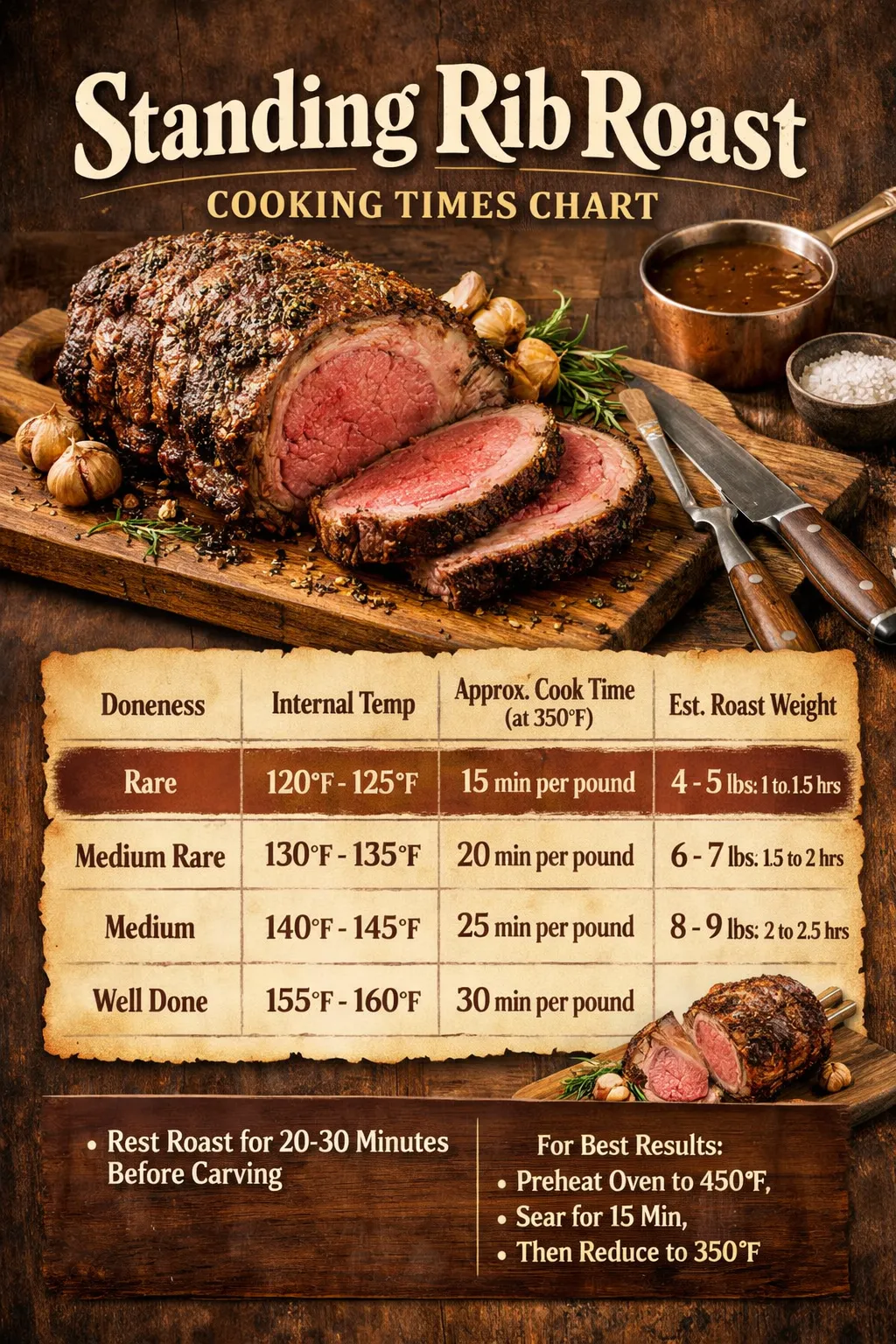
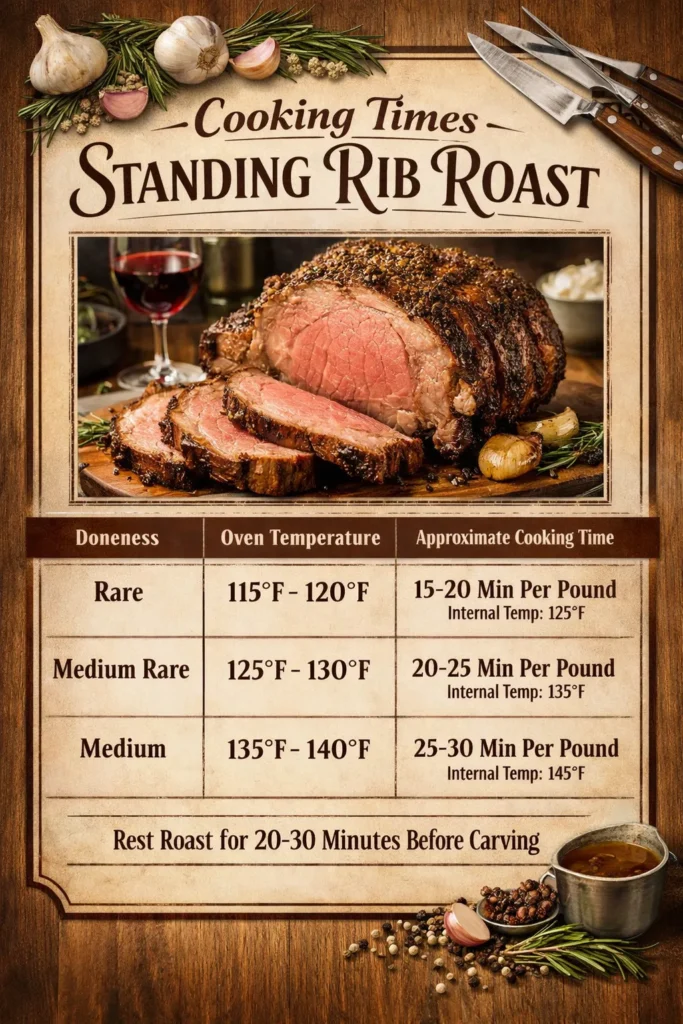
The cook time for a standing rib roast depends on it’s weight and how you like your meat cooked. Here is a chart for approximate roasting times:
| Weight of Roast (lbs) | Rare (125°F) | Medium Rare (135°F) | Medium (145°F) | Medium Well (150°F) | Well Done (160°F) |
|---|---|---|---|---|---|
| 3 | 1.5 hours | 1.75 hours | 2 hours | 2.25 hours | 2.5 hours |
| 4 | 2 hours | 2.25 hours | 2.5 hours | 2.75 hours | 3 hours |
| 5 | 2.25 hours | 2.5 hours | 2.75 hours | 3 hours | 3.25 hours |
| 6 | 2.5 hours | 2.75 hours | 3 hours | 3.25 hours | 3.5 hours |
| 7 | 2.75 hours | 3 hours | 3.25 hours | 3.5 hours | 3.75 hours |
These times are for cooking at 325°F. Just remember, the roast should be pulled from the oven when it’s about 5°F below your target temperature. The roast will carry on cooking a little after you remove it, as it’s surrounded and insulated by hot air.
Chart for Cooking Times Standing Rib Roast
Factors Affecting Cooking Time
As with anything, there are factors that can influence how long your standing rib roast will need to cook:
Starting Temperature Preheating roast to room temperature before roasting ensures more even cooking and possibly slightly less time.
Oven Calibration: Having a good oven calibration could help you in avoiding the under or overcooking.
Resting the Roast
Allow standing rib roast to stand at room temperature for 1 hour before cooking. In a small bowl, combine the olive oil, garlic, salt and pepper together then rub the mixture all over the roast.. This way the juices are able to redistribute through the meat and in return you get a juicier tastier roast. If you carve too soon, those tasty juices will flow away.
Additional Tips for Perfection
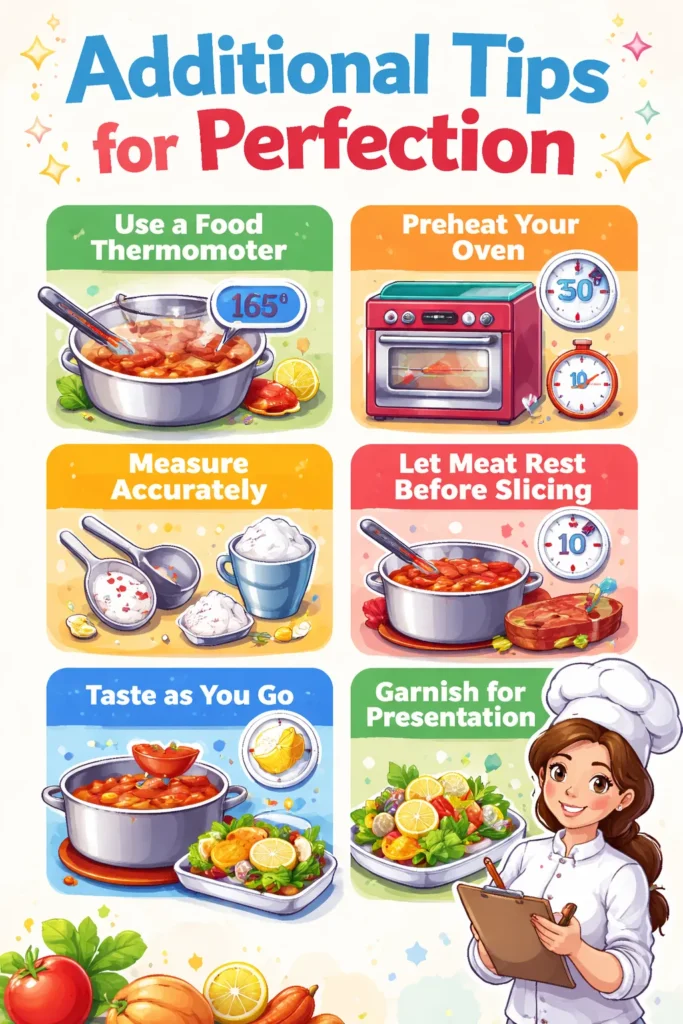
If you want to take your standing rib roast to the next level, try these advanced cooking techniques:
Season Well: Salting heavily with other flavorings, like garlic and herbs mixed in a rub, is what develops the beautiful crust.
Reverse Sear: Begin the roast in a low oven, then finish it with high-heat sear for a crispy crust.
Use a Rack: Roasting the roast on a rack allows hot air to circulate around it, creating better surface browning.
Roasting a standing rib roast is a culinary skill that gets easier over time. Use this guide, but don’t forget the all-important rest and seasoning to perfect the flavor.
For some more expert takes on roasting times, you might check out Serious Eats or Food Network. On these sites, you shall find all about how to make cooking an easy … Read More 30 Best Cooking Websites DesignProgress Infini Most of the best professional websites have been created with the most common languages and technology in mind – wordpress, adobe portfolio.
Scroll Down For Specific Cooking Times for Standing Rib Roast.
How long to cook a Standing Rib Roast – For reference, here are the times:
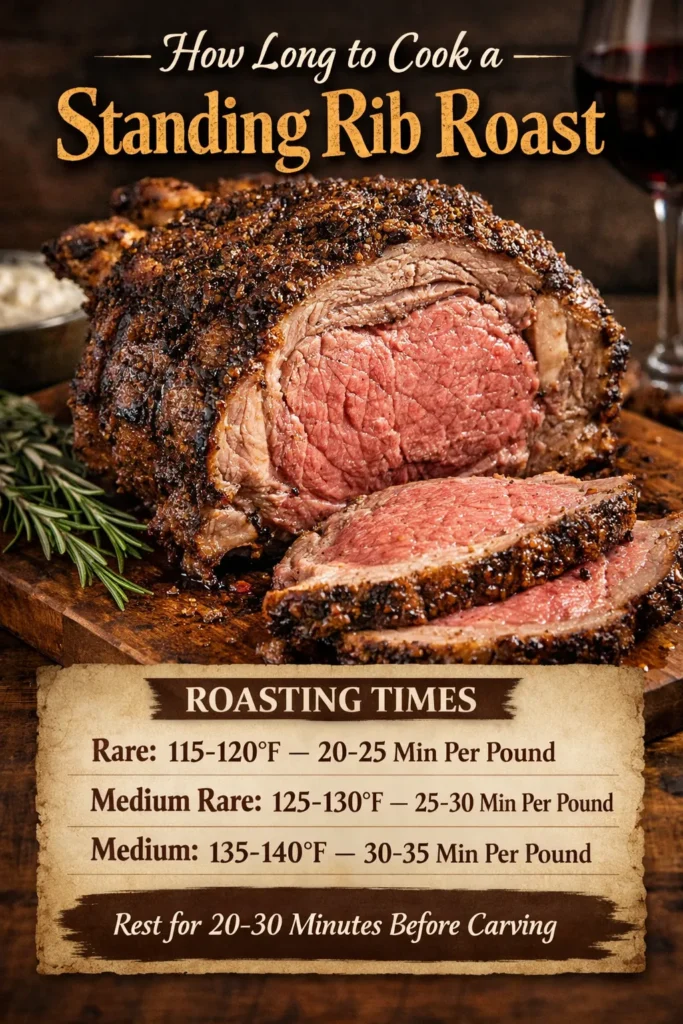
When it comes to preparing a standing rib roast, it is important not only to know how long to cook the meat (which my favorite recipes listed above will tell you), but also what factors can affect the cooking time. For a special meal that you want to turn out perfect there are several things you need to pay attention in preparing the roast.
Size of the Roast
The weight of your standing rib roast greatly affects the cooking time. The larger the roast, the more time it takes for the meat to cook in an oven. As a general rule, expect these cooking times per pound for a medium-rare finish:
| Weight (lbs) | Cooking Time (minutes per pound) |
|---|---|
| 2–4 | 20–25 |
| 5–7 | 15–20 |
| 8–10 | 12–15 |
Calculate the total cooking time by multiplying the weight of the roast in pounds by the corresponding cook-time per pound. For a medium-rare roast, an 8-pounder will take anywhere from 96-120 minutes, for example.
Desired Doneness
Another important consideration is how you like your roast cooked. If you want it rare, a few minutes; if you like it medium, a few minutes longer. Here’s a handy reference to doneness temperatures:
| Doneness | Internal Temperature (°F) |
|---|---|
| Rare | 120–125°F |
| Medium Rare | 130–135°F |
| Medium | 140–145°F |
| Medium Well | 150–155°F |
| Well Done | 160°F and above |
Remember, the roast keeps cooking after it comes out of the oven (this is called carryover), so don’t be afraid to take a peak. So you might want to pull it when the final temperature will be 5-10°F shy of your target.
Cooking Method
The way in which it is cooked will also affect timings. High roasting temperature for a crustier exterior, but it must be cooked less time, while slow roasting means equal cooking all the way through. Here are two popular methods:
High Heat Roasting: Begin at 450°F for the first 20-30 minutes to get that nice crust forming before lowering the oven temperature to 325°F and roasting away.
Slow Cooked: Keep the heat at an even 325 degrees all day long.
Oven Calibration
Resting Time
Your roast should rest for no less than 20 to 30 minutes after cooking. So the juices can redistribute, making the end result more flavorful and moist. If you do not rest, the meat would become dry.
Bone-in vs. Boneless
A bone-in standing rib roast is generally going to take longer to cook than a boneless one. The bone serves as an insulator so more time is needed for all over cooking. Keep this in mind when planning your meal, and prepare to shorten the cooking time.
Why does that matter?It means you know exactly how to time your standing rib roast for the perfect meal for any occasion. To ensure you nail it, watch the oven closely and use a meat thermometer to monitor the doneness of your roast. Some rules, such as portion size, doneness preference, cooking method and resting — that is to say preparing in advance — can be at work for a better plate of food.
For additional cooking times and methods for standing rib roast, visit Serious Eats or take a look at Food Network to learn more on preparation techniques as well as recipes.
Various Ways to Cook Standing Rib Roast: The Good and the Bad
Beef Standing Rib Roast Cooking Times Referance Chart
In cooking a standing rib roast, there are several approaches to producing good in particular tasty results, each with its own merits and disadvantages. Whether it’s a party or just Sunday supper there is an ideal roast for the occasion, know these methods and what goes into each one can help you get your desired perfect roast. Here we take a look at some favorite methods of cooking.
Oven Roasting
If there’s a more classic way to cook a standing rib roast than the oven, either with or without herb paste for crust, I don’t know what it is.
With these two ways, you can decide based on what you like and how much time is available to dedicate (flavor profiles changing depending on method). Whichever cooking method you choose, attention to temperature and style can help guarantee a lick-the-plate clean standing rib roast. If you need help with how long and at which temperature to cook the different types, you can refer to Serious Eats or detailed guides from Food Network.
| Cooking Method | Cooking Time | Ideal Temperature |
|---|---|---|
| Oven Roasting | 15–20 minutes per pound | 325°F (163°C) |
| Reverse Searing | About 60 minutes at 225°F plus searing | 225°F (107°C) and then high heat for searing |
| Sous Vide | 6–8 hours (at lower temps) | 131–140°F (55–60°C) |
| Grilling | Depending on thickness; ~10–15 minutes per pound | Medium-high heat, around 350°F (177°C) |
How to Use a Meat Thermometer for Perfect Standing Rib Roast Cooking
There are a lot of ways to mess up a standing rib roast and end up with dry, overdone meat. A meat thermometer is a vital tool that’ll help you make sure your roast isn’t overcooked. How to correctly use a meat thermometer Knowing how to properly use a meat thermometer can take your cooking up another notch and ensure the perfect roast every time.
First you need to pick just the right kind of meat thermometer. Common choices can be an instant-read thermometer, a probe-style thermometer or a digital one. Each has its unique characteristics:
Instant-Read Thermometers: Great for a rapid read, these will give you the current temp in mere seconds. Great for those who like to test the temperature numerous times while cooking.
Probe Thermometers : These are generally inserted into your meat and left there for the duration of cooking to monitor temperature over time. This will help keep you from opening the oven so often.
Digital Thermometers: They have display that present the temperature in very less time. Some may even have alarms to let you know when the desired temperature is reached.
Before you start cooking, it’s helpful to know the temperature ranges of a standing rib roast. Here’s a handy guide for preferences of doneness:
Doneness
| Doneness | Temperature (°F) |
|---|---|
| Rare | 120–125 |
| Medium Rare | 130–135 |
| Medium | 140–145 |
| Medium Well | 150–155 |
| Well Done | 160+ |
To use a meat thermometer accurately, do the following:
How to Make Prime Rib: Remove roast from refrigerate and let it warm at room temperature for 30-60 minutes before you are ready to cook. This helps ensure even cooking.
Insert the Thermometer: Insert the thermometer into the thickest part of roast without touching bone. Your bones are heat conductors, and that can Standing Rib Roast Cooking Times Chart lead to an incorrect reading.
Monitor the Temperature: If you have a probe thermometer, watch the cooking progress. If you have an instant-read thermometer, take the temperature during the last 30 minutes of cooking.
Remove at The Right Time: Consult your temperature guide, and remove the roast from oven at around 5-10F below its ideal doneness. The roast will keep cooking as it rests.
Rest Time: Let the roast sit for at least 15-20 minutes before carving. This allows the juices to redistribute so that you end up with a nice juicy and tasty dinner.
It takes a little practice and attention to detail but using a meat thermometer properly will reward you with well-cooked meat every time. For further guidance on cooking techniques, do drop by Serious Eats for all their great tips and tricks!
Another good resource has been Cooking Light, with some great thoughts on roasting which will also improve your standing rib roast!
Just keep in the back of your mind that even nice piece of meat, needs love. With the help of a probe thermometer, you would be able to make sure your prime rib is perfectly cooked, according to my instructions. But don’t be afraid to try different levels of doneness and find which suits you best, and do enjoy a tasty roast!
Best Side Dishes for Standing Rib Roast to Complete the Meal
When it comes to preparing a feast for friends and family that includes a standing rib roast, you’ll want to give some thought to what the perfect side dishes will be – just anything won’t do when set next to this luxurious piece of meat. These are some great side choices that truly take your meal and make each bite a delight.
Classic Pairings
A standing rib roast is a grand spectacle, its surface bronzed and shiny with fat and sweetened by timeetyou et when Englishmen would puncture the top crust of their standing rib roast halfway through cooking to press a series of potatoes down into the melting fat in the roasting pan. Here are some time-tested accompaniments:
Garlic Mashed Potatoes: Rich and luscious mashed potatoes flavored with garlic enhance the hearty pot roast by providing a bit of comforting texture.
Yorkshire Pudding: The classic puffy, baked pastry that absorbs the roast’s juices to make every bite even more delicious.
Roasted Brussels Sprouts: The very own taste itself of this vegetable goes perfectly well with beef and it’s even better when roasted to crisp perfection, finished off with a dribble of balsamic glaze.
Vegetable Accompaniments
Rustic and full of sweet, earthy flavors that’s somehow brightened up a bit by fresh ginger thyme!ϖI also love the idea of tossing in broccoli or snow peas anyways – not only does it make everything so colorful and pretty but adds freshness to pair with all those heavy belly warming flavors. Consider these options:
Glazed Carrots: Sweet and tender glazed carrots with honey or maple syrup are the perfect pairing for the savory roast.
Asparagus with Lemon Zest: Steamed or Standing Rib Roast Cooking Times Chart roasted asparagus simply topped with lemon zest provides a light and refreshing flavor to pair alongside it.
Green Beans Almondine: Sautéed green beans with toasted almonds deliver good crunch and extra flavor that compliments beef nicely.
Salads for Freshness
For once, a salad can make your meal feel lighter. Here are some new salads to try:
Classic Caesar Salad: Refreshing romaine, rich dressing and crispy croutons are just what the rib roast needs to balance it out.
Wedge Salad- This is just a piece of iceberg lettuce topped with blue cheese dressing and bacon bits but if you like something to crunch between your teeth, this is it!
Arugula Salad: A light and peppery arugula salad with thin sliced pears and walnuts is a nice touch of elegance.
Sauces to Enhance Flavor
Think about serving side sauces that might make the standing rib roast even more exciting. One thing we might consider are a few others:
| Category | Options / Description |
|---|---|
| Sauce | Horseradish Cream Sauce – Earthy and creamy with a fiery kick Red Wine Reduction – Decadent, brings depth and enhances the roast’s natural flavors Mustard Sauce – Piquant, contrasts the richness of the meat |
| Starch Options | Roasted Potatoes – Salt and pepper roasted, easy and tasty Herb Rice Pilaf – Delicate, fragrant, doesn’t steal the show Polenta – Creamy with Parmesan, cozy and pairs well with roast |
| Desserts to End the Meal | (To be added based on preference) |
Don’t forget dessert! A sweet ending is the perfect choice for a good meal! Consider these choices:
Mousse au Chocolat: Fluffy and decadent, this is the way to end the meal.
Cheesecake: If you would like something creamy to finish off your meal, go for the cheesecake with Berry Topping.
Apple Pie: Topped with a scoop of vanilla ice cream, the classic apple pie is always a hit.
For inspirations of the perfect sides to your standing rib roast, take a look at Fine Cooking and Food Network.
Whether you are throwing a fancy party or just trying to whip up a spectacular meal, these sides are guaranteed to impress your guests and elevate any feast that you prepare. Authentic purées, beautiful salads, rich sauces and more come together in a harmony that pays tribute to the hearty standing rib roast.
Conclusion
Finally mastering your standing rib roast is much simpler than you might think, thanks to a little guidance and one chart breaking down the cook times for various factors. And remember, the quality of your roast depends not only on your chosen method but also such variables as roast size, start temperature and desired doneness.
Whether you opt for slow-roasting in the oven or searing first on high heat before letting it go low and slow, each path has its advantages and disadvantages. I think the key is to figure out what’s best for you and your kitchen. A meat thermometer you trust will be your best friend in allowing you to know the internal temperature of when the roast is done. This gadget will end the need to play roast roulette, guessing when you have reached that ideal doneness whether rare or well done.
For a more luxurious meal, serve your standing rib roast with delectable sides that perfectly complement the rich flavors. Some mashed potatoes, roasted vegetables or a salad on the side and one has an equitable meal.
Combine the cooking times chart, an understanding of what’s going on and you using the best method for your particular roast and sides Factors at play know with reasonable certainty that you’re bringing a standing rib roast to your table With mastery of: You. Have fun with the roasting process and enjoy the tasty results!