

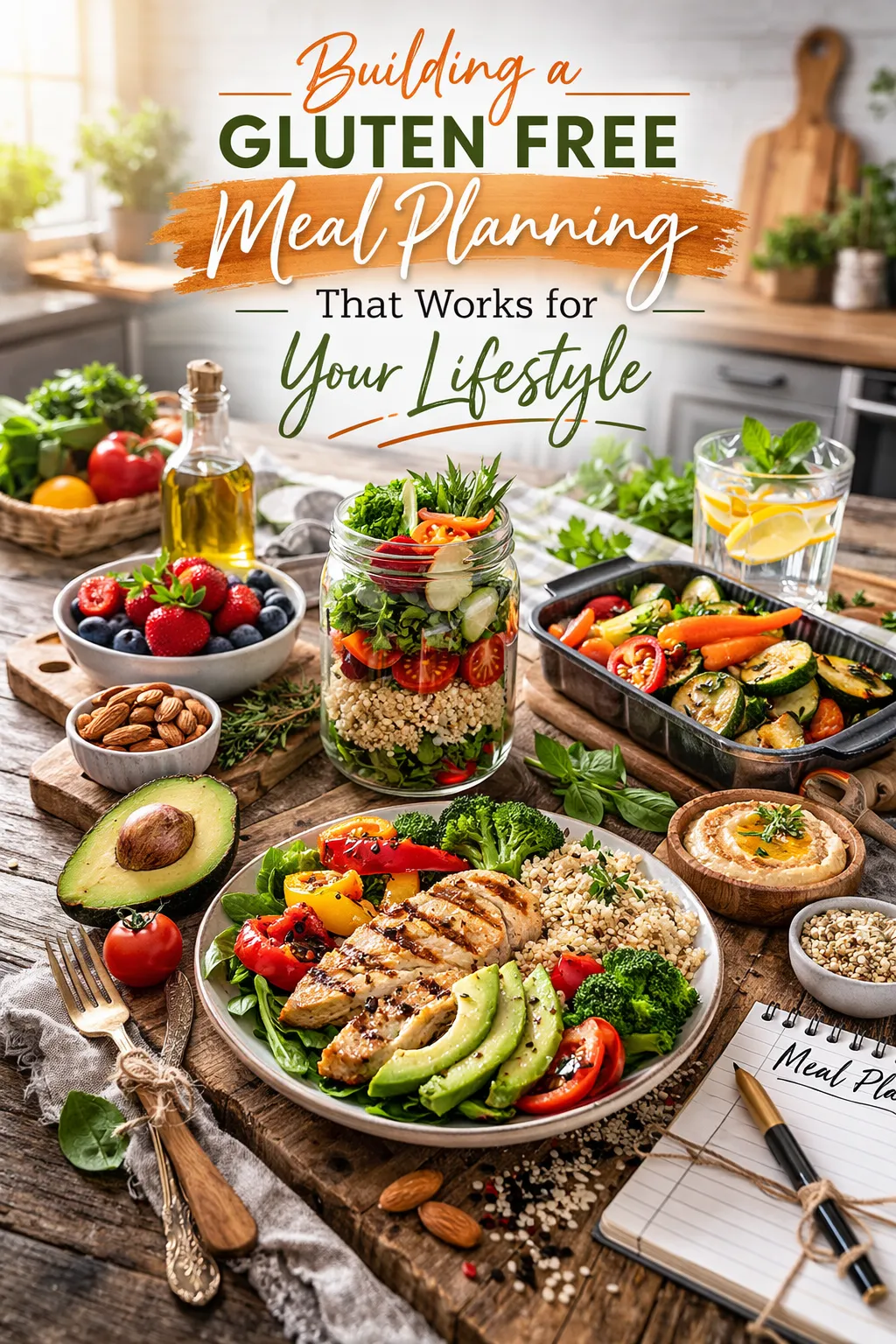
I have talked before about how stocking a gluten-free pantry is one of the most helpful ways to streamline your daily eating. Stock your kitchen with the best ingredients and products, and meal planning becomes a breeze — even fun! You won’t be running around frantically looking for something decent to grab for lunch or not being able to pick what you want.
Building a great gluten-free pantry begins with knowing what works best for your lifestyle and diet preferences. Do you make most meals at home, or are you into fast and easy? Do you suffer from celiac disease and are adhering to a gluten-free diet, or is this a path that you have chosen for health reasons? Your responses to these questions will help determine what you keep on hand and how you might organize your pantry space.
Essential Grains and Flour Alternatives
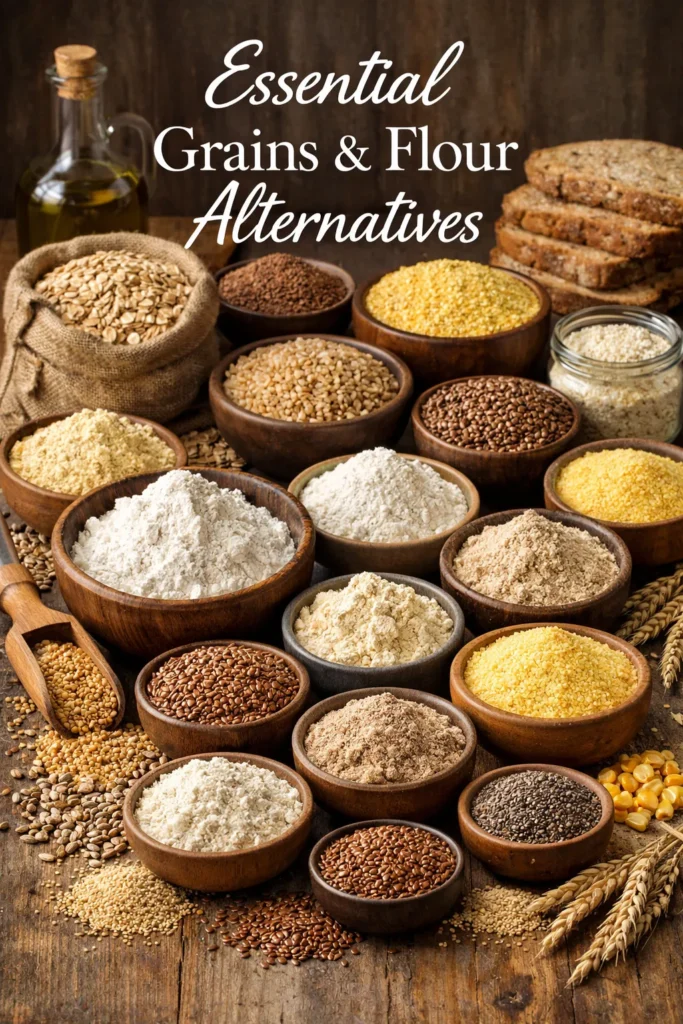
One of the major changes to gluten-free meal planning is replacing standard wheat flour with suitable substitutions that work with your cooking style. A tub of rice flour is a versatile and inexpensive staple in many homes. Baking it in almond flour is great and more nutritious. Coconut flour is wonderful if you want added fiber, but it absorbs liquids differently than other flours in recipes.
You could also keep oat flour around if you can tolerate gluten-free certified oats. You can use tapioca starch and cornstarch for thickening sauces and improving the texture of baked goods. The selective antioxidants, proteins, and minerals found in these flours are the hallmarks of what help give your recipes that special edge. Try different pairings to see what serves your taste and diet most.DriverLayer Protect.
Keep naturally gluten-free whole grains such as quinoa, millet, and buckwheat in your pantry. Whole grains such as brown rice, wild rice and certified gluten-free oats add hearty breakfast and side dish options. These grains provide you with freedom when it comes to your meal planning and make certain that nutritious base ingredients are always at hand, whenever creative cooking motivation sparks.
Building Your Baking Section

Baking with no gluten involves more than a mere substitution of flour. You’ll need to keep xanthan gum or psyllium husk on hand; these products help create the texture and structure that you get from gluten. You’ll need baking powder and baking soda, but be sure that your baking powder is certified gluten free.
Splurge for the good quality vanilla extract – it helps a lot of your baking goods taste great! Restrain from your cupboard cocoa powder, chocolate chips and vanilla powder for when you need to make treats in a jiffy. Honey, maple syrup and agave nectar are sweeteners for your whole30. Don’t forget eggs, butter and maybe some coconut oil or olive oil if that’s how you prefer to cook.
Proteins and Pantry Staples
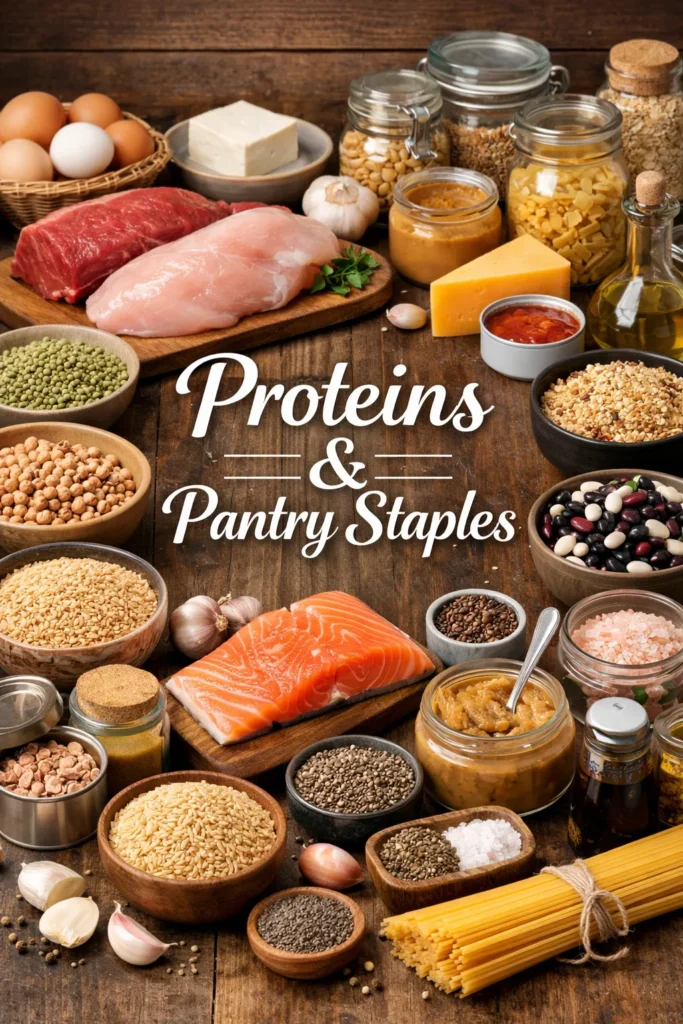
Keeping a good selection of proteins in your pantry makes planning meals gluten-free so much easier. Canned beans, lentils and chickpeas offer speedy plant-based proteins for soups, salads and entrees. Almonds, Walnuts, Sunflower Seeds & Pumpkin Seeds Nuts and seeds such as almonds walnuts sunflower seeds and pumpkin seeds are options for on the go snacking as well as quick energy.
Buy canned tuna, salmon or sardines to whip up fast, protein-packed lunches. Peanut butter and nut butters as spreads, dips or ingredients to different foods. If you eat meat, think about what proteins you like to eat and how you’ll store them in your freezer so they’re accessible when it’s time to do your meal planning.
Sauces, Seasonings, and Flavor Builders
For gluten-free meal prep, flavor is everything because you want your meals to be delicious, not boring. Load your pantry with an array of spices and seasonings: Garlic powder, onion powder, cumin and paprika are good spaces to start here; Italian seasoning and black pepper will also serve you well. Fresh herbs such as basil, rosemary and thyme can be dried for year-round use.
Have a few vinegars on hand: apple cider vinegar, balsamic vinegar and rice vinegar. These lend brightness to dishes without calling upon gluten-filled ingredients. Gluten-free soy sauce alternatives such as tamari let you make Asian dishes with confidence. Varieties of salsa, hot sauce and mustard can liven up basic proteins and vegetables.
Oils and Cooking Essentials
You need to have several types of cooking oils in your pantry. It is great for salads and low heating cooking. I love coconut oil for baking and cooking at a high heat. “Avocado oil has a more-neutral flavor profile and a high smoke point, so it lends itself to many cooking applications.” Great for authentic Asian dishes.
Use pan release for easy removal of our bread pans and baking dishes. These staples help guarantee you’re always armed with the essentials for gluten-free cooking success.
Snack and Convenience Items
When putting together your gluten-free meal planning approach, do not overlook the wonder of having filling snacks ready to go. Keep gluten-free crackers, granola, protein bars and dried fruits on hand for fast hunger busters. Popcorn is gluten-free and provides a low-cost, filling snack.
Have nuts and trail mix premixed for busy days. And keep some gluten-free pasta on hand; it comes together so quickly for something so good. Gluten-free bread mixes enable you to spend your time simply making, without spending hours in the kitchen.
Organizing Your Gluten-Free Space
Arrangement is vital to successful gluten-free meal planning. Set aside a shelf or section of your pantry for all the gluten-free items to reduce cross-contamination and ensure easy shopping. And use clear containers complete with labels so you can see exactly what you have and when something is getting low.
Group like items together: all the flours here, all the baking supplies there, canned goods over in that section. This saves time when you’re planning meals or working on recipes. Keep track of everything you use often, and never be caught without the essentials again.
Making Smart Shopping Decisions
When you spend with intention, your gluten free meal planning becomes more budget friendly. Bulk up on staples like rice, beans and oats when you can. Compare prices on specialty
| Topic | Details |
|---|
| Time-Saving and Control | Planning gluten-free meals gives you time savings and control over nutrition, keeping your energy levels steady and kitchen stress-free. |
| Perceived Difficulty | Many think meal prep takes too much time or skill, but with strategic planning, you can easily cook quick, gluten-free meals for the week. |
| Basics of Gluten-Free Meal Planning | Understanding gluten-free food choices is essential. Gluten is in bread, pasta, cereals, and sauces, so base your meals around naturally gluten-free options. |
| Foundational Ingredients | Proteins (chicken, fish, eggs, beans), vegetables, fruits, and gluten-free grains (rice, quinoa, certified gluten-free oats) form the core of gluten-free meals. |
| Healthy Eating Pattern | Building meals around these basics creates a healthy eating pattern that’s easy to follow and keeps you on track. |
Creating a Weekly Planning System
Begin by choosing what you want to eat in the week. Choose three breakfasts, three lunches and three dinners. This is how you get variety without chaos. Twice (which you can also scatter over the week) So that will give you 6 breakfasts, 6 lunches and 6 dinners. This routine keeps you from growing bored of your schedule, while still providing some order to your days.
You’ll be writing down every meal and the food items/ingredients that you need. Take stock of your pantry and refrigerator before you shop. That way when you go shopping, you don’t buy what you already own. Categorize similar things in your shopping list. Have proteins in one section, vegetables in another and pantry-staples on a third. This can save time at the store and keep you on track.
Frugal Gluten Free Smart Shopping for Gluten Free Success
First shop the perimeter of your grocery store. This is where living foods play. Pick up your vegetables, fruits, proteins and dairy. Then head to the inner aisles for gluten-free grains, oils and seasonings. Always read labels carefully. There are many products that claim to be healthy but are high in gluten.
Purchase from shops that sell gluten free products. Most major (and even some smaller) grocery chains now have dedicated gluten-free aisles. Internet shops also provide convenience and range. Compare prices between different stores. Purchasing in bulk for staple items you use frequently saves dollars over time.
| Staple Item | Benefits | Storage Tips |
|---|
| Rice and Quinoa | Complete proteins, versatile | Cool, dry pantry |
| Eggs | Quick protein, affordable | Refrigerator, 3-4 weeks |
| Frozen Vegetables | Nutritious, convenient | Freezer |
| Canned Beans | High in fiber, pantry-friendly | Pantry, up to 1 year |
| Olive Oil | Healthy fats | Cool, dark place |
Designate 1 day for cooking in bulk. Sundays are good for a lot of people, but whatever works for you. Prepare your proteins, chop your vegetables and measure out your grains in one fell swoop. This focused effort takes two to three hours but spans your entire week.
Invest in quality storage containers. Best are glass containers, since these also last longer and aren’t likely to absorb odors or stains. (Plastic containers are lighter and easier to drag home.) Each container should contain one meal. Then you will label them the name of the meal and date cooked. The vast majority of prepared meals sit well in the fridge for three or four days.
Portions can also be frozen for future weeks. Any kind of soup, stew or casserole freezes really well. Frozen grains will keep up to three months. Meatballs and chicken, ground turkey all work well when frozen too. This method allows for flexibility and minimizes waste.
How to Build a Balanced Meal Throughout the Day
Each meal should contain protein, good fat and “the right” carbohydrates. Protein helps keep you full and builds muscle. Healthy fats are good for your brain and heart. Carbohydrates provide energy. When all three are in balance, your blood sugar remains even and the energy dips never come.
| Topic | Details |
|---|---|
| Challenges of Dining Out Gluten-Free | Staying gluten-free outside the kitchen requires strategy, confidence, and communication, especially at restaurants, parties, and family meals. |
| Preparing Before You Go Out | Preparation is key: research restaurant menus online in advance to ensure they cater to gluten-free diets. Look for nutritional information and allergen details. |
If you can’t find the information that you’re looking for, call in advance. If you speak to the restaurant staff, you get to find other more about how they prepare their meals. Pose specific questions to them about how they address cross-contamination, what kind of oil that are using for frying and if there is gluten in their sauces.” If you notify the staff in advance, they can let the kitchen know to take special care when preparing your meal.
Get recommended apps that will help you locate gluten-free restaurants near you. These tools allow you to read reviews by people also on a gluten-free diet and find restaurants that are consistently good with properly handling requests for gluten-free meals. Before you go, you can discover lists of naturally gluten-free items on the menu.
Communicating Your Dietary Needs Clearly
Communicate clearly to ensure your gluten-free dining out experience is a safe one. Don’t imagine that fat or sugar or gluten is understood by a restaurant worker as being bad for your health because you don’t want it. Just a few words that are less than ideal if you want to be confident the kitchen staff will take proper precautions.
Instead, be more detailed in your explanation. ” If you have celiac disease, express it plainly: “I have celiac disease, and that means I can’t ingest any gluten whatsoever. Even just a small amount can make me really sick.” This is a much stronger assertion than a mere preference.
Speak to your server, and don’t hesitate to ask for the manager or chef if you have questions. Identify particular dishes on the menu and inquire about specific ingredients and how they are cooked. Inquire if the restaurant can make your food in a separate, gluten-free space. Ask them to use clean knives and cutting boards.
When you order, be assertive and clear about what you want. Instead of “no bread,” say “I have celiac, can you make sure my meal is completely gluten-free and made in a separate area?” This helps employees realize how seriously you take your request, and the attention with which you expect them to prepare it.
Choosing Naturally Gluten-Free Foods
Being able to identify which foods are naturally GF makes ordering at any restaurant so much more relaxing. Made your focus of whole foods and simple dishes; they are far less likely to sneak gluten. Pretty much everywhere has completely gluten free meats, fish, veg, rice and potatoes!
Grilled chicken, steamed broccoli and baked sweet potatoes is a safe choice for a healthy meal that doesn’t include any dairy. Plain seafood — baked, grilled or steamed — is not likely to have gluten unless it’s been breaded. Mexican eateries are pretty well suited to diners who can’t eat gluten — there’s corn tortillas, beans, rice and grilled meats as far as the eye can see. Asian cuisines can also be fine, although you will have to check that sauces don’t contain gluten-rich ingredients like soy sauce (which some consumers make from wheat).
Keep away from foods that contain hidden sources of gluten. Gravy, sauces, dressing are commonly made with wheat flour or regular soy sauce. Fried foods have the added risk of cross contamination in a shared fryer. Roux or other thickeners may have hidden gluten in soups and broths. Processed foods nearly always contain some form of gluten, so try to prepare your meals yourself.
Managing Social Situations Confidently
Social gatherings present their own set of problems distinct from a restaurant meal. If you’re asked to join someone in their home for a meal, suggest bringing a gluten-free dish to share. This way, you will have at least one safe option, and it will communicate to your host about what dietary restrictions matter most. A lot of hosts feel more comfortable when guests chip in on the meal.
Have a conversation with the host before hand. Arm them with information about what you can and cannot eat. People generally want to make their guests happy and appreciate the input. Offer to send them recipes or recommend what are safe ingredients. If they’re making a meal, ask for a simple one without sauces so you can decide how much to eat.
If it is potluck or buffet, bring your own main dish or hefty side. This way you will always have enough to eat and avoid any embarrassing situations. Ask about ingredients and preparation to single out which dishes may be safe. When unsure, just politely decline and enjoy what you brought.
Plan to bring the whole family to a holiday gathering and be worry free. Nibble something small before you arrive if you’re concerned there won’t be much to munch. Volunteer to bring particular dishes, as that will give you ingredient control. If some members of your family are skeptical about your diet, remain calm and factual. Share facts from sources such as the Celiac Disease Foundation to help them understand your situation.
Building Your Gluten-Free Travel Kit
Carry some snacks and essentials that are easy to carry when you’re eating out. A basic travel kit is the difference between going hungry and being miserable when restaurants let us down. Load up with nuts, fruit, gluten-free crackers, energy bars and cheese. These hearty options keep you going between courses or help to fill in when the restaurant can’t accommodate your preferences.
Business cards or printed message about your dietary needs inside. Give these to the wait staff so they can understand your needs. Some carry a “gluten-free card” in their native language, especially convenient for eating abroad.
Carry hand sanitizer and disinfectant wipes to sterilize your dining space. Restaurateurs are sometimes unable to ensure there won’t be cross-contamination. A swipe of your plate’s rim or nearby table is all you need for peace of mind.
Enjoying Gluten-Free Dining Successfully
The key to effective gluten-free meal planning for social situations is in the preparation, communication and self-advocacy. You deserve to be able to eat a relaxed meal with friends and family without risking your health or feeling afraid. You can always take control of your circumstances by researching your options go clean with your language and select foods that will naturally come free in terms of gluten.
Keep in mind that most restaurants and hosts are eager to assist. They just need clear information regarding what you want. As you practice these principles, eating out will feel more and
A Few Words on the Budget Friendly Side of Long Term Gluten Free Nutrition
Just because you’re living gluten-free doesn’t mean you have to spend a fortune on specialty products and specially labeled meal replacements. Lots of folks think living gluten-free means you have to break the bank, but with careful planning and savvy shopping, you can eat well without spending a fortune. Once you know where to spend versus where to save, it’s easy to develop a cost-effective gluten-free meal plan that works for your budget.
The secret to affordable meal planning is knowing what items are already gluten-free and which will offer you the most bang for your nutritional buck. Rice, beans, potatoes, fruits and vegetables are all naturally gluten free whole foods that cost a fraction of what pre-packaged GF food does. By basing your meals off of these staples, you’re able to save money on the whole while feeling well fed.
Be a Smart Shopper and Learn Your Store Layout
Knowing what aisle gluten free products live in means the difference between wasting time and money at the store. Plenty of naturally gluten-free foods don’t have fancy labels that tout gluten free, so they’re not as expensive as specialty products. Pay attention to different parts of your store and you’ll find ones that are priced low enough for what you need.
When you do have to purchase gluten-free products, compare prices per unit, rather than per package. When you can, getting a big pack is typically going to be the best value per ounce. Before you grab name-brand products though, compare them to the store’s generic or house brand; they are often 20-30% cheaper with almost no difference in quality.
Build Your Pantry Foundation
Having a well-stocked pantry takes away the reason to buy those expensive convenience foods when you’re hungry and unprepared. Begin with the utmost low-hanging fruit in terms of basic staples that serve as a foundation for countless meals:
| Ingredient | Details |
|---|---|
| Rice and Rice Flour (Different Strains) | Various strains of rice and rice flour are naturally gluten-free and versatile for many dishes. |
| Dried Beans and Lentils | Rich in protein and fiber, these are naturally gluten-free and great for meals. |
| Oats Labeled Gluten-Free | Certified gluten-free oats are processed in facilities free from gluten contamination. |
| Canned Vegetables and Fruits | Convenient, gluten-free options, but always check labels for additives or preservatives. |
| Cooking Oils and Seasonings | Most oils and seasonings are gluten-free, but check for hidden gluten in mixed or pre-packaged products. |
| Cornmeal and Cornstarch | Naturally gluten-free and great for baking, thickening sauces, or making gluten-free bread. |
| Baking Powder & Soda | Ensure the baking powder and soda are gluten-free, as some brands may contain gluten additives. |
These are the building blocks of frugal eats that hardly ever go bad. Once you have these basics on hand, you can make tasty recipes without turning to packaged ones.
Base Your Meals on Sales and Seasonal Foods
Planning what you eat for the week based on what’s on sale is one of the best ways to save money and bring down your gluten-free nutrition costs. Before you shop, see what your store has on sale this week and make your meal plan to accommodate inexpensive cuts of protein and produce, instead of the other way around.
Your best value and best nutrition is in fruits and vegetables that are in season. Root vegetables such as sweet potatoes, and carrots are less expensive during the fall and winter seasons. Summer, and with it the season of cheap berries and fresh greens. By eating with the seasons, you’ll spend less while promoting your local food systems.
Purchase in bulk, freeze smartly
When you buy the boon of many you will save on your cost-per-unit drastically. This method is especially effective with proteins like chicken and meatballs. When they’re cheap, buy a little more and freeze in meal-sized portions. You’re going to have proteins on hand that you can defrost when you need them, and waste less and make fewer impulse buys.
This, of course, applies to dry goods like rice and beans. There are now many stores that offer bulk sections, so you can buy exactly what you need without paying for unnecessary packaging.
Master Budget-Friendly Cooking Techniques
When you cook everything from scratch instead of eating processed gluten-free, the cost comes way down. On weekends, batch cooking can be done to produce several meals from one cooking attempt. Make batches of rice, roasted vegetables and seasoned proteins. You mix and match those components throughout the week, creating meals that don’t take more than 20-30 minutes to get on the table.
A reduced budget by using soups and stews Not to mention, soup or stew recipes are some of the most budget-friendly dinners! These one-pot dishes make your basic beans, lentils and root vegetables into an affordable and satisfying meal. The pot of vegetable and bean soup, even if made with just four vegetables and one inexpensive legume (or three or four for a mixed variety), can be had for pennies.
| Product Type | Basic Option | Price per Serving | Premium Option | Premium Price per Serving |
|---|
| Flour Substitute | Rice flour (store brand) | $0.15 | Specialty blend flour | $0.45 |
| Breakfast | Oatmeal (bulk) | $0.20 | Gluten-free cereal | $0.75 |
| Protein | Dried beans | $0.30 | Gluten-free meat substitutes | $2.00 |
| Snack | Popcorn | $0.10 | Gluten-free granola bar | $0.80 |
See if you can find local food co-ops or C.S.A. programs that supply fresh, affordable produce. These alternatives tend to offer better prices than most traditional groceries. Also, join the rewards programs at your grocery store to be able to clip coup
Key Takeaway:
Keynote Takeaways- How to Master Gluten Free Meal Planning for a Healthier You
Transitioning to a gluten free way of life doesn’t have to be stressful or limiting. Knowing the basics of gluten free meal planning allows us to build an approach that’s feasible for daily use. Newly diagnosed with celiac disease, gluten sensitivity or just decide to banish gluten from your life? These strategies can help you thrive.
Plan Strategically and Stay Organized
The key to winning at gluten free meal planning is be prepared. Set aside time each week to meal-plan. It also keeps you from having to make impulse choices last minute that will likely be unhealthy or unsafe. Love free foods & recipes: Make a list of all your gluten and wheat-free faves, from store cupboard essentials, to quick yet delicious meals you can whip up at any time. By knowing what you’re going to eat ahead of time, before hunger sets in, you can make more mindful choices that align with your health goals.
When it Comes to Your Kitchen, Make Sure You Stock It with the Good Stuff
Your pantry is your lifeline in the world of gluten free. Concentrate on stocking up with variety of naturally gluten free staples, so that you can mix and match: rice, beans, quinoa, potatoes and frozen vegetables. Feel free to use all gluten free certified products for convenience, but never depend only on them. The raw foods are the staples of any healthy gluten free diet. Keep your pantry tidy and this allows you to clearly see what is available for your meals and easily make healthy dishes.
Prepare Meals in Advance
Preparing meals and snacks during the week is what makes eating gluten free do-able vs just possible. Spend a couple of hours once or twice a week cooking proteins, chopping veg and portioning the whole lot out. Keep quick and easy healthy snacks stashed in your pantry so you’re not tempted to reach for unhealthy convenience foods when you’re busy or tired. You’ll spend less, eat better and reduce daily cooking stress.
Navigate Social Situations with Confidence
Navigating the social world gluten free takes talking to people and just a little bit of strategery. While eating out, call the restaurant in advance to discuss menu choices and prevention of cross-contamination. Take your own food to potlucks for you to have something safe. Feel free to convey your dietary needs to friends and family. Most will appreciate knowing and want to do anything they can to support you in your health journey.
Getting The Most For Your Money, Without Sacrificing Value
It is completely doable to eat gluten free on a budget. Buy generic goods instead of premium ones. Buy meat in bulk while it’s on sale and store it in the freezer. They could do shop sales, use coupons and pick seasonal produce. Forget pricey specialty ingredients and concentrate on naturally gluten free foods that are cheaper anyway. When you shop smart, you can keep a healthy diet without breaking the bank.
The roadmap to gluten free success is paved with preparedness, education and self compassion. These key principles fit together to form a realistic model for long-term gluten free living that promotes good health and is feasible for you.
Conclusion
Transitioning to gluten free meal planning should not be daunting or limiting. Through this guide, you’ve discovered success begins at home and the fundamentals that keep you on track and prepared. Create a pantry filled with high quality gluten free staples, and you make your life easier every day when it comes to cooking and eating.
The tips you learned can help keep your nutrition healthy. When you put in the time for meal prep, you’re not only saving hours throughout the week — but you’re also preserving your health all while sticking to what you’ve promised yourself. They are habits that just become a part of what you do.
You can also encounter real life outside your kitchen. Now you can dine out, get together with family and friends, and travel without fear of accidental gluten intake. Because being able to convey your dietary requirements and make healthy decisions when faced with the unknown allows you to live your life fully without sacrificing yourself in the process.”
Your wallet does not need to shrink on a gluten free diet. All the money-saving knowledge you’ve picked up demonstrates that eating well doesn’t require breaking the bank. Web-smart purchases, bulk buys and advance planning can lead to long-term savings without skimping on nutrition.
There’s no one-size-fits-all plan for gluten free meal planning. Begin with one or two of the approaches that match up best with your life, and then over time you can try more if you feel like it. Just know that progress is more important than perfection. Each meal you plan, each pantry item you stock and every dinner that goes off without a hitch helps you slog through all the messy awkwardness to build a new normal. You’ve got this.