

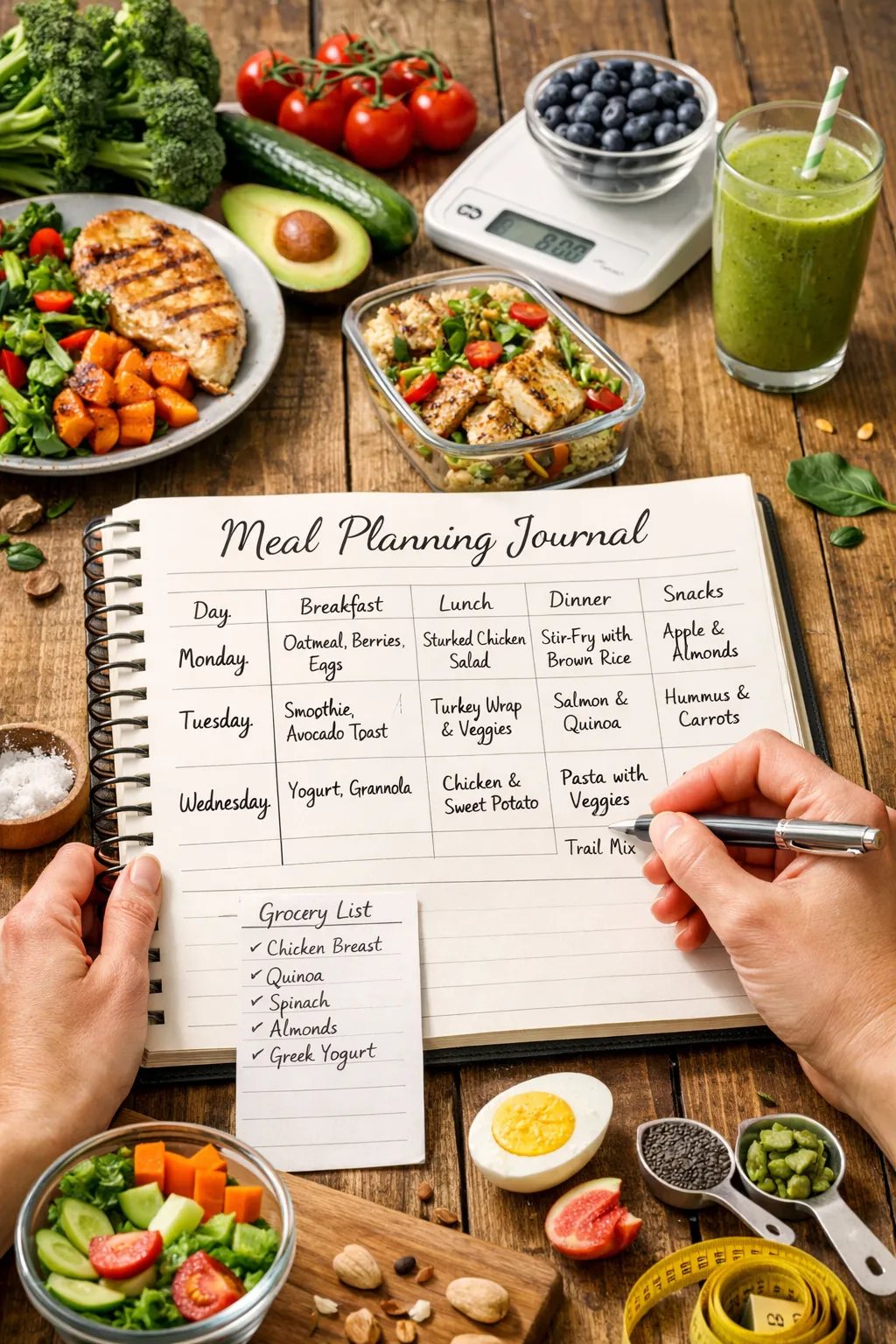
Being in control of what you put into your body begins with knowing your options. Most people have a hard time keeping up with nutrition, not knowing what is getting even into their bodies. Fortunately, a meal planning journal fills that void by helping you focus on what you eat and when. This little tool changes the way you think about food and the way you make decisions for your health.
Understanding Your Current Eating Patterns

You cannot hope to improve your nutrition without knowing where you currently stand. A food journal for meal planning helps you write down whatever foods and drinks you are consuming in the day. That leaves behind a record that represents your actual habits, rather than what you think you’re eating. Lots of people are shocked when they suddenly see their patterns in black and white.
When you track your meals, you learn more about serving sizes and how often you eat. You may discover that you’re snacking more than you thought or neglecting essential meals. This level of awareness alone frequently precipitates positive change. You begin to question yourself in that way of, “Do I really need this?” or “Is this the best decision at this time?”
It also helps you find trends, you see things written down. You might notice you eat more when you’re stressed or that certain times of day prompt unhealthy cravings. When you know these patterns, you can develop strategies to counteract them.
Setting Clear Nutrition Goals
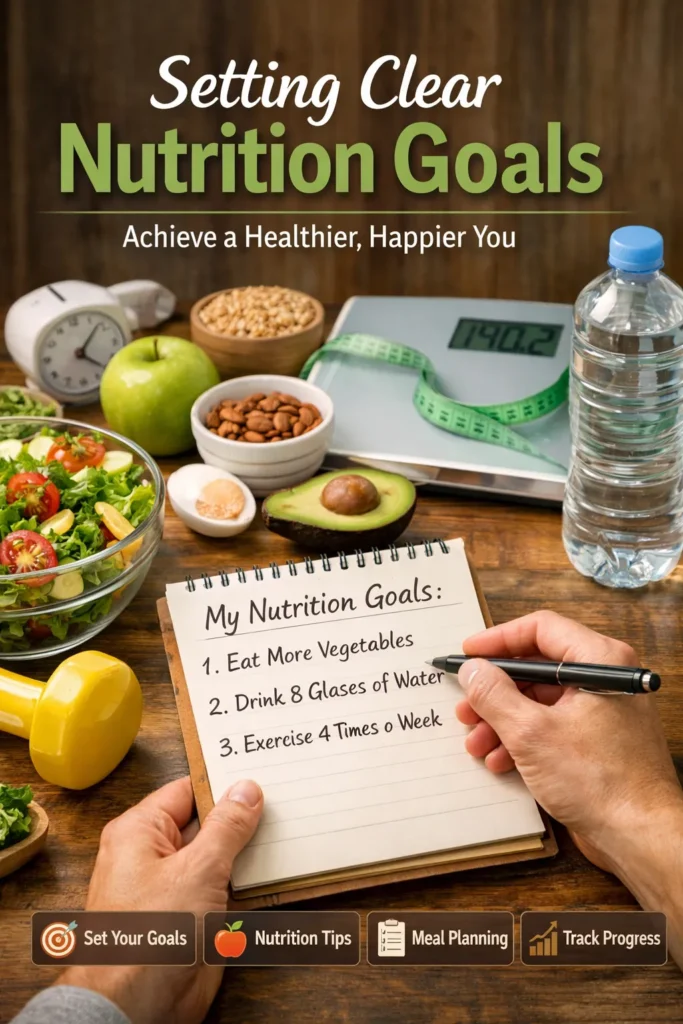
A food journal is only as effective as you make it to be! You can establish specific criteria, rather than things like “eat better” that are vague intentions. The same applies to your goals: Maybe you eat more vegetables, or cut back on sugar, or aim for a certain amount of protein each day.
The moment you pen your goals in your journal, they become tangible and approachable. You can monitor progress toward those goals, week by week. It becomes a source of motivation because you can see yourself getting closer to the things that you want. Once you gain a little success, it’s encouraging to keep going.
Your journal is your own personal nutrition coach. It leaves you with a reminder of your priorities, and it helps to keep the focus where it belongs: on what most matters to your health.
Planning Meals With Purpose

A meal planning journal helps you to plan ahead. Instead of flipping through menus or trying to compose a shopping list in your head, you’ve already decided what to eat. This will help decrease the likelihood of you making poor decisions while hungry or tired.
You can make sure you get proper nutrition when you meal plan. You can ensure that each meal has a serving of protein, some good healthy fats and lots of vegies. You can also verify that you are doing enough to burn calories and power your daily activities without accidentally overeating.
Planning can also save time and money. You buy what you need, not what catches your eye. You end up throwing out less food because you don’t cook knowing exactly what’s on the menu. For a lot of people, they know that when they’ve thought out what they’re going to eat in advance, the healthier choice feels more intentional and less like an unfortunate coincidence.
Building Accountability and Consistency
Your meal planning journal is like your accountability partner. And knowing you’re going to have to write down what you eat makes you think twice about your choices. There is a power to getting your actions down on paper. Misjudgments are harder to ignore when they’re documented.
This tool also lets you see where the progress is. Then you flip back through your journal and see how far you’ve come. You spot days when you kept to your nutrition goals. You discover patterns behind your most successful moments. This reward encourages you to go on.
When you have a system, consistency is easier. Your journal allows you to put some parameters around your meal planning and eating. After a while, to eat well just becomes your normal To choose fresh and put together instead of processed without thought.
Tracking Nutritional Information
Your food journal planner can also include information about nutrients. You might be counting calories, macronutrients (like protein and fat), fiber or specific nutrients you could use more of — or less. This level of detail enables you to make educated choices about your diet.
Nutritional ElementWhy It MattersJournal Tracking PurposeProteinBuilds and repairs muscle tissueEnsure proper daily doseVegetablesGives vitamins and fiberMonitor types and amountHydrationLeads to all body functionTrack waterCowhole GrainsSustained energyLocate processedHealthy FatsHeart health to mood balancingBalance weekly intake
To track doesn’t mean to become obsessed with numbers. It means becoming informed. You figure out what works for you, and the way certain foods affect how you feel and your energy. This information ensures you can make decisions that suit your nutrition goals.
Identifying Problem
| Benefit | Description |
|---|
| Increased Mindfulness | Logging meals brings awareness to your food choices, promoting mindfulness. |
| Personal Control | A meal planning journal gives you control over your nutrition and health. |
| Identifying Patterns | Helps you notice patterns in eating habits, such as energy crashes or fatigue. |
| Improved Nutrition | Tracking meals can reveal areas where nutritional balance may be lacking. |
| Achieving Health Goals | Gives a clear picture of your food intake, helping you work towards health goals. |
| Encourages Responsibility | Reignites a sense of responsibility for your food choices and their impact. |
| Helps Make Changes | By seeing your food intake, you can make informed decisions about diet changes. |
| Supports Long-Term Health | Helps create healthy, sustainable eating habits that contribute to overall well-being. |
As you write down everything that you are consuming, you will be more aware of what is on your plate and the nutritional value therein. And this simple consciousness makes better decisions. You’ll begin to observe patterns — perhaps you always snack on something sweet in the afternoon, or your answer to missed breakfasts is a grab-and-go pastry. Once you recognize these patterns, you can work on combating them.
Jotting down what you eat can also help you recognize trigger foods that cause bloating or headaches. Certain food can have adverse effect on your body and you will only learn about these when you jot them down in your journal. You may find that eating something in particular before bedtime has an impact on the quality of your sleep, or that one food leads to digestive problems. This information is priceless for those who want to optimise their diet.
Weight Loss and Your Food Diary
If you have any kind of weight loss goal, a meal planning journal is a must-have. Studies have found that monitoring what you eat is more likely to help you meet your weight loss goals. Keeping a record of what you eat serves as a natural brake on mindless eating and can help you stay within your calorie targets if that’s part of your plan.
The journal also preempts the “forget and regret” cycle of eating something without thinking, then forgetting it entirely. When it’s documented, you can’t claim that you never said or did something. This kind of honesty with yourself is key to true success in the long term. You’ll also find it easier to see where additional calories might be sneaking in — through drinks, snacks or cooking oils that you may not have accounted for.
Building Nutritional Balance and Awareness
Your meal planning journal that helps you guarantee you are receiving a balanced nutrition for the day. By looking back at what you have eaten, you can tell if you’ve had enough vegetables, fruits, lean proteins and whole grains. Perhaps you know that you’re eating insufficient fiber, or too much sodium. This knowledge enables you to modify these patterns before they begin harming your health.
A great many of us believe we eat better than we do. A journal is your reality check. So you might find out that your “light lunch” has more calories than you realized, or that you’re not consuming as many vegetables as you think. This frank assessment is the basis for genuine reform.
Saving Money From Intelligently Planning Your Meals
In addition to health advantages, and especially if you use a meal planning journal, your wallet benefits as well. You can minimize waste and unnecessary purchases when you plan your meals for the week and track what you buy. You will know exactly what you have at home and that would help you avoid duplicate buys. You’re also less likely to buy on impulse or to stock up with expensive convenience-food buys when you’ve failed to plan.
A well-curated meal planning journal tells you which meals are friendly to your wallet, and which make a killer dent. You can find recipes that are healthful without being costly. It is this convergence of physical and fiscal benefits that makes all the effort spent journaling worth it.
Controlling chronic conditions through food tracking
For individuals with health or dietary concerns such as diabetes, hypertension or food allergies, it is especially important to keep a meal planning journal. It helps you and your doctor learn what effect different foods have on your condition. For people with diabetes, keeping track of meals along with blood sugar levels helps illustrate how various foods affect that number. This information allows you to make more informed food choices as part of your treatment plan.
Meal logging is a key resource for those with many different food allergies and intolerances. In the process of documenting ingredients and symptoms, they can zero in more easily on problematic foods. This can help you avoid accidental exposure and better control your condition.
Energy Levels and Performance Enhancement
How we eat has a direct connection to how much energy we have throughout the day. A meal planning journal makes it easier for you to see the connection between what you eat and how you feel. You might find that a protein-packed breakfast keeps you energized all morning but for some reason going without triggers an energy crash halfway through your morning. You may notice some meals that make you sleepy, while others increase your alertness.
This is particularly advantageous for sportsmen and performing individuals. Your log reveals which foods and meal timing influences your workout performance and recovery most. For a student studying for exams, a professional with an intense work environment and a person simply looking for peak mental performance, the meal journal is the tool for improving performance.
Creating Lasting Lifestyle Changes
The most ultimate upside of keeping your meal plan in a journal is that it leads to permanent change. Unlike fad diets that come and fail to stick, journaling forms lasting habits. You aren’t following someone else’s rules — you’re studying your own body and making informed choices. This customized method results in lasting changes because it’s built on your own experience.
The more you journal, the more intimate your relationship with food becomes. You no longer look at meals as something that simply occurs but as deliberate events. And that’s the mindset shift that takes people from suffering (or struggling) with their health to thriving.
How to Start Your Meal Planning Journal – A Step By Step Guide
The Significance of A Meal Planning Journal
With a meal planning journal, eating and nutrition won’t be the same. As you continue to monitor and chart these meals, you begin to recognize your eating habits and behaviors. This mindfulness enables you to eat food more in tune with your health journey. A meal planning journal becomes your own personal trainer, regardless of whether you are seeking to lose from pregnancy weight or baby weight, put on muscle, cope with a health condition that requires modification to your diet, or are just keen to eat better.
Meal selection trips up a lot of people because they don’t have a system in place. Your decision making with food is contaminated without organization. There’s no guesswork with a meal planning journal to keep you on track towards your slim down goals! Spending less time trying to figure out what you should eat means more time savoring healthy dishes that make you feel great.
The benefits go beyond mere tracking what you eat. Your journal serves as a record of your evolution. By looking back at previous entries, you should be able to see which meals you were really satisfied by or enjoyed, and what eating patterns made you feel the most energetic. And this knowledge is key in creating long-term eating habits that stick.
Selecting the Best Format for Your Journal
You can do it a few different ways when you’re deciding how to organize your meal planning journal. Some like the simplicity and feel of writing in a book. There are those who prefer the convenience and tracking of digital apps. Both methods are equally effective, so opt for whatever is most significantly in line with your lifestyle.
With a traditional paper journal, you have the total freedom to get creative. You can draw, write, stick in photos of your meals and set up layouts as you like. The physical act of handwriting also helps information stick in your memory more than typing. If you like the methodical, intentional planning that comes with using pen and paper, a physical journal is likely your best bet.
Digital options have their own practical benefits for busy people. Apps and spreadsheets sync among all of your devices, so your meal plans are available whether you’re at home, at the store or on a bicycle. Nutritional information is automatically calculated by many digital tools, and you can also find recipes quickly. If optimal convenience and having easy calculations are what you need, then use digital.
Some Of The Important Things You Should Write Down In Your Spiritual Journal
Your meal planning journal will contain the essential content on which you rely to remain focused in mission. Begin by dividing it each week into sections for breakfast, lunch, dinner and snacks. This company makes it simple to get an overview of your entire daily estimate, at a glance. List the actual foods you consume, telling us your portion sizes if it will keep you on track.
And add a space for you to remember, and jot down how you felt afterwards. Did some meals give you energy and others leave you sluggish? Did your digestion feel good? These observations help you identify what different foods do in your body. You will learn over time which meals work best for you.
Include a column for recording water consumption and any exercise you did that day. These are also key factors in how healthy you are overall and work together with where and what your nutrition preference is. That’s when you can look at the full picture of your daily habits, and start to connect what you eat, how much you move and how you feel.
It can be helpful to include a short notes section as well. Note your mood, stress levels or why you made some food choices. That explanation provides you with a framework to fathom eating habits that may be more emotional than physical. You might be aware of reaching for particular foods when anxious or skipping a meal because you are busy.
What to Eat This Week: Your First Week Meal Plan
When you start your journal, plan just one week into the future. Trying to forecast and imagine too many weeks ahead feels overwhelming. Choose a day to sit down with your journal and plan what meals you will cook. Consider what your week is going to be like, day by chaotic, calendar-choked day; busy ones require something more simple but slower days are for more complex recipes.
Jot down what you plan to eat, and when. Look in the pantry and refrigerator to see if you have any of the ingredients on hand. This simple move will save you money and cut down on food waste. Then generate a shopping list from what you need to buy. If you have a list from your meal plan, then when you shop, there is no buying stuff that you don’t need or picking up bits and pieces simply because they’re on offer.
When you’re jotting down in your journal, don’t let yourself be all fuss and muss over estimated portions and assumed snacking. If you will end up eating a hefty breakfast, don’t anticipate having three other full meals. Your journal should record the ways you do eat, not the way you think you should. This directness makes your journal a support not burden.
Keeping a Log of What You Eat and Learn
Write down what you really ate every day in your meal planning journal. If you planned for chicken and broccoli but wound up with pasta, record what you actually ate. This responsibility leaves you aware of your choices without reprimand. You’re not writing in your journal to judge yourself — you’re writing to know your patterns.
Record time you ate breakfast, lunch and dinner and any snacks. Timing is important, as it determines your energy levels and hunger cues. If you have dinner late at night, you could have trouble sleeping. That could mean you’ll overeat next time it’s mealtime. Your journal timing patterns help you identify your perfect eating rhythm.
Log the content of your food you eat if it’s possible. If you made a salad, jot down what was in it. If you ordered food from a restaurant, tell us about the dish. This is a feature that allows you to calculate nutritional information and know exactly what you’re consuming. You may find that seemingly virtuous restaurant fare actually has more salt or added oils than you thought.
Using Your Journal to Note and Make Changes
After maintaining a meal planning journal for a couple of weeks, you will start to see patterns. You’ll see which meals make you feel most satisfied, what times of day leave you feeling hungriest and what foods fuel your activity level. Now plan your task based on this information, refine.
If you routinely experience low-energy after a certain meal, try to replace it. If you’re always starving at 2 p.m., eat more protein at lunch. If you know you tend to eat more when stressed, schedule stress management activities during those hours. Your journal is your mini science experiment and you’re the scientist figuring out what works for your body.
Each week have a look through your journals – celebrate what you’ve done well and change what isn’t working. Did you follow your meal plan? Why was it easy or hard? Was there unexpected food or snack? What health changes have you experienced? This process of reflection will ensure that your meal planning journal is continually improving based on your shifting goals.
How to Make Your Meal Planning Journal A Habit that Sticks
The key to success with a meal planning journal is to make it manageable with your regular routine. Start with something straightforward, then make it more difficult as you improve. If writing down notes feels like a chore, retain .
Clever Ways to Make Your Meal Planning Journal Work for Long Term
One of the top ways to regain control over your eating, save money, and alleviate stress at meal time is by creating a meal planning journal. But a lot of people kick things off strong with their journals, only to lose steam after a few weeks. The secret to success is finding the routines and hacks that make your meal planning journal feel like something you can stick with long-term, rather than yet another thing upon which time weighs us down.
A meal planning journal is a way to help you work through your thoughts on food as nutrition, figure out what best serves your family and gradually build better eating habits over time. Write things down consistently to build a personal guide that grows more helpful with time. The aim is not perfection — it’s progress, and to devise a system that actually works for you.
Preparing Your Journal for Success
You do need to structure your meal planning journal but it is less about the pretty! You want something that is simple enough to not be a total headache — and, therefore, something you’re likely to use every single day. Begin by choosing a format that is most convenient for you. Others want a conventional paper journal, where they can write out thoughts and easily sketch quick notes. Others have found it helpful to use digital apps and spreadsheets so they can search through their past entries and track for patterns.
Your diary would have space for the coming week, the ingredient list and notes on what worked and didn’t work. Half the battle is happening mentally and if you plan your meals then you’re already halfway there. If that means you need to include breakfast, lunch, dinner and snacks to keep yourself honest — so be it! Write down how many people you are cooking for and your household’s dietary restrictions or preferences.
Make a basic template that you can use over and over. It takes the mental labor out of deciding what to track. At the very least, a solid meal planning template will have days of the week, meal slots for BLD (breakfast/lunch/dinner), what you’re going to make, ingredients and an estimated time for cooking. Make the template flexible, so that it can be modified according to your changing requirements.
Building Consistency Into Your Routine
The best meal planning journals are the ones that people naturally use, without needing to convince themselves to. Choose a particular time and day each week to sit down with your journal. Sunday afternoon or Monday morning is ideal for many, because it allows time to think about the week ahead and shop before you need to cook.
Leave your diary on display to make it easy for yourself. If it’s a book, leave it on your kitchen counter or dining table. Set a reminder on your phone for it, if digital. If your meal planning journal is easy to access, you are more apt to grab it and write down an idea or observation.
If meal planning is a new concept to you, start small. You don’t have to plan every meal perfectly for a week, let alone from day one. Start with planning just three dinners to make in a week and work your way up from there as you get acclimated. This keeps you from getting in over your head, and helps the habit stick.
Tracking What Actually Matters
The goal with your meal planning journal is to know what took place that you should keep doing, or not do, moving forward. Pay attention to which meals your family ate with gusto and which they avoided. Jot down how long recipes actually took to make versus how long you anticipated they would take. Monitor your grocery spending to know whether meal planning is saving you money, which it generally does when done correctly.
Have a section for seasonal and/or sale items. You use this information to make smarter decisions and save money on lower prices. Then you can plan accordingly in the next year, when you notice that chicken was cheap in January or fresh berries were both in season and a budget buy during June.
It’s also a chance to record the disasters and odd successes that emerge from your kitchen. Perhaps a recipe failed, but you found an inspired substitution. Maybe one thing you expected to take thirty minutes took only fifteen. These practical details are what make your journal so useful for future plans.
Adapting Your Journal Over Time
You don’t write out a meal planning journal once and never touch it again. One month or two later, reread your journal and note patterns. Are you eating the same meals over and over? Any grocery items that always go to waste? When are you most inclined to ditch the plan and order in takeout?
Adjust your journal system based on what you are learning about yourself and your home. If you see that you need a little more variety in your breakfast ideas, then make tracking your morning meals part of the game. If you are throwing away fresh vegetables, change the way you plan and shop for fresh produce.
As you get more comfortable, consider adding new track elements. Some people include nutrition information, while others chart how their mood and energy levels are associated with what they ate. Your journal can become a whole wellness system with the double duty it serves!
CONQUERING COMMON OBSTACLES WITH YOUR JOURNAL
Your meal planning journal becomes a gem when you utilize it to streamline pesky problems. If lunch ideas fly out the window whenever you’re on the clock, give your week a dedicated section for lunch. Jot down which recipes are best for busy weeknights, and keep coming back to that list if you need postwork inspiration.
When life gets busy and you’re tempted to drop your journal, flip back and check out some of the earlier weeks. The fact that meal planning has saved you time and money helps give me motivation to keep at it. Your previous track record indicates that this system works for you.
Meal Planners That Are Social and Supportive
Share your meal planning exploits with a family member or friend. Ask your family what they would like to eat this week and jot it down in your journal. “Really reduces the decision fatigue and makes meal planning a team sport, where everyone can feel heard,” she said.
3.Get involved with online meal planning + organization groups. Viewing how others use their journals and hearing about experiences from those that have gone before you, can help inspire new ideas and keep you motivated. There are many meal planning and recipe organization websites that offer a unique spin on how to use your personal journal.
You may find that even other members of your household enjoy having access to your meal planning journal. When everyone knows what’s planned for dinner, people can even help with the preparation, and less last-minute meal confusion ensues.
The key to long term success with your meal planning routine
The point of a meal planning journal is to build a habit change that lasts! When meal planning is so second nature that you’re using your journal as a helpful tool and not just one more thing to check off, you’ve reached the promised land. But this comes upon you gradually as you refine your system and get it to work for your life and your circumstances.
Your meal planning diary is an investment in your own health and that of your beloved ones. It cuts down on decision fatigue, saves money and food waste, and tends to result in healthier eating. The ones that work in the long-term are those that correspond with your nature and easily become part of your daily life.
Start doing these things now, and be merciful to yourself as you build the habit. Soon, your meal planning journal will be an incredibly useful, as well
Actual Success Stories: How Living People Changed Their Relationship With Food Using a Meal Planning Journal
Changing eating habits is one of the most difficult goals people set for themselves. Most people find it hard to be consistent, know what to eat or feel motivated. Enter into the scene, meal planning journal a powerful utensil that assists individuals across the globe tear down all those bad habits and instead form good eating habits. Over the years, thousands have learned how this one simple practice revolutionized their relationship with food and transformed their lives.
How Sarah Got a Handle on Her Daily Meals
For years, Sarah ate whatever was easiest. Running for fast food, skipping meals and late-night snacking was her usual routine. She felt lethargic, put on weight she didn’t want, and experienced energy crashes during the day. When a friend recommended starting a meal planning journal, Sarah was skeptical but willing to try anything new.
She started keeping a daily log of what she ate, and how it made her feel. Within two weeks, patterns emerged. Sarah saw that sweet snacks made her crash later in the day, but filling meals kept her from getting distracted by hunger. Writing down what she intended to eat for the day and keeping track of what she actually ate helped keep her accountable, Ms. Rogers said. Sarah lost 35 pounds in over six months, and for the first time in years she said she felt energized.
It was a meal planning journal that helped Sarah’s success, she said, because it makes the success palpable. Once you write it down, you start thinking more about what would give or take the value of your life. This basic recognition turned Sarah from someone who “just ate” to someone who ate mindfully.
Michael Overcomes Digestive Problems to Find Health
Michael struggled with chronic digestive issues that doctors were never able to diagnose fully. He ate what he liked and accepted his symptoms as a way of life. That all changed when he began chronicling his meal plans, especially what meals made him cramp, in a food planning journal.
After three months of logging his meals and symptoms, Michael discovered the culprits: processed foods, too much dairy and sugary drinks were the big triggers. After identifying these associations, he developed his own tailored eating plan with the help of a journal that tracked what food he would eat. He swaped out the problematic food with whole grain, fresh veg and lean proteins that he can draw nutrition from nested on healthcare advice.
Michael’s symptoms improved dramatically over the course of a few months. His energy surged, he lost 50 pounds and he felt more physically fit than he had in a decade. The meal planning journal not only contributed to his weight loss success, but also helped him learn about his own body and what it needed to perform optimally.
Jennifer’s Budget-Friendly Food Transformation
Jennifer assumed that eating healthily meant buying expensive speciality foods and numerous supplements. Her family’s grocery budget was lean and she believed eating healthfully was out of financial reach. But one click later, I learned I had it all wrong when it comes to meal planning — thanks to a new journal that’s gone viral.
She began recording her meals and more crucially, the price of food. This super easy routine allowed Jennifer to know exactly where her money was doing. She thought about the fact that she probably spent more on impulse buys and takeout than she would spend on basic, whole foods purchased strategically. Jennifer developed a system to meal plan around frugal, seasonal foods using her meal planning workbook.
Through the end of the year, Jennifer’s family ate better and spent 40 percent less on groceries. She demonstrated that a meal planning journal was the key to reducing your spending and eating healthier. To find even more money-saving ideas, check out Budget Bytes for the best meal planning on a budget.
David’s Athletic Performance Improvement
David was a novice runner looking to boost his performance. He felt tired during training and wasn’t sure why his times declined even as he put in the work. A coach recommended he begin logging his meals to figure out if nutrition was the weak link.
What David discovered was eye-opening. He wasn’t eating many carbohydrates before workouts and had an inconsistent approach to keeping enough protein in his diet. His meal planning notebook also evolved to serve as a training log, every bit as much as it was a food diary. David transformed his stamina and race times by matching when he ate with the times he trained. Six months later, he shaved two minutes off his personal best.
What All of These Success Stories Had in Common
These transformations share important similarities. Both would use a meal planning journal to not only log calories, but also understand how they personally related to food. They observed patterns, responded based on knowledge, and held themselves accountable over time.
| Person | Starting Challenge | Key Discovery | Post Meal Planning Journal Result |
|---|
| Sarah | Unhealthy eating patterns | Food-energy connection | 35-pound weight loss, increased energy |
| Michael | Digestive issues | Food triggers | Eliminated symptoms, improved health |
| Jennifer | High grocery costs | Spending patterns | 40% budget reduction, better nutrition |
| David | Athletic performance plateau | Nutrition-training alignment | Improved endurance and race times |
How a Meal Planning Journal Succeeds, Where Other Approaches Fail
Countless people attempt one diet after another, and only get the results they want when dieting becomes their way of life. Most fail because they don’t get to the source of all unhealthy eating — lack of awareness and planning. A meal planning journal is effective because it requires you to pause and consider your choices before you act.
When you prepare your meals ahead of time, there’s no chance for a spontaneous decision caused by hunger or stress. When you track your meals, you are collecting evidence about what really feels good in your body. It’s the combination of planning and tracking that leads to lasting change.
The success stories you’re reading come from people who aren’t exceptional or particularly rare. Thousands of people have realized their success through the meal planning journal practice. You don’t have to carry around anything special or oil or use any sort of fancy system. It doesn’t take some expensive app to do this — a simple notebook does. What counts is consistency and fair reporting.
Like Sarah, if you’re ready to change your eating habits,
Key Takeaway:KEY TAKEAWAYS: Change Your Life with a Meal Planning JournalThis little book is about so much more than just keeping notes on what you ate. The following are the top takeaways of this extensive guide to meal planning expeditions. Gain Power Over Your NutritionWhen you begin to utilize a meal planning journal, you will gain complete control over what you eat. Rather than eating impulsively, you think it over and make a conscious choice. This simple act of writing down your meals lets you identify patterns in your eating. You could find that you’re consuming too many snacks, or not drinking enough water. When you see these patterns, you’ll be able to then make changes that actually stick. A meal planning journal empowers you to be the driver of your nutrition, not at the mercy of cravings or convenience. Tracking Yields Real ResultsThe rewards of regularly recording what you eat extend beyond losing weight. With a meal planning journal, you will really start to become aware of what it is that you are actually doing with your food. This mindfulness helps you make better decisions throughout the course of your day. You will be attuned to the way that different foods make you feel. You may find that you feel full of energy after some meals and sleepy after others. You can measure your portions, count your nutrients and make sure you’re on track with your health goals. And you do all that, most importantly, without judging. Simple To BeginBeginning a meal planning journal is not elaborate or expensive. A simple notebook, a spreadsheet or a phone app will do — whatever suits you. It’s about getting started today and sticking with it. Even five minutes a day of planning can have far-reaching effects. Making Your Meal Planning Journal a Useful Habit for the Long TermMeans:Strategies that Make Sense For YouIf you want to make sure this effort is something that endures over time, build strategies that work in your everyday life. That means meal prepping on weekends, making sure your journal is easy enough to follow through with and congratulating yourself on the tiniest progress. Real People Experience Real ChangeThe real change that happened to real people who committed themselves to changing their eating habits, a proof meal planning and prep journals work effectively. When non-Minyan attenders take on this practice, they lose weight, feel better and have more energy. These success stories prove that this technique isn’t just theoretical, and that it really does have an impact on people’s lives.
Conclusion
A meal planning journal is one of the most down-to-earth things you can do that will change your relationship with food. As we’ve seen over the course of this article, it is this simple practice that has you taking real control of your nutrition: from knowing what you’re eating and experiencing the pleasure of intentional choice that propels your health goals.
The benefits extend well beyond simply knowing your calories. Because when you track and monitor your meals and choices, you learn so much about yourself – gaining an understanding for how your eating habits affect everything from your energy levels to the way in which you‘re feeling, how what you eat actually makes your body feel[n] And where have areas that can most easily be improved. These findings result in actual changes of how you live and function each day (4).
Picking up the practice of a meal planning journal is fairly simple and doesn’t require any special equipment or fancy system. By following the simple steps we’ve shared, you can start today using only a notebook or digital tool. The trick is to be consistent and honest with yourself about what you’re eating and why you’re eating it.
No matter what, the most important part is making your journal a habit you can stick with. The smart tactics we talked about—like having realistic expectations, celebrating little victories and changing things up when necessary — all help ensure your meal planning journal is a permanent part of your life instead of another failed resolution.
And most importantly, the real world success stories prove that people just like you are seeing amazing results. These people hadn’t been given any special advantages, nor did they possess the superpowers of willpower. They were committed to tracking their meals, learning from what they ate and remaining patient with themselves.
Your meal planning notebook is ready to be your personal nutrition guide. Whether you’re trying to lose weight, restore energy, manage a health condition or simply want to learn more about food and how to have a healthier relationship with it, this tool can guide you there. Begin today, be consistent, and see for yourself how this one small habit makes massive impact in your life.
Benefit CategoryKey BenefitsResultHealth AwarenessRecognize eating habits and trigger foodsChoose better food purchases and symptomsWeight ManagementPortion control with mindful eating and calorie trackingGoals achievedFinancial SavingsLimit food waste and impulse purchase decisionsLower grocery bills and stick to a budget.