

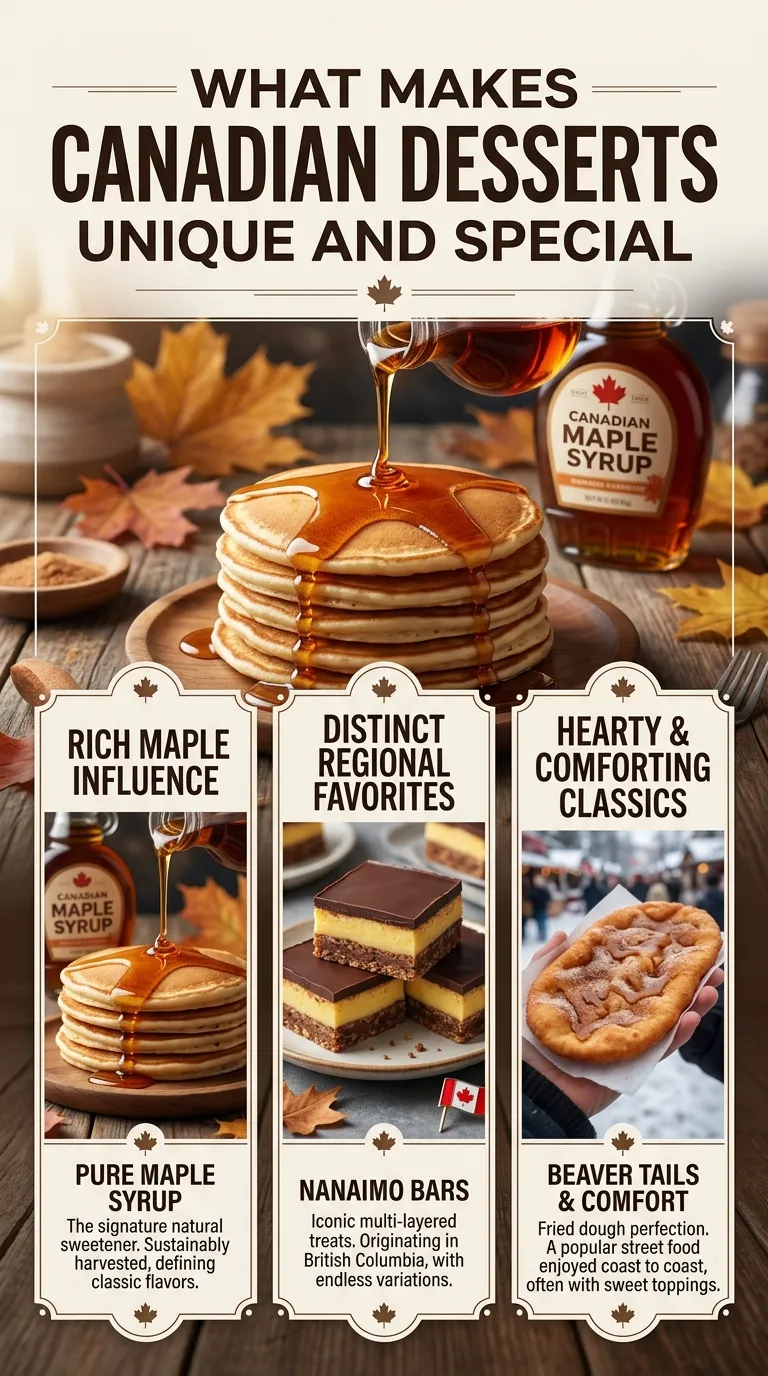

Canadian desserts embody a delightful fusion of cultural influences, native ingredients, and age-old traditions that render them exceptionally remarkable. In What Makes Canadian Desserts Unique and Specialt treats tell a story of indigenous heritage, French colonial history and multicultural communities. These desserts are products of the country’s unique geography and climate, as well as a manifestation of bakers’ creativity who have honed recipes through generations.
Whereas desserts in other countries often dominate, Canadian desserts really stand out. Regional ingredients that flourish in Canada’s unique climate are used expertly. Maple syrup is Canada’s crown jewel in the world of sweets, drenching everything from a plain butter tart to an elaborate layer cake. Many traditional recipes use wild ingredients, such as berries (wild blueberries, saskatoon berries and cranberries), mushrooms and fish. While poutine itself is decidedly savory, the dish has inspired a number of sweet renditions, giving insight into how Canada’s most clever bakers take an enduring idea and stretch it in fresher new directions.
The Heritage Behind Canadian Desserts
Canadian desserts bear the fingerprints of many cultural traditions. Native peoples imparted knowledge about native plants and berries long before European settlement. French settlers had introduced pastries and a taste for butter-based sweets. Puddings and preserves came from British colonists. These influences merged over centuries, resulting in something uniquely Canadian that you won’t find anywhere else on the planet.
The recipes for Canadian desserts seem to often reflect practical considerations. Canada’s long, harsh winters required that desserts be hearty and last. No wonder, then, that dense cakes, rich puddings and fruit preserves became staples. Bakers found ways to create sweets that would survive long, frosty stretches of the calendar and still provide comfort and enjoyment for families huddled around the table.
Canadian Desserts That Should Be on Your Radar
Butter tarts are among Canada’s most adored sweet treats. These tiny pastries have a flaky pastry shell filled with a gooey batter of butter, brown sugar and sometimes raisins or nuts. You’ll find regional variations around the country, but parts of the country swear by their particular recipe. The question of whether butter tarts should be filled with raisins or made raisin-free has become a cute little cultural debate among Canadians.
The Nanaimo bar was a creation from Nanaimo, British Columbia, and has become an international representation of Canadian confectionery mastery. These three-layered treats have a graham cracker base, a custard-flavored middle layer and a chocolate top. The interplay of textures and flavors produces a bite that is unforgettable, which has made Nanaimo bars as much a symbol of Canadian dessert quality as maple syrup.
Maple taffy is a winter rite of passage that links Canadians to their natural bounty. In maple syrup season, hot syrup is poured over clean snow and rolled onto popsicle sticks to make chewy candy that tastes like liquid gold. A simple yet magical treat enjoyed by children and adults alike for generations, a visit is an absolute must-have experience for anyone travelling to Canada.
Beaver tails — despite what the name might imply, they are fried pastry dressed to resemble a beaver’s tail and dusted with cinnamon sugar. These crusty, airy pastries have become a topping Canadian fair food found around the country. There are creative toppings and variations from many vendors, but the classic cinnamon sugar version is the most adored of all.
Syruping the Canadian Way — Maple Syrup in Canadian Dessert
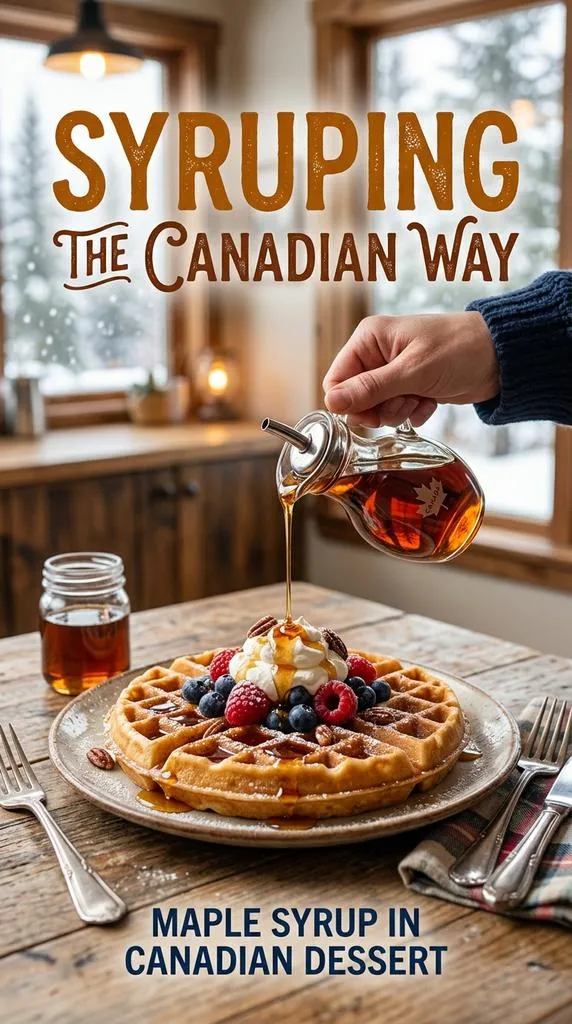
Maple syrup also serves as the lifeblood of many Canadian sweets. This golden tree nectar gives Canadian sweets their characteristic flavor profile that sets them apart from desserts elsewhere in North America. You’ll find maple syrup in everything from a simple glaze to an elaborate cake filling and creamy mousses.
Canadian maple syrup is the best for making desserts as it comes with excellent purity. Syrup is graded by color and flavor intensity, so bakers can buy exactly what they need for their recipes. Light amber syrup shines in delicate desserts, while dark varieties offer a strong maple flavor that holds its own in hearty cakes and puddings.
Regional Varieties Across Canada
Every Canadian region has its own dessert specialties based on local ingredients and cultural groups. Here are a few notable regional treats:
Quebec: Tourtière sucrée (sweet meat pie) and Sugar Pie demonstrate French-influenced baking traditions
Atlantic Canada: Molasses cookies and figgy duff contain molasses and dried fruits available in the region
British Columbia: Saskatoon berry pies celebrate the native berries of that region
Prairie Provinces: Shortbread with butter and fruitcakes are Scottish- and English-inspired
Ontario: Pecan pie and apple-centric desserts reflect plenty of local fruit production
These local specialities show how geography and history collide to give rise to a variety of Canadian dessert traditions. Exploring local sweets becomes a way to taste the story of each region as you explore Canada.
Indigenous Ingredients Make the Difference
Canadian desserts shine with the addition of indigenous ingredients that thrive naturally in various ecosystems across the country. Wild blueberries from eastern Canada have a concentrated flavor that cultivated blueberries just can’t replicate. Saskatoon berries, or prairie berries, have a soft sweetness that bakers treasure for their complex flavor. Cranberries grown in boggy areas lend tartness and depth to many traditional recipes.
It’s a way to link modern Canadian desserts to the land and its first people through native berries and fruits. In using those ingredients, modern day bakers are respecting old knowledge and producing desserts that taste distinctly Canadian. You feel a real sense of place when you bite into a dessert with ingredients that can only flourish in Canadian climates.
Classics from Most Desserts we Miss in Canada
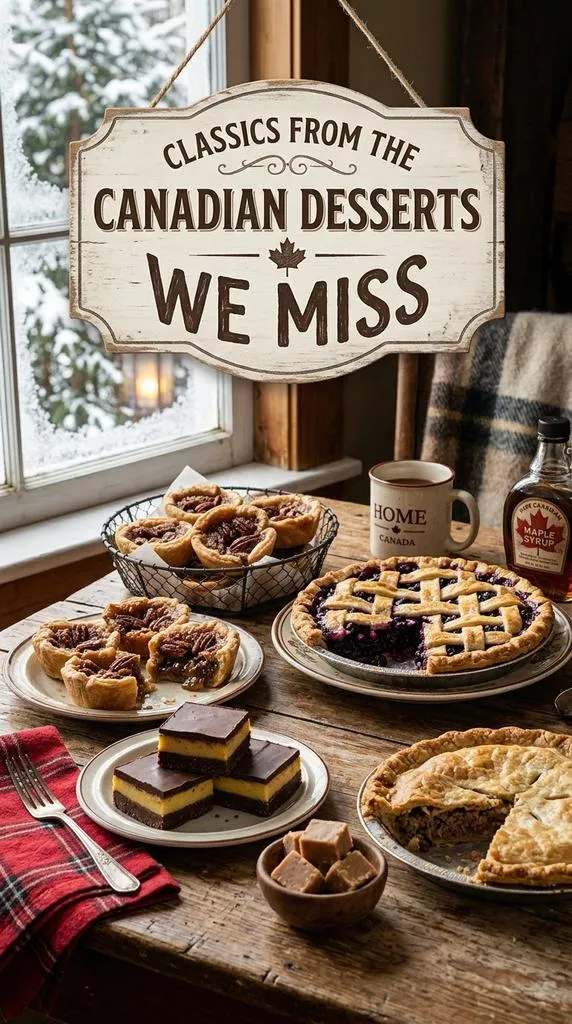
Modern-day Canadian pastry chefs and home bakers keep innovating, honoring the traditional recipes. Vegan butter tarts are made with plant-based butter but still taste bomb. Nanaimo bars made gluten-free for those with dietary restrictions. Artisan bakers use maple syrup in novel applications, such as salted maple caramels and maple-bourbon cakes, balancing reverence and risk.
This mixture of nostalgia and innovation makes sure that Canadian desserts stay relevant and exciting. You can find classic recipes just as they’ve
Traditional Canadian Desserts You Should Try
Canada’s culinary heritage goes far beyond its notable poutine and maple syrup. The desserts that make Canadian cuisine what is it weave narratives of cultural diversity, regional ritual and generations of baking know-how. From the Atlantic provinces to the Pacific coast, sweet confections are now intrinsically tied with Canadian identity and celebration.
When you think about Canadian desserts, you’re delving into a world of flavors shaped by French, Indigenous and British traditions. These sweets stand for something far beyond sugar and flour. They reflect the essence of communities that devised recipes to use what was on hand in hard winter months and to rejoice in bounty during warmer weeks. Being so much more than just flour and sugar, every bite is full of history and warmth making Canadian desserts unique.
Butter Tarts: A Canadian Icon
If there’s a single dessert that best represents Canada, it may be the butter tart. This beloved treat is a soft pastry shell filled with a gooey filling mixture of butter, brown sugar and eggs. The filling gets slightly crisp on top while staying soft and caramel-like in the middle. There are variations across the country, some with raisins or pecans folded into the filling.
The butter tart originated in the early 1900s, so it is a relatively new Canadian dessert. But it’s such an iconic one that a lot of Canadians consider it a national treasure. Bakeries and home cooks across the nation guard their recipes closely, certain that theirs is the one. This congenial rivalry has turned the butter tart into a chalice of Canadian pride and regional identity.
Nanaimo Bars: A West Coast Confection
Classic Canadian chocolate dessert, this three-layered treat hails from Nanaimo, British Columbia. The base layer is a graham cracker and chocolate mix. The center layer has a smooth custard or buttercream filling.) The top layer is coated with dark chocolate that firms up into a crisp shell.
These bars are an example of why candy making is a Canadian art. The textures and flavors together make for a never-to-forget eating experience. You get crunch, creaminess and chocolate in a single bite. The Nanaimo bar has crept well beyond Canada’s borders to receive international acclaim, but it remains quintessentially Canadian in its very DNA.
Tourtière: A Festive Favorite
And whilst tourtière is a savory meat pie, various areas prepare sweet versions of this French-Canadian dessert. The pastry-shaped treat often makes its appearance during holiday celebrations and family gatherings. But these are traditional family recipes handed down through generations, and each household adds its own touches to make the dish special.
The savory meat pie is more popular, but the dessert version reflects how Canadian desserts incorporate cultural influences. You encounter tourtière, whether it’s packed with spiced fruit or sweetened meat mixtures, as a testament to how much Canadians value tradition in their baking and cooking rituals.
Beaver Tails: Sweet Fried Pastries
Don’t let the name fool you. Beaver tails are pastries that are shaped to look like the tail of Canada’s national animal. The fried dough treats are dusted with cinnamon sugar and/or covered in chocolate and other toppings. You can see them at Canadian fairs, festivals and specialty shops across the country.
The light, airy texture melts in your mouth with a crispy shell that can be criminally crunchy. These Canadian treats have been making the rounds at winter festivals and outdoor gatherings. Without a hot chocolate to go with it, many Canadians feel a beaver tail is incomplete during celebrations of the cold season.
One Dish, One Country: Tarte au Sucre, Quebec’s Sugar Pie
It’s a classic Quebec dessert, with a simple pastry shell and a custard-like filling of brown sugar and cream. The filling bakes until it’s got a little bit of crispness on top and it’s gooey in the center. The recipe is a simple one, making it accessible to home bakers.
Tarte au sucre is a classic of French-Canadian cooking, one of those desserts where you start with some very humble pantry staples and end up with an elegant pie. You can find variations across Quebec and beyond, with each baker making slight changes to personalize the dish. The dessert has remained a favorite in homes and restaurants throughout the province, as well as growing popularity elsewhere in Canada.
Saskatoon Berry Pie: Indigenous Inspiration
This delightful pie celebrating local ingredients is inspired by saskatoon berries, native to Canada. The tiny purple berries have a mild, slightly sweet flavor with delicate almond notes. And mixed with sugar and spices and a pie crust, they become a distinctly Canadian dessert, one with ties to Indigenous cuisine.
Saskatoon berry pie befits the burgeoning respect for traditional Indigenous ingredients in Canadian cooking. Desserts celebrating berries and other plants — which Indigenous peoples were using for centuries, even before European contact, are now regularly included on bakery and restaurant menus. This culinary evolution both pays homage to cultural tradition and offers memorable dessert engagements.
Montreal-Style Bagels: Sweet or Savory
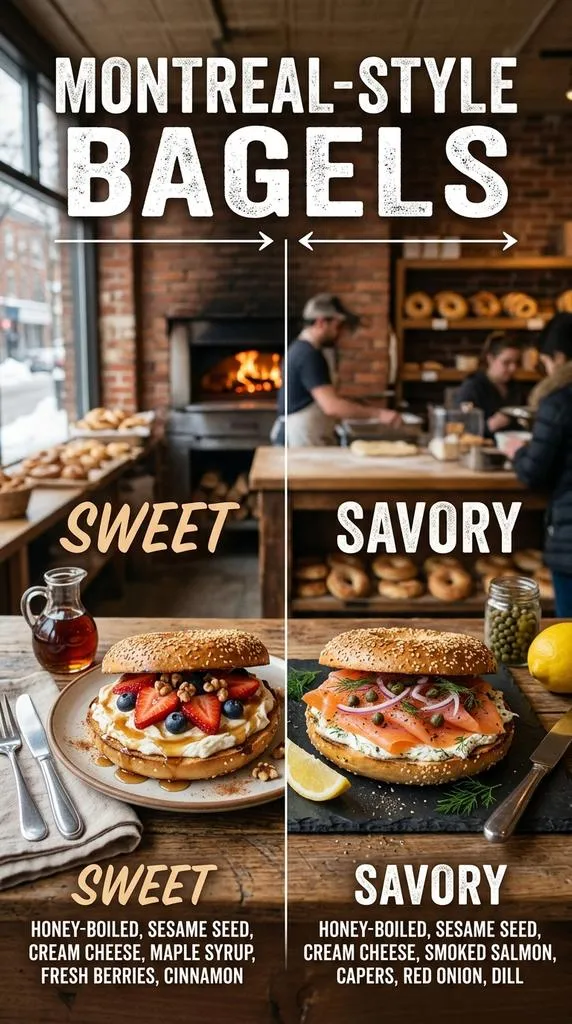
Bagels were born somewhere else, but Montreal had its own distinct style that became an icon. These boiled and baked hand-rolled rings of dough are available in sweet or savory. Sweet varieties sometimes have cinnamon, chocolate or fruit added to them, which can make them suitable for eating at dessert time.
Montreal-style bagels stand apart from other styles of bagel thanks to a smaller size, denser crumb and a slightly sweet flavor. Bagel bakeries in Montreal still bake their bagels on cedar planks, a method that has been passed down over generations. These Canadian dessert options remind us that immigrant communities help sculpt the nation’s culinary landscape.
Maple Treats: Nature’s Candy
Maple candy is one of the most authentically Canadian sweets you can get. Hot maple syrup drizzled over clean snow becomes a taffy-like treat that you eat by rolling it onto a wooden stick. This traditional way of preparation remains popular at sugar shacks, or cabanes à sucre, and winter festivals across Canada.
The novelty of eating candy made from snow combined with the natural sweetness of maple syrup is a fun experience. Today’s foods that include this classic flavor also come year-round, with maple fudge, maple cookies and maple cream desserts. Maple syrup plays a big role in Canadians’ identity, so the tradition of maple-based desserts takes on special significance.