

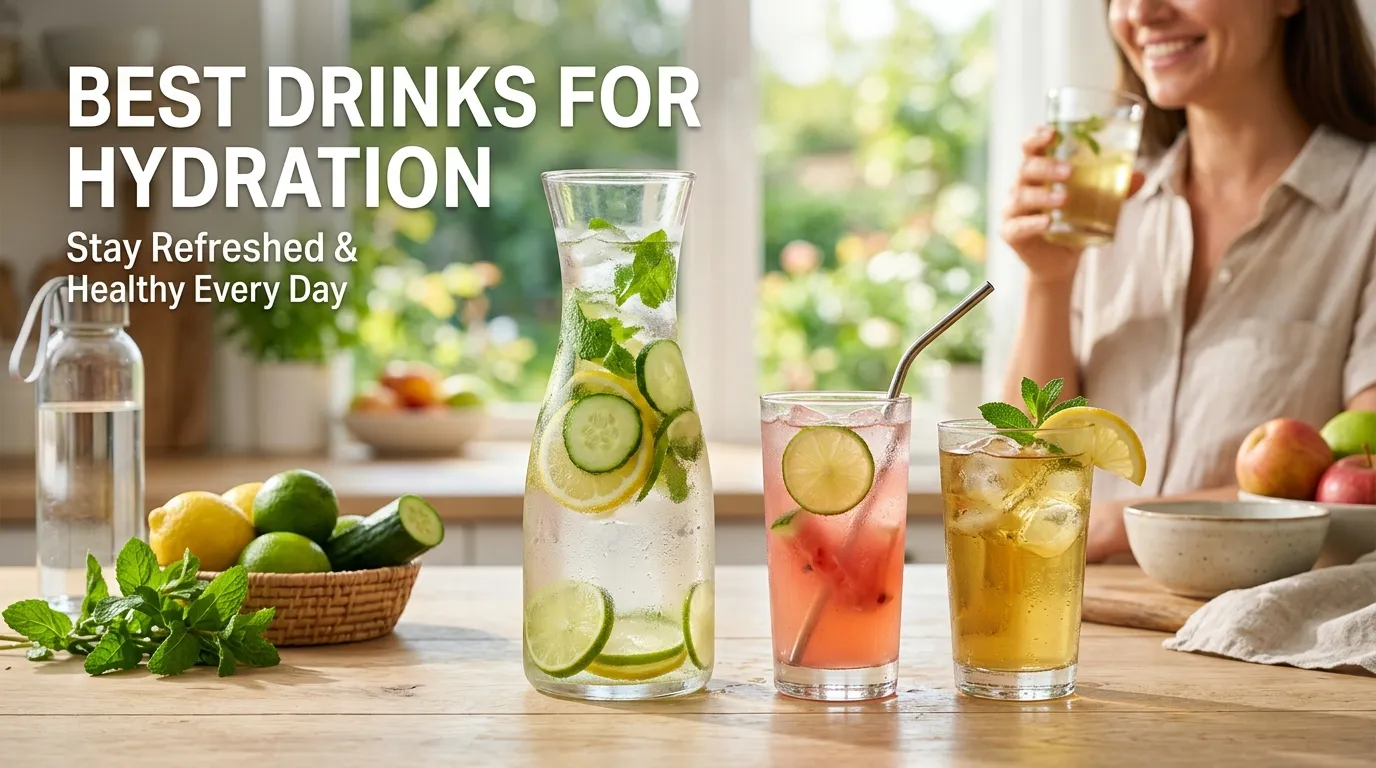

While your body requires water to function, sometimes plain old water simply doesn’t do it. Regardless of whether you’re working out, spending time in the hot weather or just living your everyday life, knowing about the best hydrating drinks will really help you feel like yourself and perform better! So, here are some of the best drinks for hydration that you should keep your body and brain hydrated!
Water: Your Foundation for Hydration
There is no better source of hydration than plain water. Water is the best way to replenish fluids that your body loses during the day. How does water work in your body?When you drink water, it enters directly into blood circulation and helps with temperature regulation, nutrient transport and waste removal. Most people require around eight glasses a day, although your specific needs vary based on your activity level, climate and health.
Although plain water sounds boring, it’s the most effective. Add a splash of lemon, lime or cucumber for making it more interesting without adding too much calories or sugar. One of the best habits to ensure that you are properly hydrated, is to drink water regularly throughout the day.
Coconut Water: Nature’s Sports Drink
Coconut water has gained rapid popularity as a naturally hydrating beverage. This transparent fluid inside young coconuts is full of electrolytes such as potassium, sodium, and magnesium. These minerals work with your body to regulate fluid balance, and they are especially important when you exercise or after the fact.
The best thing about coconut water is that it hydrates you with little processing. Coconut water, unlike some sports drinks on the market, present natural sugars that will energise you without all the additives. Because it replaces both the fluids and electrolytes lost through physical activity, coconut water is a favorite among many athletes in its best drinks for hydration.
Herbal Tea: Hydration with Benefits
Herbal teas are included in your daily fluid intake and provide other benefits. Chamomile tea relaxes you, and peppermint tea helps with digestion. Antioxidants — green tea helps keep your entire body strong. Similarly, you can have herbal tea hot or cold, making it versatile throughout the entire year.
As herbal teas have very few calories and contain no added sugars, they’re perfect when you want to drink something hydrating but don’t want anything that may interfere with your diet. Making a batch of iced herbal tea can be an invigorating way to stay hydrated, too.
Fresh Vegetable and Fruit Juices

Fresh-pressed vegetable juices provide hydration plus vitamins and minerals your body requires. Juices made from celery, cucumbers and leafy greens are especially hydrating due to their high water content. These juices give nutrients in very concentrated forms, ranking among the best drinks you’d want when you’re looking for a little extra nutritional boost.
Fruit juices can hydrate as well, but you have to watch out for sugar content. Watermelon juice is a particularly hydrating beverage because watermelons are 92 percent water by weight. If essential, you can mix fruit juices with water so that the sugar content becomes lower while hydration benefits still remain.
Milk and Plant-Based Alternatives
But dairy milk is frequently underappreciated as a hydrating beverage, and it’s actually really good at this job. since it consists of water, electrolytes, and protein. The proteins assist your body in holding on to fluids longer than just water would.
Plant-based milk alternatives such as almond, oat and coconut milks can help keep you hydrated too.” These alternatives are fit for people who avoid lactose or choose their consumption to only plant products. In this category, avoid added sugars to get the best drinks for hydration.
Sports Drinks for Intense Activity
Sports drinks can be good when you are working out hard for more than an hour. These drinks consist of carbs and electrolytes that provide energy and replace minerals lost through sweating. Sports drinks are designed to help you hydrate more effectively during intense physical activities.
For the vast majority of us, we don’t need sports drinks for casual exercise. For workouts for under an hour, water is enough. Save sports drinks for serious training or endurance activities in which the electrolytes and carbohydrates are of real benefit.
Hydration Tips for Different Situations
For day-to-day life, though, water is always the best bet. It’s free, it’s accessible, and it’s just what your body craves. With exercise, you may want to add drinks with electrolyte contents — especially if sweating profusely while exercising. Milk or coconut water can help recovery after exercise, as these are protein and electrolyte-rich beverages.
No matter which hydrating drinks you select, consume extra fluids in hot weather. When the temperatures climb, your body has to evaporate more water through sweat. In cold weather, people tend to forget about their fluid intake, however, hydration is just as important.
Why Water Is Still the Gold Standard for Daily Hydration

Plain old water is the gold standard for staying hydrated over the course of a day. This means your body relies on hydration to do the job, and some of the best drinks for hydration come down to first knowing why water is always a great option when it comes to health.
Your body is roughly 60 percent water, and this fluid has a role in nearly every bodily process. From regulating body temperature to carrying oxygen in your cells, water is needed for life. Pure water is just what your body needs — nothing more, nothing less. This simple method of hydration makes it so that water is the gold standard in general that healthcare professionals encourage.
How Your Body Uses Water for Vital Functions
All your body systems need constant hydration to function properly. Your digestive system needs water to break down food and absorb nutrients. Your cardiovascular system needs proper hydration in order to move blood around your body. Your kidneys filter waste products with the help of water, and your joints require lubrication to move freely. Yes, even your brain — which is 75 percent water — functions better when you’re adequately hydrated.
By drinking water regularly, you facilitate these essential functions without adding anything that shouldn’t be in your body. Your muscles contract more efficiently, your skin retains its elasticity and your cognitive function remains keen. That’s why nutritionalists and fitness professionals recommend water as the bedrock of any hydration plan.
Water Compared to Other Hydrating Beverages
Although a lot of drinks say they hydrate you, some can backfire. Sweetened sodas and energy drinks can hydrate you, but they also dump empty calories and crazy amounts of sugar into your system. Electrolytes, which are in sports drinks, can be useful during intense exercise, but the average person doesn’t need the extra sodium and added sugar on a daily basis. Coffee and tea do provide some hydration, but act as mild diuretics due to their caffeine content in some people.
Water is unique in that it hydrates, without complication. No calories to count, no sugar crashes to deal with and no artificial ingredients to fret over. Because of its purity, water is the most basic and reliable option for your daily hydration requirements.
Shedding Light on Hydration Needs: A Guide to Staying Hydrated Throughout Your Day
Your hydration needs depend on many things. The amount of fluid you need depends on your body size and activity level, as well as the climate in which you live. A rule of thumb is to drink half your body weight in ounces of water each day, but everyone has different needs. If you weigh 150 pounds, for example, that’s about 75 ounces of water a day as a baseline.
Exercise greatly increases your hydration needs. When you work out, your body loses fluids through sweating, so you will need to drink more water to replenish. Hot weather also requires more water as your body operates overtime to maintain temperature homeostasis. Even during cooler months or sedentary stretches, at least habitual water consumption helps maintain your baseline hydration (19).
Why You Should Drink Mostly Water
Opting for water rich in hydration has many benefits that are reflected over time. When you’re consistently well-hydrated, your skin tends to look clearer and more radiant. You get more stable energy without the sugar crashes common in sweetened drinks. Water has no calories and makes you fuller, which boosts your weight loss efforts too.
Being hydrated increases mental clarity. Research shows mild dehydration can have an effect on concentration and mood. When water is your priority, you also focus better throughout your workday and make healthier food choices.
Real-Life Tips for Drinking More Water Through the Day
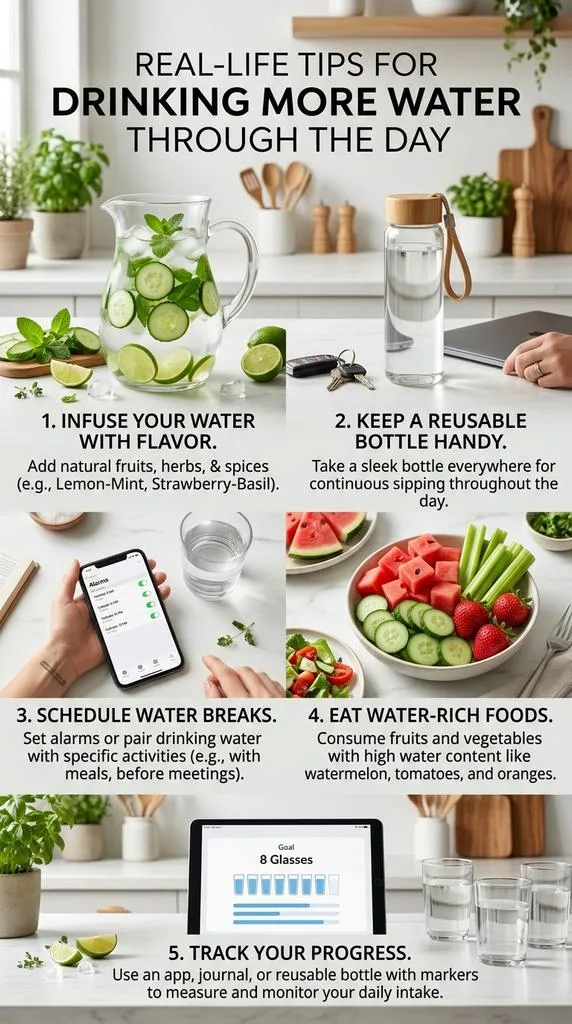
For those of you who have difficulty drinking enough water, here are some easy tips to help:
- Having a reusable water bottle on your desk and/or with you at all times is an excellent visual reminder.
- Start off your hydration with a glass of water first thing when you wake up
- Use your phone or smartwatch to set an hourly reminder
- Attach drinking water to currently established routines such as having a glass before every meal
- If plain water seems boring, add natural flavoring such as lemon, cucumber or berries to it
- Even better, use a water bottle with time markers to help you monitor your intake
- Forming consistent hydration habits these ways doesn’t necessitate dramatic lifestyle changes. The important part is figuring out what suits your schedule and your preferences.
One of the Signs Your Body Needs More Hydration
Listen to the cues your body sends about when you need more fluids. Thirst is the most obvious sign, but others are dark-colored urine, dry mouth, fatigue and trouble focusing. Headaches are often caused by dehydration as much as anything else. If you experience such symptoms, start drinking more water immediately.
Use your urine color as an easy hydration gauge. Pale yellow or clear urine indicates proper hydration, and darker yellow means you need to drink more water. This free, simple method allows you to check your hydration status throughout the day.
Drink Water and make it a habit of your daily life
The move toward improved hydration starts with the understanding that nothing tops water in your health. Water, unlike these trendy beverages which come and go, is always effective in helping your body function at its best. Water—upon which you should make the majority of your hydration drinks—is an investment in your health and longevity.
Fill up a water bottle and pledge to drink it by noon today. Then refill and aim to finish another bottle before evening. These small, digestible steps form habits that stick to support your health for years ahead. Water provides the consistency and reliable hydration our body needs, which it will love us for!
Electrolytes: What is Their Role in Athletic Performance?
Not only do you sweat out water when exercising at high intensity; Your body also loses important minerals and salts that keep your muscles working properly and heart beating at the right pace. Enter electrolyte drinks and their thirst-quenching properties. These special drinks hold the critical minerals like sodium, potassium and magnesium that assist your body in running properly during and after exercise. Knowing how these drinks function can guide your decision on what to drink while training or competing.
Electrolytes are minerals that have electrical charges in your body. They govern vital functions like muscle contractions, heartbeat and nerve signaling. As you sweat through physical activity, your body loses electrolytes along with water. Plain water alone isn’t always sufficient to restore what your body requires. Sports drinks and electrolyte beverages have the perfect balance of these minerals, which can help sustain hydration and improve performance.
Why Athletes Need Electrolyte Drinks
As you work out harder, your body loses a huge amount of fluid during sweating. This isn’t just about water loss — you also lose essential electrolytes that affect muscle contraction and communication in your nervous system. If electrolyte levels become too low, you may feel muscle cramps, weakness or fatigue. These specialized hydration solutions are particularly beneficial for athletes participating in endurance sports, high-intensity training, or prolonged exercise (more than 60 minutes).
Electrolytes in proper balance is what you want from a drink for hydration during athletic performance. Sodium enables your body to hold on to water and balance fluid levels. Potassium helps with muscle function and can alleviate cramping. Magnesium helps with energy production and muscle relaxation. In a beverage, when these minerals combine, they are able to create an ideal hydration environment that plain water is not able to do.
How Electrolyte Beverages Enhance Performance
As you ingest electrolyte drinks when working out, a few essential things occur in your body. The sodium in these beverages activates your thirst mechanism, prompting you to consume more fluids. This is better for preventing dehydration than water alone. The carbohydrates in most sports drinks also deliver quick energy (an important thing during prolonged physical activity). Your muscles burn glucose for energy, and having carbohydrates readily available means your body won’t need to rely exclusively on store reserves of energy.
The electrolytes plus carbohydrates in these drinks also increase fluid absorption. Your intestines can absorb fluids more quickly, when in the right ratios of electrolytes and sugars. Sooner reaches your bloodstream, so this means faster reaching the hydration that delivers oxygen and nutrients to your working muscles.
Best types of drinks for hydration
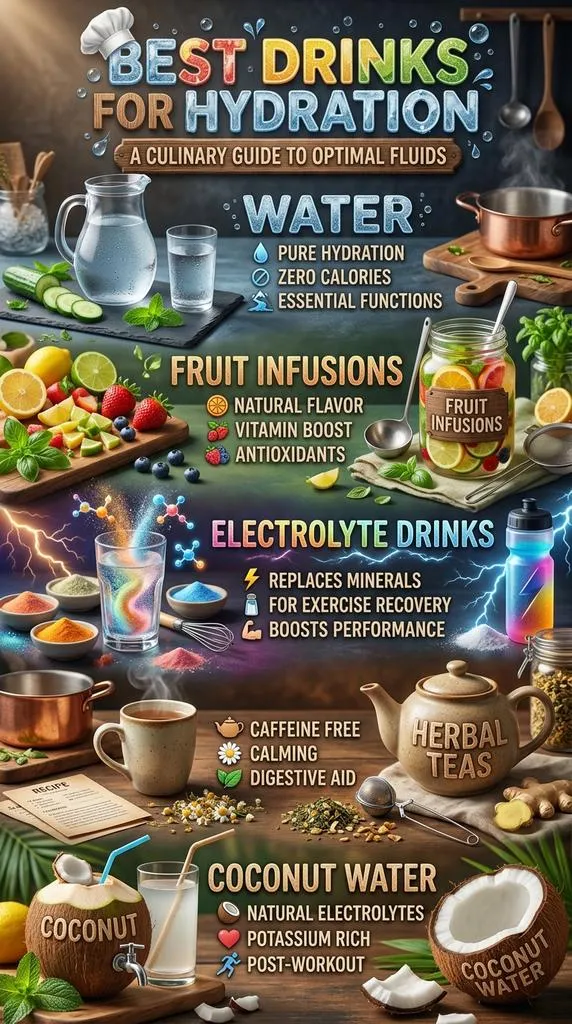
Athletic hydration liquid develops into a few classes with specific purposes:
Isotonic drinks have the same amount of electrolytes and carbohydrates, meaning they can be easily absorbed into the body directly like blood to hydrate.
Hypertonic drinks are more concentrated in sugar, and are best suited post-exercise for recovery and carbohydrate replenishment
Hypotonic drinks have lower carbohydrate levels making them the best option when you are in need of hydration without additional calories.
Among natural electrolyte drinks, coconut water and some mineral-rich plant-based drinks are free of synthetics or additives.
How to decide which is right for you depends on what kind of athletic support you are looking for, how intense your workout is and what feels most comfortable. Some athletes love to drink commercial sports drinks, while others prefer natural alternatives like coconut water or homemade electrolyte concoctions made of fruit juice, salt and water.
Timing Your Electrolyte Beverage Consumption
What you drink is as important as when you drink it: electrolyte beverages help most if consumed at key times. Water alone is typically adequate for exercise sessions of less than 60 minutes. But after 6 h or sustained exercise, electrolyte drinks help. Begin drinking early in your workout instead of waiting until you’re thirsty. But thirst is a fairly late sign of dehydration, and drinking before you’re thirsty keeps performance from dropping.
Most experts suggest that during vigorous exercise, you should drink 400 to 800 milliliters of electrolyte beverage per hour, adjusted for your body size, sweat rate and the climate in which you’re exercising. Space this out into smaller amounts taken every 15 to 20 minutes; chugging a big amount at once can cause stomach discomfort.
Recovery and Post-Exercise Hydration
The rehydration power of electrolyte beverages doesn’t stop at the end of your workout. When you do physical activity, your body stops losing fluid by sweating for some time after the end of that activity. During the recovery phase, electrolyte drinks will help your body recover fluid balance and replace minerals that you lost. This helps speed up recovery and prepares your body for the next training session.
When you’re recovering post-exercise, drinks that include electrolytes, carbohydrates and even some protein are most effective. These elements aid in repairing muscle tissue, restoring energy reserves and rehydrating your body more effectively than just water. For many athletes, the best results come from drinking an electrolyte drink up to 30 minutes post-exercise.
Common Electrolytes Explained
| Electrolyte | Primary Function | Typical Range in Sports Drinks |
|---|---|---|
| Sodium | Regulates fluid balance and promotes thirst mechanism | 200-500 mg per serving |
| Potassium | For muscle function and to reduce cramping | 75-200 mg per serving |
| Magnesium | Assists energy production and muscle relaxation | 10-30 mg per serving |
| Calcium | Crucial for muscle contraction and bone health | 20-50 mg per serving |
Natural Alternatives to Plain Water
One of the best things for your health is staying hydrated. Your body requires water for effective operation, temperature regulation, and to maintain your energy levels all over the day. Of course, plain water is always a good choice, but with so many other delicious and nutritious drinks out there, you can find beverages to quench your thirst while also giving you some extra benefits.
You have more options to find the best drinks for hydration than you may know. Most people think that hydration must come from plain water, but fruits, vegetables and other natural ingredients can provide hydration along with the vitamins and minerals your body craves. Here are some great options that are a little more sophisticated than the average.
Coconut Water for Replenishment of Natural Electrolytes
One of the best natural hydration sources one could have is coconut water. This clear liquid that’s contained inside small, young coconuts is high in electrolytes such as potassium, sodium and magnesium. These minerals assist your body in maintaining proper fluid balance, which makes coconut water particularly beneficial following exercise or during hot weather.
What sets coconut water apart as one of the best hydrating drinks in nature is its electrolyte, mineral and nutrient composition. Unlike most other sports drinks teeming with added sugars and synthetic ingredients, coconut water hydrates with limited processing. And with around 95 percent water, you’re getting great hydration without the unnecessary additives.
Coconut water can be consumed directly out of the container or blended with fresh fruits for a refreshing smoothie. Coconut water is a great natural alternative to commercially produced sPorts drinks, preferred by many athletes and fit people.
The Super Hydration Power of Herbal Teas
Herbal teas make for a warm and cozy way to consume fluids all day long. Hot or iced, herbal teas provide hydration with health benefits, depending on the kind.
About hydration and wellness Green tea is especially popular. It offers antioxidants that provide you with hydration and overall health benefits. Drinking chamomile tea helps you chill out, while sipping ginger tea aids in digestions and adds warmth during the cold season. Peppermint tea, in turn, cleanses your palate and may aid digestive ease.
One of the wonderful aspects of herbal teas is their adaptability. You can steep them a couple minutes for light flavor or longer for stronger taste. Drinking herbal tea several times during the day is a common way for those who do not want to drink water, as varying flavors mean that this option can still help them get their daily fluid needs met.
Fruit-Infused Water Combinations
Fruit-infused water is a great solution if plain water seems boring to you. This uncomplicated prep consists of infusing your water with fresh fruits, vegetables or herbs and letting it steep for a few hours.
Lemon water is a classic pairing for flavoring water while offering vitamin C to the mix. Cucumber water gives drinkers a mildly refreshing taste a lot of people find especially hydrating on warmer days. You can also experiment with combinations like strawberry and mint, or orange and blueberry. These infusions make it a little more enjoyable to carry on with hydration without adding an atypical amount of calories and/or sugar.
Making flavored water at home can be simple and inexpensive. Just fill a pitcher with water, toss in your favorite fruits or herbs and let it chill overnight. You’ll be prepared with a brew for the next day.
High Water Content Fresh Fruits
Not eating water-rich fruits is a common mistake in improving your hydration status. Most fruits have more than 80% water, which makes them a significant source of your daily fluid intake.
| Fruit | Water Content | Additional Benefits |
|---|---|---|
| Watermelon | 92% | High in lycopene and vitamin C |
| Strawberries | 91% | High in antioxidants and fiber |
| Cantaloupe | 90% | Excellent source of beta-carotene |
| Oranges | 87% | Rich in vitamin C and folate |
| Peaches | 89% | — |
Contains niacin and potassium
So, incorporating these fruits into your everyday diet can be hydrating and enrich you with nutrients as well. You can munch on fresh ones, pop them into smoothies or toss them into salads for a refreshing meal.
Vegetable Juices: Nutritional Hydration
Fresh vegetable juices are some of the best drinks for hydration — they blend water content with precious nutrients. Cucumber, celery and tomatoes are great foundations for hydrating juices.
Cucumbers, which are 96 percent water, make cucumber juice especially hydrating. It has a mild flavor that works with other vegetables or fruits. Celery juice does contain natural electrolytes, minerals, and compounds which help hydrate you from the inside out.
When juicing vegetables, use fresh organic produce if you can. Cold-pressed juices maintain more nutrients than their heat-processed counterparts. You can also make fresh juice right at home with a juicer or blender if you reserve and want to know exactly what goes into your drink.
Milk-Based Hydration Options
Milk, a rich source of hydration that is often underrated. Both dairy and plant-based milk options offer significant hydration alongside protein and other nutrients.
This makes regular milk about 87% water, which is what makes it such a good drink for hydration. Plant-based options like almond milk, oat milk and coconut milk also provide similar hydration benefits with different nutritional attributes.
These milk alternatives are especially helpful for postexercise, offering hydration and protein for muscle recovery. For these reasons, many athletes consume post-workout milk.
Smoothies for Complete Hydration
These thick blended smoothies pack a lot of hydrating ingredients in one delicious drink. You can use fruits, veggies, milk, yogurt and other nutrient-rich stuff to make smoothies.
A simple hydrating smoothie could consist of fresh spinach, banana, berry fruits, and milk or coconut water. These combinations offer hydration in addition to vitamins, minerals
Hydration and its Common Mistakes | How to Avoid Rubbing Salt into Your Wounds
There’s nothing more important for your health than staying hydrated. But people get a lot wrong when it comes to drinking water and other beverages. These mistakes can block your body from receiving the hydration it truly needs. Realizing what you’re doing wrong is the first step toward making better choices.
Your body relies on appropriate hydration to operate at peak performance. If you’re not drinking enough fluids or consuming the right drinks, you could wind up feeling fatigued, developing headaches or having other issues. The good news: Once you learn what not to do, you can begin to implement better hydration habits almost immediately.
Waiting Until You Feel Thirsty
The biggest mistake that people make is to drink water only when they are thirsty. By the time you feel thirst, your body has already begun to become dehydrated. Thirst is the late-stage signal that your body needs fluids. Drink water during the day, even if you are not extremely thirsty.
This is particularly crucial if you work out regularly or are outdoors in warm conditions. In such scenarios, thirst may be behind your true fluid requirements. The most effective drinks for hydration are not only ones you sip when thirsty, but that you consume regularly and consistently. It helps to make it a habit and sip on water every hour, even if not thirsty.
Relying Only on Water
Although plain water is great for hydration, relying solely on it can be restrictive. To retain the water you drink, your body needs electrolytes including sodium and potassium. If you sweat heavily or exercise intensely, drinking plain water isn’t enough to replace what’s lost through perspiration.
Drinking only water after a workout or in hot weather can cause your body to not hold the fluids for long. The very best drinks for hydration usually have some electrolytes to help your body absorb and retain proper fluid balance. This is why adding sports drinks, coconut water, and electrolyte-enhanced beverages to your hydration routine can be valuable.
Opting for Sweet Drinks Instead of Healthy Alternatives
Most people believe that all drinks contribute to their daily fluid needs. This can backfire because some drinks actively undermine adequate hydration. Sugary sodas, energy drinks and super sweetened juices may seem refreshing but they will slowly dry you up.
Many of them are rich in sugar and, in some cases, caffeine — which can increase the amount of fluid your kidneys filter out of your body. If you need to pick drinks that will help with hydration, look for ones that don’t contain too much sugar. Water, unsweetened tea and milk and drinks specifically marketed for electrolyte replacement are far better options.
Consuming Too Much Caffeine
Caffeine is a gentle diuretic, which means that it promotes the release of more water by your body via urination. While moderate amounts of caffeine won’t really hurt your hydration status, too much can counteract what you’re trying to do. Downing cups of coffee or tea over the course of a day without counterbalancing with water means you’ll end up less hydrated.
That doesn’t mean you have to cut out caffeine completely. Just note that every caffeinated beverage you consume is not serving you as much in hydration as water or electrolyte drinks would. If you’re a fan of coffee or tea, drink them in moderation and ensure that you’re also getting plenty of other noncaffeinated fluids.
Ignoring Your Individual Hydration Needs
The general advice is often taken without adaptation to specific situations. How much fluid you need is determined by a variety of factors, including age, activity level, temperature and general health. What works for someone else to keep them properly hydrated may not do it for you.
Athletes and those who do regular exercise require greater volumes of fluid than less active people. People living in hotter climes have different hydration strategies than those who live in cooler areas. Children’s hydration needs vary from that of adults. Taking the time to consider your unique needs allows you to make better choices about what drinks are most effective for hydration in your particular context.
Overhydrating (drinking too much water in a short period)
Dehydration is indeed a problem, but so too can be overhydration. Intake of excessive volume of water in a short time can put the kidneys to exert extreme pressure to eliminate certain excess water and even dilute your blood electrolytes. This uncommon but serious condition is known as hyponatremia.
The trick is to divide your fluid consumption through the 24 hours, instead of consuming large amounts at once. Take drinks slowly, not in gulps. This method is better for real hydration and feels more comfortable.
The Negative News: Not Modifying Your Intake for Activity Level
Your hydration requirements vary according to your activity. It takes quite a different amount of body fluid to operate a desk than run 26.2 miles. But many people have the same drinking habits regardless of how active they are.
Which brings me to the second point: When you exercise or are outside, increase your fluid-intake by a substantial degree. For the best hydration while exercising, also look for drinks with electrolytes to replace what you lose in sweat. Continue drinking after exercise, even if you’re no longer sweating, to completely rehydrate your body.
Forgetting About Food-Based Hydration
Many ignore food’s contribution to overall hydration. Water-rich fruits and vegetables, such as watermelon, oranges, cucumbers, and lettuce can also provide significant contributions to your daily fluid intake.
Incorporating hydrating foods alongside drinks provides a more rounded solution to hydration. It also makes it easier to sustain the habit of staying hydrated throughout the day, since you can choose from multiple sources.
Not Monitoring Your Hydration Status
One simple way to check if you’re hydrated is to pay attention to the color of your urine. If urine is light yellow or clear, it typically means that a person is hydrated. If your urine is dark yellow or amber, you should drink more fluids. This simple self-check will help you tailor your intake to real need, not guesswork.
Also, notice how you feel. Chronic fatigue, headaches, dry mouth and trouble concentrating can all be signs of dehydration. When you see these signs, reach for the best drinks for hydration that’s appropriate to your situation.
You don’t need fancy strategies to make better hydration decisions. If you avoid these common pitfalls and hydrate appropriately throughout your day, you will feel more energetic, as well as support the key functioning of your body.
Conclusion
Properly hydrating is one of the easiest yet most impactful things you can do for your health. In this guide, we have looked at the best drinks for hydration and learned that staying hydrated goes a lot further than drinking plain old water during the course of your day.
Water is still the best hydration source for your body, and it’s no accident that this wrote of water is the gold standard. It’s free, has zero added sugars and is great for everyday hydration needs. But knowing there is no one-size-fits-all for hydration reveals new opportunities to help keep your body replenished and healthy.
Your choice of drinks should be in sync with your lifestyle and activities. But if you work out regularly or spend time in hot conditions, electrolyte drinks become helpful tools for replacing minerals your body loses from sweating. If you want some variety, natural choices like coconut water, herbal teas and fruit-infused water offer hydration as well as beneficial nutrients — without added artificial ingredients.
What really counts is being aware of the common hydration traps that many people fall into, like drinking only when you’re thirsty, relying just on sugary drinks or forgetting to drink anything in the course of physical activity. Awareness of these traps allows you to cultivate smarter drinking habits that truly align with your wellness goals.
The best hydration beverages are those you will actually drink regularly. Be it the most tasteful, ice-cold water you can ever envision, refreshing electrolyte drinks like Pedialyte or Gatorade that will treat your dehydration within 24 hours, or naturally hydrating beverages; whatever works for your body isn’t going to occur unless you make it a staple in your meal. By drinking mindfully, you are spending to make sure you have more energy, clearer thinking and feel better overall. Starting today, assess your current cleansing habits and make one small step closer to the wellness you deserve.