

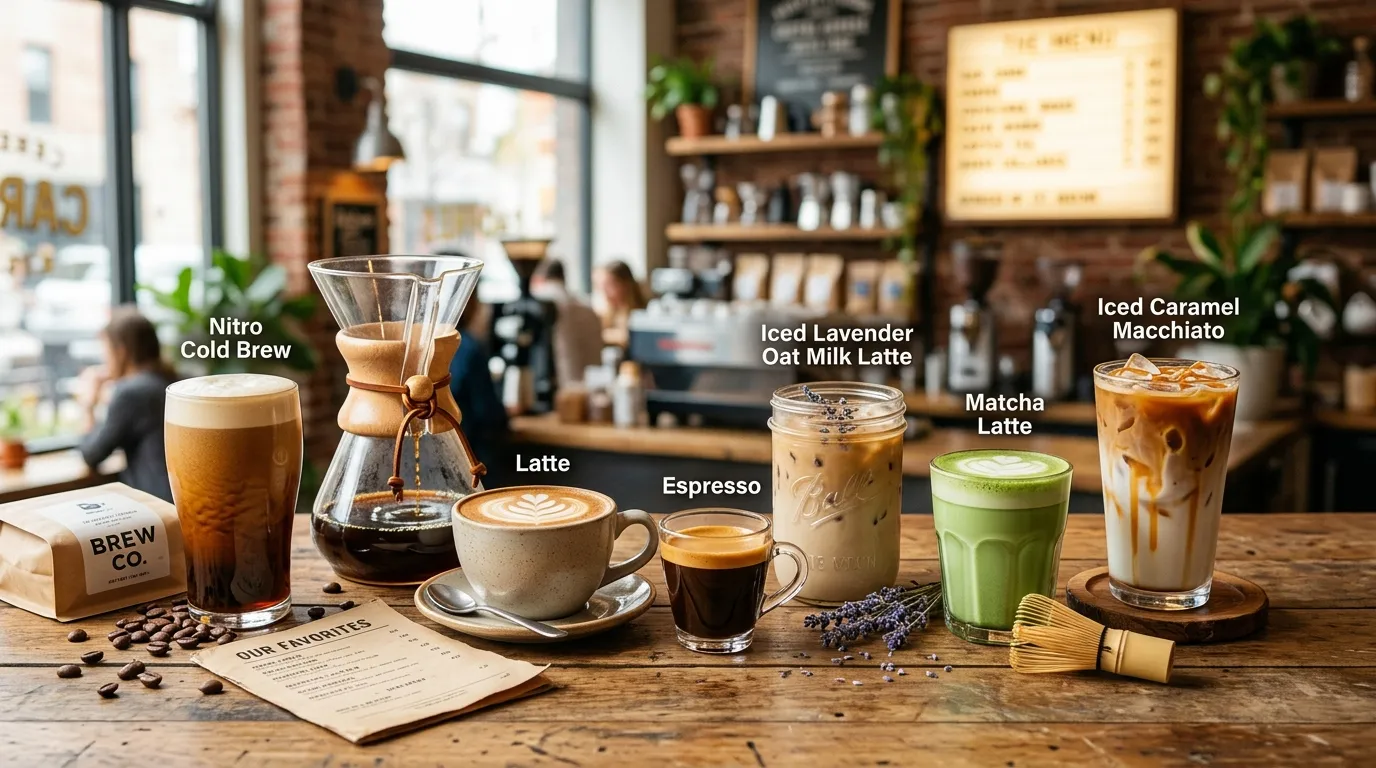

Brewing beverages deliver an astounding array of flavors and experiences when you’re searching for something delicious to drink. From hot or cold, there’s a brew option that will suit the taste buds. From classic coffee to modern tea infusions these drinks have become staples in everyday life. Let’s check out seven awesome brew drinks you should try.
Cold Brew Coffee
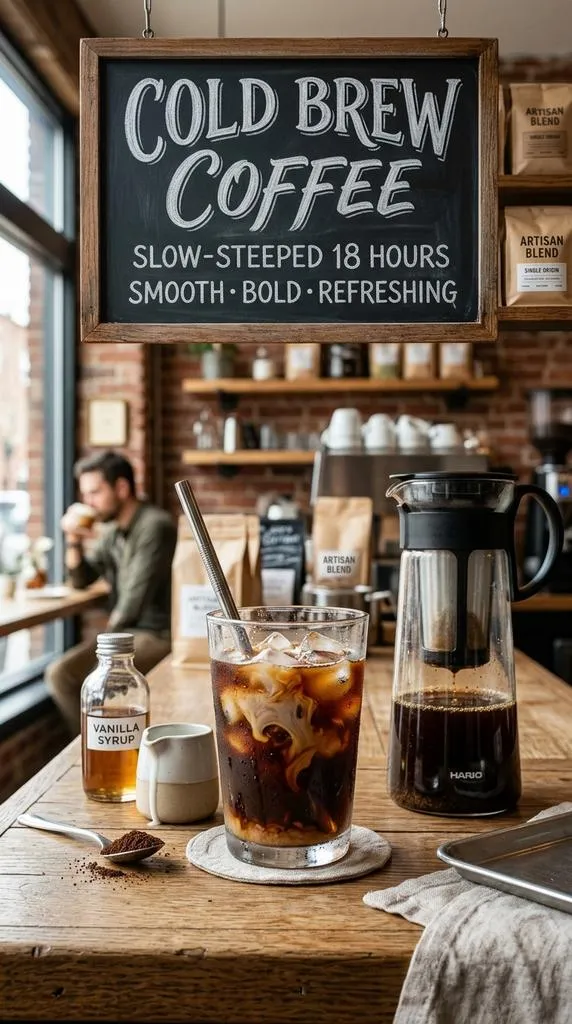
Widely regarded as one of the smoothest and most refreshing ways to enjoy your morning caffeine, cold brew coffee is increasingly popular among domestic drinkers. This method consists of steeping coarsely ground coffee in cold water for 12 to 24 hours. The long steeping time results in a naturally sweet, low-acid drink that’s gentle on your stomach compared with hot coffee. You can drink cold brew straight over ice, or with milk and sweeteners to taste. Owing to customers’ love of its dark flavor and mellow finish, you’ll find cold brew on many coffee shop menus year-round these days.
Kombucha Tea
An extremely popular brew drink is kombucha, a healthy and flavorful fermented tea beverage. This fizzy, fermented tea drink is made using just black or green teas, sugar and a special culture known as SCOBY (Symbiotic Culture of Bacteria and Yeast). Good probiotics that promote wholesome digestion form during the fermentation process. Kombucha is offered in many flavors — ginger, lemon, berry and mango. The mild sour, bubbly flavor makes it the ideal substitute for sugary sodas. Most health food stores and many regular supermarkets carry kombucha, so experimenting with different brands and flavors is easy.
Nitro Cold Brew
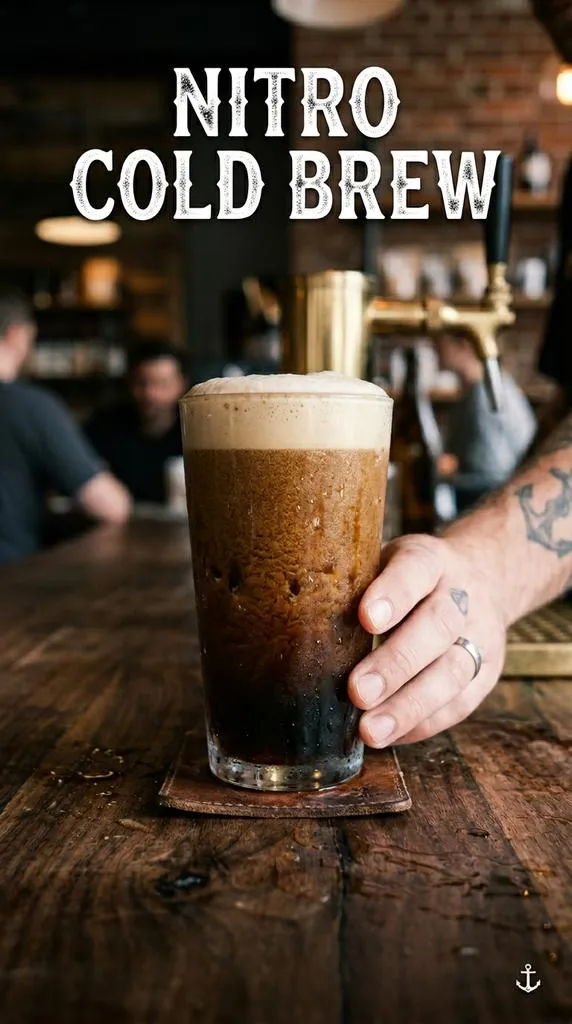
Nitro cold brew is here if you want to take your cold brew to the next level. This signature beverage combines nitrogen gas and cold brew coffee, the same way draft beer is made. The nitrogen bubbles are what give it that creamy, velvety mouthfeel without the use of milk or cream. The drink has this gorgeous dark color and the cascading effect when pouring it. Nitro cold brew has a naturally sweet flavor and creamy mouthfeel that’s irresistible to coffee aficionados looking for something more enticing than regular old coldbrew. You get this at the more high-end coffee shops for those who want something a little nicer.
Herbal Brew Tea
There are endless flavor combinations and wellness benefits with herbal brew teas. Herbal brews, unlike traditional teas containing caffeine, are free of this stimulant and can even be enjoyed at all times of the day. You might have chamomile for relaxation, peppermint for digestion or hibiscus for a tart, fruity flavor. Many brew herbal tea in bulk and drink it cold as the day goes on. These drinks are very beneficial to serve in case of some health conditions. You can buy premade herbal brews or whip up your own by steeping dried herbs in hot water.
Iced Tea Brews
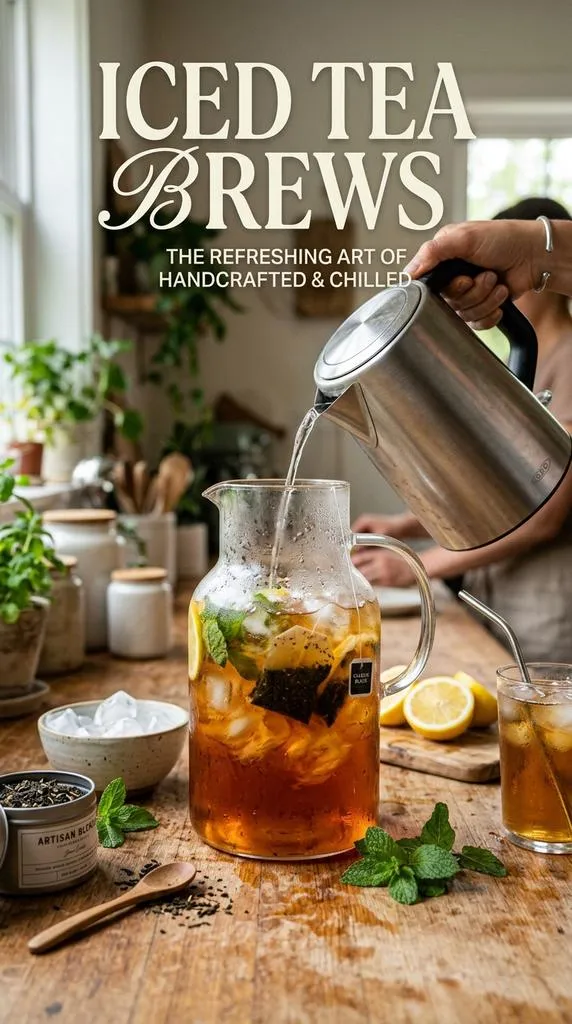
Iced tea is a true classic beverage choice, and it never goes out of style. Black tea is a sure thing, but green tea or even white tea brewed fresh and chilled makes an invigorating drink for warm days. You can sweeten iced tea to taste with honey, sugar or fruit juice. Adding fresh fruit, herbs or cucumber turns your iced tea into something special and Instagrammable. Iced tea brews are easy on the wallet, too: You can brew big batches yourself and sip them through the week. Iced tea is a highly versatile drink, good for everything from casual drinks on weekdays to more sophisticated party refreshments.
Espresso-Based Brew Drinks
Espresso is the base for many of brew drinks we coffee-heads love. Americanos, lattes, cappuccinos and macchiatos all begin with a concentrated shot of espresso combined with hot water or steamed milk. Each drink delivers a unique ratio of espresso to milk, resulting in very different flavors and textures. A latte has a fluffy, creamy palate thanks to lots of milk, whereas pure coffee comes out in a cappuccino. The benefit of espresso-based drinks is that they can easily be flavored with syrups, spices or made vegan and all other dietary preferences through alternative milk options.
Cold Brew Green Tea
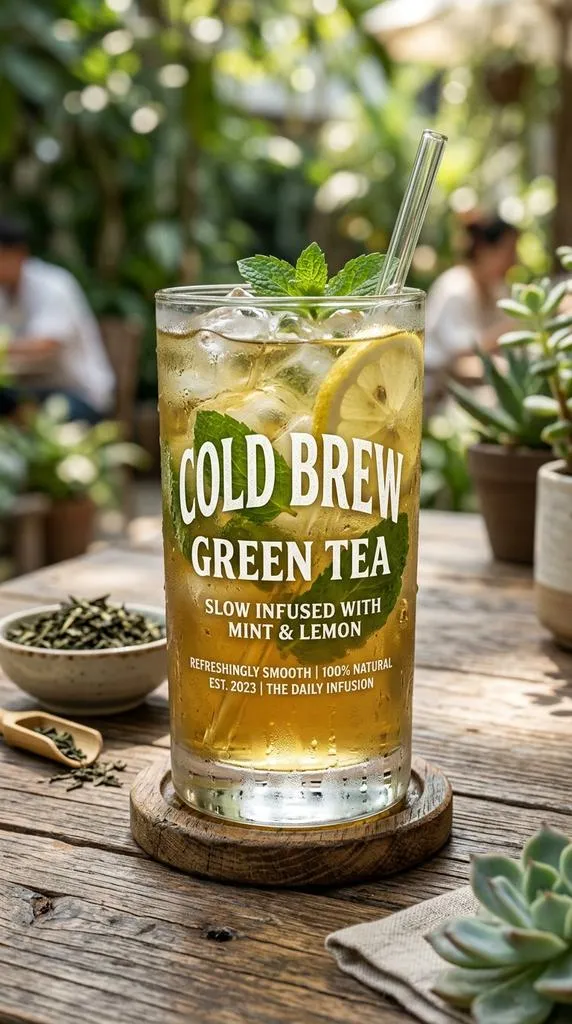
Green tea cold brew is a health drink that offers us the benefits of green tea with the addition of refreshing appeal of cold drinks. Less antioxidants are lost with cold brewing than hot, so this method is a great option for health-conscious caffeine drinkers. Green tea has a mild, close-to-grassy taste that becomes more apparent when cold brewed. You can improve its taste by adding lemon juice, honey or mint. Cold brew green tea is an excellent choice for a midday pick-me-up; it has less caffeine than coffee, making it great for energy without the jitters. Making cold brew green tea at home is easy and more affordable than purchasing it from cafes.
So Why Not Upgrade Your Daily Cups?
If you find the right other brewing method could fully change your perception of how to enjoy the drink you have daily. Whether you are a coffee addict, tea fanatic or someone who simply appreciates craft refreshments, knowing the different brewing methods allows you to uncover unique flavors and make that ideal cup every time. Here are 7 distinct brew drinks and the techniques that make them stand out.
The art of pour over coffee
Flickr/Fourth Estate Publishing Co. Pour over brewing ranks amongst the most widely used techniques for producing great coffee at home. This method consists of slowly pouring hot water over coffee grounds through a filter, allowing gravity to extract the flavors little by little. Pour over coffee is one of the most popular brewing methods on the best 7 brew drinks because it gives you full control of the process.
In a pour over method, you are in control of water temperature, pouring speed and extraction time. That means you can adjust your technique based on the particular beans you’re using. The result is a clean, flavorful cup with bright, crisp notes. Well: Many caffeine aficionados swear by this method as it doesn’t require overly much equipment and generally yields tasty results.
French Press Brewing Excellence
The French press is still a favorite among those who want coffee that is rich, full-bodied and with depth. This immersion brewing method entails steeping coarse coffee grounds directly in hot water for four to eight minutes before pushing down a metal mesh filter to separate the grounds from the liquid.
What sets French press coffee apart is that it retains the natural oils and fine particles from the beans, resulting in a heavier mouthfeel than other brewing methods. If you love a bold cup of coffee and don’t mind some bottom-of-the-cup grit, the French press is as close as you’ll get to a perfect brew. A good multiple brew drinks of course, makes the top 7.
Espresso Machine Mastery
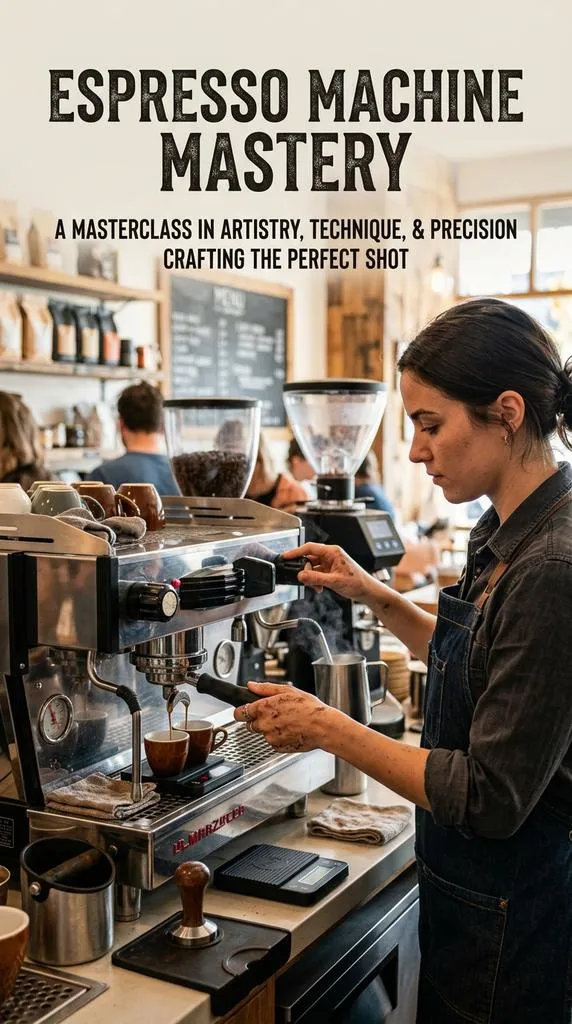
Espresso serves as the base for many popular drinks around the globe. This brewing method pushes hot water through finely ground coffee at high pressure, yielding a concentrated shot with a rich layer of crema on top. Learning how to use an espresso machine unlocks an infinite number of drink possibilities.
An espresso machine lets you make cappuccinos, lattes, americanos and macchiatos. The craft of pulling the perfect shot makes espresso brewing an art that many people devote themselves to mastering. Espresso has a concentrated nature, which allows you to quickly create bold, flavorful drinks.
Cold Brew Concentrate Creation
Cold brew has changed the way many people drink coffee, especially during hot months. This technique eases coarse coffee grounds in cold water for twelve to twenty-four hours. This extra time gives water a chance to extract flavors slowly without the need for heat.
The resulting concentrate yields a smooth and naturally sweet profile with less acidity than hot brewed coffee. You can dilute cold brew with water, milk or non-dairy creamers to find your ideal drink. This brewing method is ideal for batch preparation and has your coffee ready to drink throughout the week.
Turkish Coffee Tradition
Turkish coffee is one of the oldest brewing methods that continues to be popular today. This method mixes finely ground coffee with cold water in a vessel called a cezve or ibrik and slowly heats it over low heat. The coffee is frothed up repeatedly, then poured into small cups.
The best 7 brew drinks include Turkish coffee due to its unique brewing ritual and bold, concentrated flavor. This technique produces an extremely thick, rich drink with very unique flavor traits. Turkish coffee is loved by many people for both its taste and the ritual in making it.
Aeropress Innovation
With aspects of immersion and pressure brewing, the Aeropress is a flexible brewing device. You add ground coffee and hot water into a chamber, then use air pressure to push the coffee through a micro-filter. It’s a method that takes only a few minutes, and yields one clean cup of flavorful coffee.
The beauty of the Aeropress is its versatility. Everything from brewing time, water temperature and the grind size can be adjusted to experiment with different flavor profiles. The end result is a coffee with the clarity of pour over with just a touch more body. This method is a favorite of travel enthusiasts because it’s portable and sturdy.
Moka Pot Stovetop Brewing
The Moka pot, also known as stovetop espresso maker, makes coffee by forcing boiling water pressurized into steam through ground coffee. This Italian classic makes a bold, concentrated brew that falls somewhere between regular drip coffee and authentic espresso on the intensity scale.
Making coffee with a Moka pot is simple and doesn’t need electricity. You fill the bottom chamber with water, add finely ground coffee into the filter basket, screw on the top chamber and heat it on your stove. When you hear a soft gurgling sound, your coffee is ready. Perfect for brewing strong coffee to use in milk-based drinks.
Iced Tea and Herbal Infusions
The Best 7 Brew Drinks (Related: The Ultimate Breath Test Drink) Cold steeping tea means putting tea leaves in cold water overnight, which makes a smooth and less-bitter tea to drink on hot days. Brewing hot, then chilling with ice creates a bolder flavored iced tea.
Herbal infusions are based on the same principles as tea brewing, but with dried herbs, flowers and botanicals. You can then play with steep times and temperatures to dial in a flavor intensity. The possibilities for this remedy are limited only by your imagination, so feel free to mix it up and create a million new refreshing healthy beverages!
| Brewing Method | Brew Time | Flavor Profile | Equipment Cost |
|---|
| Pour Over | 3–4 minutes | Clean, bright, crisp | Low |
| French Press | 4–8 minutes | Bold, rich, full-bodied | Low |
| Espresso Machine | 25–30 seconds | Intense, concentrated, complex | High |
| AeroPress | 1–2 minutes | Smooth, balanced | Low–Medium |
| Moka Pot | 5–10 minutes | Strong, bold, espresso-like | Low |
| Cold Brew | 12–24 hours | Smooth, mellow, low acidity | Low |
Genuine Brewed Effection And All The Nutritional Value In It
While everyone wants to enjoy the best 7 brew drinks, few people realize that they really should be looking for something more than just tasty beverages. Good brewed drinks are more than taste and warmth. They make a real health difference to your regular routine. If you are unfamiliar do not worry, we will quickly go through what the best 7 brew drinks have to offer health wise and why you should be incorporating them in your way of life.
What Makes Brewed Drinks Special
Brewed drinks involve steeping, infusing or boiling ingredients in hot water. This extracts beneficial compounds your body can use. By picking the best 7 brew drinks you mean that it’s a drink which has been studied for having positive benefits on health. These beverages are loaded with antioxidants, vitamins, minerals and other beneficial plant compounds that enhance each other to support your health.
The actual brewing process is hugely important. Longer steeping tends to equal more nutrients in your cup. Temperature also factors into how many beneficial compounds are released from the ingredients. Which is why the best 7 brew drinks have to be prepared in special ways to unlock their full health potential.
Things You Probably Calories Tea & Green Tea
One of the best 7 brew drinks for daily consumption is green tea. It’s packed with catechins, potent antioxidants that may safeguard your cells from damage. This is a drug-free way to combat inflammation and boost heart health, which are intrinsic benefits of drinking good green tea.
Regular green tea drinkers have shown greater mental focus and less fatigue, according to studies. A combo type of calm alertness comes from caffeine and an amino acid known as L-theanine. That means you can be energized without the jitters. Green tea also boosts your metabolism and can strengthen healthy weight adaptation over the long-term.
Black Tea for Sustained Energy
Black tea is yet another key member to the best 7 brew drinks family. It has more caffeine than green tea and great for when you need sustained energy. Black tea contains high levels of a group of compounds called theaflavins, which have been linked to benefits like heart health and better blood circulation.
What is most significant about black tea, however, is the effect that it has on blood vessel functioning. Regular intake has been associated with better management of blood pressure and prevention of heart diseases. The flavor profile for black tea also makes it easier for a lot of people to drink consistently, so you get ongoing benefits year-round.
Herbal Infusions and Natural Wellness
Herbal infusions are in the top 7 between brew drinks, having a special place as they bring targeted benefits. Chamomile tea soothes your nervous system and enhances the quality of sleep. Brewing chamomile before bed prepares your body for sleep while avoiding unfortunate side effects.
This brew supports digestive health and eases bloating. Ginger tea warms your system while alleviating nausea and building immunity. The best 7 brew drinks include herbal alternatives to the tiniest wellness challenges of everyday life. They don’t work against your body, they work with it.
White Tea for Delicate Nutrition
Easiest to taste like one of the top 7 brew beverages that can give someone optimum antioxidant with a slight control over processes is White Tea. Since the leaves for white tea undergo minimal processing, they retain more of their natural compounds. This means higher levels of the potent skin-supportive, cellular-protecting antioxidant EGCG.
White tea has a delicate flavor that can work great if you want to drink lighter beverages. While white tea has a light flavor, its nutrition profile is heavy. Those with white tea in their routine generally experience clearer skin and greater overall vitality.
Oolong Tea for Balance
Oolong tea falls around the middle of green and black (in terms of oxidation), making it one of the top 7 brew drinks for those looking for in-between benefits. This tea combines the metabolic benefits of green tea with the energy that lasts all day from black tea. Oolong helps manage blood sugar levels and is beneficial for bone health due to its polyphenol content.
Oolong is special for its unusual fermentation process. This process produces compounds that do not occur in other teas. Drinking oolong regularly has also been linked to improved bone density, which can matter more as you get older. The taste profile is also an interesting departure when you are looking for something extra in your usual brew.
Quality Brewed Beverages Nutritional Comparison
It would be a good idea to look at the nutritional profile of different brew drinks when choosing from among the best 7. Various preparation methods and qualities yield varying outcomes. Here’s what to know about the most common varieties:
| Brew Type | Caffeine Content | Optimal Time to Consume | Main Advantages |
|---|---|---|---|
| Cold Brew Coffee | High | Morning | Smooth, less acidic, energizing |
| Kombucha Tea | Low | Any time | Probiotics, digestive health |
| Nitro Cold Brew | High | Morning | Creamy texture, smooth taste |
| Herbal Brew Tea | Caffeine-free | Any time / Evening | Wellness, relaxation, variety |
| Iced Tea Brews | Medium | Afternoon | Refreshing, customizable, affordable |
| Espresso-Based Drinks | High | Morning | Bold flavor, versatile, social |
| Cold Brew Green Tea | Low–Medium | Morning / Afternoon | Smooth, light, antioxidant-rich |
Best 7 brew drinks: The importance of different brewing methods and their proper usage Each different brewing method will create completely different personalities in your drink, making the same ingredients result in wildly different tasting experiences. Your experience of the drink, smooth and mellow or bold and intense, depends on how water temperature, steeping time and equipment work together.
Understanding the differences between brew types allows you to make a more informed decision based on your preferences. Some techniques focus on brightness and clarity, while others stress richness and depth. By learning about those differences, you understand why your favorite coffee shop makes drinks differently than how you set up at home, or why the same tea leaves taste that much better when brewed other ways.
Cold Brew Vs Hot Brew Methods Explained
Cold brewing yields a naturally smooth, sweet beverage because cold water extracts fewer browning compounds from your grounds or leaves. This process is slower — usually 12 to 24 hours — but the long, cool steep time makes for a concentrate with really low acidity. With cold brew, you perceive less astringency on the palate and more fine-grained, layered flavors.
Due to being at higher temperatures, hot brewing works faster and extracts other flavour compounds. Hot water, at 195 to 205 degrees Fahrenheit, extracts more soluble material, resulting in a brighter cup with more pronounced characteristics. The rapid extraction allows for a greater complexity of flavor to wash over you in minutes rather than hours. This technique also highlights acidity and showcases notes you may not detect in cold preparations.
Exploring French Press Flavor Development
The French press is one of the top 7 brew drinks techniques to make a full-bodied beverage. Coarse grounds steep directly in hot water for several minutes before you press down the mesh filter. Because fine particulates get to stay in your cup thanks to the metal mesh, you’re getting more mouthfeel and flavor than you would with a paper-filtered system. The oils released from your grounds also remain in the drink, giving it a heavier mouthfeel.
This style of brewing highlights the flavors that come from your ingredients without filtering out desirable compounds. That’s when you’ll notice earthier undertones and a more robust character. Those who enjoy their best 7 brew drinks with as much flavor presence as possible tend to go for this method because nothing gets stripped away that contributes to richness and warmth.
Pour Over and Drip Brewing Tested Features
Pour overs yield a cleaner, brighter cup because fine particles and oils are trapped by paper or cloth filters. That filtering process takes out some bold components, so you’re left with a delicate flavor.” Brewing lasts for three to four minutes depending on the coffee experience you’re after, allowing for controlled extraction. You can control your pouring speed and water temperature to achieve a specific flavor outcome.
Automatic drip machines operate on similar principles but give convenience at the cost of precision. Results are repeatable because water drips through grounds at a steady rate. The flavor tends to land in the balanced middle ground—not as full-bodied as French press, but not as complex as espresso-based drinks. This means that everyone from the casual drinker to the conoisseur has reliable, familiar taste.
Discovering Espresso Intensity and Concentration
Espresso, as the densest of best 7 brew beverages, is made by forcing small amounts of hot water through finely ground materials at pressure. This high-speed extraction — typically 25 to 30 seconds — extracts intense flavors and produces a thick, syrupy drink. Crema (the tan foam on top) brings another layer of taste and texture that you won’t get with any other brew method.
When you taste espresso, you get strong and vigorous flavors with body and long aftertaste. The pressure extraction method highlights delicate notes that slower methods can flatten. Those who appreciate bold and potent beverages tend to find espresso their brew method of choice.
Traditional vs Turkish Brewed Drinks
Turkish coffee preparation heats very finely ground ingredients with water in a unique pot called cezve or ibrik. The concoction boils several times as it is prepared, resulting in a thick, concentrated drink with a unique preparation ritual. This old school method yields one of the purest tasting 7 brew drinks, full of bold flavor and grit.
Traditional boiling methods cook ingredients directly in water much like a tea. This straightforward method effectively pulls out flavors from beans, but if overdone will lead to bitterness. The resulting drink has warmth and depth without the delicate care of other methods.
Below is a comparison table that illustrates the impact of various brewing methods on key flavor characteristics:
Tea Brew Type Table
| Brew Type | Caffeine Content | Main Benefits | Best Time |
|---|---|---|---|
| Green Tea | 25–50 mg per cup | Enhances antioxidants, improves mental clarity | Morning to noon |
| Black Tea | 40–70 mg per cup | Supports heart health, provides energy | Morning, early afternoon |
The beauty of making coffee at home is that you can control everything — from the species and roast level, to freshness and brew time. You’ll need to know the basic techniques, equipment choices and ingredient qualities that go into making a good brew great. Whether you’re an occasional coffee drinker or simply want to take your morning ritual to the next level, these actionable tips will let you get café-quality results from home.
Understanding Your Coffee Beans
From choosing good beans: The basis of a good cup. When selecting your coffee, look for a bag with a roast date instead of an expiration date. Fresh beans have a significant impact on flavor. Coffee starts to lose its best-tasting characteristics within two to three weeks of roasting, which is why buying in smaller quantities more often helps ensure freshness.
Experimenting with different origins and roast levels will help you learn what you like best. Light roasts tend to have bright, acidic flavors with the characteristics of origin that come through. Medium roasts have a balanced profile, with moderate acidity and body. Dark roasts provide bold, rich flavors with less acidity and tend to be smoky or chocolatey.
How you store beans makes a big difference to quality. Store your coffee in an airtight container and out of direct sunlight, heat and moisture. People often put beans in the fridge or freezer, where condensation develops and the beans get ruined. A cool, dark cupboard or pantry offers the best storage conditions.
Mastering the Grind
Grinding the beans immediately before brewing yields the best results. Once opened to the air, flavor compounds in pre-ground coffee dissipate rapidly. Splurge on a good grinder, because the consistency of your grounds affects extraction and flavor directly.
So, burr grinders are better than blade grindersfor many reasons. They pulverize beans such that you get consistent size particles that will extract evenly. Blade grinders chop things up unevenly, creating some fine powder and some sizable pieces — resulting in uneven extraction that can create bitter or weak flavors.
Adjust your grind size according to the brewing method you are using. Espresso needs a fine grind, French press coffee needs a coarse one. Medium grounds are typically used on pour-over methods. That’s the ideal water contact time and extraction. Finer grounds have a greater surface area available for water to contact, which accelerates extraction. Finer grounds allow for faster extraction, making them more suited with shorter brewing times.
Water Quality and Temperature
Water makes up about 98 percent of your final cup, so the quality of it greatly impacts your brew. Filter your water to eliminate chlorine and other doohickeys that mess with flavor. If your tap water tastes good to you, it’s normally fine for coffee. Filter If It Tastes Off — Filtering Will Help You Out
The temperature is critical for good extraction. For most brewing methods, the sweet spot for water is between 195 and 205 degrees Fahrenheit. Water boiled at 212 degrees extracts too fast and can produce bitter flavors. Water below 195 degrees doesn’t pull enough out, making for weak, sour coffee.
(Since most kettles are not temperature displaying, you can use a simple trick: Let boiled water cool for about 30 seconds before pouring.) This gives the temperature a little bit of room to decrease into the optimal range. If you brew often, a temperature-controlled electric kettle will take the guesswork out of and standardize your brews.
Perfecting Your Brewing Technique
The coffee-to-water ratio is the bedrock of consistent brewing. A great place to start is weight — one part coffee, 16 parts water. Example 1: 25 grams of coffee to 400 grams of water. You can tweak this ratio to your taste. Prefer stronger coffee? Use more grounds. Like it milder? Reduce the coffee amount slightly.
Buy a kitchen scale to weigh things accurately. Scoops are inconsistent because coffee grounds compress differently. A scale removes the guesswork and delivers consistent, reliable results.
The characteristics of the final cup depend on your choice of brewing method. Each of these approaches has its own benefits that suit certain preferences and lifestyles.
| Brewing Method | Brew Time | Grind Size | Body | Acidity | Taste / Flavor Profile |
|---|---|---|---|---|---|
| French Press | 4 minutes | Coarse | Full | Higher | Rich, earthy, bold |
| Pour Over | 3–4 minutes | Medium | Medium | Medium | Clean, bright, balanced |
| Cold Brew | 12–24 hours | Coarse | Full | Lower | Smooth, sweet, mellow |
| Espresso Machine | 25–30 seconds | Fine | Very Full | Varies | Intense, concentrated, complex |
| Turkish Coffee | 8–10 minutes | Extra Fine | Very Full | Higher | Strong, thick, sediment-rich |
| Auto Drip | 5–10 minutes | Medium | Medium | Medium | Consistent, familiar, accessible |
| AeroPress | 1–2 minutes | Medium-Fine | Medium | Medium | Smooth, balanced |
| Moka Pot | 5–10 minutes | Medium-Fine | Full | Medium | Bold, strong |
Essential Equipment Considerations
You can make great coffee without an arsenal of expensive gadgets, but some equipment makes it easier and more consistent. A grinder you can count on is the second most important investment to make after beans themselves. Then think about a brewing device that suits your lifestyle. If you’re always on the go, an AeroPress or automatic drip maker is excellent. If you appreciate ritual and precision, pour-over or French press methods require a more hands-on approach.
In the world of pour over brewing, a gooseneck kettle is an essential for creating controlled water flow. Lessons learned: A milk frother is only necessary if you drink lattes or cappuccinos daily. A scale drastically increases consistency and removes variables from your brewing process.
Timing and Freshness
Make your coffee right before you intend to enjoy it. Coffee starts oxidizing immediately after being brewed, and its flavor falls off in as little as 20 minutes. If you must wait, pour
Conclusion
With your first step into the wonderful world or brewed beverages, the array of flavor, health benefits and every day enjoyment is truly limitless! Be it the rich boldness of cold brew, pour-over coffee’s subtle notes or herbal infusions with comforting qualities, there’s a brewing method awaiting you and flavor profile begging to be discovered.
Each of the seven brew drinks we explored has something special to add to your cup: From energizing choices that help you start the day to calming sips for restful moments, you are now equipped to seek out drinks that suit your taste and way of life. Understanding how the different brewing methods work gives you an insight into why every drink tastes different and that tiny changes can change your experience.
Those brewed beverages become even more rewarding thanks to the health factor. You’re not simply relishing great flavors — you are providing your body healthy nutrients and antioxidants with each sip. As long as you’re using quality ingredients and brewing drinks properly, you have full control over what goes in your cup at home — making it healthier than a lot of store-bought options.
The tips you’ve learned about making the perfect cup aren’t difficult. With the perfect water temperature, timing and technique, anyone can replicate café-quality drinks at home. You don’t have the buy fancy equipment or years of experience to create change.
Start experimenting today. Try one brew drink you’re interested in this week. Notice the flavors, note how it makes you feel and tweak brewing to your palate. It is a personal and rewarding world in quality brewed beverages. Your perfect cup is waiting.