

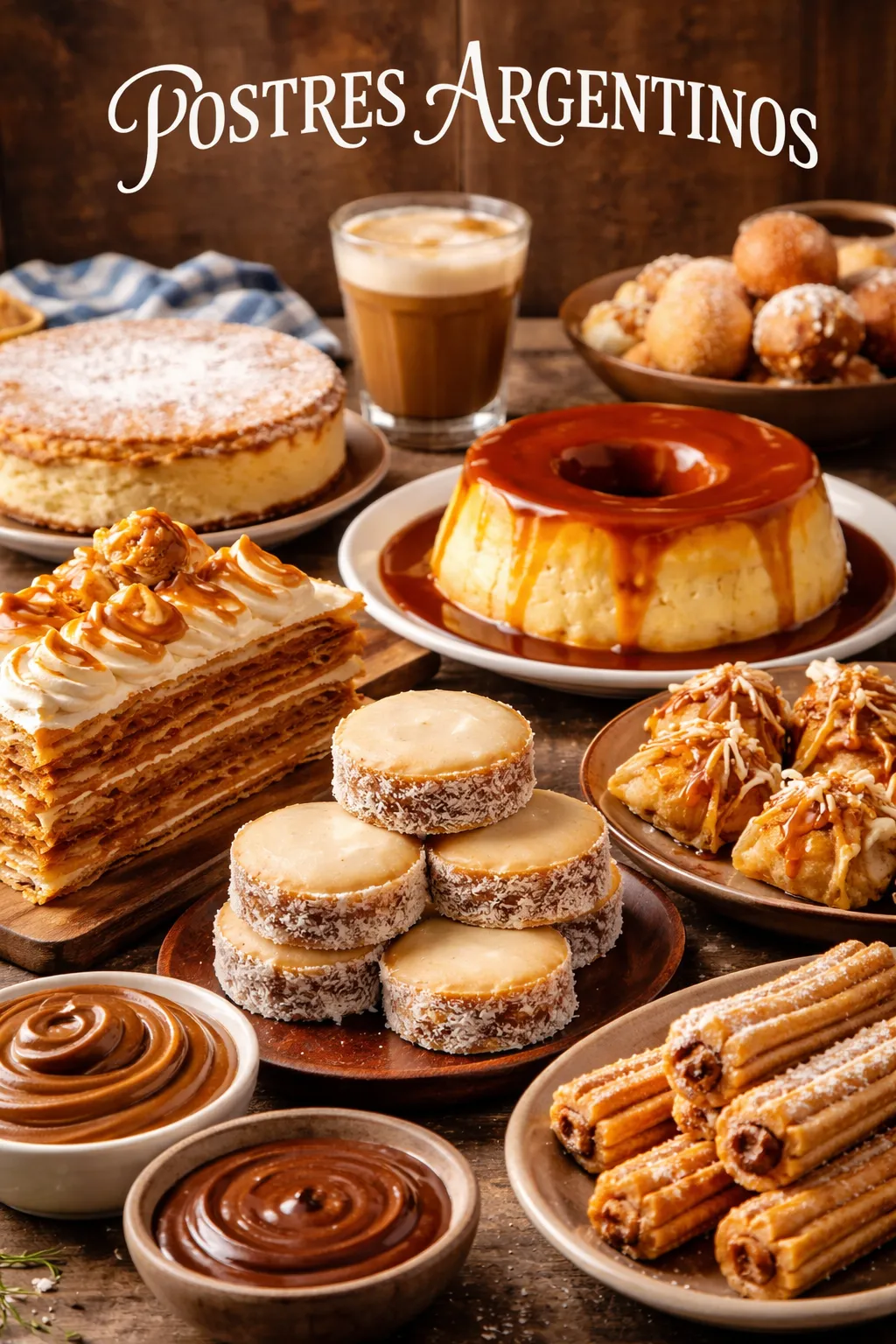

Argentinian desserts and puddings are so much more than sweet finishes to a meal. They narrate the national history, which was forged by indigenous customs, Spanish conquest, Italian immigration and European influence. As you search Argentina desserts, you will find a cuisine that mirrors the country’s complicated history and the mix of people who have made this South American country their home.
The foundation for Argentina-based desserts originated with the indigenous peoples who incorporated native ingredients, such as corn, squash, and local fruit. Spanish conquistadors who arrived in the 16th century brought sugar cane and sweet European baking techniques with them. What happened was a clash of cultures produced something entirely different. Italian immigrants landing in the late 1800s and early 1900s brought their pastry-making traditions, forever altering dessert. From the first sweet treats of the 1500s to today, Argentine desserts reflect this rich multi-layered culture with each and every mouthful.
To know Argentina desserts, you need to appreciate how geography shaped what people could create and eat. The fertile pampas yielded dairy products, and various regions also grew fruit and grains. Coastal regions had access to other ingredients compared with inland communities. This regional diversity means that Argentine desserts differ dramatically depending on whereabouts in the country you are. Each area holds its own as far a self-titled specialty desserts and recipes with centuries of tradition being passed down through the ages.
THE ARGENTINE DESSERT CULTURE BY PABLO ACQUARONI The Basics of Argentine Desserts
Desserts in Argentina are an important part of daily life and special celebrations. On “merienda” (afternoon tea), families gather around deserts at the time of day when this happens, in late afternoon. This tradition also unites people and strengthens social connections. Turning another year older, holiday and religious celebrations all have particular Argentinean desserts to accompany these special times. When you share dessert in Argentina, you join a tradition that brings you closer to others.
Argentinean pastries are made with a crowd. Secret recipes and techniques are handed down from grandmothers to daughters and granddaughters. This passing down of knowledge means that real-deal Argentina desserts don’t just live on but flourish. Families have recipes that were passed from generation to generation and no doubt everyone had their own little touch that made theirs just a smidge different. It’s something that you have a connection to because it actually pertains to the root meaning of Argentina desserts, being at home made and adapted.
Essential Ingredients in Argentina Desserts
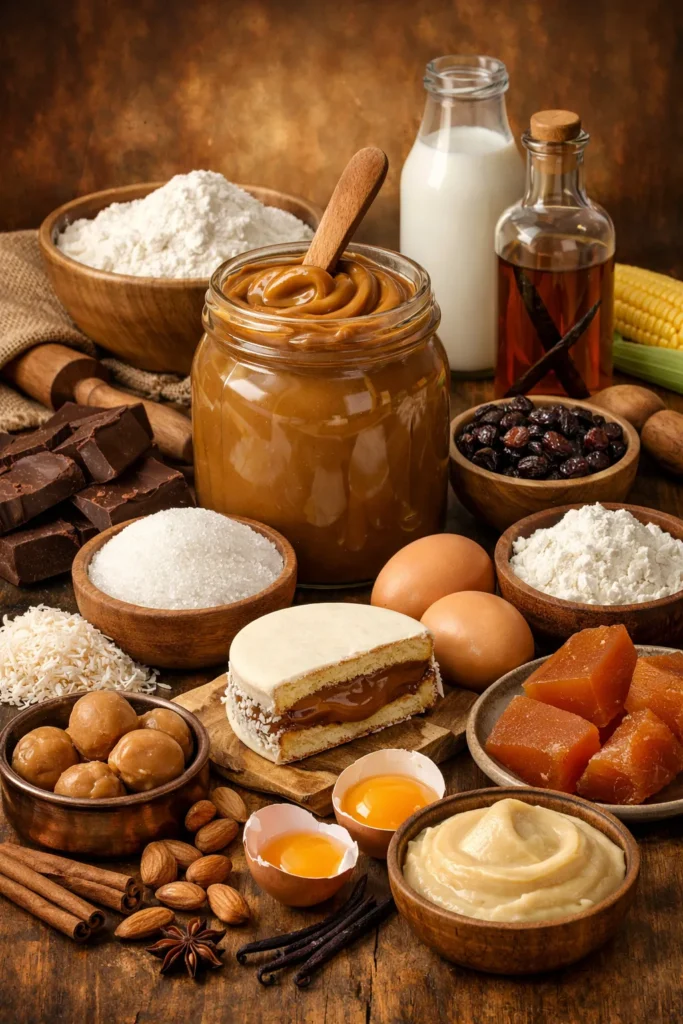
Some items show up in all maner of Argentine deserts. Dulce de leche, a spread that tastes like caramel and is made from milk and sugar, has no doubt been the star of many an Argentine dessert. It is the characteristic taste of many of our most traditional sweets and has become what we think of when we talk about Argentine cuisine. You’ll even find dulce de leche in cakes, pastries and cookies, as a sweet filling for pastries.
Butter and cream are the staples of Argentine desserts, as Argentina is very much a dairy culture. Eggs, cinnamons and vanilla add the rich flavors reminiscent of grandmother’s cooking. Bright flavor and natural sweetness come courtesy of fresh fruits, notably berries and stone fruits, in Argentina desserts. Nuts, particularly walnuts and almonds can add texture and flavor to many dishes.
Argentinian desserts are mostly made with chocolate also, thanks to European heritage and abundance of good quality cacao in the country. Yerba mate, a traditional South American drink, finds its way into a few of the inventive Argentina desserts for an herbaceous twist. It’s these base ingredients that together give the flavor profile that every Argentina dessert is known and loved for
Sweet Traditions in Argentina by Region
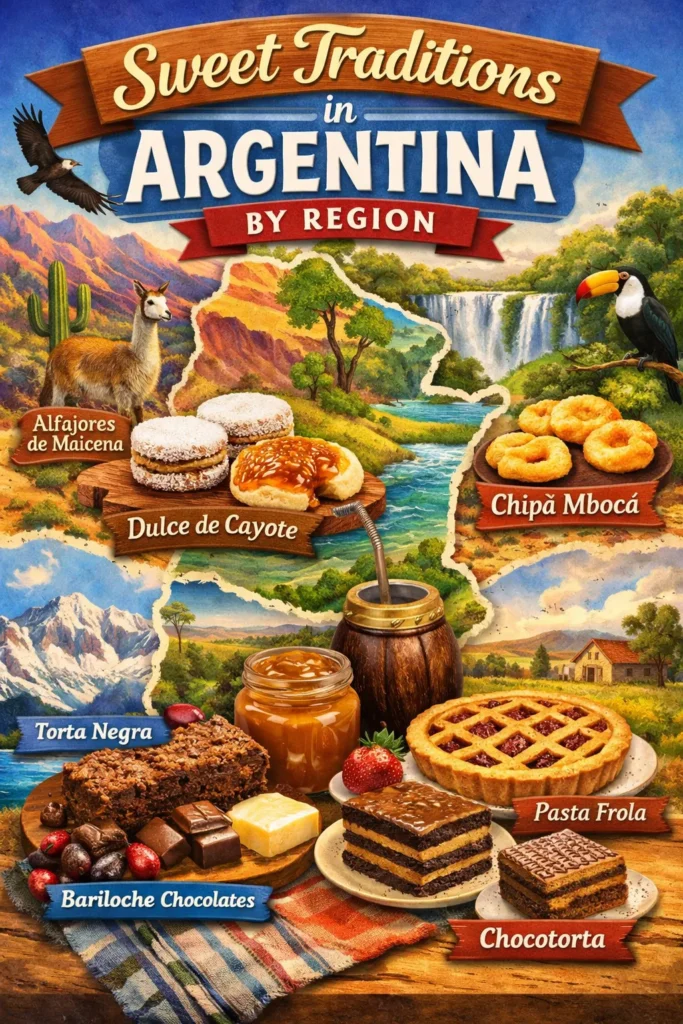
Northern Argentina deserts are influenced by Spanish and indigenous fare. Empanadas dulces, which are sweet empanadas (filled with fruits and spices) are Northern Argentina dessert staples. These hand-held pastries are two culinary traditions — and one portable treat. The sweetness can differ some recipes also include savory elements in addition to the sugar and fruit.
The Pampas region, where the capital city of Buenos Aires is located offered up Argentina desserts inspired by Italian immigration and some are simply a translated version. There’s an amazing array of tortas and petit fours with European technique and tradition in the confectionary shops of Buenos Aires. Urban Argentine desserts tend to be a lot more elaborate and sophisticated than those you’ll see on a farm.
Argentina desserts in Patagonia are often made with native fruits, especially berries that grow well in the cooler climate. Chocolate is also very frequent in Patagonian argentine desserts, since it has been developed quality chocolate there. Patagonia Travelers can try special Argentina deserts that reflect the local fare and traditions.
Sweet Old School Argentine Treats You Have to Try
The country has earned a strong reputation for its fiery passion, rich culture and certainly sultry tango – yet there is something just below the surface of Argentina’s prestigious landmarks; hidden behind bakery corners and in kitchen ovens make up the world of Argentina desserts. These sweets are stories of tradition, family gatherings and the perfect end to a meal. Argentine Dessert Treats When you delve into the world of Argentina desserts, you find a lot more than just sweet treats. You reveal generation upon generation of family recipes, fusing the tastes of Europe with local flavors and ingenuity.
Argentina desserts are beautiful in their simplicity and good taste. These are not the kind of desserts that require fancy techniques or rare ingredients; rather, they highlight simple tastes and classic techniques. Many of the Argentina desserts are now enjoyed by people all over the world who have come to love these rich and mouthwatering treats that pulsate with authenticity.
By Dulce de Leche: The Heart of Argentine Sweetness
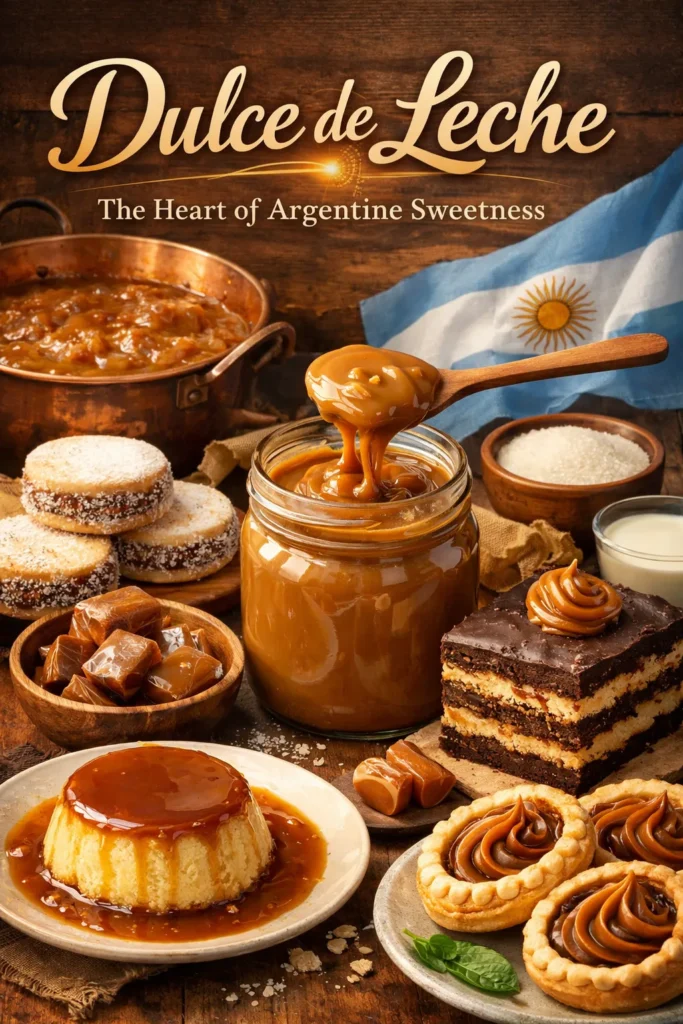
Whenever mentioning Argentina sweets, the dulce de leche can never be missed. This caramelized sweetened condensed milk is the essence of Argentine dessert culture. Dulce de leche is a simple thing to make: You cook sweetened condensed milk low and slow until it becomes thick and golden with a rich, buttery flavor.
Argentines do so much with dulce de leche. You’ll see it spackled between alfajores cookies, layered in cakes, swirled into ice cream or eaten straight from the bottle with a spoon. The flexibility of this ingredient is crucial in learning what are the Argentine desserts. Many families keep a jar of it in the kitchen at all times, always on hand to transform any dessert (or even an ordinary piece of breakfast toast).
View all New York Times newsletters. Alfajores: The Cookie That Rules Argentine Desserts
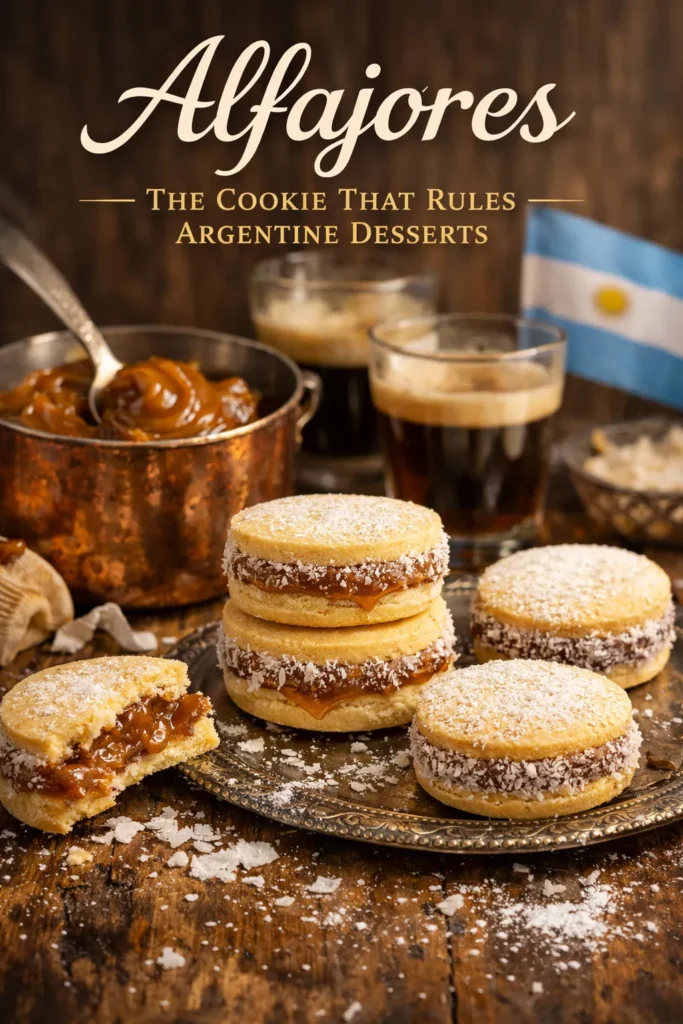
Alfajores are probably one of the most iconic sweets you will find in Argentina. These cookies are fragile and filled with a layer of dulche de leche between 2 circle, shortbread type of melt in your mouth cookies. Exterior can be dusted in icing sugar or coconut to give it texture and enhance its appearance.
Alfajores are special in the world of Argentina desserts because they have a one musitanct texture. The cookies are soft and crumbly which makes for the best contrast to the gorgeously slick, rich dulce de leche filling. When you take a bite of an alfajor, the cookie falls apart just enough for the filling to slide out in oozy glory — it’s comfort, dessert-style.
There are unique alfajor recipes in the various areas of Argentina. Córdoba is especially known for its variant, which boasts a thicker, sturdier cookie. Alfajores can be found in both small, local neighborhood bakeries and high-end confectioneries throughout Argentina, so they’re easy to experience for anyone who wants to try traditional desserts from this beautiful country.
Medialunas: The Sweet Breakfast Staple


If you’ve been to Argentina or studied its food culture, you’ll know all about medialunas. These subtly sweet crescent shaped pastries are much lighter than other typical Argentina sweets and hence fit well for breakfast or an afternoon tea. The name “medialuna” is the Spanish word for half moon, and describes their typical shape.
Medialunas are laminated breads like croissants resulting in layers of buttery, flaky dough. Some are dusted with sugar, others glazed very lightly in syrup. If you look around, you´ll also find people enjoying a medialuna with a café con leche, the two together are like the essential part of Argentine breakfast. This duo graces the breakfast tables of homes and cafés all over Argentina each morning.
Flan: Creamy Elegance in Argentina Desserts
Flan has pride of place in the pantheon of Argentina desserts, a decadent and elegant — yet sophisticated style of sweetness. The custard-based pudding has a whisper of cream and a caramel sauce that adds complexity and depth. Flan is delicate and requires attention, but you’ll find it’s time well spent once you slice into the final product.
Chocotorta: The No-Bake Sensation
Chocotorta Something on the more modern end of Argentine desserts, no dish has so permeated itself into Argentine culture as this one. This dessert requires no oven — you layer chocolate cookies with one of mascarpone or dulce de leche, and refrigerate. Easy to throw together, chocotorta is just the sort of thing home cooks seek.
Chocotorta: The beauty of the chocorta in Argentina desserts is that it’s easy to do and it tastes great. Anyone can do it, but each time it feels like a minor marvel. The chocolate cookies relax some as they bloom in the cream, resulting in a texture that’s substantial and smooth. This easy dessert is a staple in Argentine home kitchens, from simple family dinners to birthday parties.
Panettone: The Festive Choice
You will find at holiday time that panettone becomes a close relative of the Argentine desserts family. This Italian-inspired sweet bread, studded with dried fruits and sometimes chocolate, brings joy and tradition. In Argentina panettone is so popular that it sells in stores all November, December and January.
The great thing about panettone among Argentina desserts is that it’s so versatile. You can eat it unadorned, with coffee or crumbled over other desserts. Some Argentines like to eat panettone with dulce de leche, marrying two beloved aspects of their sweet cultures. With its tender, plush crumb and festive appearance, panettone is tailor-made for gifting over the holidays.
The Dark Side: Torta Negra If ever there was a cake that could be displayed in the Tate as well as gracing the tables at Wimbledon it is La Torta Negra, or The Black Cake of Colombia.
Torta negra is one of the richest Argentina desserts, a chocolate lover’s cake for chocoholics who don’t do anything by halves. This rich chocolate cake needs good quality chocolate and some time rallying.
Desserts in Different Argentina Provinces – Variations by Region
Argentina is known for its rich culinary culture, and its desserts give insights into the many regions that form this South American country. From the north’s subtropical climate to the fresh air of southern climes, Argentina desserts reveal flavors particular and recipes that have been handed down for generations. Every province adds its own twist to dessert-making, so we have a rich tapestry of sweet treats that represents indigenous ingredients, homegrown cultural influences and historical traditions.
One of the best things about Argentina desserts is that each part of the country has its own specialities because what grows locally, and who settled there. As you travel through Argentina, you’ll notice that the desserts in Buenos Aires are nothing like the ones in Mendoza or Misiones. This regional variety is what makes Argentine desserts a real exploration for foodies and tourists.
Desserts of the Upper End of Argentina and Their Eccentricities
The northern provinces of Argentina – Salta, Jujuy and Formosa – produce some of the most unique Argentina desserts you’ll encounter anywhere in the country. The hot climate, indigenous flavors and influences make the dessert tradition here look much different than in the provinces further south. The flavors here skew toward bolder tastes, with lots of local fruits and nuts and spices that grow in this fertile region.
The empanada dulce – a sweet stuffed turnover with fillings that have included dried fruits, nuts and sometimes meat – is another northern tradition. You will also find alfajores in this area, but they often have a distinct northern twist compared to the ones made elsewhere. These cookies are often filled with dulce de leche and then covered in chocolate or coconut. Buñuelos that are produced in the uplands of the northern provinces may also be served as a dessert or snack, depending on the filling.
Tropical fruits are common additions to many northern Argentina desserts. In Salta and Jujuy, mangoes, papayas and passion fruit crop up on dessert menu after dessert menu. Native honey and chancaca, a dense syrup of sugarcane, are the most used sweeteners in this area’s indigenous cuisine. AKA Argentine desserts that don’t taste anything like what you might experience from other areas of the country.
Desserts of Buenos Aires and the Central Region
As the capital and largest city, Buenos Aires’s cuisine is quite emphasized on desserts influenced by European immigration, specifically Italian and Spanish. Argentina desserts here are more delicate, like the city itself. That part of the world is now famous for its upscale pastries, fine candies and confections and desserts that combine European technique with local ingredients copied from overseas.
Buenos Aires’s most famous pasteries are their Susan Collins! These are sweet pastries stuffed with different fillings and shaped differently which we often eat for our morning coffee. Medialunas, the Argentine equivalent of croissants, are a Buenos Aires dessert staple. Not that they are always sweet, technically speaking: a dusting of sugar (or filling) takes care of the details in many versions.
Buenos Aires has also mastered the art of making and using dulce de leche. It is a caramelised paste that features in so many desserts from the central region of Argentina. Bakeries in Buenos Aires make lush cakes, tarts and pastries filled with the beloved ingredient. City bakeries and confiterías have established Argentina dessert standards that shape baking across the nation.
Mendoza’s Wine Region, and Its Sweet Side
Mendoza Western Argentina is best known for its wines, but since this region is also famous for its fruit and preserves you can imagine the delicious lavender infused wine dessert recipes that you will find in Mendoza. The fruit here — grapes, peaches and walnuts in particular — helps define the dessert scene in this part of the country.
One of the most famous Mendoza recipes is for pastel de nueces, a moist and delicious walnut cake that’s incredibly indulgent. It is a common treat at events and family functions across the province. You’ll also encounter dulce de higos, a fig jam or paste that has been made in this region for hundreds of years. The mix of local fruits and wine make for some Argentina desserts that you can’t try anywhere else.
Dried fruit is a common ingredient in Mendoza baked goods, and several locales wines are listed among ingredients to flavor or top the desserts on this group’s list. The province’s cornucopia of agriculture makes for seasonally fresh fruit desserts. This culinary marriage between Mendoza wine making and local dessert crafting forms a unique bond that comes to characterize the area’s sweet selection.
Patagonia’s Southern Dessert Specialties
Patagonia, the south of the country which includes provinces such as Río Negro and Chubut have created their own unique Argentina desserts in response to its cooler climate and settlement by Europeans. The deserts here tend to be either fruity, chocolate and Southern ingredients friendly.
Berries is probably the most important ingredient when it comes to Patagonian Argentina desserts. Strawberries, blueberries and raspberries are all phenomenally easy to grow in the climate here and turn up in tarts, cakes and fresh fruit desserts. Chocolate treats are also a hit and you can use the cooler weather to your advantage since chocolate work is less sticky!
The torta Negra, a dark chocolate cake dense with rich flavor, is a treasured creation of Patagonian bakers. Fresh fruit-topped berry tarts highlight the agricultural glories of the region. Chocolate covered berries and fruit preserves in dark chocolate are one of the crossroads between European sweets technique and Patagonian ingredients mixed up here.
Misiones Province and Subtropical Influences
Argentina desserts from the northeast province Misiones, near the Iguazu Falls, reflect luxuriant subtropical abundance and are influenced by native culture. This is yerba mate-country, along with citrus fruits and other tropical presences that have come to define sweet consumption in the area.
The large amount of citrus fruits grown in Misiones leads to a great variety of jams, sugary peel and desserts throughout the province. Dulce de naranja orange marmalade — is popular in a variety of Misiones Argentina confections, both pastries
How to Cook Authentic Argentina Desserts at Home
Argentina is known for having incredibly delicious cuisine, and desserts are no exception. And these sweet creations are as varied and fascinating as the incredible history of the country itself, combining continental know-how with unique local tastes. Recreating these Argentina desserts at home is the best way to taster real flavors of South America without flying there.
Understanding Argentina’s Dessert Traditions
Deserts of Argentina Bariloche deserts are a legend, an historic song. Many of these treats are courtesy of Spanish and Italian immigrants who arrived in the country decades ago. You’ll find that lots of Argentina desserts include those simple, high-quality ingredients like dulce de leche, fresh fruits and rich chocolate. It’s those two elements that make desserts that are comforting and also have an edge of sophistication.
Argentina desserts have gained popularity in other parts of the world as individuals scavenge for authentic recipes to reproduce its taste. And what sets these desserts apart is the cusp of sweetness and texture. If you’re a fan of creamy, fruity or chocolatey snacks, then Argentina desserts will be right up your alley Everybody loves to eat.
Essential Ingredients for Argentina Desserts
Now you can begin making Argentina desserts by collecting the correct ingredients. The base of many Argentina desserts is dulce de leche, which is a thick, caramel-like sauce made from sweetened milk. Dulce de leche can purchased ready-made, or you could make it at home by slow cooking a can of sweetened condensed milk.
| Key Ingredient | Role / Purpose |
|---|---|
| Butter and cream | Adds creamy richness and smooth texture |
| Quality chocolate and cocoa powder | Provides deep chocolate flavor |
| Berries and citrus fruits | Adds freshness and bright flavors |
| Nuts (walnuts and almonds) | Adds crunch, texture, and nutty flavor |
| Maizena / Cornstarch | Provides structure and thickens creams or custards |
Filling:Dulce de leche, or more alfajor cookies
Keeping these ingredients handy is essential when making Argentina desserts. Most of these ingredients can be found at the regular supermarket, but for an even more authentic and flavorful take on your dessert, speciality Latin markets often have the real deal.
Making Alfajores at Home
One of the absolute favorite Argentina desserts is alfajores. These are sandwich cookies with dulce de leche filling, sometimes coated with coconut. The process of creating Argentina sweets such as alfajores is simple and fulfilling.
Begin by making the cookie dough. Cream butter and sugar, then stir in egg yolks and vanilla. In another bowl mix flour, cornstarch and baking powder. Lightly mix the dry ingredients into the wet mixture and form a dough. Roll the dough and cut into small circles with a cookie cutter.
Place them in the oven at 350°F for 8-10 minutes, or until they are golden brown. After cooled, sandwich two cookies with dulce de leche. Roll edges in coconut for the classic look. These Argentina peach cookies keep well for a few days in an airtight container.
Making Flan: A Traditional Argentina Dessert
Flan, a silky-rich custard dessert, shows up on tables all around Argentina. This Argentina dessert is classy in its simplicity, yet sophisticated enough to serve when you want something elegant.
To make flan, you will need sugar, eggs, milk and vanilla. Start by making your caramel and bringing sugar to a golden brown on the stove. Immediately tip this into a round baking dish and spread out evenly in the bottom. In a blender blend eggs, milk, sugar and vanilla. Spread this over the caramel base.
Set your baking dish in a large pan and pour hot water around the dish, creating a water bath for even baking. This method helps to have an evenly cooked custard and avoid the crack on top. Bake at 325°F for 50-60 minutes or until the flan is set yet still slightly jiggly in the center. Cool completely, then chill at least four hours before serving. When ready to serve, run a knife around the edges and invert the flan onto a serving plate so that the caramel sauce slithers over the top.
Making Medialunas: Argentina’s Pastry Treasure
Medialunas cookies are crescent-shaped pastries, a classic Argentina dessert. These treats can be found at bakeries all over Argentina, and are commonly eaten with a cup of coffee in the morning or tea in the afternoon. While they demand a little patience, making medialunas at home is completely within reach.
Medialunas are all about layered dough, the laminated kind that gives you those flaky layers. Make a standard pate brisee, but fold in cold butter by way of turns and rests. It takes time but develops the characteristic texture that gives Argentine desserts all their pull.
Roll your laminated dough to one-quarter inch thick. Cut out triangles and roll each from the wide end into a crescent, tucking the ends inward. After about 2 hours of rising, brush with egg wash and bake at 400°F until golden brown. Some incarnations of Argentine sweets, like medialunas, get a dusting of sugar while they’re still warm.
Preparing Dulce de Leche Brownies
And for chocoholics, dulce de leche brownies are the ultimate marriage of Argentina sweets traditions and American favorites. These fudgy brownies are a great example of how much your favorite Argentinian desserts can change when combined with other types of cuisines.
Besides that, all it takes is cocoa powder, flour, butter, sugar and eggs to whip up a simple brownie batter. Spread half the batter in the baking pan. Pour some dulce de leche on top of this layer and top with the remaining batter. Drag the knife gently through the layers to swirl. Bake in a pre-heated 350 degree oven for 25-30 minutes until a toothpick inserted into the center comes out fudgy.
Argentina has a long culinary tradition that goes back many generations and desserts are an important part of the country’s food culture. Traditional Argentina Desserts from Buenos Aires to The Countryside Starting in the streets of Buenos aires and now out into the small towns that dot the countryside, traditional argentina desserts are making there way to families and fiestas! Today, a new crop of chefs is dusting off the old family recipe books and breathing new life into these cherished baked goods with inspired ingredient upgrades, contemporary techniques, and updated presentations that pay homage to the past while looking to the future.
The way Argentina desserts are changing parrilla by parrilla is part of a global movement in cooking in which tradition is scrupulously respected but not treated as sacrosanct by chefs who aren’t afraid to whiff. These culinary revolutionaries are keen to the idea that food is tied to our heritage, and by updating age-old recipes they’re not only bringing these decadent bites into relevance for today’s diners but preserving their very roots.
Classic Argentina Desserts With a Modern Spin
Classics of Argentine desserts, dulce de leche, alfajores and flan are classic sustenance for generations. Dulce de leche, that rich caramel sauce made from condensed milk, shows up in countless recipes and on dessert tables across the country. Today’s chefs are going to town with dulce de leche—injecting it into chocolate mousse, stacking it up in deconstructed cakes and putting it together with spicy or savory sides for some outlandish flavor pairings.
The traditional alfajores, the beloved shortbread cookies sandwiched with dulce de leche, usually is coated with coconut or chocolate. In addition to grains, today’s chefs are also trying out other coatings including matcha, activated charcoal (or any kind of finely ground black powder), and even edible gold. Some are making them in miniature for tasting menus; others are filling them with new mix-ins, like passion fruit cream or dark chocolate ganache.
Flan, a silky custard dessert topped with caramel, is popular as ever but now gets served in new guises. Chefs are serving flan-inspired panna cotta and flan-flavored ice cream, and even savory takes served as appetizers. You’re still getting those familiar flavors, but the context and presentation are so completely fresh.
Innovation in Ingredient Selection
One of the most significant changes in how today’s chefs are thinking about Argentina desserts relates to sourcing. Contemporary chefs favor local, seasonal and sustainable inputs. Some chefs produce their own dulce de leche, made from milk delivered daily from farms in the region, as opposed to using mass-produced condensed milk. They procure fruits from Argentine regions recognized for certain varieties, then use them to classic recipes in a manner that showcases regional variety.
Chefs are also bringing in international ingredients to pair with Argentina’s traditional desserts. Matcha powder, exotic fruits and specialty chocolates from around the world are now entering reconstituted old-schoolers. This intermingling of local tradition with the world at large results in such excitingly familiar desserts.
Technique and Presentation Transformation
These days, how chefs serve Argentina desserts is radically different. Plating is an Art Today, we deconstruct desserts and artfully place everything on a plate. Pure slice of flan on a plate is now pieces of flan foam, caramel soil, and glass-like crispy sugar tuile dotted around for different looks (and textures).
Sophisticated cooking methods are also collaborating to this mutation. Sous vide, spherification and molecular techniques yield new textures and intense flavors in classic recipes. A dulce de leche dessert could include the cooked down sauce in its traditional state, but also a dulce de leche foam and a dulce de leche powder, so the diner can have multiple visits to that holy grail.
Popular Argentina Desserts Being Reimagined
| Argentina Dessert | Main Ingredients | Prep Time | Difficulty Level | Traditional Dessert | Modern Interpretation |
|---|---|---|---|---|---|
| Alfajores | Flour, butter, dulce de leche, coconut | 30 minutes | Easy | Classic dulce de leche sandwich cookies rolled in coconut | Little alfajores dipped in individual coatings and filled to modern taste |
| Dulce de Leche | Milk, sugar, vanilla | 1–2 hours | Medium | Smooth milk caramel spread | Milk caramel mousse with crunchy bits & artisanal crackers |
| Flan | Eggs, milk, sugar | 45 minutes | Medium | Classic caramel flan | Flan deconstructed with foam, caramel dust, and edible flowers |
| Chocotorta | Chocolate cookies, cream cheese, dulce de leche | 20–30 minutes | Easy | Layered chocolate cookie cake | Personal chocotortas with homemade chocolate and gourmet fillers |
| Medialunas | Flour, butter, sugar, yeast | 1–2 hours | Medium | Traditional laminated crescent pastries | Intriguing (and laminated) pastries filled with creative dessert fillings |
The Mission of Chefs to Save Culinary Heritage
There are ornate desserts and clever cakes from heel to toe of the country’s shape if you have eyes for them, and it is clear that young chefs who cook them today see themselves as cultural heirs. It’s not that they’re changing recipes just for the sake of change. We’re the latter, but we’re recording traditional ways of doing things,” Justin said.“We want to find grandmothers who make these desserts that melt in your mouth.From then on, he or she becomes the person everyone goes to when they want dessert.Burana’s recipe was easy: He asked his mom. This is the knowledge that their modern interpretations are based on and it is what keeps reverence for tradition always at the heart of what they do.
A lot of what chefs know is also being passed on to younger generations who are learning how to make classic desserts the way Argentinians have always done before taking them in a modern direction. This way, authentic knowledge doesn’t vanish as culinary trends change. Restaurants and cooking schools across
Conclusion
Argentina sweets are so much more than sugar and taste to be sure. They are a narrative of a country formed by indigenous customs, Spanish conquest and Italian immigration. From the sidewalks of Buenos Aires to the sleepy small towns of Mendoza, these sweet staples bring people together and embrace Argentina’s lively culture.
So whether you’re snacking on an alfajor dunked in your afternoon coffee or savoring a slice of dulce de leche cake at the family gathering, with every bite you are tasting history. The classics — including flan and churros — have held a place in Argentine hearts for generations, while regional specialties out of different provinces expand the country’s dessert landscape with depth and variety.
Argentina’s desserts are beautiful precisely because they are so accessible. And you don’t have to go all the way to Buenos Aires to find them. Making these easy little sandwiches requires only a few ingredients and some time, but you won’t notice the latter as you’re having fun in your own kitchen! Whipping up a homemade batch of medialunas or making dulce de leche from scratch will introduce you to Argentine traditions and allow you to enjoy the craftsmanship behind every dessert.
And what’s even more exciting about Argentina desserts today is the way gifted chefs are reinventing these beloved recipes. They’re marrying traditional recipes with contemporary methods to produce forward-looking versions that are studded with history. And it is a change that maintains the nation’s dessert culture, growing into something relevant for new generations.
Argentina desserts hold significance and memories in each sweet bite and as you learn about of this country’s dessert you will see what that means. These are not just desserts to eat — they’re experiences to be savored. Now grab a fork, invite some friends over and dig in to the wonderful world of Argentine treats. You’ll be returning for more, bite after bite.