


On those days when you struggle to summon the energy to get through your day, a glass of one of the tastiest energy drinks might be just what you need. Whether you are a student studying late into the night or an athlete going for your first workout of the day, having some extra energy in place without worries about junky ingredients causing a crash is what you need.
Energy drinks have soared in both use and popularity in the past decade, with those who drink them now having a wide range of products to help them find the one that fits their lifestyle and tastes. Not so fast — not all energy drinks are the same. Some give you a blast of energy and then leave you on the floor hours later. Knowing what separates the best energy drink from the others is very important to make an informed decision about what you place in your body.
What makes energy drinks work?
“Some of the best energy drinks contain several essential ingredients that complement each other, stimulating you mentally and physically as well as promoting heightened alertness. The primary active ingredient in most energy drinks is caffeine, but the dose matters a lot. The average content of caffeine is between 80 and 300 milligrams per serving, depending on your individual tolerance and intended use.
In addition to caffeine, quality energy drinks contain B vitamins that aid your body in converting nutrients in food into energy. These are all necessary vitamins that will keep your metabolism functioning the way it should and help you have an even level of energy throughout the day. Another frequent ingredient is taurine, which contributes to normal muscle function and the reduction of fatigue in high-intensity exercise.:
Electrolytes, namely sodium and potassium, are also key nutrients in these types of high-end energy drinks if you’re drinking them during or following physical exercise. These nutrients are key to your body’s ability to stay well hydrated and in balance, the foundation of any performance.
Popular Options in Today’s Market
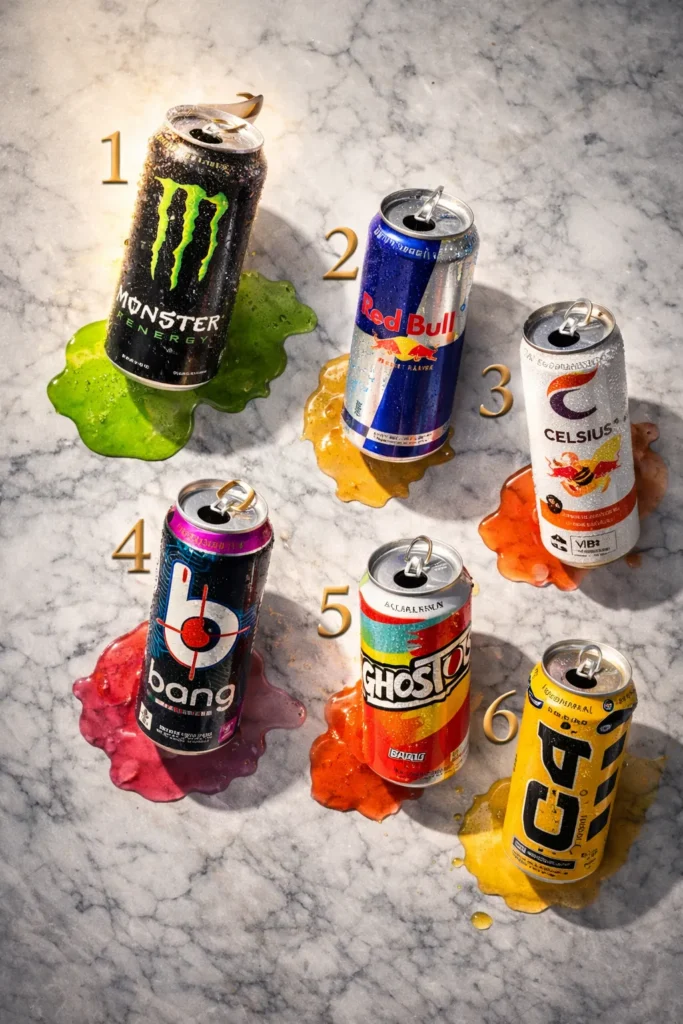
There are a few brands that have become powerhouses in the energy drink world. Red Bull still remains one of the most well-known, as it provides a tasty-yet-mild flavor and reliable source of energy that’s appreciated by nearly everyone. Monster Energy has won a devoted following with its punchy flavors and edgy marketing to young consumers and extreme sports fans.
For those who want to veer off course without a lot of sugar, many brands now make traditional blends with no sweetener. Plain and simple, the energy shot contains a big dose of caffeine – about as much as a cup of coffee – and a packet of other ingredients all in a little 2 ounce bottle. Bang Energy and C4 Energy are growing in popularity with fitness enthusiasts because they promote athletic performance/muscle endurance.
There are also health-minded versions of the energy drink available. These products contain ingredients such as green tea extracts, guarana or ginseng instead of synthetic caffeine and are popular among those who favor natural remedies. Natural alternatives are frequently less of a kick in the teeth when it comes to energy, but can still deliver some tangible performance benefits.
| Energy Drink | Caffeine (per serving) | Best For | Key Feature |
|---|---|---|---|
| Red Bull | 80mg | Balanced energy boost | Smooth taste, reliable formula |
| Monster Energy | 160mg | Extended energy needs | Bold flavors, high impact |
| Bang Energy | 300mg | Intense workouts | BCAAs, performance-focused |
| 5-Hour Energy | 200mg | Quick on-the-go boost | Convenient shot format |
| C4 Energy | 200mg | Pre-workout preparation | Athletic enhancement |
The best energy drinks should be a product of different variables such as your caffeine tolerance, desired purpose and dietary preferences. If you’re new to the world of energy drinks, you’ll want to start with some of the lower-caffeine options to see how your body reacts. If you feel comfortable doing so, slowly add more.
Take your activity level into consideration when choosing an energy drink. Athletes and lifestyle users, attend your needs with drinks tailored to power you up! For scholars and office workers, a drink promoting mental clarity with none of the jitters would be welcomed. Those needing to follow a restricted diet should carefully read the labels for nutrition and ingredients that meet their standards.
Keep an eye on sugar too. The issue with many traditional energy drinks is that they’re typically loaded with added sugar, which can lead to energy crashes or isn’t good for regular consumption. With the sugar- free versions, you get the same effects but with less calories and without sending your blood glucose levels into orbit.
Maximizing Energy Drink Effectiveness
When it comes to your energy drinks, timing is everything. Drink the beverage 30 minutes before you need the energy, to give your body time for caffeine and other ingredients to enter your bloodstream. Steer clear of energy drinks in the evening since caffeine can disrupt sleep and leave you wired.
Keep yourself hydrated during the course of your work out with drinking lots of water and drink the energy drink on intervals but not too much as it may cause unwanted side effects.
Awareness of the Ingredients in energy drinks and how they enhance Physical Performance
When you crack open a can of energy drink, you’re already imbibing far more than we had in mind for our first myth. The top energy drinks available are made with a blend of ingredients you need stay awake and continue pushing through the day (or night), whether it’s in the form of caffeine, amino acids, vitamins or any other effective ingredient. In this guide, you’ll learn what’s in these drinks so you can make smart decisions about which ones are best for you.
Ingredient That Fuel Your Power Up:
Performance in energy drinks There are a number of active ingredients that contribute to the effect of energy drinks. The most active ingredient is caffeine, a central nervous system stimulant. It blocks adenosine receptors in your brain, preventing you from getting tired and making you more alert. If you’re sipping on the best energy drinks, you might be ingesting anywhere between 80 to a whopping 300 milligrams of caffeine per serving, courtesy of your favorite brand and formula.
In addition to caffeine, energy drinks contain a substantial amount of taurine. This amino acid helps to control fluid balance in your cells and nerve function. Taurine is popular with athletes and gym-goers, as it may decrease muscle damage during strenuous exercise, as well as enhance physical performance. The best power drinks are loaded with taurine so you can get more of these benefits out of them.
Another key factor in the best energy drinks is B vitamins. These water-soluble vitamins B6, B12, niacin, and pantothenic acid assist in energy metabolism at the cellular level. They assist in the transformation of the food you eat into usable energy for your body and brain. In the presence of other helpers, including B vitamins, energy drinks work to combat fatigue even better.
How Guarana and Ginseng Improves Physical Performance
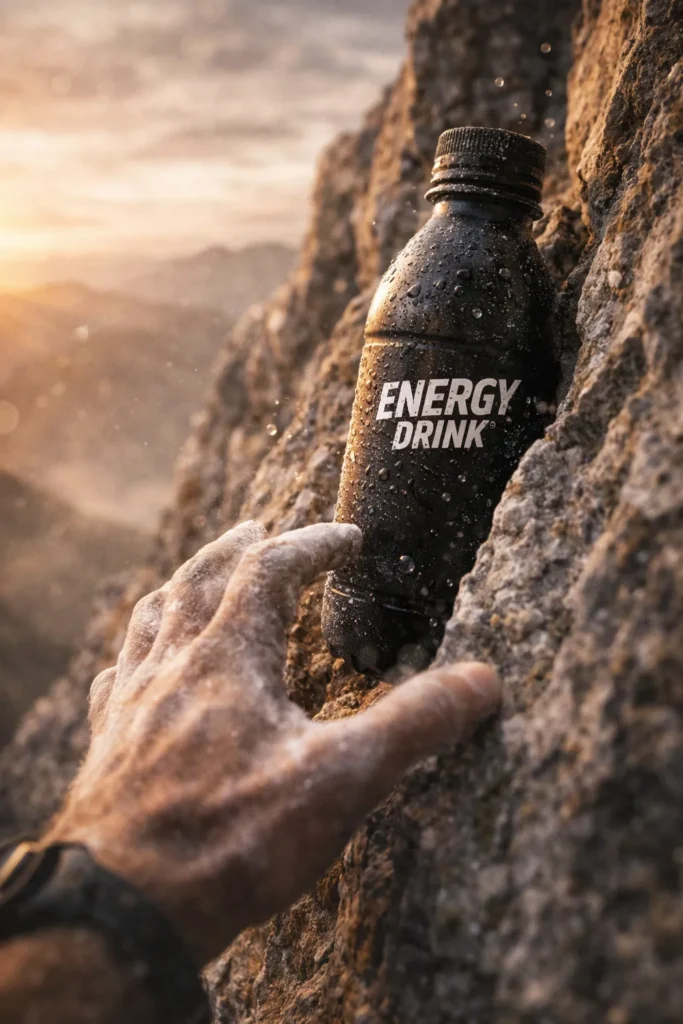
The most effective energy drinks frequently have guarana, a natural stimulant from Amazonian plants. Caffeine, sharing the other xanthine alkaloids found in guarana helps to uphold the energy level up. Guarana also releases its energizing components gradually, so the “rush” is more subtle than with synthetic caffeine. This slow release has made guarana an energy drink of choice for those who need prolonged periods of focus and stamina.
Ginseng is included in many elite energy drink recipes for its ability to adapt. This herb supports your body as it works to manage stress and sustain energy levels in the face of demanding physical exertion. Fanatics of energy beverages with ginseng say they feel more mental focus and have less exhaustion. Stacking ginseng with other performance stimulants produces a synergistic effect that enhances outcomes.
Understanding Sugar and Carbohydrate Content
When you exercise, sugar and carbohydrates provide energy to your muscles. The top energy drinks offer up these fast energy sources to get you through tough workouts or long days at work. Carbs are quickly absorbed into your muscles to restore glycogen, which is used by working muscles.
But several people look out for coco poels, sugar-free. Nowadays, contemporary energy drink producers have varieties with no sugar at all which are sweetened by artificial sweeteners such as sucralose or stevia. These formulas provide the performance benefits without all of the extra calories, which is perfect for fitness enthusiasts who closely monitor their diets.
Amino Acids and Benefits to Performance
Some amino acids are found in the best energy drinks on the market. L-citrulline, for instance, increases blood flow by increasing the production of nitric oxide. Improved circulation delivers more oxygen to your muscles during workouts, increases stamina and reduces fatigue. Another amino acid, beta-alanine, buffers lactic acid accumulation of muscles which can allow you to exercise longer before the burning sets in.
| Ingredient | Primary Benefit | Typical Amount |
|---|---|---|
| Caffeine | Alertness and focus | 80-300 mg |
| Taurine | Muscle function | 1000-2000 mg |
| B Vitamins | Energy metabolism | Varies by type |
| Guarana | Sustained energy | 100-200 mg |
| Ginseng | Stress management | 50-400 mg |
Electrolytes for Hydration and Performance
The best energy drinks contain electrolytes such as sodium, potassium and magnesium. These minerals help control fluid balance in your body and assist with muscle contractions. Sweaty Exercise hard enough and you lose electrolytes in your sweat. Replacing them with energy drinks allows to stay hydrated and prevents from muscle cramps during and after your workout.
Potassium, in particular, is useful because it partners with sodium to help keep nerve and muscle functioning as it should. A good number of athletes tend to like energy drinks that do have balanced electrolyte breakdown over those that don’t, and make this choice as they help you better when it comes to performance (endurance) and recovery.
Natural Versus Synthetic Ingredients
Fitness fanatics are still arguing about natural vs. synthetic ingredients. Others prefer energy drinks that are naturally derived, such as those made with green tea extract for caffeine, and stevia for sweetening. For others, synthetic blends are simply more potent and they can’t really measure their doses as effectively.
Both approaches can deliver results. The best energy drinks for you depends on your taste, dietary needs and performance goals. Sifting through ingredient lists makes it easier for you to know what you eat, and if it tracks with your fitness goals.
Timing Your Energy Drink Consumption
Timing is also very crucial to get the advantages of performance. Drinking the best energy drinks 30-60 minutes prior to hitting your workout maximums ingredient like caffeine) effectiveness, so it’s at full strength during exercise. This timing means that you get to benefit from increased focus, endurance and strength just when you need it most.
With prolonged activities, lasting more than a few hours, consuming energy drinks spaced over time avoids an excessive ingredient load but preserves the time of sustained effects. Knowing your body’s response to each ingredient enables you to devise a unique regimen.
The best energy drink, however, does more than simply give you an energy boost. Caffeine to help hone focus, amino acids to maintain endurance and body function, B-vitamins as fatique busters for energy production, and electrolytes for rock solid hydration. By knowing these things, you’ll be able to choose energy drinks that actually help in your fitness and performance endeavors. For more information on the safety of energy drinks
Natural vs. Artificial Energy Drinks: What’s Right for Your Lifestyle
When you are seeking the best energy drinks, you’ll find that there are broadly two groups of products: those situated in and belonging to natural born energy drinks and on the side, synthetically made alternatives. Part of the process of figuring out which you prefer is knowing the differences, so that you can select what will fit your daily life and health goals. Let’s take a look at what sets them apart and how to decide which one may be best for your lifestyle.
Understanding Natural Energy Drinks
Natural energy drinks are crafted from real foods and plant-based ingredients. These drinks are usually powered by caffeine from coffee beans, tea leaves or guarana berries. They’re also loaded with vitamins, minerals and antioxidants your body already recognizes and knows how to use.
The draw of natural energy drinks is transparency in what they are made of. You read the label and you see green tea extract, ginseng, B vitamins and fruit juices. A lot of people are going to feel more secure drinking something made from things they have heard of rather than mystery chemicals with complicated names. Non synthetic options are usually a lot smoother and longer lasting of an energy lift.
Well-known natrual energy drinks are with coconut water, acai, fruit or adaptogenic herbs.. These beverages tend to position themselves as the healthier option, since they’re formulated without artificial sweeteners, synthetic caffeine, and chemical additives. If you value what you put in your body, and prefer whole food ingredients, then natural energy drinks align with your values and wellness objectives.
Exploring Synthetic Energy Drinks
Energy drinks that are artificially made, use laboratory based ingredients and packed in formula concentrates for providing an instant boost to energy. These drinks are loaded with synthetic caffeine, fake sugars (e.g. aspartame or sucralose) and artificial B-complex vitamins. The formulas are carefully engineered for maximum effect, providing energy boosts that take effect within minutes.
These drinks caught on because they work quickly and provide a serious jolt of energy. Athletes tend to be attracted towards synthetic supplements which they believe offer instant results – fast bodybuilding. The flavor profiles: broader and bolder, with tropical flavors to tart combinations that traditional drinks can’t touch. Synthetic energy drinks are also generally cheaper and available at convenience stores everywhere.
But there are caveats to synthetic offers. Those who are keeping an eye on their chemical intake might not want artificial sweeteners and additives. The initial burst of energy can be intense and tends to be followed by crashes. A synthetic version can make some people feel jittery, interferes with sleep or brings about a rapid heartbeat, especially on an empty stomach.
Key Differences in Energy Delivery
Your body metabolizes natural vs. synthetic energy drinks differently, which can have varying effects. Natural caffeine gives you slow-release energy through your blood stream which lasts for hours. Artificial caffeine arrives sooner, but then it can abruptly fade away — hello, afternoon slump.
Sugary drinks are also included here, but all natural non-water liquids come with other nutrients that become a mechanical aid for caffeine. Ginseng is a natural fatigue-fighter and B vitamins help to ease the daily effects of stress. Antioxidants from green tea or berries offer your health an additional kick to wake up, but they aren’t any substitute for sound sleep. Your system needs these nutrients in together, to make it work better.
Phony drinks favoring speed over staying power. The amount of caffeine and other stimulants can pose sudden awakening. It’s greta if you have to have energylike right now but there’sno lasting suport as you get with all natural products, The crash that follows can make you feel even more tired than before you drank the stuff.
| Factor | Natural Energy Drinks | Synthetic Energy Drinks |
|---|---|---|
| Caffeine Source | Coffee beans, tea leaves, guarana | Laboratory‑synthesized caffeine |
| Sweeteners | Sugar, honey, stevia | Aspartame, sucralose, saccharin |
| Added Nutrients | B vitamins, antioxidants, minerals | Isolated vitamins, amino acids |
| Energy Duration | 4‑6 hours sustained | 2‑4 hours intense then crash |
| Ingredient Count | Typically fewer, recognizable items | Many specialized compounds |
The best energy drink for you could be influenced by your needs and beliefs. 5 of The Best Natural Energy Drinks for a Workday When you need sustained energy all day and want to know what’s in everything you ingest, natural energy drinks fit your life. Athletes and active people especially appreciate natural options, which promote a state of well-being without artificial enhancements.
Opt for synthetic if you need a quick, powerful hit of energy out of necessity. Students studying overnight, shift workers requiring instant alertness or busy people with no time to spare sometimes find lab-created drinks easier. Fast acting, its just the jolt you need to keep going when everyone else has tapped out.
Consider your health sensitivities too. If you have sensitivities to artificial sweeteners, colors, or stimulants then none of those will be triggered in natural energy drinks. And for those suffering from anxiety disorders or poor-quality sleep, the natural route might prove less disruptive on account of not delivering the same jittery effects or insomnia.
Making Sensible Decisions Concerning Best Energy Drinks
No matter which type you decide to go with, be sure to read the labels. Check the amounts of caffeine and sugar, as well as ingredient lists. The best energy drink for your lifestyle is one that aligns with not only your need for an energy boost but your personal health philosophy.
Begin with small doses to see how your body reacts. Some folks love the all-day energy of natural drinks; others are into the quick jolt of chemicals. Finding your perfect fit will be a matter of trying out different products, paying attention to how you feel physically and mentally.
For an in-depth look at energy-drink ingredients and health effects, check out.
Review: The Best Energy Drinks Brands in 2021 (Top Brands Compared)
What You Understand About Today’s Energy Drinks
Energy drinks are now one of the most popular pick-me-ups in the country. Be you cramming for an exam, working out at the gym or slogging through a day on the job site, these drinks all vow to infuse you with energy. But all energy drinks are not made the same. There are many differences in cost, taste, flavors and nutritional value. S389.jpg_There are many different brands of energy drink and to find the best one for you, it’s important to know what each has to offer and how they differ from one another.
The market for energy drinks has boomed within the last decade. There are dozens of brands lining store shelves, and each claims to be the best for whatever that need may be. Some are all about natural ingredients, while others prioritise performance and stamina. Some brands cost only a few dollars per can, while premium offerings could run twice as high. This variety is nice because you have a wide range of options, but it also makes comparison shopping difficult.
How Energy Drinks WorkWhat’s Inside
A good thing to do before we go head to head with brands, first understand what makes energy drinks work. The majority are based on caffeine. Caffeine is a stimulant that can make you feel more alert and help you stay awake. In addition to caffeine, energy drinks often contain taurine, B vitamins and different types of sugar or artificial sweeteners. Some also include ingredients such as guarana, ginseng or L-carnitine that manufacturers claim can enhance energy and performance.
Influences of caffeine content can be highly variable between brands. Some drinks have about 80 milligrams per serving, roughly equivalent to an average cup of coffee. Others contain more than 300 milligrams, which is majority of that. This decision can be made on the basis of your caffeine tolerance and how much energy you legitimately require. The label is key and understand exactly what you’re drinking before making your purchase.
Energy Drink Brands You Probably Haven’t Heard Of
A couple of brands have really taken on a household nature for the Energy Drink category. Red Bull is still one of the most popular drinks globally, and it seems like there’s a lot more awareness that you should limit your consumption if you’re considering having kids. It has a unique flavor that people either really like or find to be cloyingly sweet. The price point is usually mid-market, and it has 80 milligrams of caffeine in each 8.4-ounce can.
Another monster of a brand is Monster, and it has an enormous range, just inexperienced selection. You’ll find everything from the original green recipe to tropical, berry and even coffee-infused alternatives. Monster drinks typically offer 160 milligrams of caffeine in a 16-ounce can, so they are near twice as strong as Red Bull. Although pricewise it’s similar to Red Bull, larger cans are more expensive per ounce.
Gatorade now has an energy line of drinks – Gatorade Energy. The drinks are designed to hydrate as well as energize and are popular among athletes. They’re not that much cheaper than traditional energy drink power houses and tout around 85 milligrams of caffeine.
Bang Energy has become all the rage in fitness circles. These drinks tout themselves as performance beverages, and are sold in brightly colored cans. Bang usually has 300 milligrams of caffeine per 16-ounce container, which is among the most potent available. It’s typically pricier than mainstream brands.
| Brand | Caffeine (per serving) | Price Range | Popular Flavors |
|---|---|---|---|
| Red Bull | 80 mg (8.4 oz) | $$ | Original, Sugar‑Free, Tropical, Blueberry |
| Monster | 160 mg (16 oz) | $$ | Regular, Mango, Ultra White, Zero Sugar |
| Gatorade Energy | 85 mg (16 oz) | $ | Fruit Punch, Grape, Lime Cucumber |
| Bang Energy | 300 mg (16 oz) | $$$ | Blue Razz, Peach Mango, Sour Apple |
| 5‑Hour Energy | 200 mg (2 oz) | $ | Berry, Citrus, Tropical |
As you prepare to sample the best energy drinks for yourself, flavor is important. Red Bull tastes very sweet and less acidic with a citrus taste. Some people love it and find it refreshing, while others feel the sweetness is excessive. The flavor is unremarkable and pretty consistent throughout their line, differences only being in the lack of sugar for certain varieties.
Monster has the most varied flavor portfolio of any major brand. From Fruit flavors like Mango to tropical combined options, Monster probably has something for everyone. Their flavors are usually strong and rich, a hit with younger drinkers.
Gatorade Energy Drink flavors are less sweet with a more citrus bite & energy boost. They’re not as sweet as Red Bull or Monster, which some people seem to like. The flavor is very recognizable for people who have had Gatorade sports drinks.
Bang Energy flavors are pretty innovative and many of them taste like a candy or dessert. Peach Mango is tropical, Blue Razz is like blue raspberry candy. These drinks are drawing from a broader audience than the one that only wants to drink something as long it doesn’t seem like a functional beverage.
Nutritional Content Breakdown
Nutrition can vary widely between brands and that should be a consideration. When you pick the original variants, most energy drinks are high in sugar. The standard 16-ounce can could contain 54 grams of sugar, far more than is considered safe for sugary sodas and juice drinks.
Sugar-
How to Know Which Energy Drink Is Best for You Depending on Your Workout Goals and Daily Schedule
When you want the best energy drinks for your workouts and daily life, knowing what they can help with is key. All energy drinks are not made the same, and what is perfect for someone else may be far from ideal for you. When choosing, consider your fitness goals, daily lifestyle and individual health needs.
Choosing the perfect energy drink begins with understanding what you want to accomplish. Are you training for the big game or perhaps seeking to pack on some muscle — or maybe simply desperate to stay awake at work? Different nutritional needs are required for each one. An endurance athlete will require a different kind of fuel than someone sprinting through high-intensity routines. Your daily routine also factors in — someone who trains first thing might need different support to fuel energy than someone exercising at night.
Understanding Your Fitness Goals and Energy Requirements
Depending on your fitness goals, some energy drinks will serve you better than others. When you are concentrating on your cardio training, you require beverages that promise long-lasting energy release. The top energy drinks for cardio have carbohydrates that help to refuel your muscles over a long duration. They usually contain relatively low amounts of caffeine (to help maintain endurance without causing jitters) and high amounts of carbohydrate.
Energy drinks that include amino acids and protein are what you want if your goal is to build muscle, strength and size. These are key for muscle recovery and growth after hard sessions. A lot of the best energy drinks for weightlifting also contain branched-chain amino acids (BCAAs), which can minimize muscle breakdown from the labor of your workout.
If you are looking to shed pounds or improve body composition, you will want energy drinks with not a lot of calories and sugar. Energy drinks that cater to this crowd utilize sugar substitutes and emphasize metabolism-enhancing constituents such as green tea extract and caffeine.
Thoughts on Your Day and Planning
When you plan your day, when to pick an energy drink really matters. Drink energy givers are an intermediate solution for the morning exercisers. The best energy drinks for morning workouts balance quickly absorbing carbs with moderate doses of caffeine that won’t disrupt your sleep.
Those who work out after work require a different set of considerations. You want energy drinks that won’t keep you up at night. These should provide less caffeine than the morning choices, around 50-100mg per serving rather than 200mg or more.
Your work schedule also matters. If your job involves sitting at a desk all day, you may have steady energy needs and don’t want to constantly spike your blood sugar. The best energy drink for office workers are those that offer clean energy without the crash, prompting fatigue later in the day.
Key Ingredients to Look For
Scour the ingredient lists to figure out which energy drinks match your goals. The ingredients differ, although caffeine is the main active one, and varies a lot between products. The most powerful energy drinks usually have 80-300mg of caffeine per serving, and is entirely dependable on your personal requirements and tolerance.
B vitamins show up in good energy drinks due to the fact they help to turn food into fuel. Search for B3, B5, B6 and B12 on the ingredient label. These vitamins naturally help energy metabolism.
Electrolytes are more important than many people realize. If you’re performing hardcore workouts, the best energy drinks are those that contain sodium and potassium. These minerals are important for hydration and muscle function during prolonged exercise.
Another beneficial constituent are amino acids. Taurine is found in many energy drinks and promotes heart health and athletic performance. Carnitine, which helps your body use fat as fuel, is useful during endurance sports.
Differences in Sugar Content and Sweetening Method
Energy drinks have a lot of sugar in them and this greatly affects your performance and health. The usual sugary options pack a short-term jolt of energy, but also lead to crashes. The best energy drinks for lasting performance frequently contain alternative sweeteners.
By selecting sugar-free or low-sugar energy drinks, you aren’t left dealing with blood sugar spikes and crashes. Many new options contain stevia or erythritol in place of sugar. Taste these sweeteners but there’s no impact on your blood sugar.
Some people prefer the jolt of regular sugar, especially during endurance events. The glucose is instant muscle fuel. However, keeping the consumption of sugar in check is important for maintaining good health.
How to Pair Drinks for Your Training Schedule
Think about how frequently you train when choosing energy drinks. What works for daily exercisers won’t have the same requirements as those who train just three times a week. You work out every single day If you put in a workout every single day, consider choosing more mellow energy drinks to prevent caffeine overload.
High-intensity interval training (HIIT) athletes require energy drinks on hand containing fast absorbing carbs and moderate caffeine. When it arrives at racing and long distance runs, a drink that provides sustained energy release, with support for hydration is very effective.
Post-workout recovery is every bit as important as energy before you exercise. Now, some of the best energy drinks feature recovery ingredients such as carbohydrates and protein that can help repair muscles post exercise.”
Health Considerations and Personal Factors
Your overall health condition matters too in which energy drinks are best for you. Those with heart conditions should talk to doctors before using high-caffeine products. Opt for drinks with lower levels if you are sensitive to caffeine – between 50 and 100mg per serving.
Pregnancy and breastfeeding Pregnancy and nursing are a time to abstain from or severely restrict energy drinks consumption. Health guidelines also advise that athletes under 18 should consume no more than 100mg of caffeine a day.
Check for drug interactions.Always be sure to talk with your doctor or pharmacist before trying any of these products, particularly if you are on prescription medication, assets it could interfere with. Of course, some of these supplements and prescription drugs does not play nice with some of the ingredients found in these beverages.
Budget-Friendly Options
The top energy drinks are not always the most expensive. The off-brand stuff or store brand carries a lot the same thing that premium does. Reading labels enables you to discover better, less expensive drinks.
If you find drinks that suit you, consider buying in bulk. Buying in bulk almost always lowers the cost per serving by a good amount.
Being a frugal green person you can opt to make homemade high energy drinks. You will have complete control of what is going in your drink and you can regulate the level of caffeine, sugar, and ingredient to suit your special health consideration.
Testing and Adjustment Process
Begin by experimenting with small quantities of any new energy drink before a workout. This test time allows you to see what your body thinks of the particular formula and ingredient blend.
Notice, and change, how you feel during exercise. Do you get an even shot of energy, or do you run out halfway through? Does your stomach feel upset? Are you jittery or calm? These observations will help inform your final choice.
For every drink, have at least three goes before deciding that it’s not for you.
Conclusion
When it comes to choosing the best energy drink for you, it’s all about knowing what your body needs and what works well with your lifestyle. So our guide was designed to help you sort through the dozens of options PS112 and choose a product that not only provides sustained energy, but also preps your body for a powerful performance, and we did just that.Throughout this article we’ve tried out some of the best performing brands on the market PA667, looked into what ingredients are actually fueling your workout PV4115 and compared how naturally-derived formulas rolled up against synthetics.
The important thing is there’s no one-size-fits-all answer. And what’s best for someone training for a marathon might not be right for the person struggling with afternoon fatigue at work. That’s why we navigated popular brands, their varieties and pricing, taste profiles and nutrition content — to help you make an educated decision rooted in actual stats rather than marketing blow.
Now that you’re ready to choose your perfect energy drink, remember to select it based on your individual goals. Do you want to experience clarity of mind in no time? A sustained boost during exercise? Or consistent energy all day long? Your response will determine which product earns a place in your routine.
Also look at the ingredients. Knowing what caffeine, taurine, B-vitamins and other ingredients do, helps you stay away from products that don’t line up with your health priorities. Some do well on a natural one, but some folks like the reliable stability provided by a synthetic formula.
Begin by sampling a few different best energy drinks and see how your body reacts. Just pay close attention to your energy each day, how long you have the surge for and whether you crash. Keep track of what works and what doesn’t. In time, you will find your perfect one.
Ultimately, the best energy drink is the one you will actually use and it’s a product that helps your goals, not at the expense of your health. Be open to experimenting, keep tabs on what you’re putting in your body, and listen to your system. We already have your best energy answer right here.