


Cooking basmati rice is easy, but getting it right can take your cooking skills to the next level. A staple of many cuisines, particularly Indian and Middle Eastern, basmati rice has a distinctive fragrant aroma and fluffy texture. To achieve perfect consistency and flavors, there are some simple steps you must follow. So, lets get into how to cook basmati rice.
Choosing the Right Basmati Rice
There is no such thing as a one size fits all basmati rice. So, when selecting basmati rice, look for these signs:
- Long Grain: True basmati rice has long, skinny grains.
- Aromatic: Quality basmati is characterized by a rich, nutty aroma.
- Non-Sticky: Cooked rice needs to stay separate, not stick together.
- Good options include brands such as Zaroori Basmati and Tilda. No matter what you prefer, pick the one that pleases your palate.
Prepping the Rice
Rinse: The first step in cooking basmati rice is to rinse it well. This is key to getting that ideal texture. Here’s how to prep your rice:
- Measure: One cup basmati rice (enough to serve roughly two)
- Rinse: Put the rice in a fine-mesh strainer and rinse it with cold water. With your fingers, rub the grains together to eliminate surplus starch.
- Soak: Soaking the rice for a minimum of 30 minutes in water. This helps the grains cook evenly and absorb water.
Cooking Basmati Rice
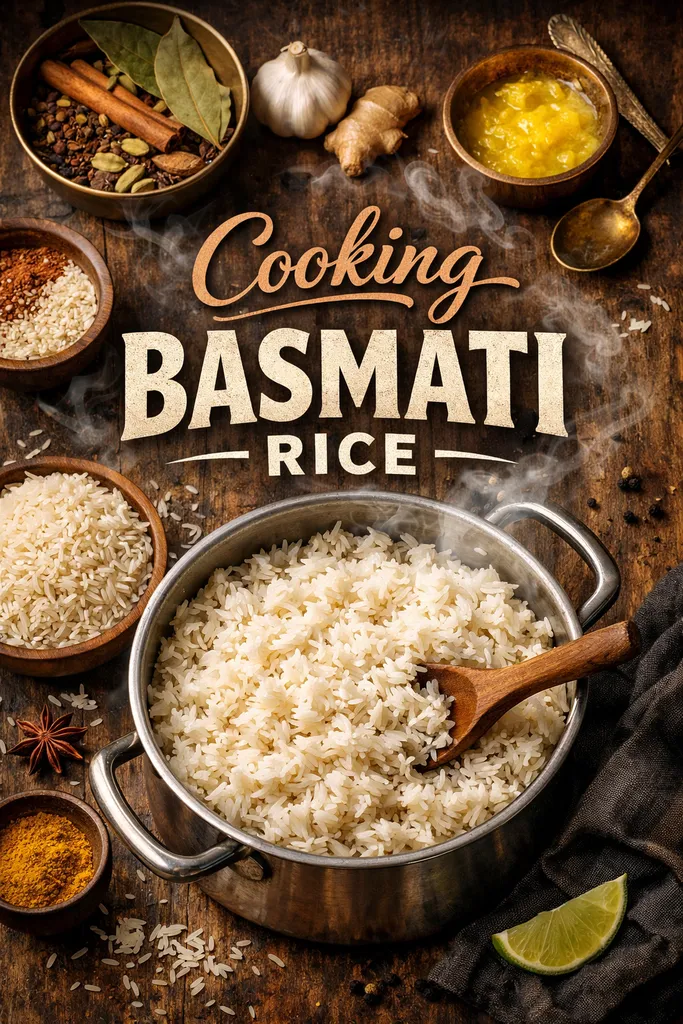
After the rice is prepped comes the cooking. Here’s how you get that perfect basmati rice:
- Water Ratio: 1.5:1 (water-to-rice ratio) For one cup of rice, you will require 1.5 cups of water.
- Boil: In a pot, bring water to a rapid boil. Season with a sprinkle of salt for taste.
- Add Rice: Carefully add the soaked and drained rice to the boiling water.
- Simmer: Turn the heat down to low and cover the pot with a tight-fitting lid. Let it simmer for 15-20 minutes.
- Rest: After the time is up, turn off the heat and keep rice covered to rest for 10 minutes more. This is super important for fluffy rice.
- Fluff: Gently fluff rice with a fork before serving.
Common Mistakes to Avoid
Even experienced cooks can mess up making basmati rice. Here are several potential pitfalls to avoid:
- If you skip rinsing and soak your rice, it may become gummy.
- Adding excessive water will make the rice soggy.
- It prevents the rice from clumping, and it helps ensure that you wait long enough after cooking.
Flavoring Options
Basmati rice may be served unadorned or fragrant. Here are several tips to boost its flavor:
- For saffron: Soak a few strands in warm water, add it to the rice as it cooks for an intense flavor and color.
- Spices: Infuse flavor by adding whole spices — like cardamom, cloves or cumin seeds — to the cooking water.
- Vegetables: Add a handful of peas, diced carrots or bell peppers for color and nutrition.
Pairing Basmati Rice with Dishes
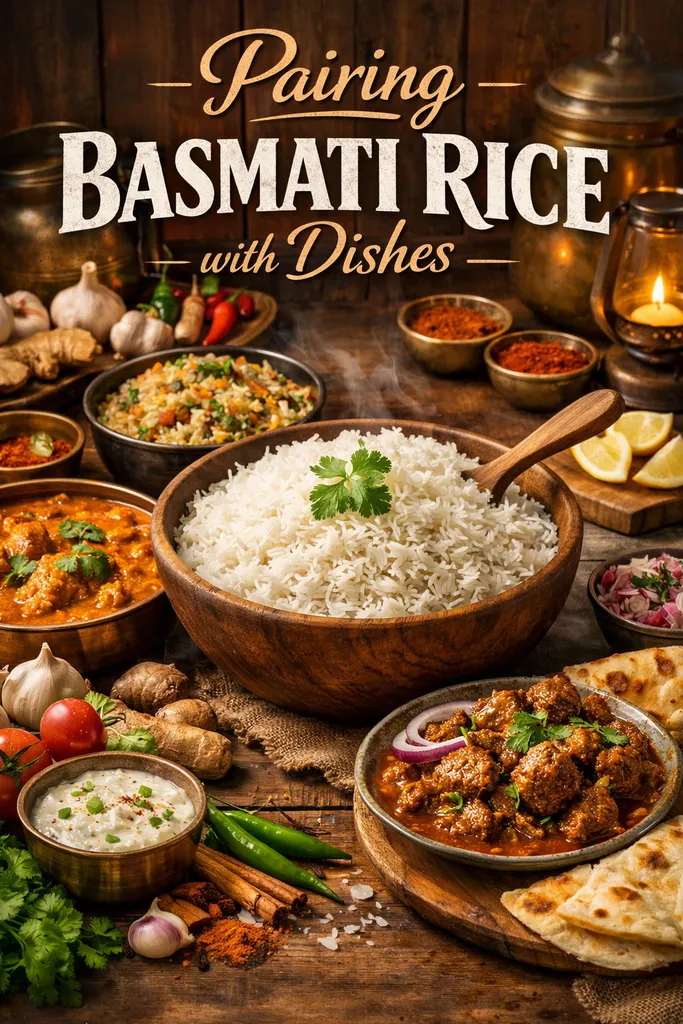
Basmati rice goes a long way, pairing beautifully with a range of dishes. Consider serving it with:
- Curry: There is nothing that goes better with basmati rice than chicken, lamb or vegetable curries.
- Grilled meats — Skewered grilled chicken or lamb shine for a filling dish.
- Salads: Combine the cold basmati rice with vegetables and dressing for a salad.
Learn to cook basmati rice, and your meals could change fundamentally. With a bit of practice, you’ll learn to prepare this fluffy, aromatic side dish in no time. More from BBC Good Food, including recipes and tips.
Three Ways to Cook Perfect Basmati Rice
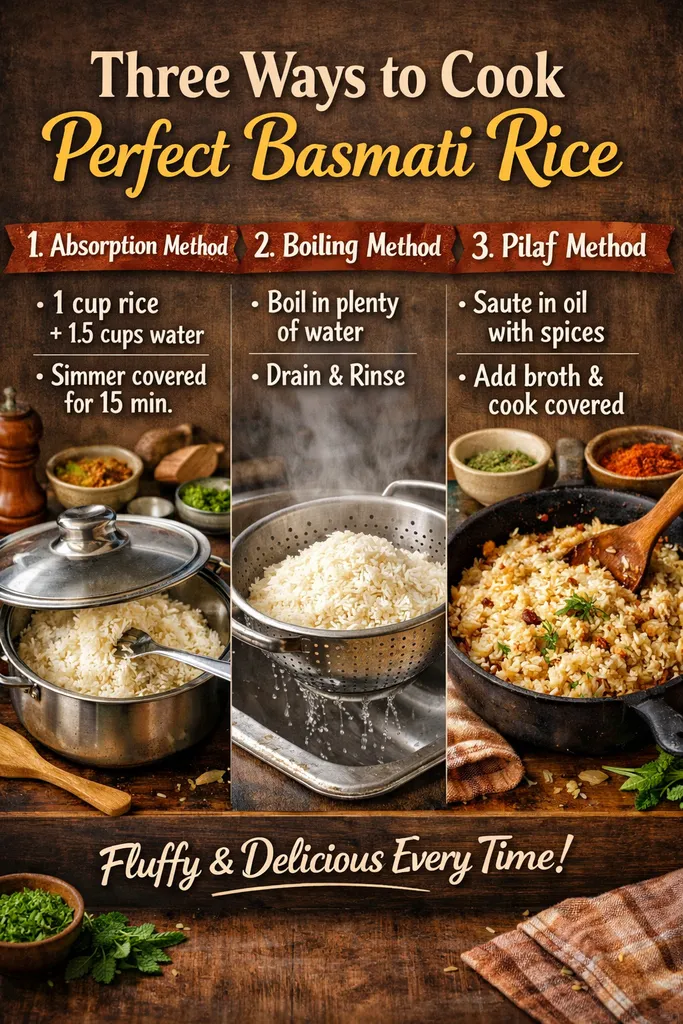
When you say Basmati, it means Old Age and the Basmati rice is fragrant and has long grains which also desirable for anyone. Basmati rice is a sophisticated dish, but if you stick to the methods mentioned above, you can cook it perfectly too. Here are different ways of cooking basmati rice to ensure each grain is separate and flavorful.
Soaking Method
Basmati rice is soaked before cooking to improve its texture. This technique lets the grains soak in water getting them to cook faster and stay apart.
Steps to follow:
- You’ll want to measure out the basmati rice you’d like to make.
- Wash the rice in cold water until the water is clear. This helps remove the excess starch.
- Cover the rice in enough water for a minimum of 30 minutes.
- Drained the rice and kept aside.
- Add water in a 1–1.5 ratio (rice to water) into the pot. Bring it to a boil.
- Mix in the drained rice and bring to a boil for 2-3 minutes.
- Lower the heat to low, cover the pot and simmer for 15-20 minutes.
- After cooking, take off the heat and allow it to sit for 5 minutes before using a fork to fluff.
Absorption Method
This traditional technique cooks the rice such that all the water is absorbed, yielding light, fluffy grains.
For best results, follow these steps:
- Wash out the basmati rice until the water has become clear.
- Add water in a 1:2 ratio (rice to water) Eg. 1 cup of rice needs 2 cup of water.
- In a pot, add the rinsed rice and water with a pinch of salt for taste.
- Add mixture and bring to a simmer over medium heat.
- When boiling, lower the heat to low and cover tightly.
- Do not lift the lid and let it simmer for 15-20 minutes.
- Cover; reduce heat to low and let stand 5 minutes. Fluff with a fork.
Steaming Method
Steaming basmati rice is even less harsh as it lets the natural sense and taste of the grain survive.
- Here’s how to steam basmati rice.
- Soak the rice at least 30 minutes, then rinse and drain.
- Prepare the steamer or a pot with the steaming rack.
- Add water to the pot, enough that it does not touch the rice.
- Put the soaked and drained rice in the steaming basket.
- Cover and steam for 20-25 minutes.
- Fluff after steaming and allow to rest a few minutes before serving.
Pressure Cooker Method
Pressure cooking saves a lot of time in the kitchen and yield fluffy rice with all grains cooked perfectly.
- Wash and soak the basmati rice for 20–30 minutes.
- Transfer soaked rice to pressure cooker, add water in 1:1.25 ratio.
- Season with salt to taste and stir in a teaspoon of oil or butter if you like.
- Close the lid and let it cook for 3-4 minutes on medium pressure.
- Let the pressure release naturally, then open the cooker.
- Fluff the rice with a fork.
Cooking Basmati Rice Tips
Whichever method you settle on, here are a few tips to make your basmati rice cooking adventures even better:
- Rinse the rice very well to remove extra starch.
- Manage the water depending on how you like your rice — less water means firmer grains in each bite, more water softer.
- Add spices, such as cardamom, cloves or bay leaves, during cooking to add flavor.
- Resting the rice after cooking allows it to steam itself fluffy.
- More ways to cook basmati rice just right can be found at Food Network or BBC Good Food. The other resources will share more tips and recipes based on your needs.
- Now with these techniques cooking fine basmati rice should in no time be a walk in the park to relish the unique flavour and taste of the variety at every meal.
How Not To Cook Basmati Rice: Common Mistakes To Avoid



When cooked correctly it can be a bliss with an ethereal aroma, however most people get the rice texture or flavor wrong due to common mistakes. It’s vital to avoid these pitfalls in order to achieve the perfect basmati. These are some errors you should avoid to enjoy a fragrant and fluffy plate of rice.
Not Rinsing the Rice
Not rinse the basmati rice before cooking is one of the most common mistakes that make. Rinsing, she explains, relieves excess starch that can make the rice gummy and sticky. To rinse, put the rice in a fine-mesh strainer and run cold water over it until the water runs clear. This will vastly enhance the texture of your rice.
Using Too Much Water
A common mistake is to use too much water. The average water-to-rice ratio is 1.5 to 1 for basmati, so if you use 1 cup of rice, then you should add 1.5 cups of water. Using too much water can result in mushy rice. Too little, and you’ll end up with undercooked rice. Be sure to measure accurately for the best results.
Not Allowing for Soaking Time
Soaking basmati rice may be an afterthought but is integral to the proper texture. For further softness, soak the rice in water for 20 to 30 minutes prior to cooking. Soaking helps the grains swell as they absorb moisture, but it also helps them cook more evenly. Make sure you properly drain the rice after it has soaked so that excess water does not interfere with your cooking.
Cooking at High Heat
High heat for basmati rice may lead to cooking the rice unevenly. If you want to bring the water to a boil first, then reduce the heat, this is best after adding the rice. Cover it tightly with a lid, and allow the magic to happen. This approach cooks the rice gently, creating fluffy grains that don’t stick to each other.
Skipping the Steaming Step
Common Mistake # 3 Serving the Rice Straight out of the Pot Letting it steam off the heat for about 5 to 10 minutes really helps. That will allow any residual moisture to be evaporated, and it will help the grains firm up so they don’t get mushy.
Overcrowding the Pot
Another common pitfall that can cause unevenly cooked rice is cooking too much in one go. If you are making a large batch, use several pots or work in smaller potfuls. This allows the steam to flow around the rice and give it a better texture.
Not Fluffing the Rice Properly
When your basmati rice has been cooked and steamed, it needs to be fluffed — carefully. A fork works better than a spoon to separate the grains without breaking them. This step is key to making your rice fluffy and not heavy, thick, concrete-y piles.
Ignoring Flavoring Options
Basmati rice does well with additional flavoring. Most people don’t build it up with spices or aromatics. For additional aroma and flavor, try tossing in a bay leaf, cardamom pods or cinnamon stick to the cooking water. You can also sauté a few onions in ghee before adding the rice to give it an amazing base flavor.
Not Using the Right Basmati Type
There is no one-size-fits-all for basmati rice. Some types are aged while others aren’t, which changes the flavor and texture. Aged basmati generally has a more nutty flavor and improved grain separation. Always, always use the best quality basmati rice for the best results. You can check some of those in Basmati. See mytypes and qualityand read more on mcom.
When you stop making these mistakes, well then you can cook basmati rice perfectly. As you strive for your fluffy rice to accompany the meal perfectly, be sure that patience and attention are involved. For more rice cooking tips and to get your culinary skills enhanced, visit websites like Food Network or Serious Eats.
How to Give Extra Flavor to Basmati Rice?
One such variety is basmati rice which is known for it fragrant aroma and fluffy texture which makes it a regular choice in numerous cuisines. But cooking basmati rice with water is only the start. Garnishing with different ingredients can take a basic side to new heights. Here are some methods to improve basmati rice, making it sparkle even more on your dinner table.
Herbs and Spices
- Herbs and spices is one of the simplest and most efficient ways to flavor a basmati rice. Here are some fantastic options:
- Cumin Seeds — Toasted cumin seeds for a deep, earthiness. For best results, add a teaspoon to the cooking water.
- Cardamom Pods: Crushed green cardamom pods provide a sweet fragrance. For a more subtle, fragrant addition, use 1-2 pods.
- Bay Leaves: One or two leaves added as you cook contribute a mild, aromatic flavor. Remove them before serving.
- Saffron: Add a pinch of saffron to warm water and soak for a few minutes, then stir it into plain rice for a dish that looks regal and tastes unique.
Broth Instead of Water
- Broth also adds nourishing ingredients, and substituting it for water improves the flavor of the rice. Here’s a comparison:
- Liquid TypeFlavor ImpactWaterPlain, basic flavor. Vegetable BrothLight, fresh and herbal notes. Chicken BrothRich, savory undertones. Beef BrothDeep, robust flavor.
- If you use broth, pick a low-sodium one so that you can control the saltiness of your dish. Food is so bland with only basmati rice, and that extra jeera or ajwain will be cake icing on the rice!
Add Vegetables
- Another excellent method to bolster flavour and nutrition is mixing vegetables directly into your rice in the cooking process. Consider these options:
- Peas: Knock in some frozen peas for a splash of color and sweetness.
- Bell Peppers: Add chopped bell peppers for crunch and flavor. Add any color—red, green or yellow—for an eye-catching look.
- Carrots: Diced carrots add a touch of sweetness. They add an appealing texture to the dish, too.
- Spinach: Add fresh or cooked spinach for extra vitamins and a touch of deep green.
- Not only do these vegetables add flavor, they add texture and they make your dish more appetizing.
Nuts and Dried Fruits
Nuts and dried fruits make for a fantastic flavor- and texture-based pairing. They add an earthy crunch and natural sweetness, enriching the whole thing. Here are some popular choices:
- Almonds: Crisp, toasted slivered almonds bring crunch.
- CASHEWS: Chopped cashew nuts add richness and a buttery flavor.
- Raisins: The sweetness of raisins provides an interesting counterpoint to all the savory flavors.
- Cranberries: The dried version adds a tartness that pairs well with many spices.
- These add-ins not only enhance texture but also provide a more nuanced flavor experience with each tantalizing bite.
Flavorful Oils and Butters
Oils or butters with a great deal of flavor are the last key to a spectacularly flavorful basmati rice experience. Consider some options:
- Ghee: This classic butter gives a rich and nutty flavor.
- ⅓ cup Extra Virgin Olive Oil — A splash of high-quality olive oil to add flavor and heart-healthy benefits.
- Coconut Oil: For a tropical twist, coconut oil has a sweet smell and works well for some recipes.
- Simply folding in a tablespoon or two while cooking takes your rice from fine to fabulous.
- For basmati rice recipes and tips in greater detail, go to BBC Good Food or interesting ideas on Food Network.
These ingredients can help you turn plain or steamed basmati rice into something better in taste, flavour, and delight. Feel free to try these ideas out– I hope you enjoy the yummy changes they make to your meals!
The Health Benefits of Basmati Rice in Your Diet
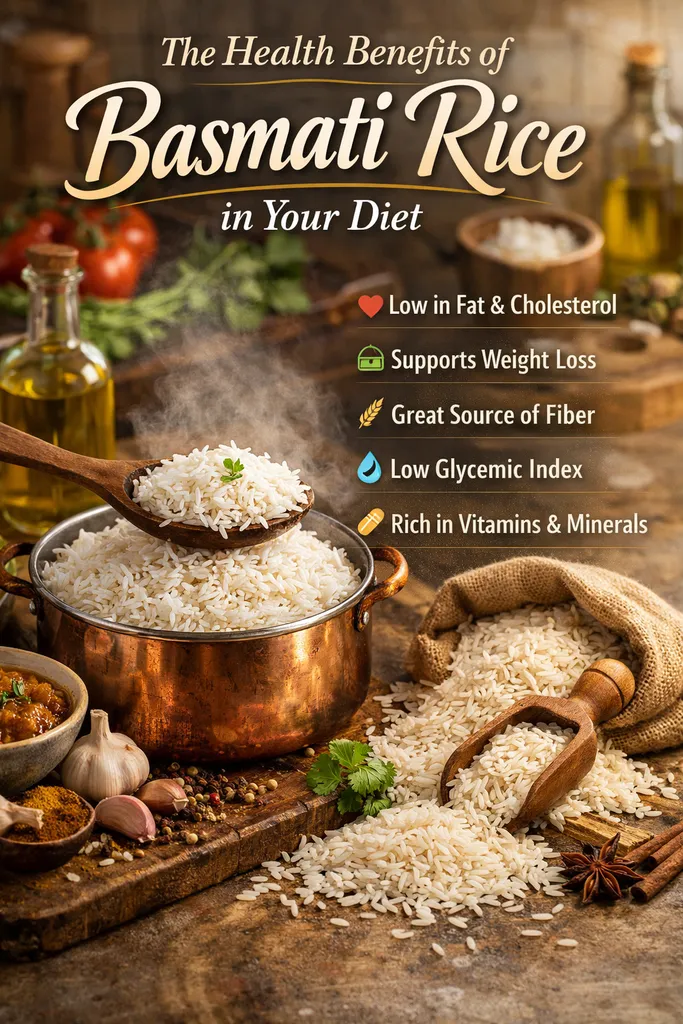
Basmati rice has become a much-loved staple food for people across the globe, and one taste of its aromatic flavor and fluffy texture suggests nothing but good things; however, basmati rice is not only delicious it also provides numerous nutritional benefits. Basmati rice can do wonders for your diet in several ways, from being a source of energy to possibly aiding you lose weight.
Energy Source
The main reason for the benefits of basmati rice is high carbohydrates. Carbohydrates are the main energy source of the body, and as Healthline states they are needed to get through daily life; A serving of cooked basmati provides around 45 grams of carbohydrates, perfect for athletes or those who need a quick source of energy.
Low Glycemic Index
Basmati rice has a low glycemic index (GI) value, most commonly between 50 – 58. This means that it results in a more moderate, slow increase of blood sugar than other rice types. Foods on the low GI can help with diabetes management and prevent blood sugar spikes. If you want a food that will give energy all day, basmati rice is the best option.
Rich in Fiber
Fiber is essential for digestive health, and basmati rice is a good source of fiber. White basmati has about 0.6 grams of fiber per cooked cup, while brown basmati rice can contain up to 3.5 grams. Fiber assists in preventing constipation, improving gut health and aiding weight loss by making you feel full for longer.
Protein Content
Protein into your meals is essential for muscle recovery and growth, and basmati rice contains a good amount. One serving usually has about 4 grams of protein. And although it may not be a complete protein solo, combining it with legumes, nuts, or meats makes sure you’re getting all your essential amino acids.
Vitamins and Minerals
Apart from being a source of energy, basmati rice also contains several vitamins and minerals such as:
Thiamine (Vitamin B1) — Aids energy metabolism and nervous system health.
Niacin (Vitamin B3): Helps digestion and promotes healthy skin.
Iron: For the transport of oxygen in the blood.
Magnesium: Supports more than 300 biochemical reactions in the body.
Gluten-Free Option
Basmati rice is safe if you are gluten intolerant or have celiac disease. It is naturally gluten-free, and allows for certain people with dietary restrictions to enjoy many dishes without adverse reaction. It is a flexible foundation for a lot of meals.
Weight Management
Basmati rice can help in managing the weight because of its fiber content and low GI. High-fiber foods promote satiety, making it less likely for you to overeat. Adding basmati rice to your meals can help you feel full while still giving you vital nutrients.
How to Add Basmati Rice to Your Diet
You need not restrict yourself to traditional dishes if you want to, enjoy basmati rice. Here are some suggestions on how to add it to your daily fare:
- Use as a base for stir-fries.
- Add it to salads for extra crunch and nutrition.
- Pair it with grilled vegetables and lean proteins.
- Serve a wholesome rice pudding for dessert.
Cooking Methods for Maximum Nutrition
When cooking basmati rice, to get the most nourishment out of it for your body include:
- Rinsing: Since basmati rice contains a considerable amount of starch, always rinse it before cooking so it can result in fluffy textured rice.
- Steaming: It helps to fix the nutrients of basmati rice as it is cooked by steaming and not boiling.
- Mix With Vegetables: Making basmati rice with vegetables can enhance the nutritional value of your dish.
Adding Basmati rice to your diet not only increases the taste but has various health benefits. With its diverse nutrient composition, it may contribute to a healthy diet. Visit NCBI for more details about the benefits of basmati rice in your diet.
Conclusion
How to Cook Basmati Rice Recipe | Easiest Method To Turn Your Meals Into Something Special Learning to cook this aromatic grain brings both culinary prowess and gastronomic delight. Whichever way you cook it—stovetop, rice cooker, even absorption methods—each can yield that fluffy-tailed goodness perfection.
Along the way, be sure to avoid common pitfalls that can lead to subpar results, like not rinsing the rice well or using an incorrect water-to-rice ratio. But a few simple precautions can make everything back to normal. Savory add-ins such as herbs, spices or a splash of citrus can also elevate a simple rice dish to stand out as a side alongside any meal.
We cannot ignore the nutritional benefits that basmati rice offers. It’s a great source of energy and is lower on the glycemic index than other varieties of rice, which for many makes it a healthier choice. By including basmati rice in your meals, you’re not only enjoying its unique taste but also taking advantage of the health benefits it offers.
Whether it was baking or seasoning your dishes in different ways, you can dish variety on the table and ensure that both you and your loved ones relish each bite. So, next time you reach for the rice cooker make sure you keep these handy tips in mind and treat your basmati rice as a star dish rather than isolated grains that everyone picks at! Happy cooking!