

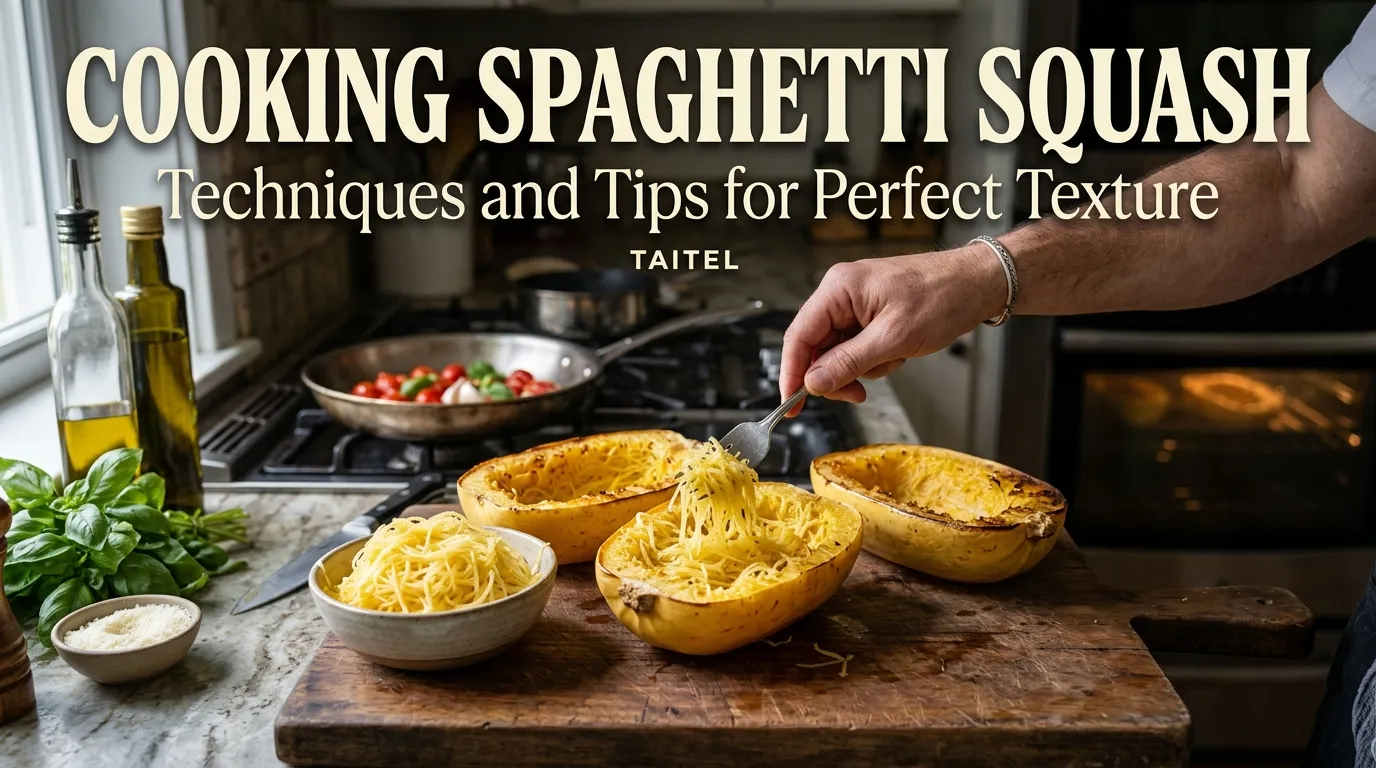

How to Cook Spaghetti Squash: The Basics Cooking spaghetti squash can unlock a whole new world of creative culinary opportunities and serve as a healthier alternative to traditional pasta. This winter squash, known for its filigree texture and subtle taste, isn’t just healthful, it can be endearing. Below are some strategies and suggestions to make sure you hit that ideal texture each time you cook a spaghetti squash.
Choosing the Right Spaghetti Squash
It’s important to choose the right spaghetti squash before cooking. Look for the following:
Weight: Opt for a heavy squash relative to its size; it means there’s moisture inside and that the vegetable is ripe.
Skin: Hard, yellow skin with little to no blemishes or soft spots.
Shape: Choose a uniformly shaped squash. That generally translates to an even-cooking texture.
Preparation Techniques
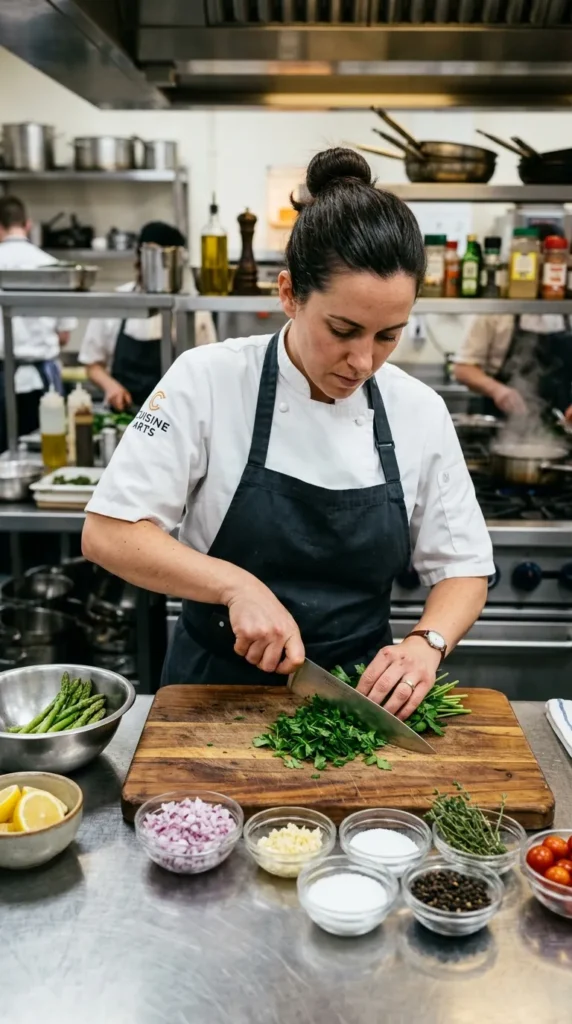
To get the best texture when cooking spaghetti squash, you have to prepare it properly. Here are some effective methods:
Roasting
Roasting is one of the most popular methods. This intensifies the squash’s inherent sweetness, and provides just the right texture. Follow these steps:
Instructions:Take your oven to 400°F (204°C).
- Halve the spaghetti squash lengthwise. Use the edge of a knife to prevent injury.
- Using a spoon, scrape out the seeds and loose pulp.
- Drizzle a little olive oil on the flesh, and sprinkle with salt and pepper.
- Put the halves, cut side down, on a baking sheet lined with parchment paper.
- Roast for 40 to 45 minutes, until the edges caramelize and the flesh is tender.
Microwave Cooking
If time is not on your side, pop it in the microwave instead. Here’s how to do it:
- Prick the squash several times with a fork so steam can escape.
- Don’t put the whole squash in the microwave and cook on high for 10-12 minutes, turning halfway through.
- Once cooled, cut open the squash and remove seeds, scraping with a fork to create strands of “spaghetti.”
Boiling
- Boiling is another technique that can work well, although it will change the texture a bit.
- Slice the spaghetti squash in quarters. Remove the seeds.
- Add to a big pot of salted boiling water.
- Cook for 10-15 minutes or until tender.
- Shred the flesh using a fork.
Achieving the Perfect Texture

No matter how you cook it, getting the right spaghetti squash texture depends on a few key factors:
Don’t Overcook: Watch cooking times. The squash can become mushy if overcooked.
Rest: After cooking, allow the squash to rest a few minutes before scraping. This lets the steam fully cook the insides.
Scrape It Right: Once it’s cooked, use a fork to gently scrape the flesh into strands — that’s what gives it that desirable spaghetti-like texture.
Serving Suggestions
So once you’ve mastered… cooking spaghetti squash perfectly, here are some ideas on how to serve it:
With marinara sauce: The classic and the easiest; top with your favorite marinara to make something like spaghetti.
In a stir-fry: Toss cooked squash into veggie stir-fries for an added nutritional punch.
With pesto: Combine with fresh pesto for a flavorful variation.
As a salad base: Use chilled spaghetti squash as a salad base, topped with vegetables and dressing.
- For more spaghetti squash-themed recipes and its nutritional benefits, do visit Love and Lemons.
- Armed with these techniques and tips, you’re ready to prepare spaghetti squash. Savor this delicious and healthy pasta substitute in endless ways!
Comparing the Nutritional Content of Spaghetti Squash and Regular Pasta
You may wonder what the health benefits of spaghetti squash are over traditional pasta. Spaghetti squash is a distinctive vegetable with growing popularity especially in individuals seeking healthier alternatives. DSB pasta has numerous advantages over traditional grain-based pasta. Here’s a closer look at all the reasons to put spaghetti squash on your plate.
Now I will list one of the most important benefits of eat spaghetti squash: low in calories. One cup of cooked spaghetti squash has approximately 42 calories, while a cup of cooked traditional pasta contains about 200 calories. This savings can add up and contribute to an overall lower calorie consumption that will help you maintain your weight loss.
Carbohydrate content is another dramatic difference. Spaghetti squash has about 10 grams of carbohydrates per cup, while pasta can have around 40. For anyone watching their carb consumption, particularly people with diabetes or on low-carb regimens, spaghetti squash is a great replacement.
Calories: Spaghetti squash: 42 kcal, Pasta: 200 kcal
Carbohydrates: Spaghetti squash: 10 g or Traditional pasta: 40 g
Fiber: Spaghetti squash: 2 g, Classic pasta: 2 g
Fiber is key for digestive health and spaghetti squash contains levels similar to traditional pasta. Spaghetti squash, on the other hand, has more water content, too, which contributes to its weight without adding calories. This trait also may help increase satiety, so that you feel fuller longer without overdoing it.
The most essential part of any food in general is its nutritional density. Spaghetti squash is a star when it comes to vitamins and minerals. It is an excellent source of Vitamin A and Vitamin C, important for healthy skin and immune function. A single serving gives you about 5 percent of your daily recommended intake of calcium and iron — two crucial minerals, the first for bone health, the second to carry oxygen in our blood.
NutrientSpaghetti Squash (1 cup)Traditional Pasta (1 cup)Calories42200Carbohydrates10 g40 gFiber2 g2 gVitamin A5% DV0% DVVitamin C9% DV0% DVMagnesium2, 3:37, 4About one ring of tissuesAlpha-carotene, beta-carotene and lutein in squash may help prevent blindness after age 30.
What about the flavor? Its subtle flavor readily soaks up sauces and seasonings, making spaghetti squash a versatile component of any dish. You can eat it just drizzled with olive oil and garlic or dress it up with marinara sauce or pesto. Its neutral flavor allows it to enhance a wide variety of cuisines.
My go-to pasta sub, especially for those who are gluten free, is spaghetti squash. Regular pasta usually includes gluten, which can be a problem for those with celiac disease or gluten intolerance. With spaghetti squash, you can still enjoy “pasta dishes” of your dreams without the side effects gluten might have.
Cooking spaghetti squash is easy, and there are several methods to do it—roasting, microwaving or even boiling. (Each method also amps up flavor and preserves nutrients.) Like to roast, just halve the squash, scrape out the seeds, drizzle it with olive oil and bake till tender. When cooked, use a fork to scrape the flesh into strands similar to spaghetti.
Incorporating spaghetti squash into your meals can be a fun,healthy change. Its use in traditional pasta recipes can be substituted or used as a base for hearty meals. It’s great with proteins like grilled chicken or shrimp, and it has a lovely texture that makes everything hearty.
Spaghetti squash is a great option for those looking to improve their nutrition without sacrificing taste or fullness. This nutrient-packed vegetable provides a lower-calorie alternative to traditional pasta that can keep you full longer and fit seamlessly into a whole food-based lifestyle. Continue on Healthline and EatingWell for more on healthy eating. Take advantage of the goodness of spaghetti squash and switch over all that!
Spaghetti Squash, Not the Side Dish: 12 Creative Recipes
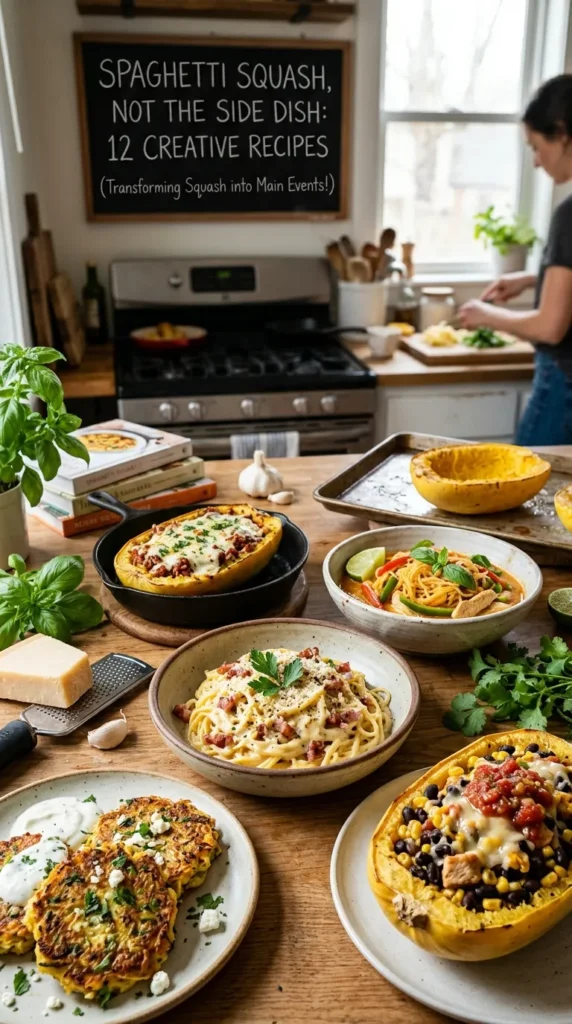
Spaghetti squash is one of those amazing vegetables that you can do so much with as a solid base to make all kinds of different meals. Nutritious and low-calorie, it has become a favorite for people who wanted to be healthy over their meals. Now, let’s take a look at a few creative recipes featuring spaghetti squash as the star ingredient, combining flavor and nutrition.
Spaghetti squash can be easy and enjoyable to cook. This unusual vegetable falls apart into strands like spaghetti when it’s cooked, making it an ideal substitute for traditional pasta. Here are some delicious recipes to inspire you in the kitchen.
Spaghetti Squash Primavera
This colorful vegetable dish gets spring flavors on your table. To prepare, follow these steps:
- First roast the spaghetti squash in the oven. Slice it in half, scoop out the seeds, drizzle with olive oil and sprinkle with salt and pepper. 450°F (200°C) bake for about 45 minutes.
- Sauté a mix of bell peppers, zucchini and cherry tomatoes in olive oil in a pan. Add minced garlic and cook until aromatic.
- As soon I cook the spaghetti squash, I scrape out the strands and toss them with the sautéed vegetables. Serve with a dusting of parmesan cheese and fresh basil.
Roasted Spaghetti Squash With Pesto and Grilled Chicken
This dish is a healthy take on a hearty meal. It marries the nutty taste of pesto to tender grilled chicken. Here’s how to make it:
- Roast the spaghetti squash as you normally would.
- While the bread bakes, marinate chicken breast in your favorite pesto sauce, then grill it until cooked through.
- When the squash is ready, toss the strands with more pesto, some sliced grilled chicken and some cherry tomatoes for freshness.
- Drizzle with balsamic glaze and top with a handful of arugula for the best presentation.
Spaghetti Squash Carbonara
This creative interpretation of traditional carbonara uses spaghetti squash and skips the heavy pasta altogether. Here’s how to make this creamy dish:
- Start by cooking the spaghetti squash as previously described.
- In a frying pay, fry up some diced bacon until crispy. Remove and set aside.
- In a large bowl, whisk the eggs and Parmesan cheese well. Gradually mix in cooked spaghetti squash, letting the heat cook the eggs a little bit and create a creamy sauce.
- Toss in the crisp bacon and season with black pepper. Toss until well-combined.
Spaghetti Squash Taco Bowls
Break up taco night with this gluten-free version. These bowls are customizable, and fun:
Roast the spaghetti squash as above.
- Brown ground turkey or beef and add taco seasoning.
- To make your taco bowl, layer spaghetti squash, the meat mixture, diced avocado, chopped cilantro and salsa. Top off with a squeeze of lime.
- Spaghetti Squash Mac and Cheese
- This classic comfort food gets a healthy twist with spaghetti squash. Here’s how to make it:
- Cook the spaghetti squash in the oven.
- Make a cheese sauce in a saucepan with cheddar, milk and a little flour. Stir until thick and creamy.
- Combine the cheese sauce with the strands of spaghetti squash, and transfer into a baking dish.
- Sprinkle breadcrumbs and more cheese on top, then bake at 350 degrees for golden brown.
How to Cook Spaghetti Squash
If you’re new to spaghetti squash, here’s a quick run-down:
Method Description Roasting The most common method. For cut squash: Roast at 400°F for 30-45 minutes. Micro wave Quick and easy! Poke holes in an entire squash and cook in the microwave for 10 to 12 minutes. Instant Pot Put half a squash with a cup of water in the pot. Cook on high for 7 minutes.
With these recipes and the cooking methods above, you’re off to a flying start to be ready for delicious meals featuring spaghetti squash. You can check out Love and Lemons or Whole Foods Market to explore more recipes, cooking tips and inspiration.
Feel free to try your own flavors and pairings with spaghetti squash. Nourishing as it is, though, its neutral flavor makes a perfect backdrop for myriad preparations. Enjoy your cooking adventures!
Slideshow: Common Mistakes Made When Cooking Spaghetti Squash
Preparing spaghetti squash can be a fun culinary experience, but there are some common mistakes you could make that would transform the potential dish into a disappointing meal. By knowing these pitfalls, you can greatly improve your success with this unusual vegetable so that you may enjoy its delicious flavor and health benefits.
The first big mistake is not choosing the right spaghetti squash. Since you should never buy a squash with any soft spots, when shopping you want to look for one that is firm and has a golden sheen on its skin. Avoid squash that has soft spots or discoloration, which signifies over-ripeness or spoilage. The bright yellow color is a good sign, while dull or patchy green could indicate immaturity.
Wash the spaghetti squash before cooking — something else people seem to forget. As with any produce, it’s important to rinse the outer skin under cold water to get off dirt and possible bacteria. This is important, especially if you intend to halve the squash — it stops contaminants from getting into the edible flesh.
This can be a real challenge for cooks, who might have little idea how to cook spaghetti squash. Common methods include baking, microwaving and steaming. But they make one of the most common mistakes: overcooking the squash. Spaghetti squash can become mushy and not retain its signature spaghetti-like strands when overcooked. Cook until the flesh is barely tender, and check by stabbing it with a fork; the strands should pull apart easily but still have a little bite.
Equally critical is cutting the squash properly before cooking. False start: Some mistakenly try to slice it in half lengthwise, which can be tough and dangerous with its thick skin. A better method is to stab the squash multiple times with a sharp knife and microwave it for a few minutes first. This tenderizes the skin so that it is not only easier, but safer to cut in half.
Now that you have your spaghetti squash prepped and ready to go, it can be easy for some to forget how to season these delicious strands. And don’t hold back when it comes to seasonings! A drizzle of olive oil, a sprinkling of salt and a dash or two of pepper can develop flavor. Add in herbs, like oregano or basil for more depth. The idea is to accent the squash’s natural flavors without overwhelming them.
And then after you cook it, there’s a technique to how you scrape the squash. However, we use a fork to pull the flesh away from the skin into long strands that is where spaghetti squash gets its texture. Some skip to this step, leaving a gooey mess. Gently pull apart the strands — carefully, so not to disturb their shape or texture.
Here’s a handy checklist of common mistakes to watch for:
- • Choosing an under- or overripe squash
- Neglecting to wash the squash
- Overcooking or undercooking the squash
- Improper cutting methods
- Insufficient seasoning after cooking
And, of course, don’t sleep on spaghetti squash. A lot of people use Italian seasoning for the traditional approach, but this vegetable will take on a variety of cuisines. Try Asian-style sauces or Mexican spices to have a thoroughly different experience. The variety means every cooking session is fresh and exciting.
You might be looking to preserve the healthful qualities of squash as well. Spaghetti squash is low-calorie, vitamin A- and C-rich. However, learn that if you let it get too mushy, its nutrition can fall through the cracks. You’re going for a texture that still has some crunch but is tender enough; it gives you more nutrition and keeps the dish interesting.
If you want to really dig into cooking techniques and recipes, websites like Food Network and Allrecipes give you plenty of handy resources. These sites present a spectrum of ideas, from basic cooking instructions to elaborate dishes featuring spaghetti squash.
Steer clear of these common mistakes and you’ll really up your cooking game — spaghetti squash is just waiting to become the star of your meals. Roll with the versatility, and have fun trying to get flavor in there saltiness crunchiness whatever you need till you find what works for your mouth.
Spaghetti Squash: A Brief History and Why It Is Popular in Today’s Kitchen

In a way, spaghetti squash took over cultures between late 2013 – early 2020 in the modern-age cooking sights. This unique vegetable, which looks like a giant yellow squash, is usually known for the long, noodle-like strands it forms when cooked. Lets look at its fascinating history and as to why it has become a favourite in many kitchens across the globe.
Spaghetti squash has its origins circa the early 19th century. Though thought to have evolved from wild plants in the Americas, it didn’t become known in the general world of cooking until mechanics scientists began popularizing it in the 1970s. It started appearing in California and rapidly gained traction among American home cooks seeking nutritious, multifunctional substitutes for traditional pasta.
Spaghetti squash is unique from other vegetables due to its distinctive culinary characteristics. Once cooked, the flesh of the squash shreds into long strands that look remarkably like spaghetti. Cooking—baking, boiling or steaming—turns it into that. The result is a popular pasta substitute that works for many different dishes, especially for people looking for lower carb fare like this.
The nutritional lineage of spaghetti squash is one of the most desirable features about it. Here’s a brief overview of some of its major health benefits:
- Low in Calories: A cup of cooked spaghetti squash has just ~42 calories, making it a great option for those on a weight-reducing diet.
- Rich in Fiber: it contains a lot of dietary fiber which promotes digestive health and helps control hunger.
- Does it contain vitamins: A good source of several B vitamins, as well as other important nutrients like phosphorus and manganese.
Antioxidants: Various antioxidants that fight inflammation and oxidative stress.
Spaghetti squash has held steady in the culinary mainstream over the decades, particularly since plant-based and gluten-free diets came on the scene. Spaghetti squash not only became a trend, but you can also jam pack your dishes with more veggies without sacrificing taste. This squash has been embraced by food bloggers and chefs alike, who share creative recipes that showcase its versatility.
Spaghetti squash is often prepared in the following ways:
Roasted: Halved lengthwise, drizzled with olive oil and seasoned. Roast them until tender, then scrape out strands with a fork.
Boiled: Sliced and then boiled until tender. However, this means is a lot faster and may potentially require much more wielding and care to keep the strands from breaking.
Microwavable: The Ideal solution if you have no time. Microwave the squash for a quick cook, with great results.
Spiralized: If you have a spiralizer, it can replicate different shapes of noodles to add a fun twist to creative dishes.
In the last few years, social media platforms have fueled spaghetti squash’s popularity even more. Squash recipes have gone viral, from the familiar, a marinara-style dish, to the unusual, casseroles and salads. This description of a visually appealing dish, combined with nutritional benefits, has LED it to become the perfect subject for food influencers and health enthusiasts.
Cooks and home chefs have played around with flavors to come up with some delicious spaghetti squash recipes. This squash is delicious in recipes you’ll find on Food Network and AllRecipes, where you may be inspired to try something new.
Where I think of spaghetti squash, though, is that while it has become celebrated as a food at this point in its life cycle, it is still beloved for being straightforward and nutritionally worthy. This enhance cooking squash is versatile and so it goes nicely with various sauces, proteins and greens which makes it appropriate for most tastes and dietary preferences. It can be stuffed, added to soups or used as a base for lean proteins such as chicken or fish.
There is a movement toward getting vegetables into every meal, making options like spaghetti squash important. A unique squash, it’s no surprise that with its blend of nutrients, deliciousness and simple preparation, it has found a niche in modern cuisine. Whether you might be trying to find a more healthy option or just looking to prepare a scrumptious dinner, learning how to make spaghetti squash can allow you to get pleasure from all of it.
Conclusion
Cooking spaghetti squash may change the course of your meals into a delicious and healthful direction. With the skills and knowledge to have the right texture every time, you’ll take your dishes up a notch. Spaghetti squash holds a rich nutritional profile, easily trumping traditional pasta as an ideal alternative at low calorie and high vitamin counts still fitting into many diets.
Experimenting with creative spaghetti squash recipes expands your cooking skills and adds flair to your table. Whether you find yourself tossing spaghetti squash into savory casseroles, or sizzling it alongside veggies in a colorful stir-fry, the versatility of this ingredient gives you reason to experiment — while still enveloping your taste buds in the warmth and health benefits of this nutrient-rich offering. But avoiding some of the usual pitfalls — overcooking or not using the right cooking process, for instance — will guarantee optimal results each time.
Spaghetti squash’s unique history provides valuable context for its skyrocketing popularity in contemporary cuisine. With more people looking for healthier meals and plant-based foods, it’s no surprise this humble vegetable is a common sight on menus across the globe.
All these foods can be used in cooking but so can spaghetti squash, so whether you’re a master chef or just beginning your journey into the kitchen, folding some spaghetti squash into the mix will yield tasty and healthy results. So pick up a squash, put on your sleeves and let’s talk spaghetti squash cooking. With some experimentation and creativity, you are sure to discover something that not only delights your taste buds but also promotes a healthier lifestyle. Relish the experience, and enjoy every morsel!