

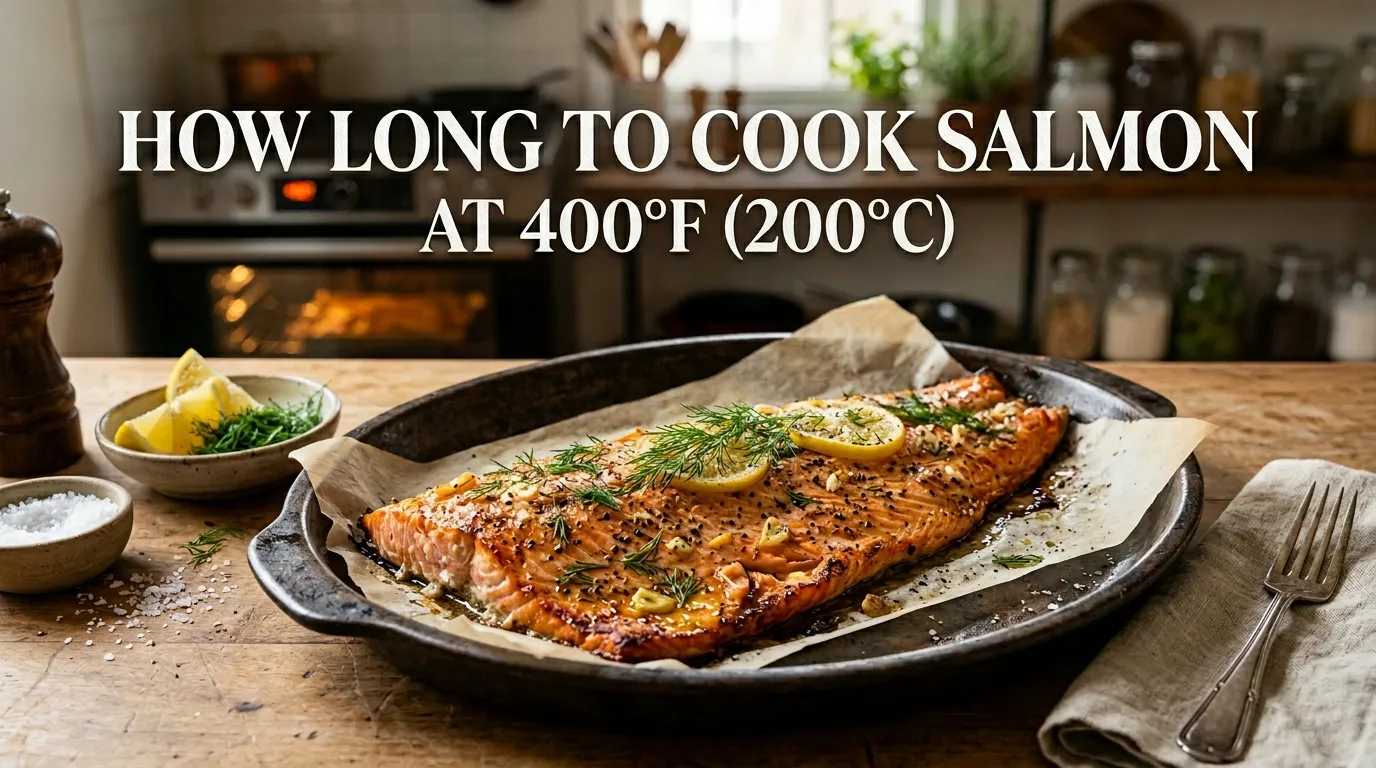

From What Temperature to How Long To Cook Salmon At 400 is a very popular temperature, producing something deliciously flaky and moist. Knowing how long to cook salmon at this temperature is the secret to a meal that’s both flavorful and healthy.
The general rule is 15 to 20 minutes of cooking at 400°F for salmon, depending on the thickness of your fillet. A single serving of salmon is usually about 6 ounces, and the cooking time depends on whether it has skin or not and if the fish is fresh or frozen.
Cooking Times Based on Thickness
So, here’s a quick reference chart with cooking times for salmon cooked in a 400°F oven relative to the thickness of the fillet:
- Salmon ThicknessTime at 400°F1 inch15-18 minutes1. 5 inches18-20 minutes2 inches20-25 minutes
- Remember, the salmon is done when it flakes easily with a fork and its internal temperature reaches 145°F; if you like your salmon medium-rare, take it out of the oven at about 130°F, since it will keep cooking as it rests.
Preparation Steps for Cooking Salmon
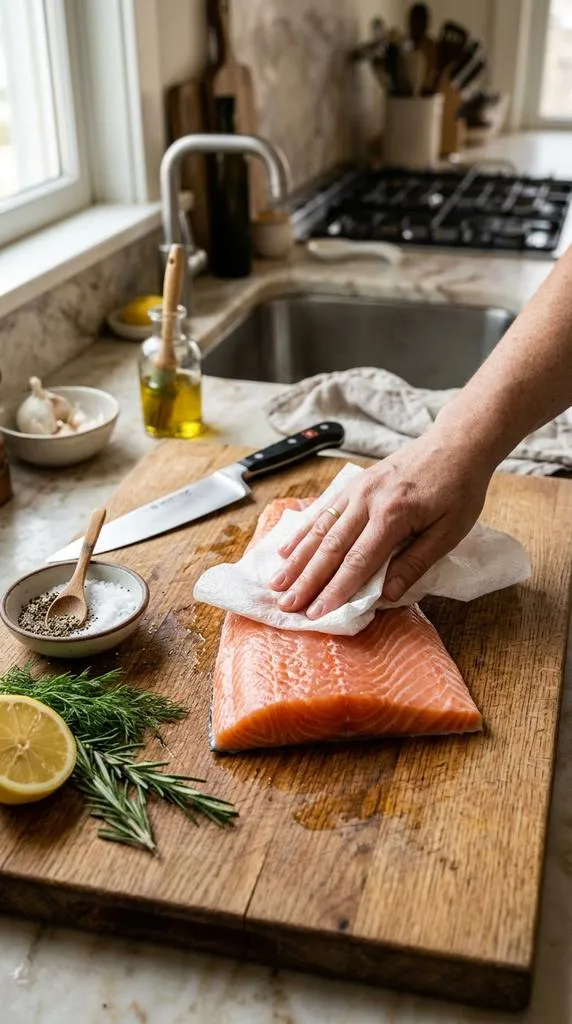
Knowing the cooking time is not all when it comes to preparing salmon for the cook – you also need to know how best to prepare your fish. Take these steps so your meal is as pleasant as possible:
- Preheat the oven to 400°F.
- For easier cleaning, line a baking sheet with parchment paper.
- Put the salmon fillet, skin side down, on the sheet.
- Drizzle with olive oil and sprinkle salt, pepper and any other spices or herbs you enjoy, such as garlic or dill.
- For even more flavor, marinate the salmon for about 30 minutes before you cook it if you’re using a marinade.
Additional Cooking Methods

You have other cooking methods available for salmon besides roasting in the oven, all of which can apply at that same temperature:
Grilling: Heat the grill to 400°F, and place the salmon on its side for 4-6 minutes per side — depending on thickness.
Pan-sear: Heat a skillet to medium-high heat and cook on either side for around 4-5 minutes until golden brown.
Baking: For richer flavor, wrap the salmon up in foil with herbs and lemon slices before baking.
Checking Doneness
Doneness is a particularly important check for salmon, which can dry out if overcooked. So here’s three easy ways to see if your salmon is cooked perfectly:
Fork Test: Use the tines of a fork to gently flake at the thickest part of the fish. When it flakes easily, it’s done.
Thermometer: Measure internal temperature with an instant-read thermometer. Aim for 145°F for fully cooked salmon, or around 130°F at medium rare.
→ Visual Inspection: Look for a change in color. The salmon should go from translucent pink to a more opaque shade as it cooks.
Adding salmon to your diet is a great move; it’s full of omega-3 fatty acids and is high in protein. If prepared with the right cooking time at 400°F, you’ll be able to enjoy its health benefits and amazing taste. Keep in mind, it’s all about patience so don’t try to hurry the cooking!
For more delicious salmon recipes and tips, see Salmon Recipes or visit cooking techniques at The Kitchn.
2 The Best Ways to Bake Salmon
Make sure the food is tasty at home by baking salmon. With the right techniques, you can elevate the flavors and textures of this ubiquitous fish. Here are the best techniques for baking salmon to guarantee a delicious meal every time.
How to Choose the Right Type of Salmon
For starters, you’ll want to pick the right kind of salmon for baking. Different species provide distinct flavors and textures. Here are a few to consider:
- King Salmon: Rich, buttery flavor.
- Sockeye Salmon: A rich colored fish with an intense flavor.
- Coho Salmon: Fairly mild, but still a good fat to protein ratio.
- Pink Salmon: Less expensive, light flavor.
- The taste of your final dish may differ greatly depending on how fresh and quality your fish was.
Perfecting the Temperature
As for baking salmon, the right temperature is crucial to achieve ideal doneness. A typical temperature recommendation is 400°F (200°C). At this temperature:
- Salmon usually roasts in 12 to 15 minutes.
- The outside gets crisp, but the inside remains moist.
- For best results, the thickest part of the fish should reach 145 °F (63 °C) using a food thermometer.
Preparing the Salmon
With the right preparation, this simple dish can showcase layered flavors and become visually striking. Here are steps to consider:
Thaw: If using frozen salmon, thaw in the fridge overnight or under cold running water.
Marinating: You may wish to marinate the salmon for 30 minutes, up to 2 hours. An easy marinade could be olive oil, lemon juice, garlic and herbs.
Season: Add salt, pepper and spices of your choice evenly. Fragrant herbs such as dill or parsley are a nice touch.
Using the Right Baking Dish
The kind of baking dish you use can affect cooking time and results. Consider these options:
Glass: Great for uniform heat distribution. Just be sure to cut back on the cooking time a bit.
Baking Sheet, Metal: Provides a nice crisp on the edges and good for high heat.
Cast Iron Skillet: Great for a rustic presentation and equal cooking.
Adding Flavor with Toppings

Topping the salmon before you bake it can easily amplify its natural flavor:
Herb Crust: Combine chopped herbs with breadcrumbs and olive oil for a gnarled topping.
Vegetables: Adding thin slices of bell peppers, tomatoes or citrus on top will provide added flavor and moisture.
Nuts: Chopped almonds or pine nuts bring an appealing texture and nutty flavor.
Covering for Moisture
For juicy salmon, I recommend covering the salmon with foil or parchment paper for the first half of the cooking time. This method traps steam, allowing the fish to cook uniformly while also keeping it from drying out.
Final Touches
After baking, let the salmon rest a few minutes before serving. This gives the juices time to redistribute and guarantees a moist center. You can also drizzle a touch more lemon juice or a light sauce over the top at the last minute for that extra pop of flavor.
- Serving Suggestions
- Baked salmon is delicious with all kinds of sides. Consider serving it with:
- Steamed vegetables
- Quinoa or brown rice
Mashed potatoes
- Visit Food Network or Allrecipes for detailed recipes and salmon cooking methods.
- Learn the secret to perfect baked salmon and wow your next dinner guests with these simple techniques. Happy cooking!
Salmon Flavor Pairings: Broaden your dish
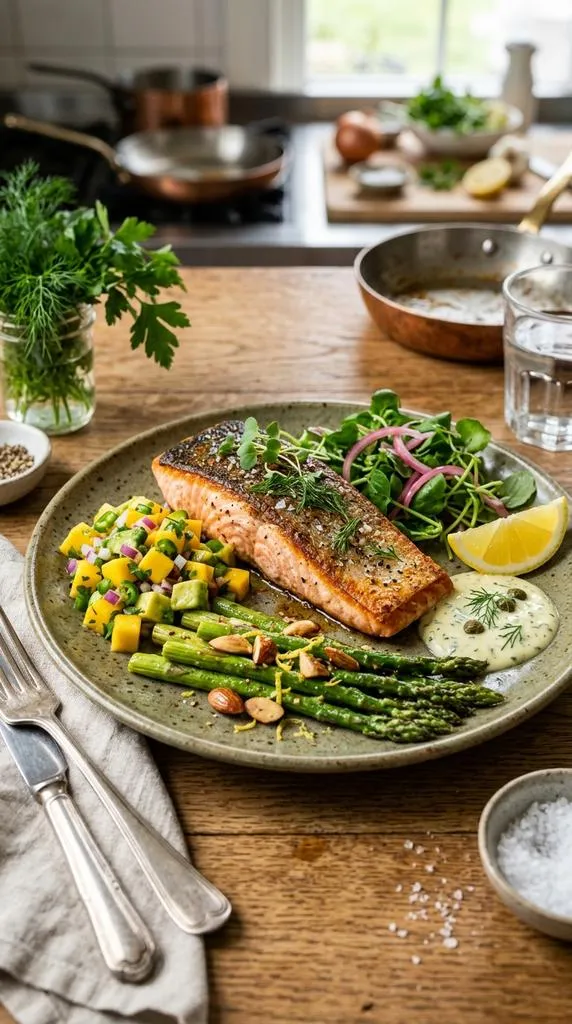
One of the most popular fish is salmon because of its rich flavor and health benefits. And if you want to take your salmon dishes up a notch, testing out different flavor pairings can have all the difference. Do keep some combinations in mind that not only elevate the meal but also make it a complete and memorable one.
Classic Pairings
In thinking about how you’d like to elevate your salmon, keep in mind these classic flavor partners:
Fresh herbs: Fresh dill, parsley or tarragon will enhance the flavor of your salmon.
Citrus: Lemon and lime juice contribute a bright acidity to balance the fat in salmon.
Garlic: Roasted garlic or minced raw garlic gives a pleasant warmth.
Butter: A little melted herb-infused butter adds richness.
Sweet and Spicy Contrasts
Salmon is fantastic with sweet and spicy flavors. Some mixtures to experiment with include:
- Maple Syrup and Sriracha: A glaze using both can also amount to a pleasing combo of sweet and heat.
- Brown Sugar and Soy Sauce: This combination makes a sweet-savory marinade that caramelizes beautifully.
- Honey & Chili Flakes – A drizzle of honey combined with chili flakes will bring dimension and complexity.
Vegetable Companions
Incorporating vegetables will not only make for a more beautiful dish, but also add more flavor and nutritional value. Consider these delicious pairings:
Asparagus: or roasted asparagus add lovely texture and a small amount of bitterness.
Brussels Sprouts: Their nutty flavor pairs well with salmon, especially when caramelized.
Spinach: Sautéed spinach with garlic makes a lovely side to cut through the richness of the fish.
Global Influences
When it comes to salmon, global flavors can help make the dish shine. Here are global combinations you can try:
Miso Glaze (Japanese): Brush with a miso glaze for some umami depth, great for an upscale flair.
Chimichurri (Argentinian): A parsley-garlic-vinegar-oil sauce brings freshness.
Harissa (North African): This spicy chili paste can add some flavor to your salmon.
Accompaniments That Shine
Don’t forget the sides that pair with your salmon. Here are some great options:
AccompanimentFlavor ProfileQuinoa SaladNuts and CitrusyRoasted PotatoesCrispy and SavoryCouscousFluffy and Herbaceous
Involving Sauces and Condiments
Sauces or condiments can enhance the overall flavor of your salmon filet if you choose them wisely. Definitely consider trying these options:
- Tartar Sauce: Also a creamy tang that can go quite nicely with grilled salmon.
- Yogurt Dill Sauce: A bright counterpoint that brings cooling creaminess.
- Teriyaki Sauce: Tastes wonderful in a sweet-savory marinade!
For more inspiration and recipes about flavor pairings, try Love and Lemons or Serious Eats. In this, you will find different approaches to make your style of salmon more fabulous and delicious.
From grilling to roasting and baking, the right flavor combinations will elevate your salmon pulled from water or farm. Try out these combos, and who knows — you might just discover a new favorite way to prepare this healthy, delicious fish!
Salmon: 10 Health Benefits of Eating Salmon Regularly
In addition to being a delicious fish, eating salmon on the regular comes along with a lot of health benefits. Packed with necessary nutrients this scrumptious fish is one of the best options for healthy life and improved health. Now, let’s take a look at why you should add salmon to your diet.
Rich in Omega-3 Fatty Acids
Salmon is fantastic because it’s one of the very best sources of omega-3 fatty acids, which are essential for your body. These healthy fats are beneficial for your heart as they reduce inflammation and lower down blood pressure. Omega-3s are essential for brain function and development as well.
- Some of the main points covered in omeg-3 fatty acids are:
- Lower the risk of heart diseases.
- Boost brain health, and may help with mood improvement.
- Decrease inflammation throughout the body.
High in Quality Protein
Protein is essential for building and repairing your muscles, and salmon is an excellent source. Even a portion of salmon has high-quality protein, which is vital for strong bones and muscles.
- Benefits of Protein in Salmon:
- Supports muscle growth and recovery.
- Boosts the immune system’s functionality.
- Aids in keeping skin, hair, and nails healthy.
Packed with Vitamins and Minerals

Salmon also contains a lot of vitamins and minerals that are important for your health. These include but are not limited to, vitamin B12, selenium and vitamin D.
Important Nutrients Found in Salmon:
Nutrient Benefit Vitamin B12Essential for red blood cell production and proper double-sided nerve function. SeleniumAntioxidant elements that serve to protect cells. Vitamin D Supports calcium absorption for strong bones.
May Lower Chronic Disease Risk
Eating salmon on a regular basis has been associated with reduced risk of several chronic diseases. Salmon contains omega-3 fatty acids, which may help reduce the risk of heart disease and other health problems.
Specific Chronic Conditions Associated with Salmon Seafood Intake:
- Heart Disease
- Type 2 Diabetes
- Certain Types of Cancer
Supports Healthy Aging
Regular consumption of salmon can also encourage healthy aging. Hormat Salmon Has anti inflammatory properties that promote a better skin health and lowers the risk for age related diseases
Benefits for Aging Populations:
- Helps preserve cognitive function as you get older.
- Reduces arthritic symptoms and aids joint health.
- Enhances skin elasticity and appearance.
Easy to Prepare and Versatile
It’s salmon for another reason: its versatility in the kitchen. You can play with it in a million different ways, roasting it, grilling it or pan-searing. Salmon is also easy to pair with vegetables or whole grains for a balanced meal.
Suggested Salmon Recipes:
- Grilled Lemon Herb Salmon
- Baked Honey Garlic Salmon
Salmon and Asparagus Foil Packets
A little salmon tried in your diet not only makes meals delicious but also brings amazing healthiy benefits. To learn more about salmon nutrition, go to Healthline; for recipes, Allrecipes.
Salmon is a wonderful step towards a healthier you. So, the next time you are planning your meals, think about including this superfood in your diet!
How to Choose Fresh Salmon at the Market
Salmon, when we shop for it, has to be freshest of fish for flavor and your health. So here are some practical tips about selecting the very best salmon at your local market.
The first step is to learn about the types of salmon available. You’ll most commonly see Atlantic salmon, king salmon, sockeye, coho and pink salmon. All types have their own taste and texture, so if you know what these different types are like, then you might be able to select according to your preference and based on your cooking style.
Look for Color
Look for bright color in fresh salmon. Here’s a quick guide:
Ask the experts, and they will all agree: Whenever Atlantic salmon is available, go for it in its most natural state.
King Salmon | Dark Red to Dark Orange
- Sockeye Salmon: Bright red to dark red.
- Coho Salmon: Medium red.
- Pink Salmon: Light pink.
- If you spot lackluster color or fading, that could signal the fish is not fresh.
Check for Firmness
One of the best signs of fresh salmon is its firmness. Gently press the fillet with your finger:
- If the flesh bounces back, it’s fresh.
- If it leaves an impression and doesn’t spring back, try a different piece.
Smell Matters
The smell of salmon should evoke the ocean, not a fishy or sour odor. A pungent, foul odor is a major warning sign. If it smells way too pungent, it could be old.
Inspect the Skin
Fresh salmon should have shiny, vibrant skin. Additionally, the scales should be visible and distinguishable. If the skin appears dull or is peeling, that could be an indicator that the salmon isn’t fresh.
Check for Gaps and Transparency
When inspecting salmon fillets, check for gaps in the flesh. The meat should not be puffy and tearable, but firm and fibrous. Fresh salmon should also have a slight sheen and should look moist, but not slimy.
Ask Questions
Oh, and don’t be afraid to ask the fishmonger about the salmon. Questions you might consider include:
- When was this salmon caught?
- Is it farmed or wild-caught?
How has it been stored?
If you are working with a reputable seller, they will be happy to share details to help you make an informed decision.
Consider Frozen Salmon
If your market doesn’t have fresh salmon in great shape, use frozen salmon instead. Many high-end frozen salmon are flash-frozen after catch to lock in freshness. Read the packaging for evidence of freezer burn or discoloration.
Visit Reliable Sources
Shop regularly at reputable supermarkets and restaurants that have a focus on seafood. Most grocery chains and local fish markets also have loftier standards for the quality of fish. For more about seafood quality, you can go to resources like Seafood Watch.
Storage Tips
Once you get your fresh salmon, store it properly to preserve its quality:
- Store it in the coldest part of your refrigerator.
- Plastic wrap or aluminum foil should be used to cover it.
- Cook it within 1 couple of days or freeze it right away.
- Not only will you end up with tastier meals, but practicing these steps will help ensure healthful salmon enters your body. Knowing how to select fresh salmon is a must–have skill for food lovers everywhere.
- And keep in mind, quality salmon can go a long way when creating your favorite meals!
Conclusion
With the right techniques and timings, cooking salmon at 400°F can result in a perfectly flaky and flavorful dish! You’ve discovered that the right cooking times generally fall somewhere between 12 and 15 minutes, depending on how thick the fillet you are working with is. Baking at this temperature gets you that tender texture, while sealing in moisture and flavor.
In addition to timing, it right, you can get better flavor in your dish and ease of cleanup by employing effective baking techniques — such as using parchment paper or foil. Pairing salmon with a few simple, nice flavors– lemon, garlic, herbs — not only lends the fish great flavor but also gives you some fresh textures on your plate.
Also, eating salmon on the regular doesn’t just taste heavenly — your body will thank you, too. Packed with omega-3 fatty acids, vitamins, and minerals salmon is good for heart health and body wellness.
Knowing how to choose fresh salmon at the market means everything when you cook it. A vivid color, firm texture and a clean, ocean-like smell are your best guides to ensuring you get quality fish that will stand out in your dishes.
With these tips in mind, you’ll take your salmon from being a dinner staple to that of gourmet proportions, making every meal taste and be indisputably nutritious! Have fun experimenting with flavors, and techniques knowing that you’re preparing a healthy meal for yourself and your family!