

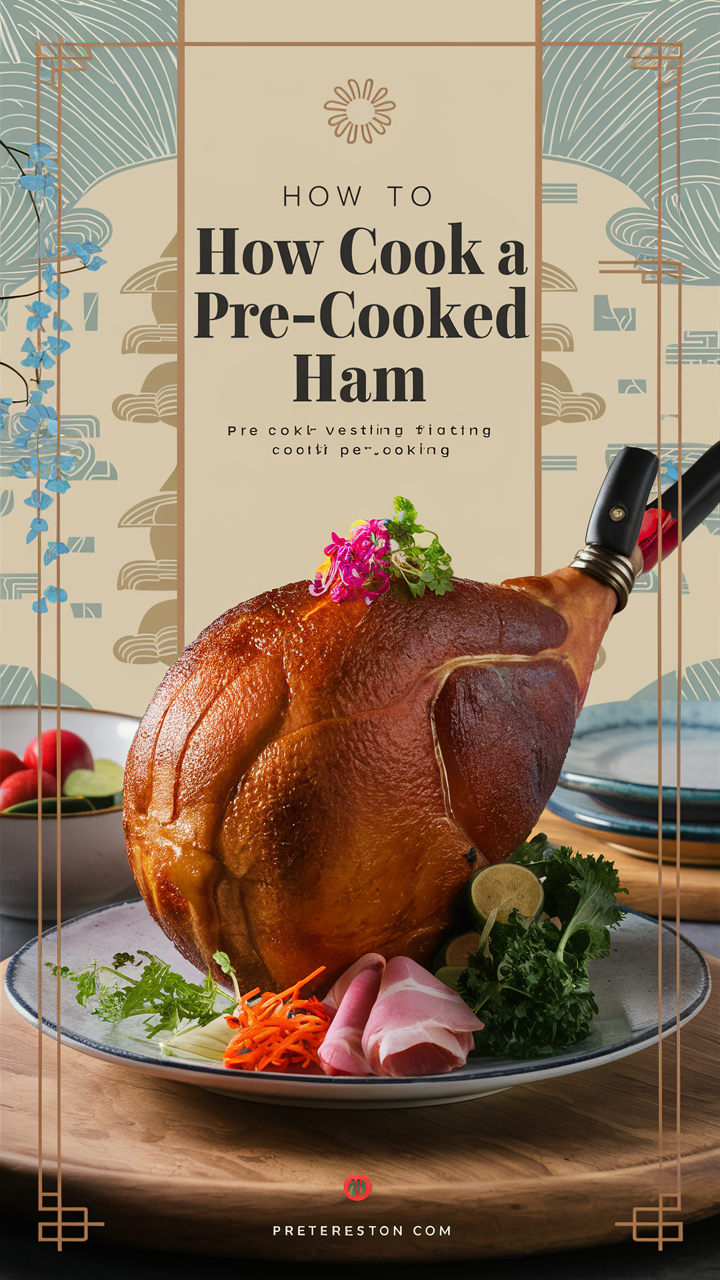

how-to-cook-a-pre-cooked-ham that is already cooked can be an enjoyable and simple process in servin g up to your guests, all without starting from square one. If you use the right techniques, you can guarantee that your ham will be flavorful, moist and heated through just right. We will see some of the best ways to do that below.
Choosing the Right Pre-Cooked Ham
Before you begin cooking, it’s essential to select the right kind of pre-cooked ham. Hams vary in flavor, texture, and preparation methods. Here are some common types:
- Bone-In Ham: This type often offers more flavor and moisture due to the bone.
- Boneless Ham: Easier to carve, boneless ham is a popular choice for its convenience.
- Spiral-Cut Ham: Pre-sliced ham that allows for easy serving and great presentation.
Preparation Steps
To ensure your pre-cooked ham turns out perfectly, follow these steps:
- Preheat Your Oven: Start by preheating your oven to 325°F (165°C).
- Prepare the Ham: Remove the ham from its packaging and discard any plastic or netting. Place the ham in a roasting pan, cut side down, to keep it moist.
- Add Liquid: To enhance flavor and moisture, add water, broth, or apple juice to the bottom of the pan. This will create steam while cooking.
- Cover the Ham: Use aluminum foil to cover the ham loosely, trapping moisture during cooking.
Cooking Time and Temperature
The cooking time for pre-cooked ham varies based on its weight. As a general rule, allow about 10-15 minutes per pound. Here’s a simple table to help:
| Weight of Ham (lbs) | Cooking Time (mins) |
|---|---|
| 5 | 50-75 |
| 8 | 80-120 |
| 10 | 100-150 |
| 12 | 120-180 |
Check for at least an internal temperature of 140°F (60°C). For the most reliable reading, use a meat thermometer inserted into the thickest part of the ham, without hitching on to any bone.
Glazing Your Ham
A glaze can add flavor and create a beautiful caramelized finish on your ham. Here’s how to prepare a simple glaze:
- Ingredients: Combine brown sugar, honey, mustard, and black pepper in a bowl. You can also add fruit preserves for sweetness.
- Apply the Glaze: In the last 30 minutes of cooking, remove the foil and brush a generous amount of glaze over the ham.
- Return to Oven: Continue to cook uncovered, allowing the glaze to caramelize.
Serving Suggestions
Once your ham is perfectly cooked, let it rest for about 15 minutes before slicing. This allows the juices to redistribute, ensuring moist slices. Here are some ideas for serving:
- Pair with sides like mashed potatoes, green beans, or a fresh salad.
- Serve with different mustards or sauces on the side for an extra kick.
- Utilize leftovers in sandwiches, soups, or casseroles.
Cooking a pre-cooked ham can be an excellent way to fancy up your meal, but the taste doesn’t stop there when you just warm it up. Add-ons like glazes and seasonings can elevate a lowly ham to the heights of glam. Here’s a guide to some tasty choices that will ensure your ham is downright delicious.
By following these techniques, you can make your pre-cooked ham a stunning success on the dinner table. Enjoy the process and savor the results!
Flavor Enhancements: Glazes and Seasonings for Ham
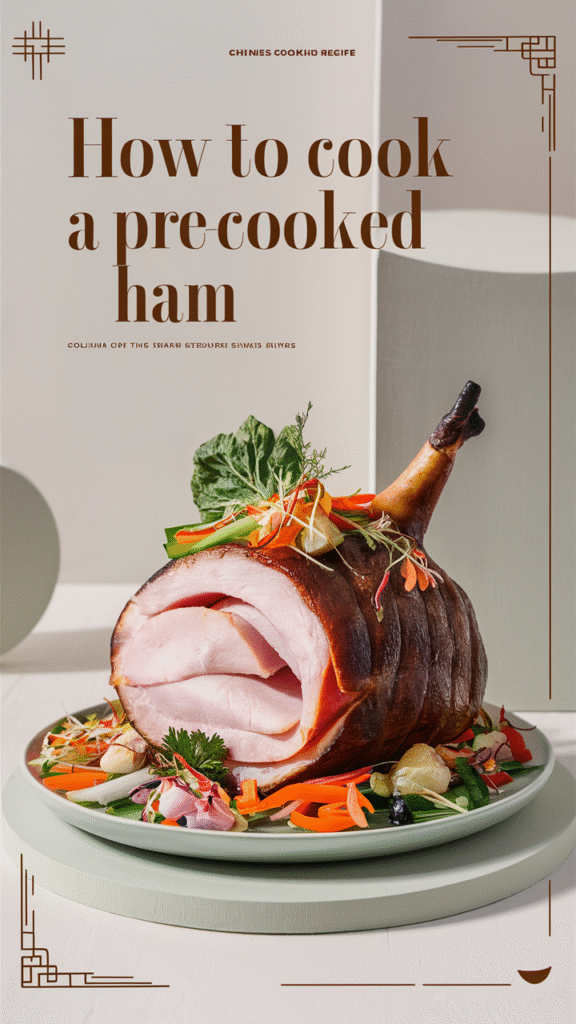
Before we get into specific glazes and seasonings, it is important to understand what a pre-cooked ham actually is. These hams are usually fully cooked at processing, so they save you time and trouble. What you really want to do is develop layers of flavor while you heat it up.
Combine these in a saucepan and stir together, bringing them to a low boil until thickened. Freebeam your homemade glaze over the ham in the last 30 minutes of cooking so that flavors meld.
Popular Glaze Types
Glazes are typically sweet or savory coatings that add moisture and flavor to your ham. Here are a few popular types to consider:
- Brown Sugar Glaze: Combining brown sugar, mustard, and vinegar creates a sweet yet tangy flavor that caramelizes beautifully in the oven.
- Pineapple Glaze: A blend of crushed pineapples, brown sugar, and maraschino cherries adds a tropical note that is both sweet and citrusy.
- Honey Mustard Glaze: Mixing honey with Dijon mustard results in a sweet and slightly spicy glaze that complements the smoky flavor of the ham.
- Maple Glaze: Using pure maple syrup with garlic and soy sauce brings a delightful sweet and savory balance that enhances the ham’s natural flavor.
Creating Your Own Glazes
If you want to customize your ham’s flavor, consider experimenting with your glazes:
- Start with a base like brown sugar or honey.
- Add acidity with vinegar or citrus juice for balance.
- Incorporate spices such as cloves, cinnamon, or ginger to bring warmth and depth.
- For a savory kick, add mustard, garlic, or herbs.
Mix these ingredients in a saucepan, bringing them to a gentle boil until thickened. Brush your homemade glaze over the ham during the last 30 minutes of cooking to allow flavors to meld.
Seasoning Options
In addition to glazes, diverse seasonings can enhance your pre-cooked ham:
| Seasoning | Flavor Profile | Application |
|---|---|---|
| Pepper | Spicy and sharp | Coat the ham before baking |
| Garlic Powder | Savory and aromatic | Mix into glaze or rub |
| Mustard Powder | Tangy and sharp | Combine with brown sugar for glaze |
| Cinnamon | Warm and sweet | Sprinkle on the surface before cooking |
These seasonings can be used individually or combined for a more complex flavor. Apply them evenly across the surface of the ham to ensure every bite is flavorful.
Cooking Tips for Flavor Enhancement
When preparing your pre-cooked ham, keep these tips in mind for the best results:
- Score the Ham: Lightly scoring the fat on the surface allows the glaze to seep into the meat for deeper flavor.
- Use a Meat Thermometer: To ensure optimal flavor and texture, cook your ham to an internal temperature of 140°F.
- Let it Rest: After removing the ham from the oven, let it rest for about 10 minutes before slicing. This seals in the juices and enhances moistness.
- Revenant Glaze: Save any extra glaze to brush on the slices as you serve them, ensuring each piece is bursting with flavor.
Websites like Food Network and Allrecipes are full of ideas (and exact recipes). Just keep in mind that the right glaze or seasoning will transform your premade ham into an eye-catching centerpiece worthy of raves. With some creativity and advance planning, you can get a dish on the table that’s not only easy to make but packed with wonderful flavor.
Common Mistakes to Avoid When Reheating Ham
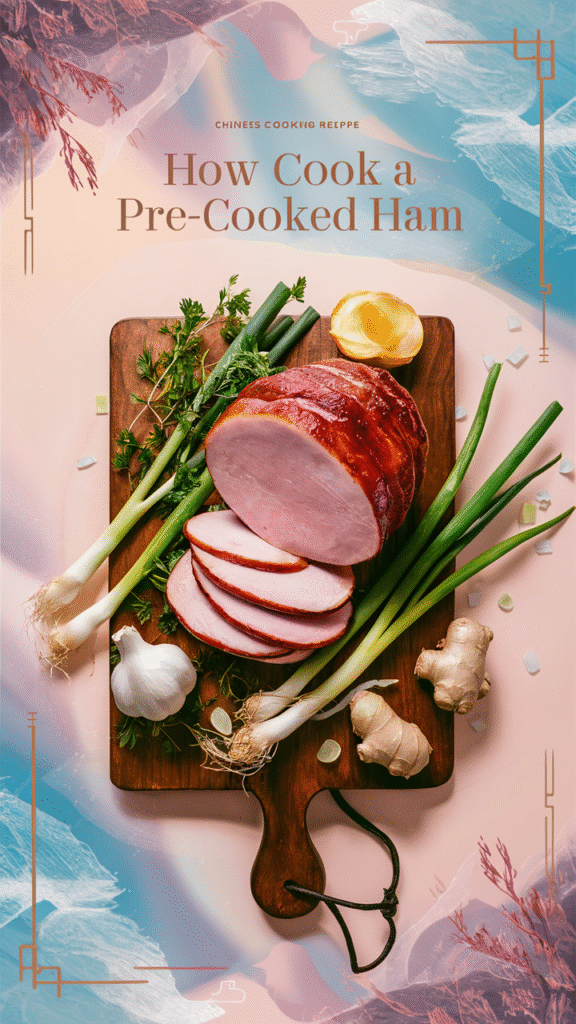
Reheating ham can feel intimidating at times, especially if you are trying to preserve its same flavor and texture. But mistakes are common, and how the dish turns out can vary from dry to less than delicious. To keep you and your ham at your best, here are some common pitfalls to avoid when reheating.
Not Thawing Properly
One common estate people make is not properly thawing frozen ham. If you’re working with a frozen ham, don’t shove it in the microwave to speed things up. Instead, leave it to safely thaw in the fridge a day before you want to reheat it. This way, the ham thaws evenly and is making bacteria growth less likely.
Skipping the Glaze
If reheating ham, don’t skip the glaze. Adding an aromatic glaze, sweet or savory, will really elevate the flavor and maintain that moisture of the ham. Popular ones are honey or brown sugar, or a mixture of mustard and orange juice. Apply a little bit of glaze on the ham before you reheat it. Not only does it add flavor, but it also helps keep the ham juicy as it warms.
Using High Heat
If you reheat ham on a high temperature setting, it’s a sure way to dry it out. So, instead of speeding up the process, try a lower heat setting. For example, preheat your oven to 325°F (165°C) and wrap your ham in foil. Doing so helps trap steam, which keeps the ham moist as it heats. Depending on the size of the ham, it can take 10 to 15 minutes per pound to heat through.
Not Using a Thermometer
Another frequent mistake is failing to check the ham’s internal temperature. Use a meat thermometer to check that it reaches an internal temperature of 140°F (60°C). That not only ensures that the ham is safe to eat, it also guarantees that it’s thoroughly heated without being overcooked.
Reheating Alone
It might be easier to just set it and forget it, but you want to check on that ham. Reheating needs your attention. Check the moisture level in the pan regularly, adding broth or water as needed to maintain humid conditions. This means it doesn’t dry out.
Forgetting to Slice Before Reheating
If you have a big piece of ham, think about cutting it before you reheat. Sliced ham also benefits from more even, faster heating, so you’re less likely to have overcooked outer layers with a still-cold center. Small chunks or slices can also absorb more glaze and moisture, resulting in a flavor-packed dish.
Overlooking Leftovers Storage
When reheating, be mindful of how you store leftovers. Let the ham cool and put into airtight containers. And be sure to cool it at room temperature for no more than two hours before putting it into the refrigerator. This practice will help preserve the quality of your ham for future meals.
| Mistake | Result | Solution |
|---|---|---|
| Not thawing properly | Uneven heating, risk of bacteria | Thaw in the refrigerator |
| Skipping glaze | Dull flavor | Apply a sweet or savory glaze |
| Using high heat | Dry and chewy ham | Reheat at low heat (325°F) |
| Not using a thermometer | Inconsistent temperature | Check for 140°F internal temperature |
| Reheating alone | Dried-out ham | Monitor moisture levels |
| Forgetting to slice | Uneven reheating | Slice before reheating |
| Overlooking storage | Spoiled leftovers | Store in airtight containers |
By avoiding these common mistakes, you can ensure that your reheated ham is juicy, tasty, and pleasurable. For more tips and recipes, visit Food Network or Allrecipes.
Remember, the key to reheating ham successfully lies in patience, attention, and a little bit of love towards the cooking process. Enjoy your delicious ham without the stress!
Serving Suggestions: Pairing Pre-Cooked Ham with Sides
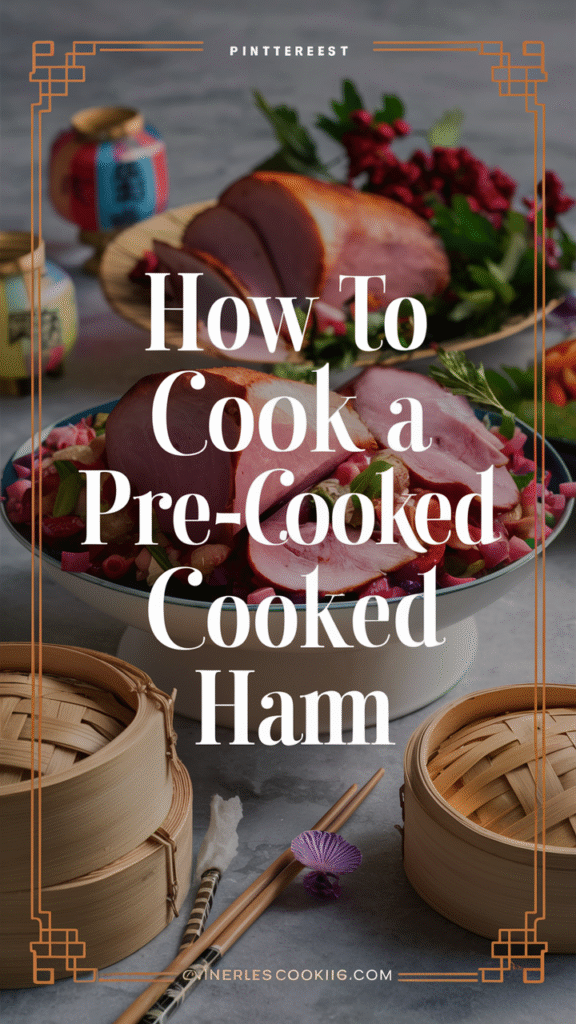
A pre-cooked ham is a great centerpiece for your meal, one that can help you get delicious and versatile. This savory dish is best paired with the right sides to elevate your dining experience and satisfy a variety of palates. Here are some serving suggestions to inspire you in building the perfect spread around your pre-cooked ham.
Classic Sides for Pre-Cooked Ham
Some traditional side dishes are a natural match for ham. Their flavors complement the rich and savory notes of the meat:
- Scalloped Potatoes: These creamy, cheesy layers of potato provide a rich texture that pairs perfectly with ham.
- Green Beans Almondine: The crunch of almonds and the freshness of green beans add a lovely contrast to the ham’s flavor.
- Glazed Carrots: Sweet, tender carrots glazed with brown sugar or honey harmonize beautifully with ham.
- Creamed Spinach: This dish brings a decadent creaminess that balances the savory aspects of the ham.
Vegetable Options
Vegetables into your meal adds not only color but also nutrition. Here are some vegetable side ideas:
- Roasted Brussels Sprouts: These are nutrient-packed and can be caramelized for added sweetness.
- Asparagus with Lemon Zest: Lightly sautéed or steamed asparagus with a hint of lemon makes for a refreshing contrast.
- Mixed Green Salad: A simple salad with a tangy vinaigrette can help to cleanse the palate between bites of the savory ham.
Starchy Pairings
Complementing your ham with a variety of starches enhances the overall satisfaction of the meal:
- Mashed Potatoes: Fluffy mashed potatoes with butter or gravy are always a crowd-pleaser and pair wonderfully with ham.
- Sweet Potato Casserole: The sweetness of the casserole contrasts nicely with the saltiness of the ham, creating a delightful balance.
- Rice Pilaf: A light and herby rice pilaf can absorb some of the flavors from the ham.
Fruity Accents
Add some sweetness and acidity to your plate with fruit-based sides:
- Pineapple Glaze: A grilled or roasted pineapple glaze over your ham can be a sensational flavor combo.
- Apple Sauce: This classic accompaniment offers a sweet, tangy balance that is always welcomed.
- Cranberry Chutney: This can add a gourmet touch to your meal, providing a burst of flavor.
Breads for the Table
Don’t forget about bread! The right bread can complement your ham perfectly:
- Honey Butter Biscuits: These soft, flaky biscuits with a hint of sweetness are simply irresistible.
- Cornbread: A slightly sweet, crumbly cornbread goes wonderfully with ham and is a classic Southern side.
- Sourdough Bread: The tartness of sourdough can enhance the flavor of your ham and offer a satisfying texture.
Final Tips
When serving pre-cooked ham with sides, presentation matters. Arrange your dishes on a large platter or serve them in colorful bowls to create an inviting table. Here are a few pointers:
- Use seasonal vegetables for freshness and flavor.
- Consider dietary restrictions and preferences of your guests when selecting sides.
- Keep the flavors balanced – combine rich, hearty foods with lighter options.
Your pre-cooked ham will shine on the dining table, with these serving suggestions. Finding inspiration: For recipes and more, visit Taste of Home or Food Network, which have tons of ideas to inspire your next meal.
Making a full, delicious meal is about balance. In your choice of sides you will provide a holiday spirit and make sure to give everyone something to sink their teeth into.
Creative Leftover Ideas: Transforming Ham into New Meals
Ham is a lovely thing to have left over, which means you can make new and interesting meals with almost no effort. Come learn how to repurpose your leftovers so you eliminate food wastage, enjoy tasty creations that will make your palates rejoice. So here are some creative ideas to transform that leftover ham into fabulous meals.
Ham and Cheese Breakfast Casserole
Kick your day off right with a hearty breakfast casserole. Yeah, the half-used block of shredded cheese in your fridge will also be strongest ham, eggs, and cubed bread into a baking dish. Season with such herbs as thyme and parsley, pour a mixture of milk and beaten eggs on top, then bake until lightly golden and completely set. This is a great dish to make for brunch with friends or even for family.
Ham and Bean Soup
This is the perfect dish for leftover ham. Just sweat onions, carrots and celery until tender, then add chopped ham and canned beans and broth. Allow it to simmer so that the flavors meld. It’s warming, hearty, and perfect for cold weather. Add extra spices or vegetables to make it your own.
Ham Fried Rice
One great way to devour leftover ham — to witness its miracle-seed potential, if you will — is with a quick stir-fry. Serve with day-old rice for the best texture. Sauté vegetables — through peas and carrots to onions — in a pan, then toss the ham (and rice) in. A drizzle of soy sauce for flavor, and green onions to complete. Not only is this dish delicious, but it’s also a wonderful way of using up some rice you have in your fridge.
Ham and Pineapple Pizza
If you want a fun way to use up ham, try homemade pizza. Base your pizza dough with tomato sauce, sprinkle it with chunks of leftover ham and pineapple and top with cheese. Bake until the crust is crisp and the cheese is bubbly. Charles went with his own dish of sweet and savory flavors that is sure to impress.
Ham Quiche
Quiche is another great way to use up leftover ham. In a pie crust, layer chunks of ham, sautéed vegetables like spinach or mushrooms and season a mixture of eggs and cream. Bake until the filling is set for a midday treat everyone will adore.
Ham Tacos
How about a twist on taco night and with leftover ham as the star protein? Heat small tortillas, fill them with chopped ham and fresh ingredients like avocado, salsa and shredded cabbage. That combination of flavors leads to a meal that is both fresh and vibrant, filling but fun to eat.
Ham Salad Sandwiches
Shredded ham is incredible in sandwiches. Combine chopped ham and mayonnaise, mustard, diced pickles and a pinch or two of pepper. Serve in your choice of bread or even on a lettuce wrap for low-carb. These are quick to prepare and great for lunch or a picnic.
Ham Stuffed Peppers
For something colorful and healthy, try writing a mixture of leftover ham, cooked rice and seasonings into bell peppers. Sprinkle cheese on top and bake until the peppers are tender. It is colourful and flavoursome — the dish to tell people about.
Above all, don’t forget the versatility of ham. With some creativity, you can ensure your leftovers are anything but boring. Here’s a quick reference to inspire you:
| Dish | Main Ingredients | Cooking Time |
|---|---|---|
| Breakfast Casserole | Ham, Eggs, Cheese, Bread | 45 minutes |
| Ham and Bean Soup | Ham, Beans, Vegetables, Broth | 1 hour |
| Ham Fried Rice | Ham, Rice, Vegetables, Soy Sauce | 20 minutes |
| Ham and Pineapple Pizza | Ham, Pineapple, Tomato Sauce, Cheese | 20 minutes |
| Ham Quiche | Ham, Eggs, Cream, Vegetables | 50 minutes |
| Ham Tacos | Ham, Tortillas, Fresh Toppings | 15 minutes |
| Ham Salad Sandwiches | Ham, Mayonnaise, Bread | 10 minutes |
| Ham Stuffed Peppers | Ham, Rice, Peppers | 40 minutes |
With each of these, you’re sure to find a few that appeal to your taste and the kind of cook you are. So work out your leftover angst, and have fun making something tasty and terrific from it. Also check out this site (Food Network) or Bon Appétit! for more ways of using up your leftovers.
Conclusion
If using the right cooking techniques and flavor applications, it can be a wonderful experience preparing pre-cooked ham. And (fair warning!) your ham wouldn’t be the same without methods like baking, glazing or even slow cooking to boost its flavor. Remember that the right glaze or seasoning has the power to transform an already delicious ham into a show-stopping centerpiece, blending sweet, savory and spicy touches that please every palate.
When reheating your ham, though, it’s important to avoid common traps that lead to dry or overcooked outcomes. With a little care and attention to both temperature and time, you can end up with moisture before the meat has started turning dry. Pairing your ham with complementary sides, such as roasted vegetables, creamy mashed potatoes or tangy coleslaw can elevate the meal even further and create a well-balanced experience at the table.
Well, you are forgetting the leftovers! Repurposing them into hearty soups, rich casseroles or savory sandwiches can breathe new life into your ham and cut down on food waste. Every bite matters, and with a little ingenuity, you can create an interesting dinner for days.
All together, cooking a pre-cooked ham is less about precise steps to follow (though they are helpful) and more about spending time — the effort spent creating delicious memories with family and friends. Whether you’re holding a celebratory gathering or simply indulging in a quiet dinner, the versatility of ham, combined with the right techniques and accompaniments, will ensure that your meal is a hit. Happy cooking!