

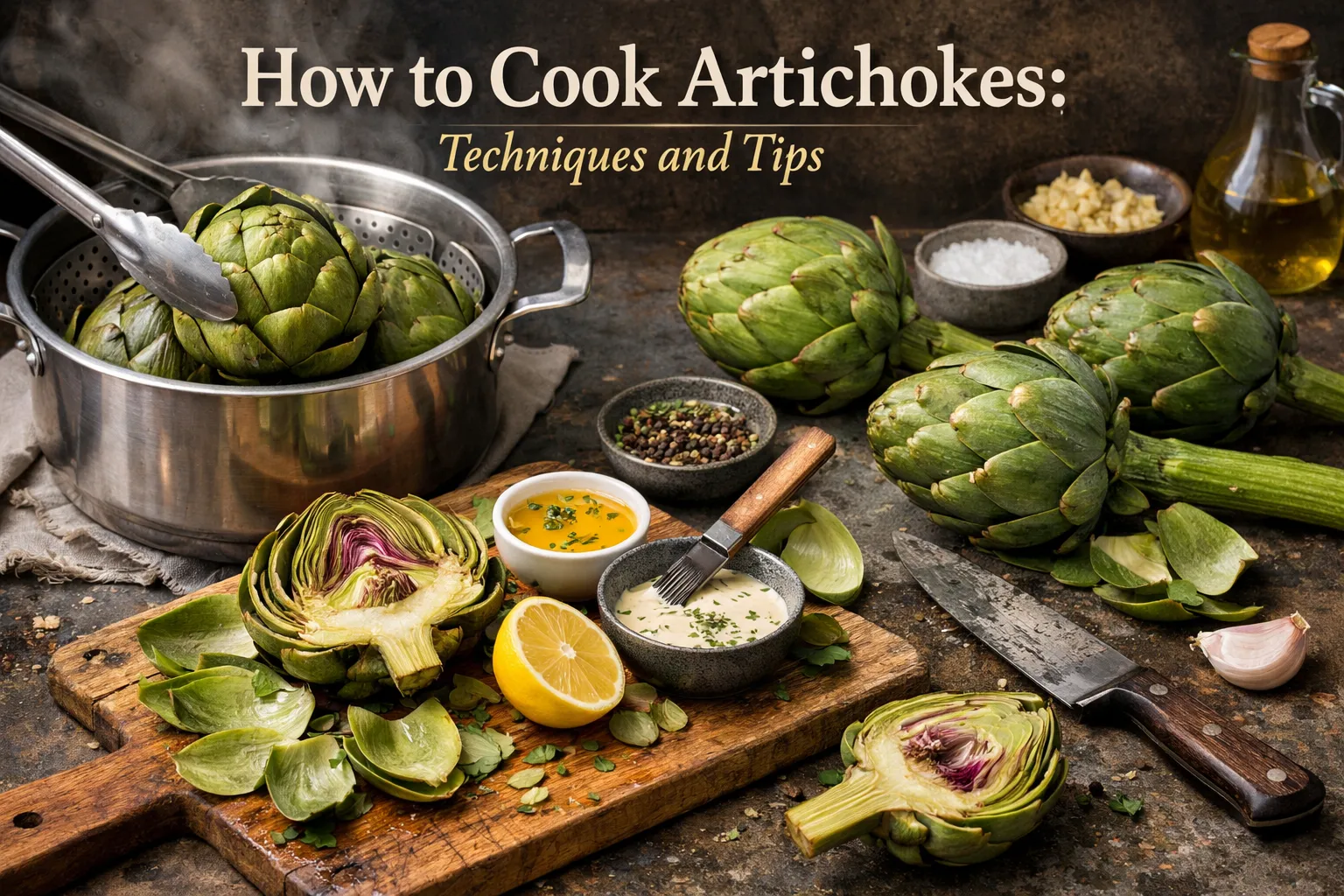

They are as healthy and delicious vegetable like no other. The first time you learn how-to-cook-artichokes, it can be intimidating to look at a pile of those prickly green buds and think that you’re going to do something useful with them. But really figuring out how to prepare artichokes is not only easy but positively fun once you know a few tricks. Here are a few ways to prepare these flavorful vegetables, along with some tips.
Choosing the Right Artichoke
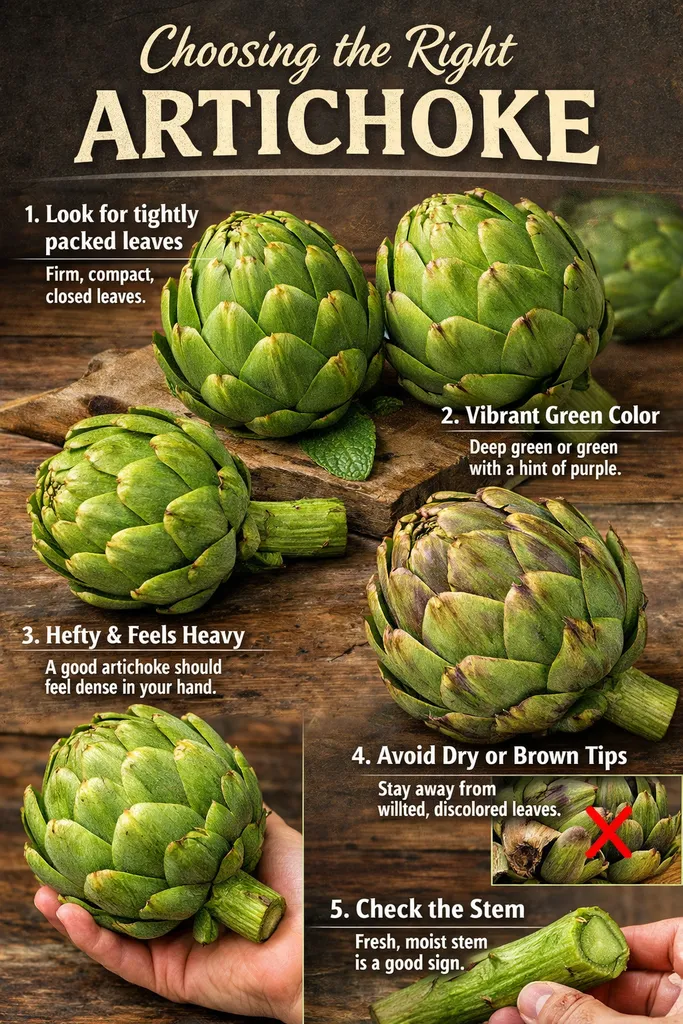
Before cooking artichokes, selecting the right ones is crucial.
- Look for artichokes that are firm and heavy for their size.
- The leaves should be tightly packed and not wilted.
- Choose a vibrant green color, avoiding any with browning or dried-out tips.
Basic Preparation Steps
Cleaning and prepping artichokes takes a few simple steps:
- Rinse the artichokes under cold water to remove any dirt.
- Trim the stem so that the artichoke can stand upright.
- Cut about an inch off the top of the artichoke.
- Remove any small, tough leaves near the base.
- If desired, rub the cut areas with lemon juice to prevent browning.
Cooking Techniques
There are several popular methods for cooking artichokes, each bringing out their unique flavors.
Boiling
Boiling is a straightforward method that keeps artichokes tender and tasty.
- Fill a large pot with enough water to cover the artichokes, adding salt and lemon juice.
- Bring the water to a boil.
- Add the artichokes and reduce the heat to a simmer.
- Cook for 30-45 minutes, depending on their size.
- Artichokes are done when a leaf pulls off easily.
Steaming
Steaming helps preserve the nutrients while enhancing flavor.
- Fill a pot with about 2 inches of water and insert a steamer basket.
- Place the artichokes in the basket, cover, and bring to a boil.
- Steam for 25-40 minutes, checking for doneness.
- Serve with melted butter or dipping sauces.
Baking
Baking artichokes creates a lovely roasted flavor.
- Preheat your oven to 375°F (190°C).
- Cut the artichokes in half and remove the hairy choke from the center.
- Brush with olive oil, sprinkle with salt, and add garlic or herbs if desired.
- Bake on a lined baking sheet for 30-40 minutes, until tender and golden.
Flavor Pairings
Artichokes can be enjoyed with various flavors. Here are some classic pairings:
| Flavor | Pairing |
|---|---|
| Garlic | Olive oil, butter |
| Lemon | Parmesan cheese, herbs |
| Vinaigrette | Mustard, balsamic |
Storage Tips
If you have leftover cooked artichokes, use proper storage methods to keep them fresh. Store in an airtight container in the refrigerator, where they’ll keep for 3-5 days. For extended storage, you can freeze them. Just blanch first, then freeze in a freezer bag.
Get Inspired
Artichokes can be used in a variety of dishes! Throw them into salads, pasta or even on top of pizza. For more artichoke recipe ideas, visit Food Network.
Now that you know how to cook artichokes, it’s time to delight in their rich flavor and health benefits. Try different approaches andor flavor combinations to discover what you love the best. Happy cooking!
The Nutritional Benefits of Artichokes
Artichokes are considered a powerhouse of healthy vegetables. Artichokes are a special thistle vegetable and can provide you with numerous health benefits to help make an amazing addition to your diet. Here, you’ll help yourself to the numerous nutritional benefits that come along with eating a plate of artichokes.
Nutritional Profile
One medium-sized artichoke contains approximately:
| Nutrient | Amount per Artichoke |
|---|---|
| Calories | 60 |
| Carbohydrates | 13g |
| Fiber | 7g |
| Protein | 4g |
| Fat | 0.2g |
| Vitamin C | 15% DV |
| Folate | 24% DV |
| Magnesium | 10% DV |
High in Fiber
Artichokes are among the vegetables highest in fiber. Fiber plays an important role in supporting digestive health. It also regulates bowel movements and champion constipation. Fiber rich diet might also help to maintain a healthy weight by keeping you fuller for longer and more satisfied. Eating fiber-rich foods like artichokes might help lower the risk of heart disease, too.
Rich in Antioxidants
Artichokes rank high in antioxidants, such as vitamin C, quercetin and silymarin. Antioxidants protect our body combating free radicals, which are harmful substances in the cells and reduce oxidative stress leading to lower the risk of chronic diseases including heart disease and cancer. They are good for the complexion too, preventing skin damage.
Supports Liver Health
Artichokes are believed to help liver function. Together, the compounds cynarin and silymarin can cleanse your liver and assist it to detoxify harmful substances effectively. Not only could this functionality help digestive health as well through increased bile production, which aids in digestion.
Good Source of Vitamins and Minerals
In addition to being high in fiber, artichokes are a good source of several vitamins and minerals. This includes:
- Vitamin K: Essential for blood clotting and bone health.
- Folate: Crucial for DNA synthesis and cell production, making it important for pregnant women.
- Magnesium: Plays a role in muscle and nerve function, as well as energy production.
- Potasium: Helps regulate blood pressure levels.
Heart Health Benefits
Yet, if anyone can help manage our cholesterol levels through the consumption of fibrous and antioxidant-rich artichokes? Research indicates that artichoke extract may lower total and LDL (bad) cholesterol levels, contributing to a healthier cardiovascular system.
Potential Weight Loss Aid
Artichokes can be your friend if you’re trying to watch your weight. They are low in calories but high in fiber which makes them very filling. add artichokes to the foods you eat to ensure an adequate caloric intake while still enjoying flavorful cuisine.
How to Incorporate Artichokes into Your Diet
Artichokes can be enjoyed in various ways, whether cooked, marinated, or even grilled. Here are some ideas:
- Add steamed artichoke hearts to salads for extra fiber and nutrients.
- Blend artichokes into dips like hummus for a nutritious snack.
- Roast them with garlic and olive oil for a tasty side dish.
The health benefits of artichokes are truly bountiful in developing your general wellness. They are well-balanced dietary staple that you can use in a variety of different ways because of their unique flavor. For more information on the nutritional benefits of artichokes, visit Healthline and WebMD.
Exploring Different Varieties of Artichokes
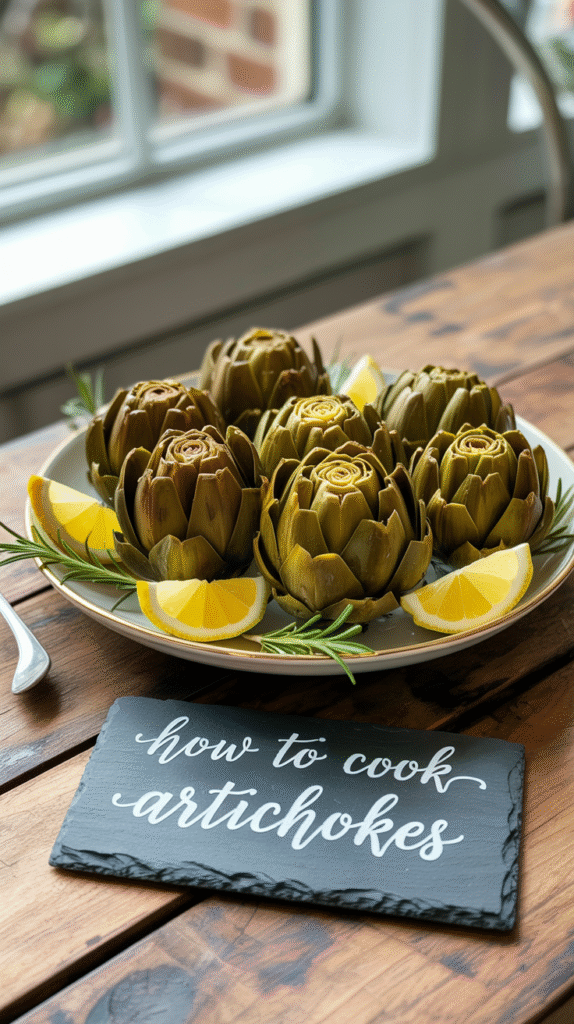
Artichokes are unique vegetables, not just because of how they look but also the variety of flavors and textures they provide. There can be quite a variety when it comes to artichokes, so let’s break down what your choices are. These varieties come with very different anatomical features, knowing that can be helpful in making sure you buy the perfect artichoke to use for your dish.
Green Globe Artichoke
The Green Globe artichoke is probably the most famous variety. It has an attractive rounded shape and compact, plump buds. This variety has a more robust flavor and a meatier texture, which makes it well suited for grilling or steaming. Unlike the mostly tough-to-barely-annoying texture of salad greens, cooked leaves have a tenderness that adds to the eating experience.
Jerusalem Artichoke
Yes, the Jerusalem artichoke is not an actual artichoke. It is, however, a type of sunflower. This type has a sweet, nutty flavor and is commonly used in soups and salads. Jerusalem artichokes can be roasted, pureed and eaten raw — so they’re versatile in the kitchen.
Baby Artichokes
Baby artichokes are just younger versions of the standard artichoke. They have fewer fibrous leaves and a finer flavor. Baby artichokes are fantastic sautéed or in pasta. Their diminutive size suits them for appetizers or as a side.
Violetto Artichoke
Some artichokes like the Violetto variety even have unique purple color. This Italian type has somewhat sweet flavor and tender leaves. It’s especially well-suited for braising or roasting, which allows its natural sweetness to shine.
Spanish Artichoke
Described as Alcachofa that is typically a Spanish artichoke, it is widely used in Mediterranean cuisine. It has a bigger bud and a flavor that is nutty with some mild bitterness. This was used most often in traditional Spanish preparations, such as paella, or simply grilled.
How to Choose the Best Artichoke
When selecting artichokes, consider the following tips to ensure you choose the best one:
- Look for tight, compact buds with no signs of browning or wilting.
- Choose artichokes that feel heavy for their size.
- Shake the artichoke gently; you should hear the leaves rattle inside if it’s fresh.
- Avoid any artichokes with loose or spread leaves, as they may be past their prime.
Cooking Tips for Different Varieties
Cooking artichokes can vary based on the type. Here are some suggestions to consider:
| Artichoke Type | Best Cooking Method |
|---|---|
| Green Globe | Steaming, grilling, or roasting |
| Jerusalem | Roasting, pureeing, or eating raw |
| Baby Artichokes | Sautéing, steaming, or braising |
| Violetto | Braising or roasting |
| Spanish | Grilling or adding to stews |
Artichokes can complement so many dishes. With their variety of flavors and textures, they make you creative in the kitchen. For a deeper dive into artichokes and their uses, head to Artichoke. org to find additional recipes and advice.
Adding different kinds of artichokes to your diet not only can make your dishes fancy, but also have various health benefits. Full of antioxidants and fiber, they make an excellent addition to anyone looking to eat healthfully.
Now armed with this knowledge of various artichoke types, you can start experimenting in your kitchen. From the classic Green Globe artichokes to nutty Jerusalem varieties, each brings something different to your dishes. So break out your ingredients and start getting to know that beautiful green vegetable known as an artichoke!
Artichokes in Global Cuisine: Recipes and Traditions
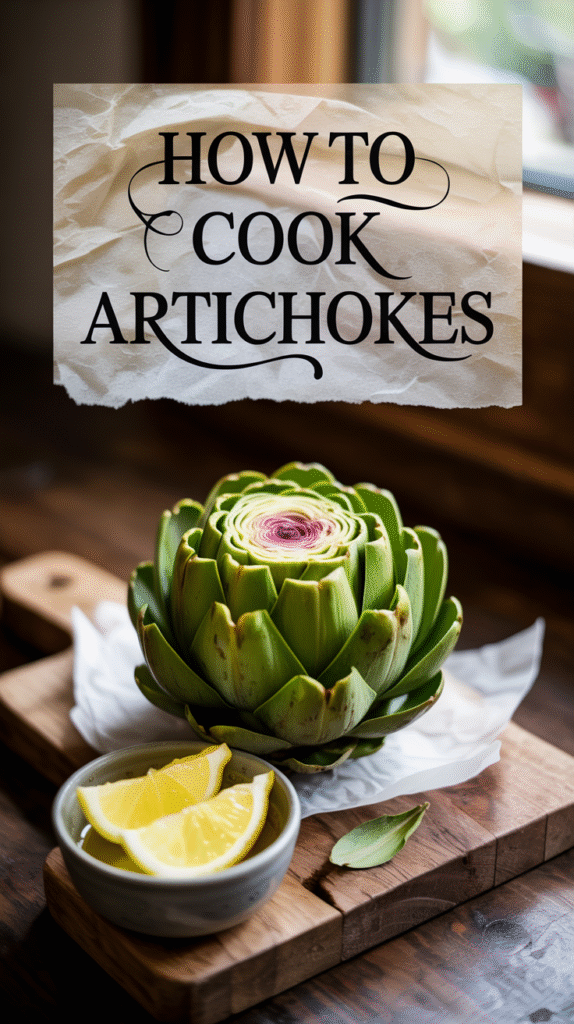
Nothing pairs better with scrumptious dishes than the delicious vegetable, artichokes- one of the main ingredients used in several cuisines across the globe. The thistle that produces this delightful vegetable finds its way into so many proteins and other dishes around the world, which likely says something about the terrain it’s grown in and what it means to make sure communities are well fed. We’ll also look at how artichokes are used around the world, including some unique recipes and traditions.
Artichokes in Mediterranean Cuisine
In Mediterranean countries such as Italy, Spain and France, artichokes are a favorite delicacy. Eaten as appetizers and main courses, they are revered in their many forms.
- Bruschetta with Artichokes: In Italy, you may find bruschetta topped with diced artichokes, olive oil, garlic, and fresh parsley, making for a flavorful starter.
- Spanish Artichoke Stew: Spanish cuisine features artichokes in hearty stews, often prepared with tomatoes, onions, and various spices. This dish highlights the versatility of artichokes as a hearty ingredient.
- French Artichoke Salad: In France, a traditional salad may consist of steamed artichoke hearts tossed with vinaigrette, making a refreshing dish perfect for warm weather.
Artichokes in Middle Eastern Cuisine
In Middle Eastern cooking, artichokes are commonly found in dishes that reflect a blend of spices and flavors.
- Stuffed Artichokes: This dish features artichoke hearts stuffed with a mixture of rice, herbs, and ground meat, then simmered in a flavorful broth. It’s a popular dish throughout the region.
- Artichoke and Lemon Tagine: In North African cuisine, artichokes are featured in tagines, a slow-cooked stew that combines saffron, lemon, and various vegetables for a tantalizing meal.
Artichokes in Asian Cuisine
While artichokes aren’t as prevalent in traditional Asian cooking, they have found their way into fusion dishes.
- Artichoke Stir-Fry: In contemporary Asian cuisine, artichokes can be found in stir-fries, where they are sautéed with soy sauce, ginger, and various vegetables, showcasing the vegetable’s adaptability.
- Artichoke Dumplings: Some innovative chefs have even created dumplings stuffed with artichokes and infused with traditional spices, offering a unique twist on the classic dumpling.
Health Benefits of Artichokes
Dreaming about all the delicious artichoke dishes to be eaten at these festivals while promoting local culture and agricultural activities! Visits can savor artichoke-inspired meals, take part in cook-offs and learn more about the versatile vegetable.
- Artichokes are known to aid digestion due to their high fiber content.
- They are a good source of Vitamin C, which supports immune health.
- The antioxidants found in artichokes help combat oxidative stress and may reduce the risk of chronic diseases.
Artichoke Festivals Around the World
In addition to recipes, several regions celebrate artichokes through festivals. Here are a few notable events:
| Festival | Location | Date |
|---|---|---|
| Castroville Artichoke Festival | California, USA | May |
| Artichoke Festival | Bracciano, Italy | April |
| Festival de la Alcachofa | San Pedro del Pinatar, Spain | February |
With their rising popularity, artichokes have broken through traditional boundaries and are embraced in the modern culinary world around the globe. If you’re looking to make delicious recipes using artichokes or have interest in their cultural significance, there are many resources available. Food Network is a good option for recipes that stretch the boundaries, while Epicurious has great tips and techniques for cooking.
Artichokes aren’t simply a vegetable; they’re also an embodiment of rich culinary traditions around the world. Partaking of these dishes not only satisfies the palate but also deepens your appreciation for how this unique globe is exalted around the world, in myriad ways.
Cooking artichokes is an exercise in rewarding tedium, but the process can feel unforgiving and riddled with pitfalls. Here are some common traps to avoid when cooking artichokes:
Common Mistakes to Avoid When Cooking Artichokes
Skip Similar to beans, not all artichokes are created equal. Make sure to use fresh, vibrant artichokes. Seek ones with tightly closed leaves and a bright green color. Steer clear of artichokes with brown spots or wilted leaves; they may have been on the shelf too long.
Using the Wrong Type of Artichoke
Always wash your artichokes well before cooking. Wash them by rinsing under cold water to get rid of any dirt. For a more thorough wash, gently open the leaves and rinse inside to remove any hidden bits of grit. That way you won’t get any unwelcome textures in your dishes.
Not Cleaning Artichokes Properly
The artichokes need to be well seasoned while you are cooking them. Artichokes have the potential to be a bit dull if they aren’t seasoned correctly. Seasalt and lemon juice with herbs for flavor infusion. The taste can also be greatly enhanced by a simple mix of garlic and olive oil. Or you can steam them with broth for an extra kick!
Trimming Incorrectly
Many people overlook the importance of trimming artichokes before cooking. Here’s how to do it correctly:
- Use a sharp knife to cut about an inch off the top of the artichoke.
- Remove the small, tough leaves at the base.
- If desired, you can also trim down the stem to make it easier to fit in your cooking vessel.
Proper trimming helps to improve cooking time and ensures you get to the tender hearts of the artichoke.
Failing to Add Flavor
Getting the cooking time right is key. Overcooked, artichokes become mushy and bland; undercooked, they’re tough and unpleasant. Here’s a quick guide:
Overcooking or Undercooking
When you cook artichokes, particularly if you boil or steam them, your water is going to become infused with flavor from the artichokes. This tasty broth can be used as a base for soups or sauces. Don’t throw it out! Get creative with it and incorporate it into your next dish. Just don’t forget to strain it of any debris.
| Method | Cooking Time |
|---|---|
| Steaming | 30-40 minutes |
| Boiling | 20-30 minutes |
| Baking | 45-60 minutes |
Testing for doneness is straightforward: the leaves should pull away easily, and the meat should be nearly tender.
Ignoring the Cooking Water
The right dipping sauce can take your artichokes to the next level. Creamy sauces, such as aioli or lemon butter, elevate the earthiness nicely. But skip sauces that are overly sharp or spicy — they’ll overtake the lovely, mild taste of artichoke. Play around and combine things, but keep it clean.
Using Dipping Sauces That Clash
So many cooks use the leaves of the artichoke and overlook its inner heart, which is often one of an artichoke’s most tender delicious parts. Once you’ve worked through the leaves, don’t let the heart go to waste. It’s the prize at the base of the choke. It is a luxury you should use sparingly, however.
Not Considering the Inner Heart
Never forget to do a cooking test regarding its doneness. If you are boiling, just pluck a leaf and see if it comes off easily. “With steaming, you can take a fork and poke your heart and see if it’s tender. Listen to your instincts about flavor and don’t be afraid to taste. It may prevent you from being disappointed.
Skipping the Cooking Test
Artichokes are notoriously scary to cook, but it gets easier with practice and all you need is attention! See more tips and recipes at Artichokes. org and take your artichoke cooking skills to the next level!
If you plan to make a family meal or a dinner party, these tips to cook artichokes without the common mistakes can save your cooking from disaster. Have fun with the experience of preparing these rare vegetables!
A method of cooking artichokes is a gratifying culinary endeavor offering not just a delicious meal, but numerous health benefits. With the right cooking techniques and tips, you can make this unusual vegetable a starring part of your meals. But no matter how you steam, boil or grill your artichokes, each method exposes their tender, tasty heart and fragile leaves.
Conclusion
Tasting different styles can help open your palate and expose it to the distinct flavors that each brings. With varieties from the big and hearty Globe artichoke to sweet, tender Baby artichokes, every one has something special to bring to your table. And artichokes in international recipes begs to ask: What else could be done with the plant, allowing you to explore culinary traditions from dozens of cultures?
But like any ingredient, there are common cooking pitfalls to avoid. Learning how to properly clean, trim and cook artichokes will save you from disappointment and ensure that your efforts pay off in deliciousness.
Understanding how to make artichokes and the versatility they offer you is a great way to eat them wild and gain their health benefits. Whether you’re serving them as a side, tossing in a salad or making a main dish out of them, artichokes will surely amaze your family and friends. So, get a couple of artichokes and go crazy — thereis a whole world of flavor in front of you!
By embracing the versatility of artichokes and learning how to prepare them correctly, you can enjoy their health benefits and unique flavors. Whether you’re serving them as a side, adding them to a salad, or creating a main dish, artichokes are sure to impress your family and friends. So, grab a few artichokes and start experimenting – there’s a whole world of flavor waiting for you to discover!