

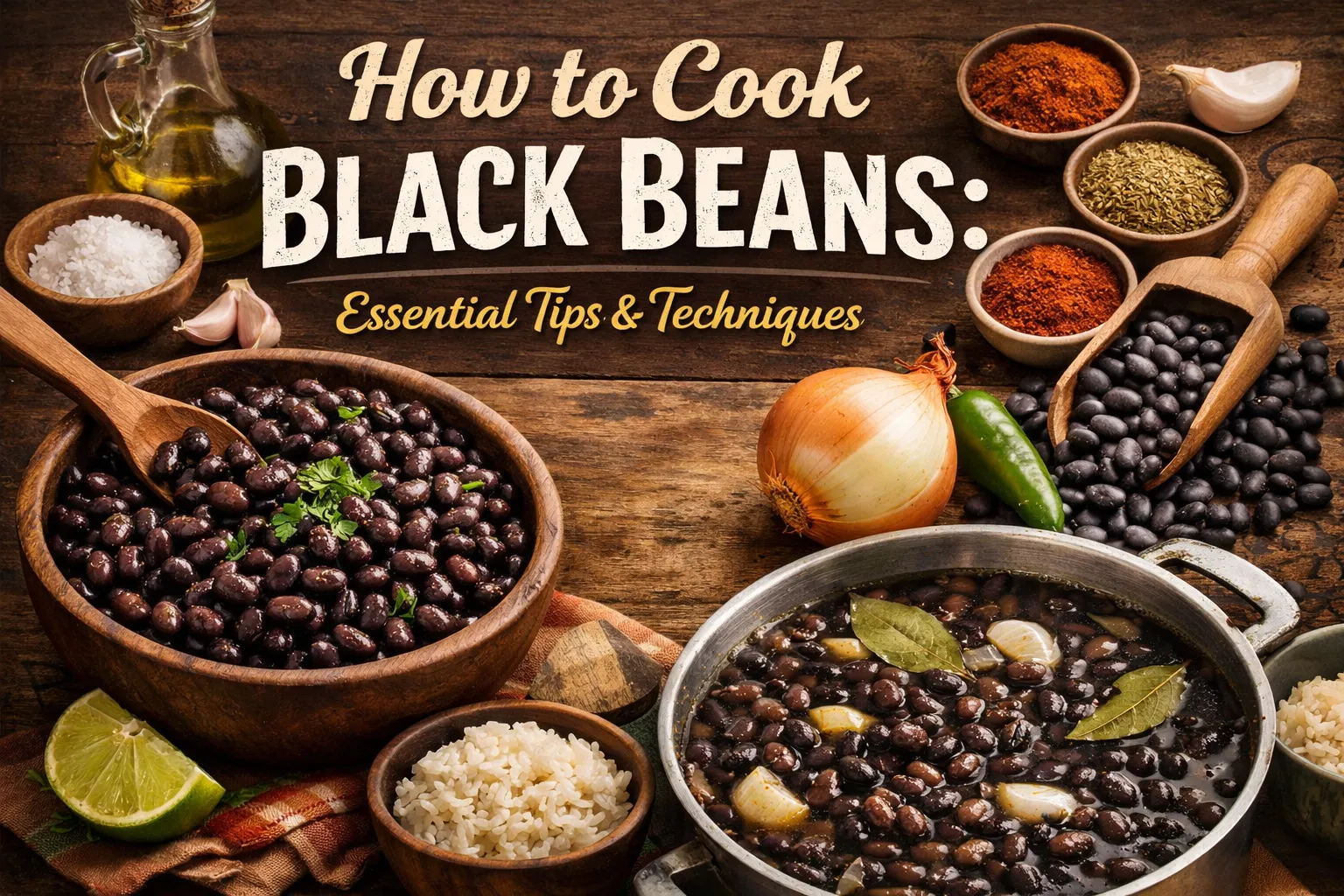

Incorporated black beans in a wide ethical, nutritionist and delicious way. Making black beans at home is gratifying, and lets you control for flavors and textures. If you’re preparing them for a great bean salad, a hearty chili or a savory bean dip, knowing how to cook black beans perfectly will elevate your dishes. Here’s everything you need to do to successfully cook black beans.
Choosing the Right Beans
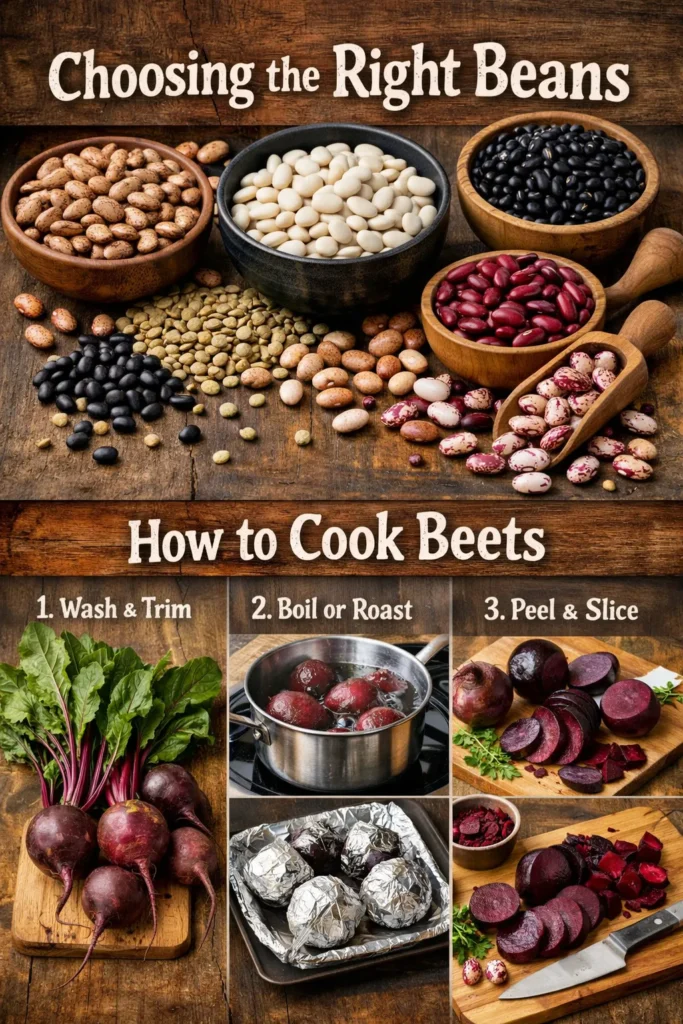
Begin with superior dry black beans. Buy beans that look shiny and plump, not cracked or shriveled. For freshness, it is advisable to buy from a reputable source.
Soaking Black Beans
Soaking beans can cut cooking time drastically and lead to a nicer texture. There are two methods for soaking, one of which is:
Overnight soak: Combine the beans in a bowl, add water to cover and let sit for 8-12 hours. This technique is fantastic for cooking slowly and evenly.
Quick soak: Place the beans in a pot, cover with water and bring to boil. Boil them for about 2 minutes, take off heat, cover and let them sit for 1 hour. This method is quicker, but produces beans that are a little less tender.
Cooking Black Beans
- Soaked, it’s time to cook your black beans. Here are the guidelines to follow for best results:
- Rinse: Transfer the soaked beans to a colander and rinse with cold water. This helps to get rid of impurities and any excess sodium if you’ve added salt while soaking.
- Add to a pot: Transfer the rinsed beans to a large pot and cover them with fresh water. Use roughly 3 cups of water for each cup of soaked beans.
- Enhance: Adding aromatics like onion, garlic, bay leaves or spices for flavor. You can personalize it as you like.
- Cook: Add the pot to a boil and then lower to a gentle simmer. Cover and cook for about 1 to 1.5 hours or until the beans are tender. Watch now and add more water as needed to keep the beans covered.
- Season: Salt the beans toward the end of cooking. Salt added too soon can toughen the beans.
Canned Black Beans Alternative
If you don’t have time to soak or cook dry beans, canned black beans will work just as well. When using canned beans:
Rinse them in cold water to flush out excess sodium.
Warm them in a pot with some spices or aromatics or broth, simmering anywhere from 10 to 15 minutes for flavor.
Storing Cooked Black Beans
With proper storage, you can enjoy cooked black beans later. Once the beans have been cooked, allow to cool completely. Afterward, place them in an airtight container. Cooked black beans keep in the fridge for 5 days, and can remain frozen for 3 months.
- Fun and Different Recipes Featuring Black Beans
- Now that you have a black bean recipe, here are great ways to use them in your meals:
- Tacos with black beans topped with fresh avocado and salsa.
- Spicy black bean chili with peppers and spices
- Black bean salad with corn, tomatoes and cilantro.
Black bean dip, with tortilla chips.
For more black bean recipes and cooking inspiration, check out: Love and Lemons and Cookie and Kate.
Combining this techniques and tips you’ll be on your way to mastered the art of cooking black beans. Have fun cooking delicious and healthy recipes that your loved ones will enjoy!
Black Bean in Your Diet: The Nutritional Benefits
One of the most common ingredients used in many diets worldwide, black beans not only adds an extra layer of deliciousness to your dish but also provide plenty of nutritional benefits. Packed with lots of nutrients, these legumes can definitely light up your meals. Let us look at all the health benefits, and nutritional values of black beans, which can take your diet to another level.
Nutritional Profile of Black Beans
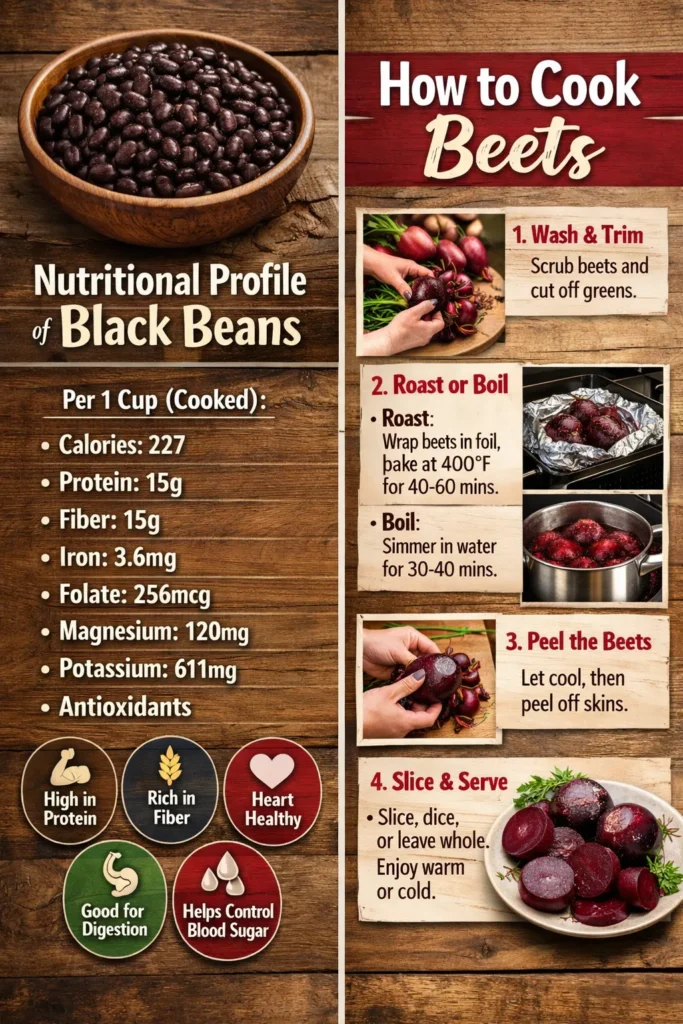
NutrientAmount per 1 cup (cooked)Calories227Protein15. 24 gramsCarbohydrates40. 36 gramsFiber13. 56 gramsFat0. 9 gramsIron3. 61 mgFolate256 mcg
Adding black beans to your diet introduces a health food powerhouse. Since they are very high in protein, they are another great meat alternative (especially for vegetarians and vegans). Its high fiber content helps with digestion, and also has the potential to keep you fuller for longer in order to help maintain a healthy weight.
Health Benefits
Black beans have several health benefits that can improve your overall health. Here are some key advantages:
Heart Health: Black beans are low in saturated fat and high in fiber, which is able to decrease cholesterol levels. Their levels of potassium are high enough that they help regulate blood pressure.
Weight Control: Black beans can also help you manage your weight as they are high in fiber and protein, which frame you full so that you do not continue eating. these beans can help with weight loss plans.
Managing Blood Sugar: The low glycemic index of black beans helps keep blood sugar steady, making them a wise choice for those with diabetes.
Digestive health: Black beans offer nearly 14 grams of fiber per cup, helping your digestive system stay healthy by keeping you regular and preventing constipation.
Bone Health: Bone consists of minerals like calcium, magnesium and phosphorus that are abundant in them.
How to Add Black Beans to Your Diet
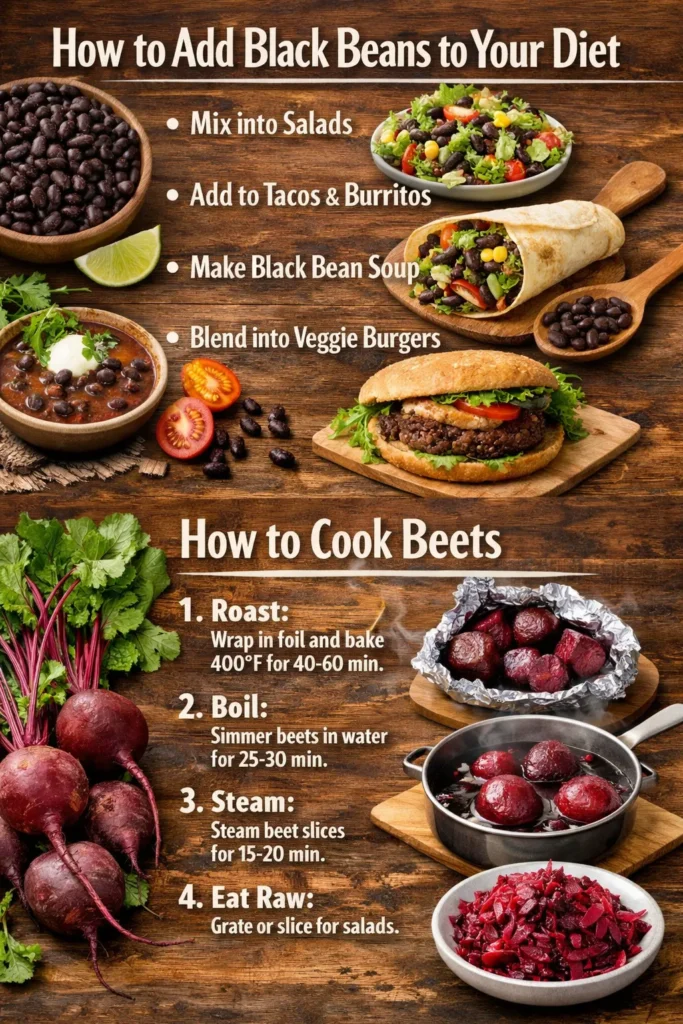
- Black beans are easy to incorporate into your meals and versatile. A few tasty ideas include:
- Salads: Add black beans to your salads for both protein and texture. They’re great with corn, avocado and an electric lime dressing.
- Tacos: Use black beans instead for a filling topped with fresh vegetables and salsa for healthy tacos.
- Soups: Add black beans to soup or stew for flavor and nutrition. They can serve as a robust base for vegetarian chili.
- Rice Dishes: Pair brown rice or quinoa with black beans to create a complete protein source that comes together easily and is perfect for satisfying miss this hearty meal.
- Spreads: Puree cooked black beans with spices to serve as a healthful dip or spread for crackers and bread.
- You can also select for either canned black beans, which are convenient, or dried beans that you would soak and cook fresh. If you opt for dried beans, soak them ahead to cut cooking time and increase digestibility.
- For more on the health benefits of black beans and tasty recipes, visit Healthline or Eat Right.
- Adding black beans to your diet is an easy step in boosting your nutrition and health. Black beans can easily become a pantry staple with their rich flavor, versatility and numerous health benefits. Make sure to try them out in a variety of dishes and enjoy the wide health benefits they have to offer!
Cooking with Black Beans from Around the World
People eat black beans all over the world. Their full flavor and creamy texture not only enhances dishes but also adds a punch of nutrition. Now, let’s take a look at some of the cuisines where black beans reign supreme and how they use this legume.
Latin American Cuisine
One of the most widely recognized uses for black beans is in Latin American cooking. In Mexico, Brazil and Cuba, for example, black beans star in a variety of traditional foods. Here are a few key dishes:
Frijoles Negros : Black beans are also simmered with garlic, onions and spices in Mexico, served as a side dish or filling tacos and burritos.
Feijoada: A Brazilian stew of black beans and mixed cuts. Traditionally served with rice and orange wedges, it’s a hearty meal that’s popular everywhere in the country.
Moros y Cristianos: Another Cuban classic, black beans are cooked with white rice. The name translates as “Moors and Christians,” a nod to cultures that once coexisted.
Caribbean Cuisine
In the Caribbean, black beans are often deployed in savory stews and rice dishes. A popular dish in Jamaica is:
Rice and Peas: Despite the name, this dish typically uses black beans, cooked with coconut milk, thyme and spices for an aromatic and filling dish.
Black beans are also used frequently in Puerto Rican cuisine, from bean soup to rice sides.
Southern United States Cuisine
There is a very Southern version of black beans. Though kidney beans may attract more attention, black beans still contribute to local favorites:
Black Bean Chili: This healthy twist on traditional chili blends ground meat with black beans, tomatoes and a variety of spices.
Black bean cornbread, another dish common in Southern kitchens, combines both of them into a hearty side.
Asian Cuisine
Visit the section on Asian cuisine, and you see that black beans as they exist in China (for instance) can indeed be a different beast. Douchi (fermented black beans) are used in many stir-fries, contributing a unique umami profile. Dishes include:
Black Bean Chicken: Stir-fried tender chicken, with fermented black beans and vegetables.
Fish with Black Bean Sauce: Steamed or fried fish is frequently blanketed with a savory black bean sauce, which adds a deep umami note to the dish.
Middle Eastern Cuisine
You’ll find black beans in Middle Eastern cooking, too, where they may play a role in salads and spreads. Dishes such as:
Fattoush Salad: This classic salad is sometimes made using black beans for added protein and texture.
Spicy bean dip: A mash of black beans with spices that is pretty easy and a great appetizer, typically served warm with pita.
Nutritional Benefits
In addition to their diverse culinary uses, black beans are also nutritionally dense. Another thing worth mentioning is that even a small serving will give you:
| Nutrient | Health Benefits |
|---|---|
| Protein | Supports muscle repair and growth |
| Fiber | Promotes digestive health and regularity |
| Iron | Boosts red blood cell production |
| Folic Acid | Supports healthy cell growth and development |
| Antioxidants | Protects cells from damage and promotes wellness |
Adding black beans to your meals can please your palate and nourish you, showcasing the versatility of this underrated ingredient.
Mistakes When Cooking Black Beans and How to Avoid Them
One of the staple foods in your meal prep diet is black beans. But there are pitfalls that many people fall into that keep them from getting it just right. Below are the biggest mistakes to avoid when cooking black beans, along with tips to make sure you fully enjoy their rich flavor and texture.
Skipping the Soaking Process
Ignoring the soaking step is one of the biggest mistakes. Soaking the black beans also cuts down on cooking time and ensures a more uniform texture. If you skip this step, particularly if using dried beans, tough or unsuitably cooked beans could result.
- To soak your beans, simply:
- Put the beans in a large bowl and add three times their volume of water.
- (leaving them to soak for at least 6 hours or overnight is best).
- Drain and rinse before cooking.
- Not Using Enough Water
If you are battling common mistakes, another one is not to boil it in a lot of water. Beans take up a lot of liquid, and so without enough water added they can dry out and scorch.
A general rule is to use roughly 3 cups of water for each cup dry black beans. If you see it evaporating too quickly during cooking, add more water.
Cooking At A Temperature That Is Too High
Soaking and cooking black beans at high temperatures causes uneven cooking and mushiness. The cooking does begin at medium heat once the beans reach a simmer.
Turn the heat down and let the beans simmer. This allows them to keep their shape and become tender at the same time. You want to aim for a simmer, not a rolling boil, which can shred the beans.
Add Salt Too Early
In fact, countless cooks add salt too early. Salt can toughen the beans’ skins if it’s added too early, leading to a chewier texture.
To prevent this problem, add salt closer to the end of cooking. When the beans are just tenderness, taste and season to your liking.
Neglecting Flavor Enhancements
- Without the right seasonings, black beans can be extremely bland. Don’t be afraid to amp up the flavor! You could add:
- Onions and garlic for flavor building.
- Bay leaves or cumin for aromatic depth.
- Herbs, like cilantro for bursts of freshness.
- You can make a sofrito or sautéed vegetable mix, to improve the overall taste of your beans.
Using Old Beans
Old beans can also take longer to cook and may not soften well. Always look at the expiration date on the package. Beans that are old might take forever and ever to soften, no matter how long you cook them.
To get the best results, buy high quality beans from a reputable source. If you have an old bag of beans lying around the pantry, test one before cooking a whole pot.
Overcooking or Undercooking
- It can be hard to find the perfect cooking time. Undercooking produces beans that are hard while overcooking can turn them into a mushy mass. To achieve the right texture:
- Taste the beans for doneness periodically as you cook.
- Time the beans, but make allowances for your cooking method and the age of the beans.
Not Storing Beans Properly
If you’re cooking a big batch of black beans, fridge storage will make all the difference for leftovers. Spoilage can occur due to improper storage. Here’s how to store them:
Let the beans cool completely before placing them in the refrigerator.
Keep them in an airtight container in the refrigerator for up to 5 days.
For longer storage, freeze them by the portion. These can be kept in the freezer for as long as 6 months.
When serving black beans, you want to make sure that you won’t have to learn the hard way so avoid these common mistakes. For more specific tips and recipes, head to Food Network and Love and Lemons to find culinary creativity galore.
Recipe Ideas: 10 Creative Ways to Cook with Black Beans
Black beans are not only healthy, but they’re also so versatile in the kitchen. Black beans can shine in a range of recipes, whether you want to add some protein to your dishes, explore vegetarian options or just enjoy the depth of flavor. Below, some inspired recipes with black beans taking center stage.
Black Bean Tacos
Black beans also make great tacos. They are simple to make and full of flavor. Here’s what you’ll need for a tasty black bean taco:
- 1 can black beans, rinsed and drained
- 1 teaspoon cumin
- 1 tablespoon olive oil
- Soft or hard taco shells
Avocado, salsa, cheese and lettuce toppings
To prepare, heat the olive oil in a pan and, when hot, add the beans and cumin, stirring until warmed through. Stuff your taco shells with the spiced beans and your favorite toppings. It’s a quick meal, satisfying and great for weeknight dinner!
Black Bean Soup
Black bean soup is a hearty, comforting meal. Here’s a simple recipe:
- 2 cans of black beans
- 4 cups vegetable broth
- 1 onion, diced
- 2 cloves garlic, minced
- 1 teaspoon chili powder
- 1 bell pepper, diced
Braising for hours turns a great pot roast into an even better one. Stir in the bell pepper and cook for a few more minutes. Add the black beans, broth and chili powder, stirring to combine. Bring to the boil then turn down and simmer for 20 minutes. Purée until smooth or leave it chunky and rustic.
Black Bean Burgers
So, try these homemade black bean burgers for a tasty veggie-friendly feast. Here’s how:
- 1 can black beans, drained and mashed
- 1/2 cup breadcrumbs
- 1 egg
- 1/2 onion, diced
- 1 teaspoon cumin
Combine all ingredients in a bowl. Shape into patties and grill or fry until golden. Serve with lettuce, tomato and your favorite burger toppings. Delicious and a healthy protein-packed option!
Black Bean Salad
Refreshing black bean salad makes a side dish or light meal. For this salad, gather:
- 1 can black beans, rinsed
- 1 cup corn
- 1 bell pepper, diced
- 1/4 cup red onion, chopped
- 1/4 cup cilantro, chopped
- 1 lime, juiced
In a bowl, combine all ingredients and toss well. This beans-and-vegetables dish is balanced by a tangy lime dressing. This salad is wholesome, colorful, and can be made a day in advance!
Black Bean Quesadillas
Quesadillas are also a good way to work black beans into your food. Here’s a simple version:
- 1 can black beans, drained
- 1 cup shredded cheese
- Flour tortillas
Salsa for dipping
Spread the black beans and cheese over a tortilla, top with another tortilla and grill on both sides until golden. Cut into wedges; serve with salsa for dipping. This is such a great snack or appetizer!
Black Bean Brownies
And black beans can actually be used in desserts, surprisingly. Black Bean Brownies — A healthful dark chocolate indulgence You will also need the following for these brownies:
- 1 can black beans, drained and rinsed
- 1/2 cup cocoa powder
- 1/2 cup honey or maple syrup
- 1 teaspoon vanilla extract
- 2 eggs
Instructions–First, set your oven to a temperature of 350°F (or175°C). Purée all ingredients until smooth, then pour into a pan and bake for roughly 25 minutes. Your friends will be blown away by how delicious and fudgy these brownies are!
For more on cooking with black beans, to AllRecipes or Food Network. Black beans are a great ingredient, and one that can add terrific diversity to your meals. So, give them a try! You will not only love the taste but also do your body a great service.
Conclusion
Cooking black beans are a fun and rewarding way to practice cooking, while also providing many health benefits as the beans hemn provide high nutritional value. With a few age-old tips and tricks, you can take this adaptable ingredient to the next level at home. Whether used in traditional Latin recipes or new fusion dishes, black beans provide a base that’s full of flavor and hearty texture.
Steering clear of common mistakes, like soaking them too long or cooking them too much, ensures your beans are always made right from batch to batch. Whether you’re making a zesty black bean salsa, a comforting soup or a savory veggie burger, you’ll be producing delightful meals that use black beans as the star ingredient. Black beans are one of the ingredients which can have open-ended creativity.
Making black beans a staple of your diet not only adds variety to meals but also helps facilitate better health. They are loaded with fiber and provide all the protein you need to feel satisfied. And so, experiment with black beans with your next culinary effort. Armed with all of the tips and recipe ideas at your disposal, you’ll discover that these humble legumes can revolutionize your dishes and tease your taste buds. Happy cooking!