

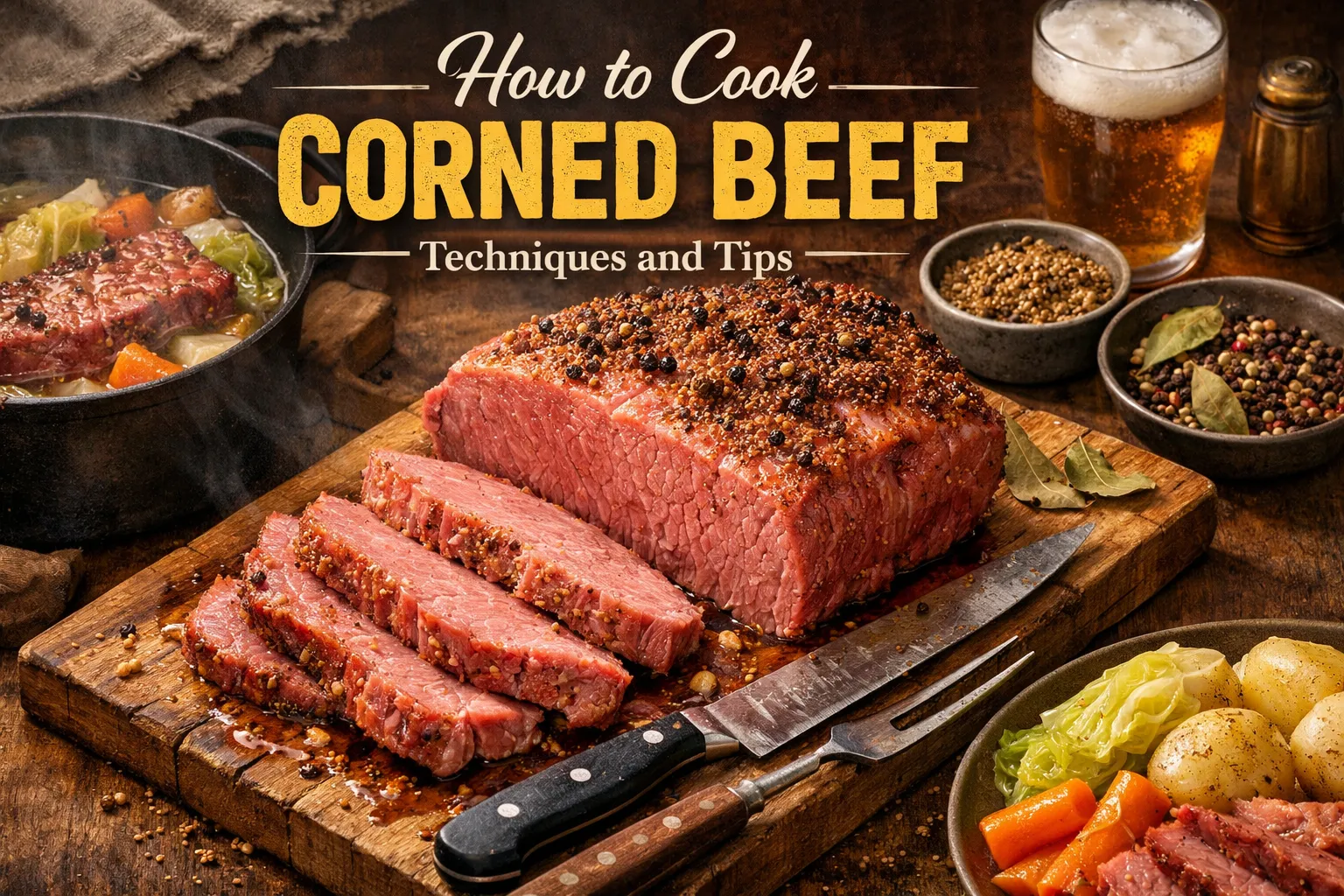

Corned beef is a great comfort dish that many people love, particularly during certain holidays like St. Patrick’s Day. Whether you’re making it for a holiday party or simply a cozy meal at home, there are tricks to cooking corned beef just right. Here, How to Cook Corned Beef are the techniques and tips that will help you in preparing a delicious, corned beef meal.
How to Select the Right Cut of Corned Beef
- When it comes to choosing the right cut. It usually uses the point cut of a brisket. You can buy point cut or flat cut:
- Point Cut: This part is fattier and usually more flavorful, good for slow cooking.
- Flat Cut: More lean and easier to slice, so if you plan on using some of the beef for sandwiches, this is the cut for you.
Cooking Methods: Explore Your Options
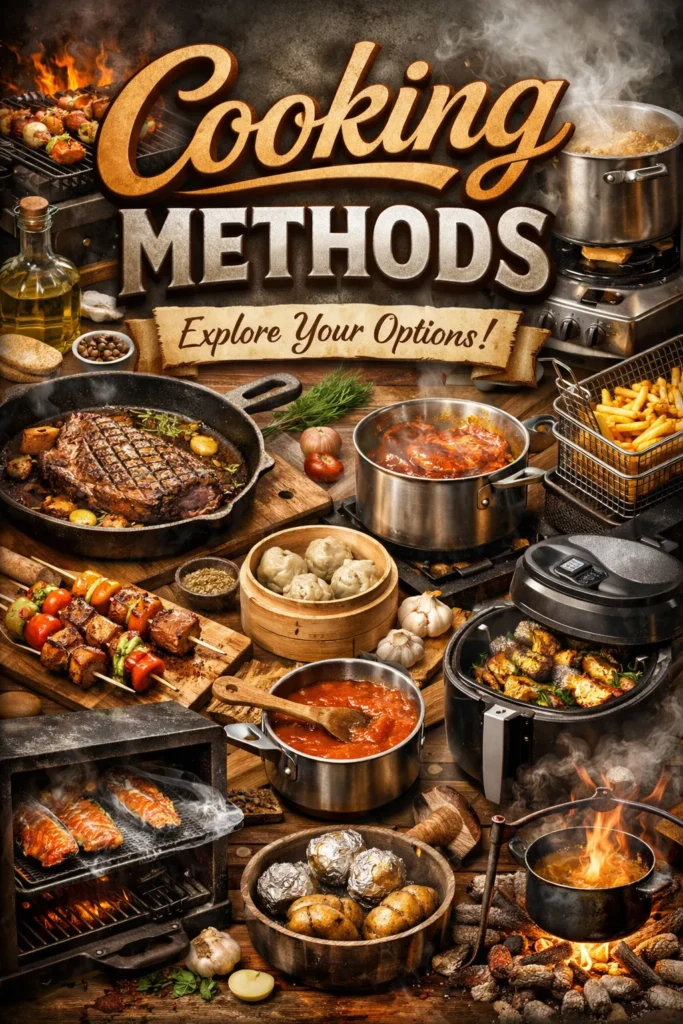
There are plenty of ways to prepare corned beef and each way gives a unique texture and taste.
Boiling
- This is the traditional method of cooking corned beef: boiling. This method is straightforward and results in tender meat.
- Put the corned beef in a large pot. Submerge in water, ensuring that the meat is entirely covered.
- Mix in the seasoning packet that usually comes with the beef. Use This One Simple Recipe: You can also throw in extra ingredients, such as garlic and bay leaves for flavor.
- Place the water over high heat and bring it to a boil, then reduce it to a simmer. Cover and cook for 2½ to 3 hours, or until the meat is fork-tender.
Slow Cooking
- If you’d like to set it and forget it, the slow cooker is your BFF.
- Put the corned beef in the slow cooker and add the seasoning packet, plus some extra vegetables like carrots and potatoes.
- Add only enough water or broth to cover the meat.
- Cook either on low for 8-10 hours or on high for 4-5 hours, depending on the time you have available.
Oven Roasting
- Oven roasting is great for a crunchy exterior.
- You need to preheat the oven at 300 degrees F (150 degrees C).
- Put the corned beef in a roasting pan and cover it with foil.
- Roast for about 3 hours. Remove the cover on the pan for a final 30 minutes to create a lovely crust.
Pressure Cooking
- Using a pressure cooker can shorten the time spent cooking while keeping the meat juicy and tender.
- Put the corned beef, seasoning and a cup of liquid in the pressure cooker.
- Seal the lid and cook on high pressure for about 90 minutes.
- Allow the pressure to release naturally for 10-15 minutes before opening.
Flavor Builders
- No matter how you cook it, flavor boosters make for an even better corned beef experience. Consider the following:
- Beer or Cider: Add depth of flavor by cooking in beer or hard cider.
- Spices: Go ahead and add more spices (peppercorns, mustard seeds or cloves).
- Vegetables: Add potatoes, carrots and onions to make a one-pot meal.
Serving Suggestions
- And once your corned beef is cooked to perfection, it’s time to serve. Here are some ideas:
- Thinly slice for classic sandwiches with mustard.
- Accompany with traditional sides such as cabbage and boiled potatoes.
- Make hash or corned beef tacos with leftovers the next day.
Storing Leftovers
And if you have leftover corned beef, don’t toss it! Let cool and then wrap tightly and chill for up to 4 days. It can also be frozen for longer storage.
Making corned beef at home is satisfying, and you’ll end up with a dish that suits your palate. With these techniques and tips you’re ready to amaze your family and friends. For detailed recipes and ideas, see helpful resources at Food Network or Serious Eats. Enjoy your cooking adventure!
The Origins of Corned Beef and How It Got Its Name
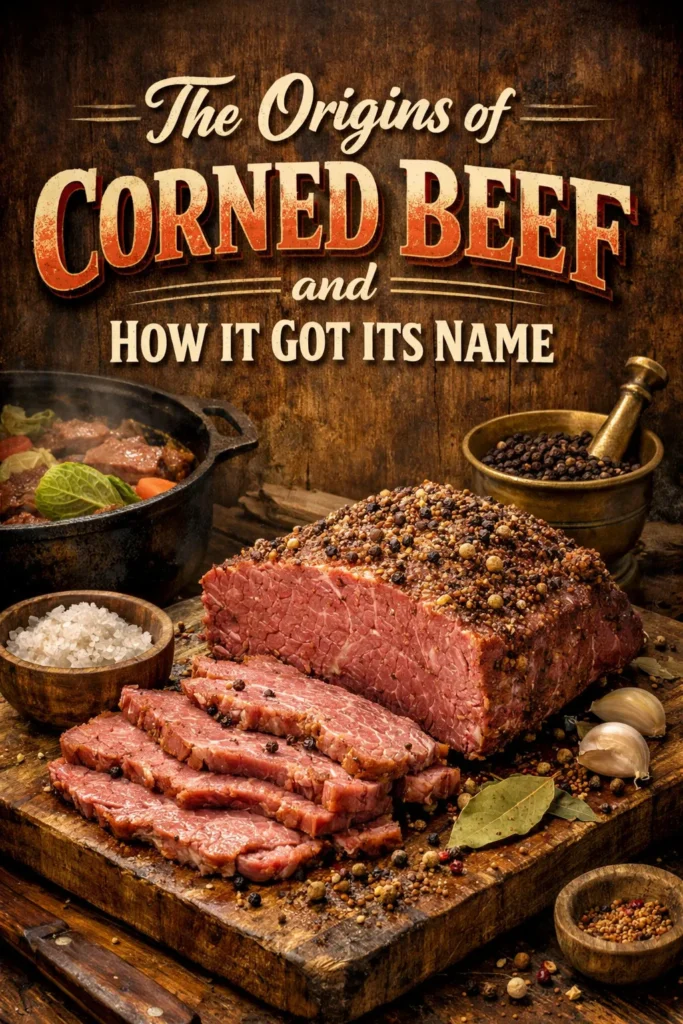
The origins of corned beef make for a long and interesting history. It harks back to the technique of curing meat which was crucial for people who did not have access to modern refrigeration systems. The word “corned” derives from the large grains of salt used in the brining process, called “corns of salt,” that infused flavor and aid in preserving the meat.
The practice of preserving beef has a rich history and deep-rooted traditions across countless cultures and regions. Salt for preserving flesh, a practice invented by the ancient Celts morphed into the corned beef we know today. By the Middle Ages, corned beef was a favorite — especially in England. Meat was layered in coarse salt and left to cure, creating a product that would last for months. This was especially helpful for long voyaging, as it ensured that sailors would have enough food to consume while they were out on the water.
This practice was later adopted by the Jewish community, and some of its most common forms are found among Ashkenazi Jews in Eastern Europe. They seasoned their corned beef with a different mix of spices and seasonings — notably garlic and peppercorns — giving it a flavor profile that was different from their non-Jewish counterparts. Brining was an important process for this community, as it conformed to dietary laws requiring meat to be kosher.
Corned beef became one of their staples in the nineteenth century in what is now the United States. When they came, they found it a cheap substitute for the pork which had been more abundant in Ireland. Corned beef was typically served with cabbage and potatoes, forming an iconic meal that would come to be associated with American St. Patrick’s Day celebrations. American roots aside, the dish is now a symbol of Irish heritage and the way blending cultures are reflected in United States cuisine.
Why that interest in corned beef and pastrami, especially with its association with Jewish delis in particular cities such as New York? Here, the sandwich, layered with thick slices of corned beef on rye bread, has come to define part of the deli culture. The moistened meat, laced with tangy mustard, has wide appeal that has carried the tradition into modern times.
The process of making corned beef has evolved, too. Commercial production techniques use different spices and brining solutions than is traditionally done at home. Although people still like to make their corned beef, many recipes exist for making them at home, which makes it a little more accessible to everyone. But for home cooks who want to make corned beef themselves, there are a few guides out there that go step by step through this method and explore the significance of each ingredient in producing the perfect flavor.
In the past few years, corned beef has leaped over its cultural lines and penetrated cuisines around the world. Chefs continue to play with this versatile meat, using it in dishes ranging from breakfast hash to fancy tacos. These innovations underscore corned beef’s ability to adapt to new ingredients and cooking techniques, mirroring the evolution of culinary tastes.
- If you are curious about the history and culinary uses of corned beef, various resources delve into these topics in detail:
- New York Public Library — For historical food and culture documents and archives.
- History. Corned Beef: A Complete History Provided by Stoughton, Massachusetts – com
- Food Timeline – Explains the history of all sorts of meats, including corned beef.
Corned beef is a versatile ingredient, one that will still be celebrated not only for its flavors but also for its storied past. From the preservation techniques of old to contemporary cuisine, corned beef is a dish that many adore. Its path mirrors the migration of peoples and the intermingling of customs, keeping corned beef a beloved fare through the generations.
- Period
- Key Developments
- Middle Ages
- Coarse salt used to cure all kinds of meats (beef):
- 19th Century
- Corned beef originated with Irish immigrants to the U.S., and became associated with St. Patrick’s Day.
- Modern Era
- Its continued popularity in delis and adaptation in global cuisine
And as you dive into the corned beef playing field: this is more than just food, it’s a human invention responding to survival needs. Whether eaten simply or as part of a fancy meal, corned beef has a history that adds flavor to every bite.
Clever Ways to Use Leftover Corned Beef
How To Cook Corned Beef
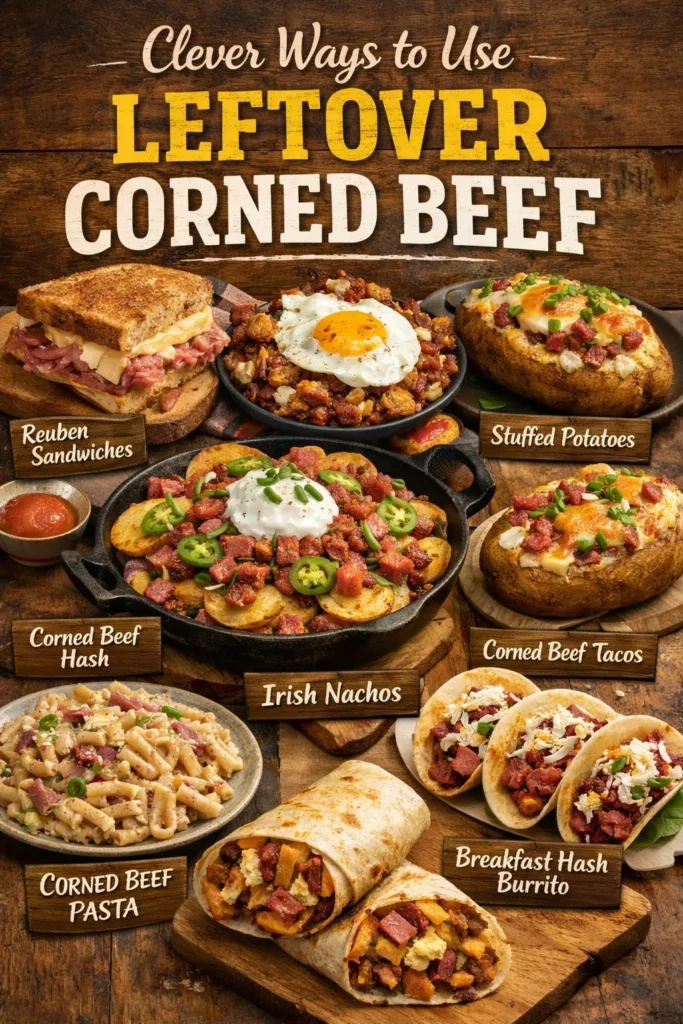
Leftover corned beef is a delicious treasure in your kitchen that will transform many of your meals. Whether you’re aiming to boil up lunch, dinner or even a brute breakfast, corned beef players open doors for inventive and satisfying dishes. Here are some creative concepts for Re-purposing your Corned Beef leftovers into delicious meals.
Corned Beef Hash
A classic dish that people make with leftover corned beef is the corned beef hash. Here’s a simple recipe you can use:
- Ingredients:
- 2 cups chopped cooked corned beef
- 2 cups diced potatoes
- 1 onion, diced
- 2 tablespoons olive oil or butter
- Salt and pepper to taste
DIRECTIONS: Heat oil or butter in a skillet over medium heat. Add onions and potatoes, sautéing until golden brown. Add the corned beef and stir until warmed through. Season with salt and pepper.
Reuben Sandwiches
A Reuben sandwich is a classic way to use leftover corned beef. Here’s how you make this delicious sandwich:
Ingredients:
- 2 slices of rye bread
- 3 to 4 ounces sliced corned beef
- 2 slices Swiss cheese
- ¼ cup sauerkraut
- 1 tablespoon Russian or Thousand Island dressing
Instructions: Spread dressing on one side of each slice of bread. Assemble corned beef, Swiss cheese and sauerkraut. Cover with the other slice, dressing side down. Toast on medium heat until the bread is crusty and the cheese melts.
Corned Beef Tacos
Or for a real twist? Make corned beef tacos. This dish is an easy assemble; it lends a festive note to your meal:
Ingredients:
- Corned beef, shredded
- Taco shells (soft or hard)
- Sour cream
- Salsa or pico de gallo
- Shredded lettuce and cheese
Directions: Warm taco shells and fill with shredded corned beef, and top with salsa, sour cream, shredded lettuce or whatever else you desire.
Corned Beef Fried Rice
Turn your leftover corned beef into an Asian-inspired dish with corned beef fried rice:
- Ingredients:
- 3 cups cooked rice (day-old, if possible)
- 1 cup chopped corned beef
- 1 cup of mixed vegetables (peas, carrots.)
- 2 eggs, beaten
- 3 tablespoons soy sauce
- 2 green onions, sliced
TASKS: In a large skillet or wok scramble the eggs and set aside. There, add in mixed vegetables and cook until tender. Chuck in the rice, corned beef and soy sauce and cook until heated through. Add and mix in scrambled eggs, garnishing with green onions.
Corned Beef Salad
For a lighter variety, try a corned beef salad. That can be a great way to experience meat again while tucking in the best of greens:
Ingredients:
- Mixed greens (spinach, arugula, etc.)
- 1 cup corned beef, shredded
- Cherry tomatoes, halved
- Cucumber, sliced
- Salad dressing of your choice
Instructions: In a bowl, toss greens, corned beef, tomatoes and cucumber. Drizzle with dressing before serving.
Leftover corned beef can inspire creativity in your kitchen. Whether you go with a hash that’s down-to-earth, an if-it-ain’t-a-sandwich sandwich or something as worldwide and versatile as fried rice or tacos, there’s no end to the variation. Find more recipes and ideas at Food Network or find directions for various cooking tips at Serious Eats.
Not only will experimenting with leftover corned beef lessen food waste, but it also gives an interesting flavor to your meals. So don’t let that delicious corned beef go to waste — get creative and enjoy!
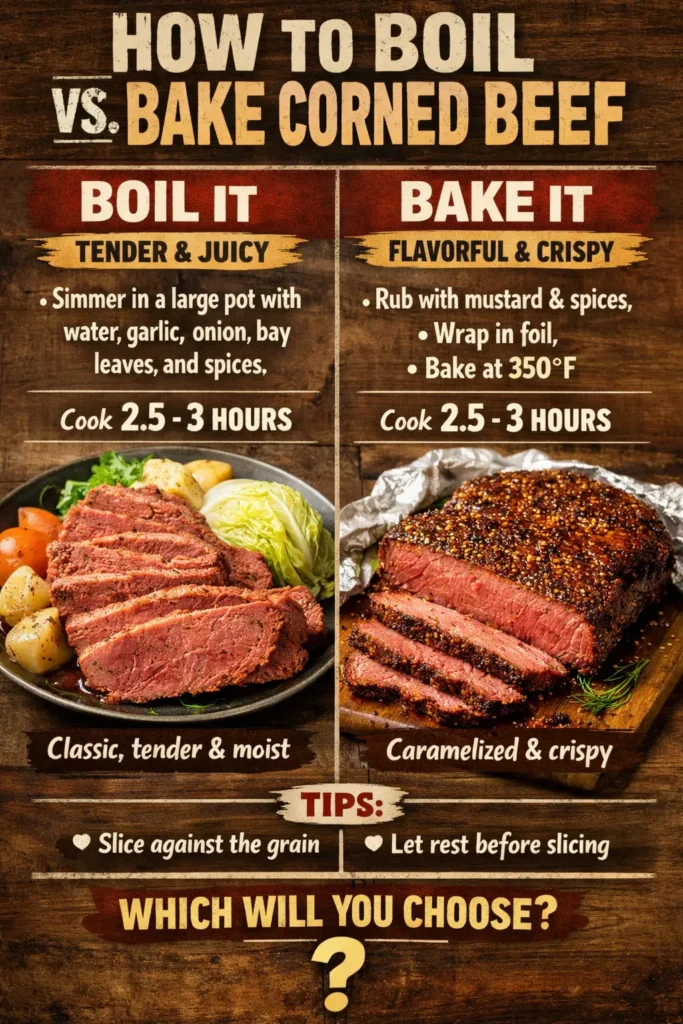
Corned Beef Cooking Methods Comparison: How to Boil vs. Bake Corned Beef
How To Cook Corned Beef
The method you use to cook corned beef makes a major difference in the final flavor and texture. Two common techniques are boiling and baking. Each method has its own benefits and would produce a slightly different output. Understanding those differences can help you choose which method is right for your meal. Let’s dive into the details.
Boiling Corned Beef
Boiling is arguably the most traditional way to cook corned beef. Straightforward, it takes little prep work and yields something tender, juicy. So here are the steps and benefits of boiling corned beef:
Preparation: Rinse the corned beef brisket under cold water. And that also helps get rid of excess salt. Put the brisket in a big pot, and add water to cover it.
Add Aromatics: put spices in your water like black peppercorns, bay leaves, garlic or mustard seeds. Others add carrots and potatoes while cooking.
Cooking Time: Bring water to a boil, then reduce the heat and simmer very low. Cooking time is usually between 2.5 to 3 hours for a 3 to 4-pound brisket.
For the finger lickin’ good flavor, If you have a meat thermometer make sure it hits at least 190°F when done for that tender yumminess.
What natched corned beef the peasants rated, however, was often a savory boil and an easily sliceable meal plate. This is ideal for building classic dishes, such as sandwiches or pairing with cabbage.
Baking Corned Beef
Baking corned beef is a more rare method but brings a distinctive flavor profile. This technique can yield a crisp outside while leaving the inside tender. Here’s how to oven-braise corned beef:
Preparation: First preheat your oven to 350°F, then rinse the corned beef brisket and pat dry. Place it in a roasting pan.
Seasoning: Rub it down with brown sugar, mustard and whatever spices you want from the classic corned beef seasoning packet.
Covered Bake: Wrap the pan tightly in aluminum foil. It cooks for about two to 21/2 hours. This moisture helps to mirror the juiciness of the beef.
Finishing Touch: Remove the foil for the last 30 minutes of cooking to get a crispy glaze. You can even baste the beef with its juices or more of the mustard mixture.
Baked corned beef offers a lot of rich crust, so it’s great for dinner parties or special occasions. The sugar mixture adds sweetness that works deeply with the salty brininess of the brisket.
Comparing Texture and Flavor
| Cooking Method | Texture | Flavor | Cooking Time |
|---|---|---|---|
| Boiling | Tender, juicy | Classic, hearty | 2.5 – 3 hours |
| Baking | Crispy exterior, tender inside | Sweet, robust | 2 – 2.5 hours |
Ultimately, your preferences and the occasion will dictate whether you choose to boil or bake corned beef. Boiling is traditional and simple, this makes for a delightful family dinner. Baking provides a wonderful alternative that is great for entertaining guests at special occasions.
For a more detailed exploration of corned beef cooking you can turn to culinary stalwarts for tips and recipes. For recipes, see The Spruce Eats, or head to Food Network for chefs’ takes on this classic dish. These are good resources for more insights specific to various people and cooking styles.
Whether you opt for boil or bake, you’ll be rewarded with a dish that’s festive enough for a celebration or one that snuggles up to dinner at home. Have fun trying these two methods of cooking to find which you enjoy best in corned beef!
What to Serve with Corned Beef: 19 Side Dishes
Corned beef is a delicious dish that many delight in, especially during holiday seasons such as St. Patrick’s Day. Corned beef is so rich in flavor, serving side dishes that pair well with it are a must! Get these fantastic options that will take your dining experience to next level.
Vegetable Sides
- As for the vegetables, you can have a number of them that add colour and nutrition to your corned beef meal. Consider these:
- Cabbage: As a classic pairing, boiled or sautéed cabbage provides that subtle crunch and sweetness that pairs well with the saltiness of beef.
- Carrots: Roasted or glazed carrots add a hint of sweetness that perfectly balances the savory flavors of the beef.
- Potatoes: Whether roasted, mashed or in potato salad, potatoes make for a hearty and filling side.
Starch Sides
- Starches make fantastic bedfellows with corned beef. They’re not only filling and absorptive of the meat’s flavor:
- Colcannon: A traditional Irish dish, colcannon is a creamy combination of mashed potatoes and cabbage or kale.
- Rice Pilaf: Flavored with herbs and spices, rice pilaf provides a light counterpoint to corned beef that is just the right touch.
- Irish Soda Bread: This is the ideal bread for mopping up juices from the corned beef, and its lightly sweet flavor complements the dish nicely.
Salads
- Salads remain a crisp and lively element of the meal. Here are a few tasty options:
- Cucumber Salad: Crisp and refreshing, a cucumber salad dressed in vinegar or yogurt provides a tangy counterpoint to the richness of beets.
- Beet Salad: Roasted beets with feta cheese make for a colorful and tasty side that pairs nicely with the meat.
- Garden Salad: A simple garden salad of mixed greens, tomatoes and a light vinaigrette can cleanse your palate.
Comfort Food Sides
- If you’re feeling fancy, these sides won’t disappoint:
- Macaroni and Cheese: Creamy and cheesy, this dish will bring richness as well as a playful element to your corned beef dinner.
- Baked Beans (sweet and savory): Bakes beans goes amazing pants with corned beef, especially when they are sweet!
- Spring Rolls: Stuffed with veggies, then served with a dipping sauce for an Asian-inspired side.
Seasoning and Sauces
- So, to elevate your corned beef from good to great, don’t neglect the sauces and condiments:
- Mustard: The spiciness of mustard, especially Dijon, can really elevate the flavors of the corned beef.
- Horseradish: Another condiment, horseradish comes in hot or mild varieties and adds a zesty kick that pairs beautifully with the salty meat.
- Gravy: A full-bodied homemade gravy can follow your sides and create layers of flavor.
Pairing Recommendations
Your meal should generally consist of some combination of the following to create a balanced plate:
Combination
- Why It Works
- Beef + Cabbage + Mustard = Corned
- The sharpness of mustard and bitterness of cabbage offset the savory meat.
- Corned Beef + Potatoes + Horseradish
- Potatoes have starchiness and horseradish has spice, together they provide a satisfying contrast.
- 8156423321 Corned Beef + Carrots + Macaroni and Cheese
- The carrots’ sweetness counteracts the decadence of the cheese, making for a delicious bite.
- Whether you are having a get-together with family or a crowd of friends, adding these must-have sides will make sure your corned beef meal is well-rounded and satisfying.
- For more options, please visit Food Network and serious eats.
Conclusion
Corned beef is more than a dish; it’s a culinary tradition with deep historical roots. Knowing how to cook the meat that will become corned beef opens up myriad flavor, texture and experience possibilities. Boiling it or baking it comes down to preference, but mastering both techniques will yield the type of tender and flavorful roast you can proudly serve to family and friends alike.
As we know, corned beef has a fascinating history and is centuries old so that by knowing where it originated, you’ll savor every delicious bite. And when you do have leftovers, there are endless creative ways to turn corned beef into new and different recipes — sandwiches, hash or even salads that can all breathe new life into your meals.
And make sure you think through those essential side dishes to go with your corned beef dinner. From cabbage and potatoes to pickles and mustard, these pairing ideas complement your meal while showcasing the star of the plate.
Who you boil or bake comes down to preference. Boiling might give a more tender meat but baking works up that delightful crust, creating texture. Experimenting with both formats can help you figure out what kind of style works for you.
In the end, cooking corned beef is all about honoring flavor, history and creativity. So embrace this dish and discover all its dimensions, because there’s more to corned beef than a fulfilling meal; it’s a chance to draw a line back through culinary traditions while filling our bellies with something delicious. So, up your sleeves, head into your kitchen and let the adventure of corned beef-cooking start!