

how-to-cook-frozen-salmon is a great way to cook this healthy fish without much hassle. A lot of folks ask how to cook frozen salmon effortlessly while still keeping the fish flavorful and textured. As such are some great techniques to get you devour that meal.
Thawing Options
Before cooking frozen salmon, it’s often beneficial to thaw it. Here are a few methods you can consider:
- Refrigerator Thawing: The safest method. Place the salmon in the fridge for about 12-24 hours before cooking. This allows the fish to thaw evenly, ensuring the best texture.
- Cold Water Thawing: If you don’t have that much time, place the salmon into a zip-top bag and then place it into cold water. Replace the water every half hour, and it will thaw in an hour or so.
- Microwave Thawing: This is the quickest method, but it can sometimes cook the edges. Use the defrost setting on your microwave, checking frequently.
Cooking Techniques
Once your salmon is thawed, or if you prefer to cook it directly from frozen, there are various techniques to choose from:
Baking
Baking is a simple and effective way to cook frozen salmon. Here’s how to do it:
- Preheat your oven to 450°F (232°C).
- Place the frozen salmon fillet skin-side down on a baking sheet lined with parchment paper.
- Brush with olive oil and season with salt, pepper, or any desired herbs.
- Bake for 12-15 minutes, or until the internal temperature reaches 145°F (63°C).
Grilling
Grilling frozen salmon can add a smoky flavor. Follow these steps:
- Preheat your grill to medium-high heat.
- Place the frozen salmon directly on the grill grates. You can use a fish basket to prevent sticking.
- Grill for about 6-8 minutes on each side.
- Ensure the salmon reaches an internal temperature of 145°F (63°C).
Pan-Seering
Cooking frozen salmon in a skillet is another fast technique:
- Heat a non-stick pan with a tablespoon of oil over medium-high heat.
- Place the frozen salmon in the pan, cooking for 4-5 minutes.
- Flip the salmon over, cover, and cook for an additional 4-5 minutes until done.
Flavoring Your Salmon
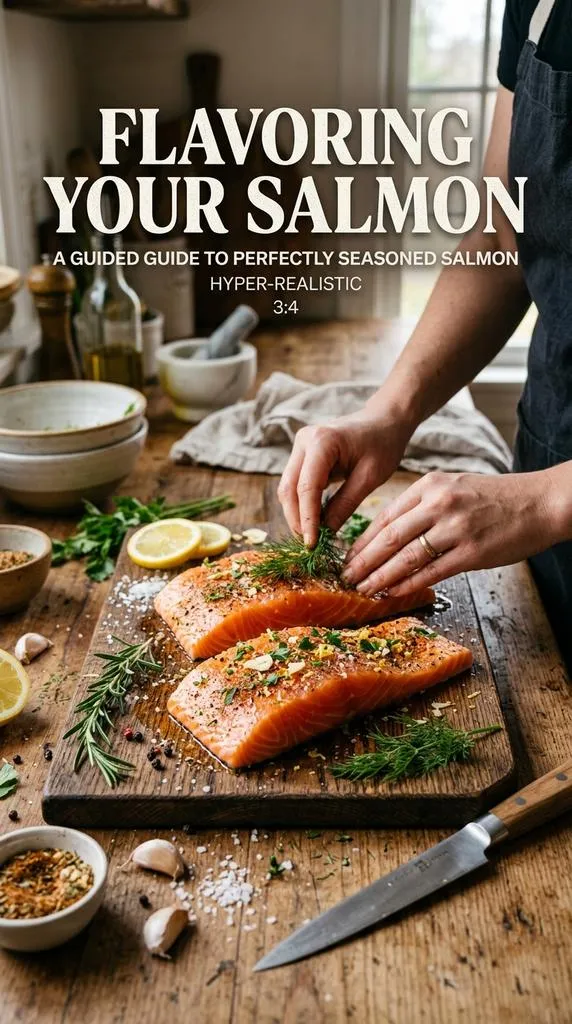
Enhancing the flavor of your salmon is essential. Here are some delicious suggestions:
- Lemon and Dill: A classic combination that brightens the fish.
- Garlic Butter: Melt butter with minced garlic to drizzle on salmon.
- Teriyaki Sauce: Marinate for a few minutes before cooking for an Asian flair.
Creative Serving Ideas
How you serve your salmon can elevate your dish further. Consider these options:
- Over Salad: Serve it on a fresh bed of greens with a light vinaigrette.
- With Grains: Pair with quinoa, brown rice, or couscous for a healthy meal.
- Tacos: Flake the salmon and use it as a filling for tacos with fresh toppings.
You can cook frozen salmon that’s delicious and also easy with these methods. Or for a little more detail and inspiration check out Simply Recipes or Food Network. Happy cooking and enjoy a healthy meal!
Comparing Cooking Methods: Bake vs. Grill vs. Flame
In terms of methods, the way you cook can make a mode difference in your foods taste and texture. The most frequent procedures are baking, grilling, and burning. Both have their pros and cons, by examining the differences you can figure out which is best for your cooking needs.
Baking
Baking is a versatile cooking method that involves heating food in an oven. This technique is often a go-to for preparing dishes like bread, cakes, and casseroles. Here’s why baking can be a fantastic choice:
- Even Cooking: Baking provides a consistent heat, ensuring that food cooks evenly. This is especially useful for larger dishes or when cooking multiple items at once.
- Beginner-Friendly: Baking typically requires less hands-on attention compared to other methods, making it easier for novice cooks.
- Healthier Options: You can often prepare healthier meals by baking rather than frying, as it requires little to no added fats.
On the flip side, while baked goods may retain more nutrients, they are often drier than non-baked recipes if not watched carefully. Look to The Culinary Institute of America for advice on mastering the art of baking.
Grilling
Grilling is a much loved technique, especially in the summer months when al fresco dining is at its peak. Resulting in a unique smoky flavor, which some people love. Here are a few benefits of grilling:
- Flavorful Finish: The Maillard reaction that occurs when food is grilled can enhance the flavor and create a delicious crust.
- Quick Cooking: Grill cooks food fast, which is great for busy weeknights or last-minute gatherings.
- Social Cooking: Grilling encourages a communal cooking experience, making it a fun way to gather friends and family.
The down side to grilling is that it takes more monitoring, as you’ll need to keep a closer eye on the heat. And it might not be the best device for every type of dish, especially ones that require longer cooking times or delicate ingredients. For grilling techniques and recipes by word-class experts, see Serious Eats.
Using a Flame
Open flame cooking is usually when someone uses traditional techniques such as campfire cooking or stovetop flame cooking. This technique can be quite exciting and imparts a distinctive texture and flavor to food. Here is a reminder of some things to keep in mind if using a flame:
- High Heat: Cooking over an open flame allows for high-temperature cooking, which can sear meats beautifully.
- Visual Appeal: The visual element of cooking over a flame can enhance the dining experience, captivating your guests.
- Versatile Method: This method works for various types of cooking, from quick searing to longer cooking times.
However, open flame cooking demands careful attention to avoid burns or uneven cooking. To learn more about flame cooking techniques, check out [Fine Cooking]
Comparative Table of Cooking Methods
| Aspect | Baking | Grilling | Using a Flame |
|---|---|---|---|
| Heat Source | Oven | Charcoal/Gas | Open Flame/Stovetop |
| Ease of Use | Easy | Moderate | Advanced |
| Flavor | Neutral to Sweet | Smoky | Charred |
| Cooking Time | Longer | Short and Fast | Varies |
| Best For | Breads, Casseroles | Meats, Vegetables | Quick Searing |
Essentially, whether you bake grill or use a flame comes down to your own personal preferences and the dish that you’re looking to create. Each has its advantages and disadvantages, and mastering the techniques can take you on a journey to cook delectable meals that will impress your guests. Always check what you have at home and tap into the creativity of cooking!
Flavoring Frozen Salmon: Marinades and Seasonings
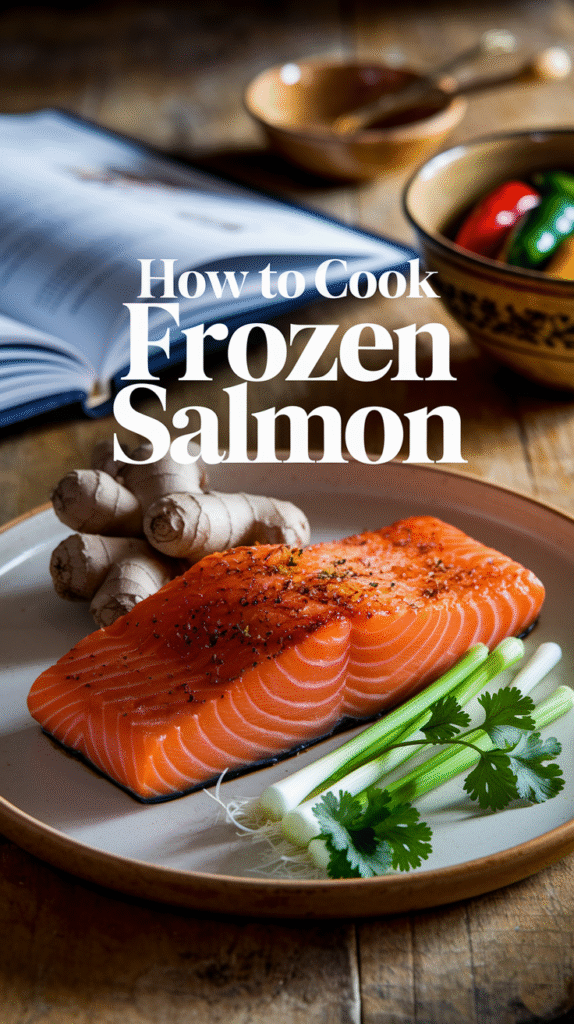
Freezing salmon is a popular method among many cooks, and marinating it in marinades and seasonings can raise the taste of your dish to an entire surroundings. A good citrus marinade or spice rub can complement vs. Here’s a guide to help you find some tasty options that will elevate your salmon dish.
Marinades for Frozen Salmon
Marinades can infuse your frozen salmon with exquisite flavors. Here are some easy-to-make marinades:
- Citrus Herb Marinade: Combine the juice of orange and lemon with garlic, olive oil, and fresh herbs like parsley or dill.
- Teriyaki Marinade: Mix soy sauce, honey, minced garlic, and ginger for a sweet and salty kick.
- Honey Mustard Marinade: Blend honey, Dijon mustard, and a splash of vinegar for a zesty flavor.
- Spicy Cajun Marinade: Use olive oil, Cajun seasoning, lemon juice, and chopped fresh parsley to add some heat.
How to Marinate Frozen Salmon
Marinating frozen salmon is simple and doesn’t require much time. Follow these steps for best results:
- Select Your Marinade: Choose from one of the delicious marinades mentioned above.
- Thaw the Salmon:It’s best to thaw frozen salmon before marinating it. Brine overnight in the refrigerator or immerse in a sealed container under cold running water to quick-thaw.
- Combine Salmon and Marinade: Place the thawed salmon in a resealable plastic bag or a shallow dish. Pour the marinade over the fish, ensuring it is well coated.
- Let it Sit: Allow the salmon to marinate for at least 30 minutes to 2 hours in the fridge. This will help the flavors fully penetrate the fish.
Seasonings for a Quick Flavor Boost
If you don’t have time for a marinade, simple seasonings can also bring out the best in frozen salmon. Here are some suggestions:
- Salt and Pepper: A classic choice that enhances the natural flavors of the fish.
- Garlic Powder: Provides a savory taste without overpowering the salmon.
- Lemon Zest: Brightens the dish with a refreshing citrus flavor.
- Dill: Pairs wonderfully with salmon, adding a light herbal note.
- Smoked Paprika: Adds a sweet and smoky depth to the dish.
Flavor Blends and Spice Rubs
Using spice blends can create unique flavor profiles for your salmon. Try these combinations:
| Flavor Blend | Ingredients |
|---|---|
| Italian Herb Blend | Oregano, basil, thyme, garlic powder |
| Chili Lime Rub | Chili powder, lime zest, cumin, salt |
| Curries and Cumin | Curry powder, ground cumin, coriander |
Sprinkle or rub your chosen blend generously over the salmon before cooking. This quick method allows you to enjoy outstanding flavors with minimal preparation.
Cooking Techniques for Flavorful Salmon
Once you’ve flavored your salmon, it’s time to cook it to perfection. Here are the most common cooking methods:
- Grilling: This method adds a smoky flavor. Preheat the grill and cook the marinated salmon for about 4-6 minutes on each side.
- Baking: For a hands-off approach, bake the salmon at 400°F (about 200°C) for 12-15 minutes.
- Pan-Seering: Searing in a hot pan with a bit of oil can create a delicious crispy crust. Cook for approximately 4-5 minutes per side.
- Steaming: Steaming salmon helps retain moisture and is a healthy cooking option.
Frozen salmon marinated with marinades and seasoning helps to make varied flavourful meals. To learn more about cooking with salmon, check out Seafood Nutrition and Salmon Recipes for more tips and recipes. These resources will help you get the most from your frozen salmon dishes.
Nutritional Benefits of Incorporating Salmon into Your Diet
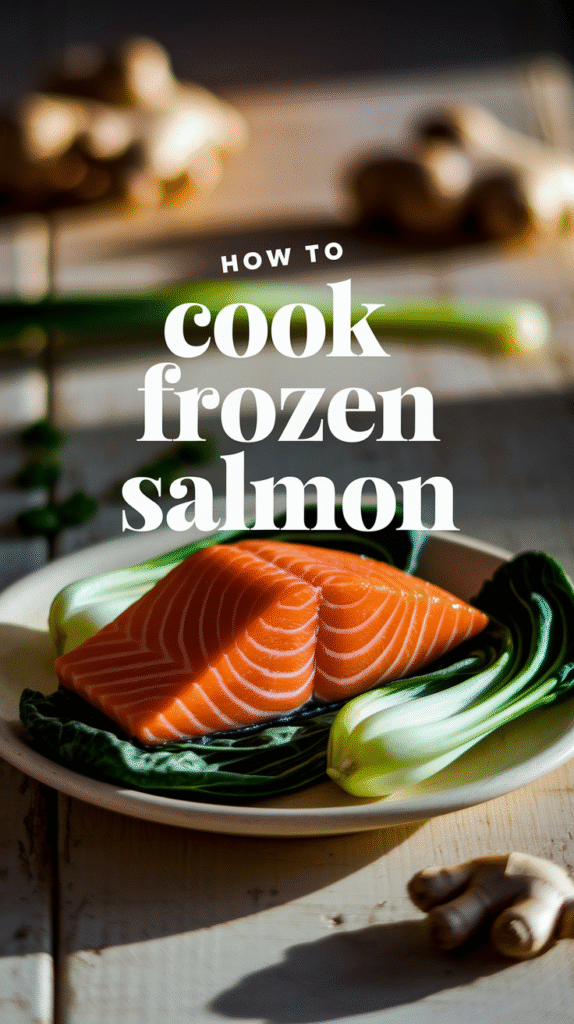
Incorporating salmon into your diet offers several nutritional advantages that promote overall health and well-being. Rich in key nutrients, omega-3 fatty acids and high-quality protein, salmon can be a nutritional powerhouse to incorporate into your weekly meal plan.
Rich Source of Omega-3 Fatty Acids
Salmon is well known for being rich in omega-3 fatty acids, essential for brain function and heart health. Omega-3s are known to aid in reducing inflammation, lowering blood pressure, and potentially preventing heart disease as well. Eating salmon several times a week can bump up your omega-3 levels tremendously and thus is something you should include in everyone’s diet.
High-Quality Protein
This fish is a great source of protein. Salmon packs about 22 grams of protein per serving, which is essential for repairing muscle tissue, immune function and overall cellular health. Including salmon in your diet means not only relishing its delicious taste but also satisfying your body’s high-quality proteins.
Loaded with Vitamins and Minerals
Salmon is a nutrient-dense food that offers an array of vitamins and minerals, essential for various bodily functions. Here are some of the key nutrients found in salmon:
- Vitamin B12: Important for the production of red blood cells and maintaining nerve health.
- Vitamin D: Supports bone health and immune function, and may help improve mood.
- Selenium: A powerful antioxidant that plays a role in metabolism and thyroid function.
- Phosphorus: Essential for healthy bones and teeth, as well as energy production.
Heart Health Benefits
Eating salmon on a regular basis may significantly bolster your heart health. The omega-3 fatty acids found in salmon are shown to lower triglycerides, decrease blood clotting and help reduce the likelihood that you will have arrhythmias — or abnormal heartbeats. People who eat fatty fish, such as salmon, at least twice weekly are less likely (opens in a new window) to die from heart disease.
Weight Management
Salmon in your eating plan can also help weight management goals. It can also increase feelings of fullness due to its high-protein content, which helps in controlling appetite and reducing the risk of overeating. Also, these healthy fats make salmon very more filling than most other sources of protein, which makes it easier to stick to a healthy eating plan.
Brain Health Benefits
Not only are the omega-3 fatty acids in salmon good for heart health, they play a key role in brain health as well. Research suggests that eating salmon regularly may reduce the risk of cognitive decline as well as symptoms associated with depression and anxiety. Studies show that these fats boost your mood and overall brain function.
Support for Healthy Skin
Salmon is good not just for health, but skin as well. These fatty acids work to preserve the moisture in your skin and its elasticity, keeping it healthy and glowing. Moreover, the antioxidants found in salmon can help fight aging and environmental damage. The best way for you to feed your skin from the inside out is by including this healthy fish in your diet.
Environmental and Sustainable Choices
What to Look For: Salmon has sustainability issues, so pay careful attention when purchasing your sushi. Wild-caught salmon is often seen as more sustainable and environmentally friendly than farmed fish. Sites like Monterey Bay Seafood Watch (opens in a new window) provide information on sustainable seafood, including advice about choosing responsibly sourced salmon.
Salmon is also rich in good fat that will benefit your heart, improve your brain function and make your skin look beautiful. So do try to put this nutrient-packed fish in your meals at least twice a week. Salmon is as versatile as it is vibrant — try your hand at recipes for grilled fillets, robust salads and more. Your body will thank you!
For more recipes and tips on how to incorporate salmon into your diet, visit CDC Nutrition (opens in a new window).
Common Mistakes to Avoid When Cooking Frozen Salmon
Frozen salmon only seems tricky to cook: many home cooks make simple mistakes that impact flavor, texture, and overall enjoyment. Recognizing these typical mistakes can help you take your salmon to the next level. Here are some clumsy mistakes to steer clear of, so your frozen salmon comes out best every time.
Not Thawing Properly
One of the biggest mistakes is not thawing the salmon correctly. Most people toss it directly from the freezer into the pan, assuming it will cook through. But that can lead to uneven cooking and a rubbery texture. The safest practice is to defrost the chicken in the refrigerator overnight. For a quicker thaw, you can also immerse the vacuum-sealed package in cold water for about 30 minutes, until defrosted. Again, do not defrost salmon at room temperature, as this encourages the growth of bacteria.
Skipping the Pat Dry Step
After thawing your salmon, never skip the pat dry step. Extra moisture will generate steam while you cook, resulting in a mushy texture. Before using any cooking method, lightly pat down your salmon with some paper towels. This will take it to a gorgeous sear without losing the fish’s natural flakiness.
Overcooking the Salmon
One of the greatest pitfalls in home cooking is overcooking salmon. This really makes the difference: Salmon is best cooked to medium or medium-rare. Hold it on the heat until its internal temperature reads 125°F (51°C) for medium. Enter the meat thermometer: It’ll help you get it spot on. Keep in mind that the salmon will keep cooking a little bit after you take it off the heat — this is known as carryover cooking.
Ignoring the Cooking Method
The method used for cooking frozen salmon can significantly impact its texture and flavor. Here are some popular and effective methods:
- Baking: Preheat your oven to 375°F (190°C) and bake for about 20-25 minutes. This slow cooking allows the salmon to cook evenly.
- Searing: Heat a pan with a little oil over medium-high heat. Cook skin-side down for about 4-5 minutes, then flip and cook for an additional 3-4 minutes.
- Grilling: Thaw first, then grill your salmon over moderately high heat for about 6-8 minutes per side.
- Poaching: A gentle poaching in water or broth can result in moist and flavorful salmon. Simmer for about 10-15 minutes.
Not Seasoning Enough
A different frequent mistake is failing to season your salmon properly. Although salmon comes with an inherent richness, seasoning is essential to livening it up. Simplistic can often be your best friend; a sprinkle of salt and pepper and squeeze of lemon hits the spot. Feel free to get creative with herbs and spices — like dill, garlic or paprika — to amp up the excitement of your dish. You can use a marinade or glaze to get some depth.
Using High Heat Exclusively
Another rookie mistake is cooking your salmon at super high temperatures for the entire cook time. Overheating can cause the exterior to cook too rapidly and the interior to remain raw. Always start cooking salmon at a moderate heat. This method ensures uniform cooking and prevents burning.
Not Using Fresh Ingredients
Freezing salmon and then serving it alongside bright, fresh ingredients can transform the finished product. Even stale spices and expired produce can take a toll on flavor when it comes to your meal. Double-check that your veggies, garnishes and any sides are fresh. A bright side salad or a zesty salsa cuts through the richness of salmon beautifully.
Avoid these common pitfalls when preparing frozen salmon and you won’t just have a dinner you’ll be ashamed to serve. Thawing properly, seasoning adequately and selecting proper cooking techniques are crucial steps to deliver a fabulous dish. For more tips and ideas for cooking salmon, see Seafood Nutrition and NOAA Fisheries.
Ready to get cooking? Remember these tips, and you’ll be on your way to mastering frozen salmon in no time!
Conclusion
When you have the right techniques and best practices, cooking frozen salmon can be a simple yet enjoyable process. Baking, grilling or using a flame can all work for making it — and you can find which method best suits your culinary style. Baking is usually the simplest; it uses a constant temperature that guarantees even cooking. Grilling lends smoky flavors and beautiful char marks; flame-cooking yields rich, caramelized finish that’s hard to beat.
Marinades and seasonings can take your frozen salmon from average to exceptional. So, by using different marinades and seasonings you can create numerous flavours to mix into other foods. Be it a zesty lemon-herb combination or a glistening, rich teriyaki glaze, the proper flavors will keep your meals interesting.
Additionally, zipping salmon into your blood is not only tasty heaven, but also has a lot of nutritional advantages. Salmon is a heart-healthy option and packed with omega-3 fatty acids, protein, and vitamins essential to your health.
To ensure the best possible results, it’s important to avoid common pitfalls like improper thawing or overcooking. Keep in mind these pitfalls to make sure your frozen salmon is cooked correctly, every time.
With the techniques discussed above, and an understanding of methods at your disposal, you open up the power that is frozen salmon in your home. You’ll nourish your body with each meal, and make meals you and your family will adore. Happy Cooking, and the delightful anti-inflammatory benefits of salmon!