

New to Cooking Prime Rib? With the right techniques and tips, cookinghow-to-cook-prime-rib and Tips for Perfectly Cooking Prime Rib you’ll have juicy, flavor-driven roast that wows your guests. Following these step-by-step tips can help ensure that your prime rib produces “a great one, every single time.”
Choosing the Right Cut
When choosing prime rib, select a cut that has good marbling — bays of fat running through the meat. This fat imparts flavor and moisture, for a tender result. USDA Prime is the top grade but USDA Choice can also produce glorious results.
Preparation Steps for Prime Rib
- Dry Aging (Optional): For enhanced flavor, consider dry-aging your prime rib in the refrigerator for several days. This process concentrates the flavors while tenderizing the meat.
- Room Temperature: Bring the prime rib to room temperature before cooking. This helps ensure even cooking.
- Seasoning: Generously season the roast with kosher salt, black pepper, and any additional herbs or spices you prefer. A simple rub of garlic, rosemary, and thyme can work wonders.
The Cooking Method
The cooking method significantly impacts the outcome of your prime rib. Here are two popular techniques:
High-Temperature Roast
This method creates a delicious crust while keeping the inside juicy.
- Preheat your oven to 450°F (232°C).
- Roast the prime rib at this temperature for the first 20 minutes.
- Reduce the heat to 325°F (163°C) and continue cooking until the desired internal temperature is reached, typically 130°F (54°C) for medium-rare.
Low and Slow Method
A slower cooking process can enhance tenderness.
- Preheat your oven to 225°F (107°C).
- Cook the prime rib until it reaches an internal temperature of 130°F (54°C). This will take several hours depending on the size of your roast.
- For a crusty exterior, finish by searing at 500°F (260°C) for 15 minutes.
Using a Meat Thermometer
To ensure you achieve the perfect doneness, use a reliable meat thermometer. Insert it into the thickest part of the roast but avoid touching bone or fat. Here are the ideal internal temperatures:
| Doneness Level | Internal Temperature (°F) |
|---|---|
| Rare | 120-125 |
| Medium Rare | 130-135 |
| Medium | 140-145 |
| Medium Well | 150-155 |
| Well Done | 160+ |
Resting Your Prime Rib
Once you take your prime rib out of the oven, let it rest a minimum of 20-30 minutes. This lets the juices redistribute inside the meat, so they don’t escape when you carve. Loosely cover the roast with foil to keep it warm.
Slicing and Serving
To carve the prime rib, use a sharp knife, and cut across the grain for ease. Accompany it with your preferred sides, like roasted vegetables, mashed potatoes or a crisp salad. A classic horseradish sauce or au jus complements the rich flavor of the prime rib beautifully.
Additional Tips
Here are some additional tips to enhance your cooking experience:
- Invest in a good meat thermometer.
- Consider using a roasting pan with a rack to allow for even cooking.
- Experiment with different rubs and marinades to find your favorite combinations.
SERIOUS EATS / FOOD NETWORKMore information on cooking techniques can be found at Serious Eats and Food Network. Now with those techniques and tips, you’re well on your way to cooking a perfectly delicious prime rib. Bon appétit and impress your friends with your cooking talents!
The History and Traditions Behind Prime Rib Dinners
Prime rib has become a staple in many culinary traditions around the world, particularly in North American households. This delicious cut of beef, known for its tenderness and rich flavor, is not just a meal; it is an experience steeped in history and cultural significance.
The origins of prime rib can be traced back to the medieval times in Europe when the upper class would indulge in roasted joints of meat during festivities. The word “prime” signifies the top quality of the meat cut, usually taken from the rib section of the steer. The prime rib cut gained popularity in England, where it was often served during Sunday dinners, a tradition that eventually made its way to America.
In the United States, prime rib quickly became associated with celebratory meals and special occasions. The dish has its roots in the late 19th century when it was served in upscale restaurants. It was one of the first entrees to make its way onto formal dinner menus, signifying luxury and sophistication.
Over time, various regions in the U.S. have adopted their own customs and methods of cooking prime rib. For instance:
- The East Coast: Here, prime rib is often seasoned with herbs such as rosemary and thyme, then slow-roasted to perfection.
- The West Coast: Chefs often use a herb crust or rub, incorporating flavors like garlic to enhance the dish.
- The South: Southern traditions sometimes include basting the meat in gravy or marinating with spices for added tenderness.
The cooking method has also evolved. Originally, prime rib was cooked in front of an open flame or in large fireplaces, which allowed for a smoky flavor to infuse the meat. Today, many prefer roasting it in an oven. This method is favored for its ability to evenly cook the meat, trapping juices for unparalleled flavor. Professional chefs recommend using a meat thermometer to ensure precise cooking, typically aiming for an internal temperature of 130°F for medium-rare.
Prime rib is often accompanied by side dishes that keep with its rich essence. Common sides include:
- Garlic mashed potatoes
- Roasted vegetables
- Yorkshire pudding
- Horseradish sauce for added zing
As a centerpiece on the dining table, prime rib dinners foster a sense of togetherness and celebration. Special occasions like Christmas, New Year’s Eve, and festive gatherings become synonymous with this delicious cut. A prime rib roast often serves as a focal point, inviting family and friends to gather and share not just a meal, but memories.
The growing popularity of prime rib has also led to many traditions worldwide. In Japan, for instance, prime rib is occasionally seen in upscale restaurants where Western influences blend with local dining culture. This cross-cultural admiration showcases the versatility and universal appeal of prime rib dinners.
Restaurants further popularizing prime rib often create distinctive events around this dish. Many establishments host “prime rib nights,” featuring discounted offers or all-you-can-eat specials to attract patrons. This has transformed prime rib into not just a dinner option but an event in itself where families and friends create lasting memories over a hearty meal.
For those looking to delve deeper into the fascinating world of prime rib, resources such as National Beef provide insights into the best cuts, cooking methods, and recipes. Another excellent resource is AllRecipes, which offers myriad recipes tailored to both novice cooks and experienced chefs alike.
As we continue to enjoy prime rib dinners, it’s important to honor the rich history and traditions that accompany this dish. From its medieval roots to modern dining, prime rib remains not just a meal but a symbol of love, celebration, and togetherness.
Essential Side Dishes That Complement Prime Rib
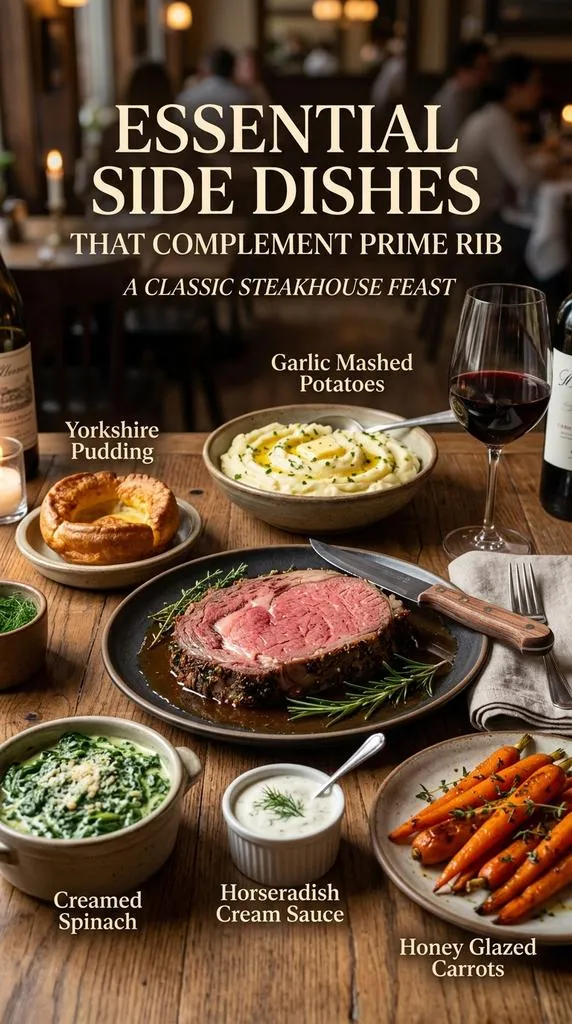
And when it comes to a fancy meal such as prime rib, sides make all the difference. Prime rib is a juicy, tender piece of beef that deserves to be paired with the right flavors, textures and colors. Here’s a round-up of must-have side dishes to accompany prime rib, ensuring your meal is both delightful and aesthetically pleasing.
1. Roasted Vegetables
Roasted vegetables bring their natural sweetness and earthy flavors, making them the perfect companion for prime rib. You can use a mix of:
- Carrots
- Brussels sprouts
- Parsnips
- Potatoes
Simply toss them in olive oil, sprinkle with salt and pepper, and roast them until they’re golden brown. Their crispy exterior and tender inside contrast nicely with the juicy meat.
2. Creamy Mashed Potatoes
Mashed potatoes are a timeless side that pairs wonderfully with prime rib. Their creamy, buttery texture makes them a comforting choice. For a twist, try adding:
- Roasted garlic
- Sour cream
- Chives or scallions
This upgrades the classic dish and provides depth to the flavor profile of your meal.
3. Yorkshire Pudding
No prime rib dinner is complete without Yorkshire pudding. This light and airy dish is made from a simple batter of:
- Flour
- Eggs
- Milk
- Beef drippings
Baking in hot oil, Yorkshire pudding puffs up beautifully and is excellent for soaking up the gravy made from the drippings of the prime rib.
4. Fresh Green Salad
A fresh green salad adds a crisp and refreshing element to balance the richness of prime rib. Consider ingredients like:
- Mixed greens
- Cucumbers
- Cherry tomatoes
- Red onion
Dress it lightly with a vinaigrette to enhance the flavors without overpowering them.
5. Horseradish Sauce
While not a traditional side dish, horseradish sauce provides a sharp, spicy kick that complements the savory flavors of prime rib. You can serve it as:
- A creamy version mixed with sour cream and mayonnaise
- A traditional prepared horseradish
It adds a zesty finish that cuts through the richness of the meat.
6. Creamed Spinach
Creamed spinach is a rich side dish that goes nice with beef. The creaminess and umami of the spinach complemented the prime rib perfectly. To make creamed spinach, all you need is:
- Fresh spinach
- Heavy cream
- Parmesan cheese
This dish can be prepared ahead of time and reheated, making your dinner planning easier.
7. Wine Pairing
Don’t forget about the wine! A bold red wine enhances the flavors of prime rib and is an essential component of the dining experience. Consider these suggestions:
- Cabernet Sauvignon
- Merlot
- Syrah
These wines have rich tannins that complement the savoriness of the meat.
| Side Dish | Flavor Profile | Preparation Time |
|---|---|---|
| Roasted Vegetables | Sweet and earthy | 30-40 minutes |
| Creamy Mashed Potatoes | Buttery and smooth | 20-30 minutes |
| Yorkshire Pudding | Light and airy | 30 minutes |
| Fresh Green Salad | Crisp and refreshing | 10 minutes |
| Creamed Spinach | Rich and creamy | 20 minutes |
For more tips and recipes on preparing a wonderful prime rib dinner, visit Serious Eats, and explore a variety of side dish ideas that will enhance your meal.
Picking the best side dishes will help guarantee your prime rib dinner is unforgettable and fulfilling. From roasted veggies to rich mashed potatoes, each side brings its own flavor to the plate. Happy cooking and hope you enjoy your culinary journey!
Prime Rib: Understanding Different Cuts and Their Cooking Methods
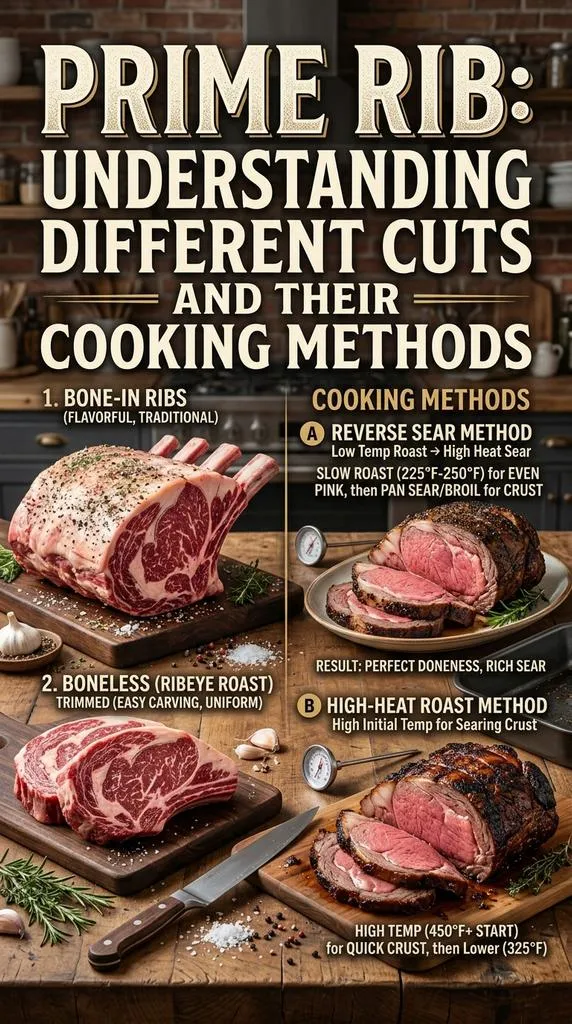
When we talk about prime rib, understanding about the different parts of it and what cooking techniques to use can enhance your experience. A fine cut of meat deserves an equally fine treatment, and understanding your options is the first step toward a mouthwatering outcome. Let’s take a look at the different cuts of prime rib, and how to best cook each.
Different Cuts of Prime Rib
Prime rib is not just one specific cut, but rather a section of the rib primal that includes several distinct cuts. Here are the main types:
- Standing Rib Roast: This is the most recognizable cut. It contains several ribs and is typically roasted whole. It’s perfect for special occasions and offers a flavorful, juicy taste.
- Ribeye Roast: Cut from the same section, the ribeye roast is boneless and known for its marbling, making it incredibly tender and flavorful. It’s a great option for roasting as well.
- Prime Rib Steak: If you’re in the mood for individual portions, prime rib steaks are cut from the standing rib roast. These steaks are robust and packed with flavor, making them ideal for grilling or pan-searing.
- Chuck Eye Roast: While not true prime rib, the chuck eye comes from the shoulder area and is more affordable. It offers good flavor and tenderness, though it may require more careful cooking to ensure a juicy outcome.
How to Cook Prime Rib
Cooking prime rib can be done through various methods, each bringing out unique flavors and textures. Here are some popular techniques:
1. Roasting
Roasting is the most traditional method for prime rib and yields a beautiful crust. Here’s a basic guide:
- Preparation: Start by bringing your meat to room temperature. Season it generously with salt, pepper, and any herbs you love.
- Preheat: Preheat your oven to 450°F (232°C).
- Initial Roasting: Place the rib roast on a rack in a roasting pan, bones side down. Roast at high heat for 20 minutes.
- Lower Temperature: After 20 minutes, reduce the oven temperature to 325°F (163°C) and continue roasting until desired doneness. A meat thermometer is invaluable here.
- Resting: Once cooked, allow the roast to rest for at least 20-30 minutes before carving.
2. Slow Cooking
For those seeking a melt-in-your-mouth experience, try slow cooking your prime rib:
- Season: Like roasting, generously season your meat.
- Sear: Sear the roast in a hot pan to develop a crust and enhance flavor.
- Slow Cook: Transfer to a slow cooker set to low, and cook for 6-8 hours.
- Finish: A quick broil can add a flavorful crust after slow cooking.
3. Sous Vide
For precise cooking, sous vide is a game-changer:
- Season: Season your prime rib and seal it in a vacuum bag.
- Sous Vide Setup: Place in a water bath, maintaining a temperature between 130°F (54°C) for medium-rare, and cook for 6-8 hours.
- Final Searing: Sear in a hot skillet or on a grill for a crunchy exterior.
Best Cooking Equipment
To achieve the best results, invest in quality kitchen tools. Here’s a list of essentials:
| Equipment | Purpose |
|---|---|
| Meat Thermometer | To ensure correct internal temperature |
| Roasting Pan | For even cooking |
| Sharp Carving Knife | For precise slicing |
| Vacuum Sealer | For sous vide cooking |
In the end, knowing the cuts and techniques will make you a better prime rib cook. Whether you are going the traditional roast route or trying sous vide, whichever way you go will come out tasty. For additional tips, recipes and techniques, reliable resources include Food Network and Serious Eats.
Common Mistakes to Avoid When Cooking Prime Rib
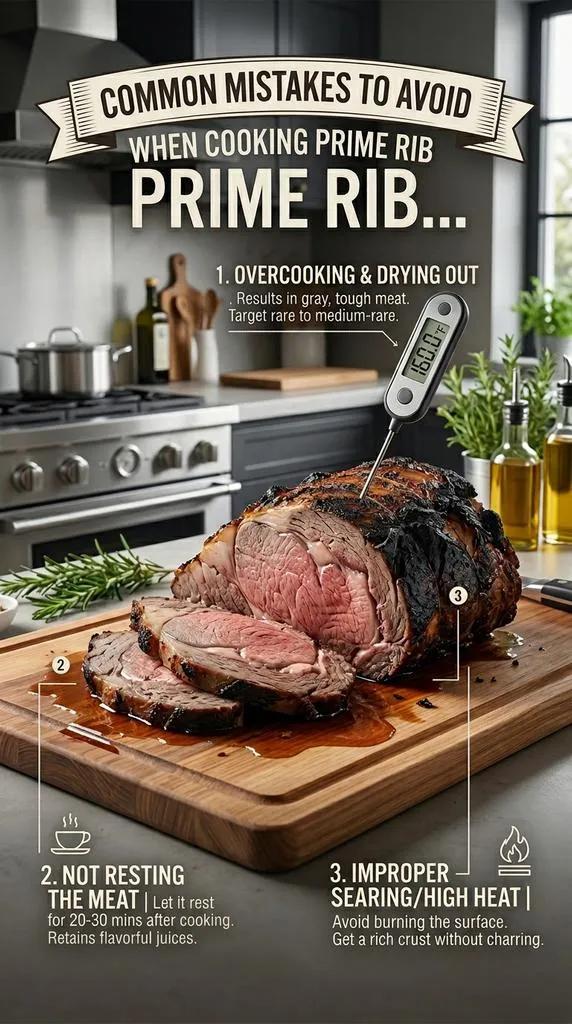
Cooking prime rib is a delicious trip but there are expensive mistakes to avoid. Understanding what to avoid will ensure your meal is perfectly cooked and visually stunning. Here are some common mistakes to avoid:
Not Choosing the Right Cut
Not all prime rib is created equal. It’s crucial to select the best cut for your meal. Look for:
- Well-marbled meat: Fat adds flavor and moisture.
- A bone-in cut: This can enhance flavor and makes for an appealing presentation.
Choosing USDA Prime grade meat will ensure a tender and juicy result.
Skipping the Dry Age Process
Dry aging your prime rib can help develop flavor and tenderness. Most supermarkets also sell fresh cuts, but check out your local butcher for dry-aged varieties. This process causes moisture to evaporate and accentuates the beef’s natural flavors.
Not Allowing the Meat to Rest
Placing your prime rib directly from the refrigerator to the oven is a mistake. Here’s why:
- Cooking cold meat can lead to uneven cooking.
- Letting it rest for at least an hour at room temperature allows for more even heat distribution throughout the cut.
Overcooking
Overcooking prime rib can turn a delicious cut into a dry disappointment. Use a meat thermometer to check for doneness:
| Doneness | Internal Temperature (°F) |
|---|---|
| Rare | 120-125 |
| Medium Rare | 130-135 |
| Medium | 140-145 |
| Medium Well | 150-155 |
| Well Done | 160+ |
Remove the meat from the oven when it’s about 5 degrees below your target temperature to account for residual heat.
Ignoring Seasoning
Prime rib is a star ingredient and deserves proper seasoning. Here’s the best way to season:
- Use kosher salt generously as it enhances the meat’s flavor.
- Add freshly ground black pepper for a kick.
- Consider using garlic powder or herbs like rosemary and thyme for added depth.
Apply the seasoning liberally and let it sit for at least 40 minutes before cooking for optimal flavor absorption.
Cooking on Too High a Temperature
Another frequent misstep is starting the roast at a temperature that’s too high. Here’s a great method:
- Begin cooking at 450°F for the first 20 to 30 minutes to create a seared crust.
- Then reduce the temperature to 325°F for the remainder of the cooking time.
This two-step cooking method yields an evenly cooked prime rib with a flavorful crust.
Forgetting to Create a Au Jus
A perfect prime rib deserves a flavorful jus. Many overlook this aspect. Here’s how you can make it:
- Use the drippings from your roasting pan.
- Add red wine or beef broth and simmer to enhance flavors.
- Strain the mixture for a smooth sauce.
This simple preparation can elevate your meal significantly.
Not Slicing Properly
It’s important to slice your prime rib properly. Always cut across the grain, so each slice is tender. This technique avoids chewiness and really improves the whole eat.
By avoiding these common mistakes, you can confidently serve a stunning prime rib roast. For more tips on preparing and cooking prime rib, visit Serious Eats and Food Network.
Conclusion
What is prime rib but simply a larger cut of an even more tender steak? From mastering cooking techniques to understanding the anatomical cuts, each is vital in enhancing your dining experience. You’ve taken in some valuable prime rib cooking tips that will help you cook beautifully juicy, flavorful steaks every time.
Once you know the full story of prime rib dinners, that background will help explain why this dish has long inspired so much reverence. The joyous ambience they bring into homes celebrates connection and produces reminiscences that endure.
Serving the right sides with your prime rib is an important part of creating a complete meal. From creamy mashed potatoes to colorful vegetables and fresh salads, these sides enhance the platter and make your dinner feel extra special.
Knowing the common cooking mistakes helps you to avoid a potentially poor experience. A simple mistake can ruin a beautiful cut of meat. Focusing on the details — seasoning, resting time and internal cooking temperatures — is crucial to making the ultimate roast.
With these techniques and traditions, you’re all set to present an unforgettable prime rib. Every time you make this classic dish, you are not just feeding your friends and family but honoring a culinary legacy that’s been passed down for generations. Now gather at the table and share in the joy that is a perfectly prepared prime rib, create memories for everything. Happy cooking!