



Sausage: After all, who doesn’t love a nice hearty dish? From breakfast to lunch to dinner, knowing how-to-cook-sausage changer. Here, you’ll find different cooking methods and tips to make sure your sausage is juicy, flavorful and perfectly cooked.
First, let’s explore the types of sausage you may encounter:
- Fresh Sausage: Such as breakfast sausage or Italian sausage, which need to be cooked thoroughly.
- Smoked Sausage: Examples include kielbasa and andouille, which are usually pre-cooked and can be reheated.
- Dry Cured Sausage: Salami and pepperoni can be eaten raw.
To achieve the best results with each type, let’s look at the techniques for cooking sausage.
Pan-Frying
Pan-frying is a favored method that delivers a crispy exterior and tender inside.
- Heat a skillet over medium heat.
- Add a small amount of oil if using lean sausage.
- Place the sausages in the pan, being careful not to overcrowd them.
- Cook for 6-8 minutes on each side, turning them occasionally until golden brown and the internal temperature reaches 160°F (71°C).
Tip: For extra flavor, add herbs, onions, or peppers to the pan while cooking.
Baking
Baking is a great option if you want sausages cooked evenly.
- Preheat your oven to 375°F (190°C).
- Place the sausages on a baking sheet lined with parchment paper.
- Bake for about 25-30 minutes, turning halfway through for even cooking.
Baking allows the grease to drip off, resulting in a healthier dish. This method is particularly useful for larger batches.
Grilling
Grilling sausage brings a unique smoky flavor making it perfect for outdoor cookouts.
- Preheat your grill to medium heat.
- Place sausages over direct heat and cook for about 10-15 minutes.
- Turn occasionally until they are nicely browned and reach an internal temperature of 160°F (71°C).
Tip: Avoid piercing the sausage, as this can cause the flavorful juices to escape.
Boiling and Then Pan-Frying
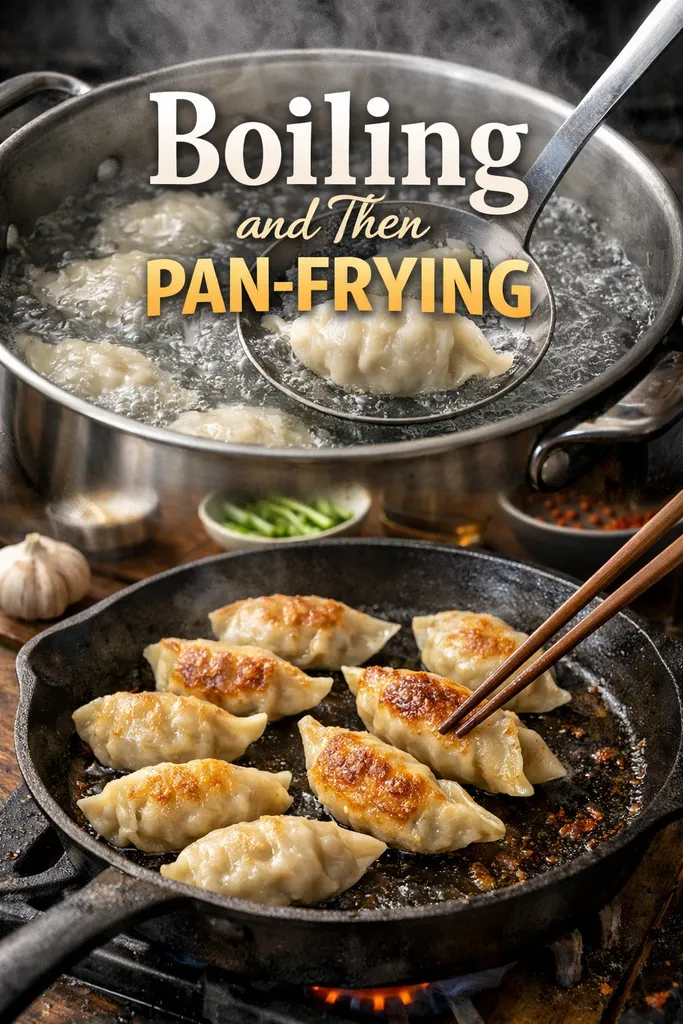
This two-step approach ensures juicy sausages with a crispy finish.
- Start by boiling the sausage in a pot of water for about 10-15 minutes.
- Drain the sausages and transfer them to a preheated skillet.
- Pan-fry on medium-high heat until browned on each side, about 4-6 minutes.
This method minimizes the risk of undercooking while still providing a nice crispy layer.
Using a Slow Cooker
A slow cooker is a fantastic way to prepare sausages with minimal effort.
- Add sausages to the slow cooker with vegetables, broth, and seasonings.
- Set on low for 6-8 hours or high for 3-4 hours.
The result is tender sausage packed with flavor, perfect for hearty meals.
Essential Tips for Cooking Sausage
- Check the internal temperature: Always ensure your sausage reaches 160°F (71°C) to ensure it’s safe to eat.
- Use natural casings: If possible, choose sausages with natural casings as they enhance flavor and texture.
- Rest your sausages: Let them sit for a few minutes after cooking to lock in juices.
- Try different seasonings: Experiment with spices and marinades for unique flavors.
These techniques will expand your cooking skills, no matter if using a stovetop, oven, grill or slow cooker. For more on how to cook sausage, visit Simply Recipes and Epicurious.
Cooking sausage doesn’t have to be intimidating. With these techniques and tips, you’ll create delicious meals that will impress family and friends every time!
The Best Types of Sausage for Different Dishes

Sausages are a wonderful ingredient, turning mealtime into an unforgettable time. But they do come in different flavors and types, so choosing the right one for your dish is essential. Here are several of the best types of sausage for a variety of culinary creations.
Breakfast Dishes
There’s no breakfast better than the traditional breakfast sausage. It’s typically made with pork and seasoned with a mélange of spices, giving it both savory and hearty qualities. Here are some popular choices:
- Pork Sausage Links: These are small, typically sweet or mildly spicy, and perfect for pairing with pancakes or eggs.
- Chicken Sausage: A leaner alternative, chicken sausage provides a lighter option without sacrificing flavor. Look for varieties infused with herbs.
- Turkey Sausage: Ideal for those watching their fat intake, turkey sausage can be seasoned similarly to pork sausage for a tasty breakfast.
Lunch and Sandwiches
For lunch, sausages can make excellent sandwiches or salads. Here are some recommendations that help enhance your midday meals:
- Italian Sausage: This type comes in both sweet and spicy variants, making it perfect for Italian sandwiches. Grill or sauté it, then serve in a crusty bun with marinara sauce.
- Bratwurst: Perfect for grilling, bratwurst has a mild flavor that pairs well with sauerkraut and mustard.
- Chorizo: This spicy sausage hails from Spain and Mexico. It adds a robust flavor to tacos, burritos, or even salads.
Dinner Options
Sausages can elevate your dinner dishes and make them more hearty. Here are some types to consider:
- Andouille Sausage: Commonly used in Cajun cooking, this smoked sausage is a key ingredient in gumbo and jambalaya.
- Farmers Sausage: This is a traditional sausage that can be added to stews or roasted with vegetables for a comforting dinner.
- Sundried Tomato & Basil Chicken Sausage: A flavorful option great for pasta dishes or simply sliced and added to salads.
Slow Cooking and Stews
Some sausages are best when cooked slowly, allowing their flavors to meld into hearty meals. Consider these options:
- kielbasa: This Polish sausage is ideal for slow-cooked dishes like soups and casseroles. Its smoky flavor enhances the overall dish.
- Duck Sausage: Adds a touch of gourmet flair to your stews while bringing rich flavors. Perfect for a special occasion.
Grilling and Barbecues
Summer is a great time for BBQ and grilling, and sausages are the life of the party. Here are the best options for grilling:
- Bratwurst: Perfect for grilling. Just cook them slowly over medium heat until browned and cooked through.
- Argentinian Chorizo: Known for its seasoning, this type of chorizo is great for grilling and serves wonderfully with chimichurri sauce.
Unique Flavor Sausages
If you’re looking to spice things up, consider trying these unique types of sausages:
- Beer Bratwursts: Infused with beer, they offer a distinct taste that’s fantastic on the grill.
- Vegetarian Sausage: For those who prefer a meat-free option, plant-based sausages made with ingredients like tofu or lentils can be flavorful and satisfying.
The right kind of sausage sneaks into your dishes and introduces new flavors and textures to your recipes. What with 1,000 different varieties out there, you’re bound to find the right sausage for whatever you’re cooking. For more on sausages, visit Sausage Republic and The Kitchn.
Explore your options and savor the delicious possibilities that sausages can provide in your meal planning!
Safety Tips for Cooking and Storing Sausage
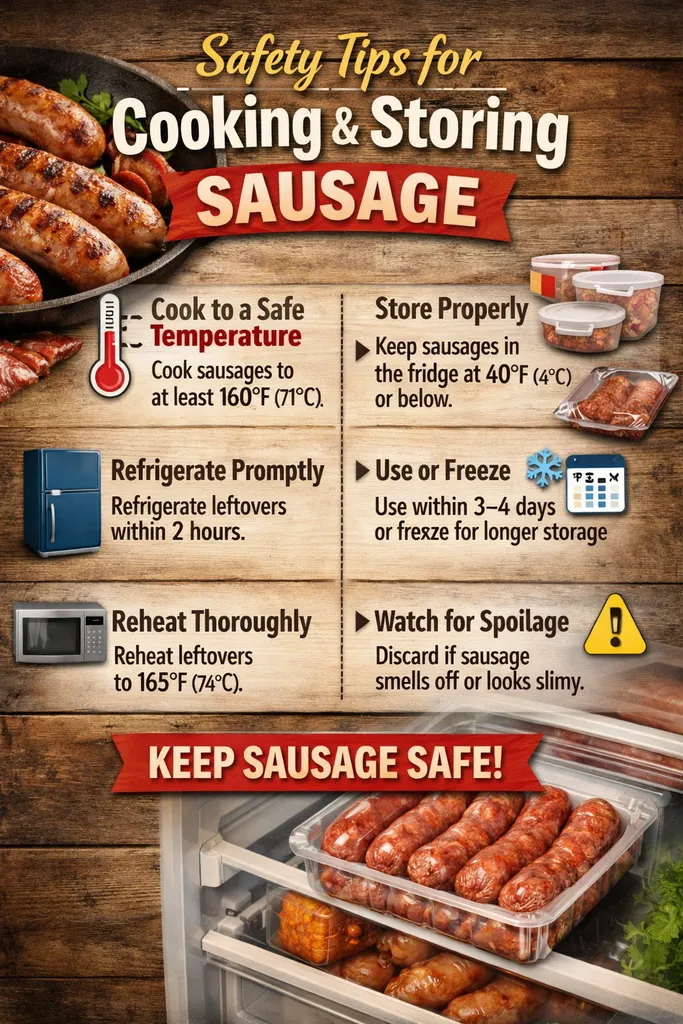
When it comes to preparing sausage, safety comes first. Whether you’re grilling, pan-frying or baking sausage, proper handling and storage are crucial to both delicious meals and safe eating. So here’s an assortment of safety tips that will allow you to enjoy sausage worry-free.
The most important thing to do with sausage is wash your hands before and after handling it. Because raw meat can harbor bacteria, clean hands also keep you from cross-contaminating food. Use soap and warm water, ~scrub 20 seconds. And, wash all surfaces and utensils. That includes countertops, cutting boards and knives. It is a very good way to mix the flavors, as well as to avoid contracted foodborne diseases using separate boards for raw meat.
As with other types of sausage, it’s important to properly cook it through to the right internal temperature. For pork, beef and lamb sausages the USDA recommends cooking to an internal temperature of 160°F (71°C) and for poultry sausage to 165°F (74°C). The most accurate way to check this is with a dependable meat thermometer. Insert into the thickest part of the sausage, taking care that it does not touch the pan. And when it reaches the safe temperature, that’s not only safe to eat; it also has the best flavor and texture.
Another crucial aspect is proper cooking techniques. Here are some methods:
- Grilling: Preheat your grill to medium heat. Place the sausages on the grill, turning occasionally, until they have grill marks and reach the proper temperature.
- Pan-frying: Heat a little oil in a skillet over medium heat. Add the sausages and cook for 12-15 minutes, turning occasionally, until browned and fully cooked.
- Baking: Preheat your oven to 400°F (200°C). Place sausages on a baking sheet and bake for 20-25 minutes, turning halfway through.
Proper storage of sausage is as important as proper cooking. If you have leftover cooked sausage, it should be kept in the refrigerator within two hours of cooking. This should be stored in airtight containers to preserve freshness and consumed within 3-4 days. If you don’t plan to eat it within that time frame, think about freezing it.
| Storage Type | Duration |
|---|---|
| Refrigerator | 3-4 days (cooked) |
| Freezer (cooked) | 2-3 months |
| Refrigerator (raw) | 1-2 days |
| Freezer (raw) | 1-2 months |
The safest method for thawing frozen sausage is in the fridge. This way, it avoids the danger zone in which bacteria can grow. If you’re in a rush, then the microwave or submersion in cold water is helpful, but cook it immediately after thawing.
Also, consider food allergies and sensitivities. Some individuals may have an allergy to certain spices or fillers used in sausage. If you are buying prepackaged sausage, always read the labels.” This approach can spare you from unpleasant health surprises.
Of course, always look for expiration dates on packaged sausage. If sausage appears mottled or off-smelling, don’t tempt fate. Discard it right away. As with all things cooking and storage, safety should always come first, especially when working with sausage.
For the more details, head over to FoodSafety. gov for the most up-to-date best practices on cooking and storing food. It is just one more glorious step to take when cooking sausage and makes your life much safer please do not skip it it will make you feel much better in terms of health.
By following these safety tips, you can enjoy delicious sausage dishes while keeping foodborne illnesses at bay. Happy cooking!
Delicious Sausage Recipes for Every Meal
Not only do sausages deliver versatility, they provide punchy flavor too — making them a terrific choice for any meal of the day. And from breakfast, to lunch and dinner, there is a tasty sausage recipe for you. If you feel similar, here are few tasty ideas that get your mouth watering.
Breakfast Sausage Recipes
Start your day off right with these hearty breakfast sausage recipes. They’re easy to make and full of energy-boosting ingredients.
- Classic Breakfast Burrito
Ingredients:- Breakfast sausage
- Scrambled eggs
- Shredded cheese
- Flour tortillas
- Chopped vegetables
Instructions: Cook the sausage, scramble the eggs, and then wrap everything in a tortilla. Top with cheese and salsa for an added kick.
- Savory Sausage and Gravy
Ingredients:- Ground sausage
- Flour
- Milk
- Biscuits
Instructions: Cook ground sausage in a pan, then stir in flour and gradually add milk until thickened. Serve over warm biscuits.
Lunch Sausage Delights
These lunch recipes with sausage will keep you satisfied and energized throughout the afternoon.
- Sausage and Pepper Sandwich
Ingredients:- Italian sausage
- Bell peppers
- Onions
- Sub rolls
Instructions: Grill or sauté sausage until cooked through. Add peppers and onions and cook until soft. Serve in a toasted sub roll.
- Sausage Pasta
Ingredients:- Ground sausage
- Pasta of choice
- Tomato sauce
- Parmesan cheese
Instructions: Brown the sausage, add cooked pasta, and finish with tomato sauce and parmesan cheese. Simmer for a few minutes before serving.
Dinner with Sausage
Wrap up your day with satisfying dinner recipes, showcasing the rich flavors of sausage.
- Sausage and Vegetable Skewers
Ingredients:- Sausage links
- Zucchini
- Cherry tomatoes
- Bell peppers
- Olive oil
Instructions: Cut sausage and vegetables into chunks, marinate with olive oil, then skewer and grill until cooked.
- Sausage Stuffed Peppers
Ingredients:- Bell peppers
- Ground sausage
- Rice
- Cheese
Instructions: Mix cooked rice with ground sausage and stuff into halved peppers. Top with cheese and bake until the peppers are tender.
Quick and Easy Snacks
For a quick bite, these recipes are perfect for snacking or serving at gatherings.
- Sausage Rolls
Ingredients:- Puff pastry
- Sausage meat
- Egg wash
Instructions: Wrap sausage meat in puff pastry, brush with egg wash, and bake until golden brown.
- Sausage Quesadillas
Ingredients:- Cooked sausage
- Cheese
- Tortillas
Instructions: Assemble sausage and cheese between two tortillas, grill until crispy, and slice into wedges.
These delicious sausage recipes include a wide range of flavors and cooking styles — there’s something for everyone! If you want to know more ways to cook sausage or need some ideas for recipes, turn to Sausage Source or find delicious ideas at Food Network.
Use these easy and delicious ideas to make sausage the center of your meals at any time of day! Sample sausages in the kitchen, and see for yourself how versatile (and satisfying) they can be.
Exploring Global Sausage Varieties and Cooking Methods
Sausages from around the world: Each region has their own unique flavor, cooking technique, herbs & spices — making for some of the most mouth-watering varieties! From an ancient staple to a modern delicacy, this delightful meat product is an essential component in different cuisines as well; furthermore, it is one delicious form of cultural expression.
There are myriad types of sausage found around the world, each adding something special to this dish. Grilled, boiled, smoked; sausages bring food lovers together across cultures. Here is a guide to some major types of sausage and how to cook them.
Popular Global Sausage Varieties
Each country boasts its specialties, often using locally available ingredients. Below are some of the most popular types of sausages found worldwide:
- Bratwurst – Originating from Germany, bratwurst is made primarily from pork and is often flavored with spices such as ginger, nutmeg, and cardamom.
- Chorizo – A spicy Mexican sausage, chorizo is typically made from pork, seasoned with chili powder, and smoked paprika.
- Saucisse de Toulouse – A French sausage known for its flavor, it consists of pork, salt, and several herbs and spices.
- Andouille – This smoked sausage hails from France and is a staple in Cajun cooking. It is usually made with pork and has a robust flavor.
- Lap Cheong – A sweet and savory Chinese sausage that is often used in rice dishes and stir-fries, made primarily from pork and flavored with sugar, soy sauce, and rice wine.
Cooking Methods for Sausages
Once you have chosen your sausage, it’s time to cook. Various sausage varieties also benefit from different cooking methods to amplify flavors. Here are a few cooking techniques that do the trick:
Grilling
One of the most common ways to prepare sausages is grilling since it delivers a smoky taste and juicy texture. You want to preheat your grill to medium heat. Put sausages directly on the grill grates. Fry until golden brown for about 10-15 minutes, turning occasionally then remove and ensure your internal temperature of between 160°F (71°C).
Boiling
Boiling is a simple method that keeps the sausages moist. To do this, put the sausages into a pot, then cover them with water. Bring the water to a simmer and let cook, with the sausages submerged, for about 20 minutes. You can then finish them on the grill or in a skillet for some extra crispiness.
Baking
Another great cooking method is to bake the sausages in the oven. While your oven is preheating at 375°F (190°C) and place the sausages on a parchment-lined baking tray. Bake 25-30 minutes or until the internal temperature reads 160°F (71°C), turning halfway for even baking.
Frying
Frying sausages gives you a crisp surface. In a pan, heat some oil over medium heat. Add the sausages to the pan, and cook for about 10 to 15 minutes, turning from time to time until browned and cooked through.
Regional Cooking Secrets
| Region | Sausage Type | Cooking Secret |
|---|---|---|
| Germany | Bratwurst | Allow to simmer in beer before grilling. |
| Spain | Chorizo | Cook in olive oil with garlic for depth of flavor. |
| USA | Andouille | Use in a gumbo for authentic Cajun taste. |
| China | Lap Cheong | Steam before slicing to enhance sweetness. |
If you’re venturing into the world of sausages, experimenting with alternative methods for cooking them can be a delightful culinary adventure. For more on how to make sausage (and recipes from other cultures), see here or visit websites like Serious Eats or Food & Wine.
By understanding the variety of sausage available around the world and learning how to properly cook it, you can make your next meal even better. So if you want to follow along with these flavorful traditions, continue on your sausage-making world tour!
Conclusion
Cooking sausage is an art and a science, so learning the key techniques covered here can improve your overall cooking skills. Knowing the best kinds of sausage for different types of meals can take your cooking game, whether you’re grilling for a barbecue, spicing up pasta or reheating a hearty breakfast. Always follow safe-cooking guidelines when you handle and store sausage, so that you can enjoy your food without worry.
From spicy chorizo to savory bratwurst, the world of sausage is so varied that these links can find a home in any cuisine. Incorporating global sausage varieties into your cooking not only expands your palette but also inspires thrilling culinary adventures in the kitchen.
With plenty of great sausage recipes at your disposal, you’ll find that there’s so much versatility in sausage. Whether you’re in the mood for something traditional and comforting or something a little more avant-garde, there’s definitely a sausage recipe that’s right for you. Go on, experiment and have lots of fun cooking sausage, whether it be the price singling as per meal or the taste leaving behind strange taste bud entangles.
As you delve into sausages and the myriad ways to cook them (Jamie Oliver has about 80 recipes for them, but don’t feel like you need to cook that much), rest assured that practice and a little imagination will help get your tongue around how to be a better, more confident cook. Feel free to experiment with different spices, herbs and cooking methods. In every new dish, you’ll find your own favorite ways to cook sausage, turning mealtime into a celebration of flavors and traditions. Happy cooking!