

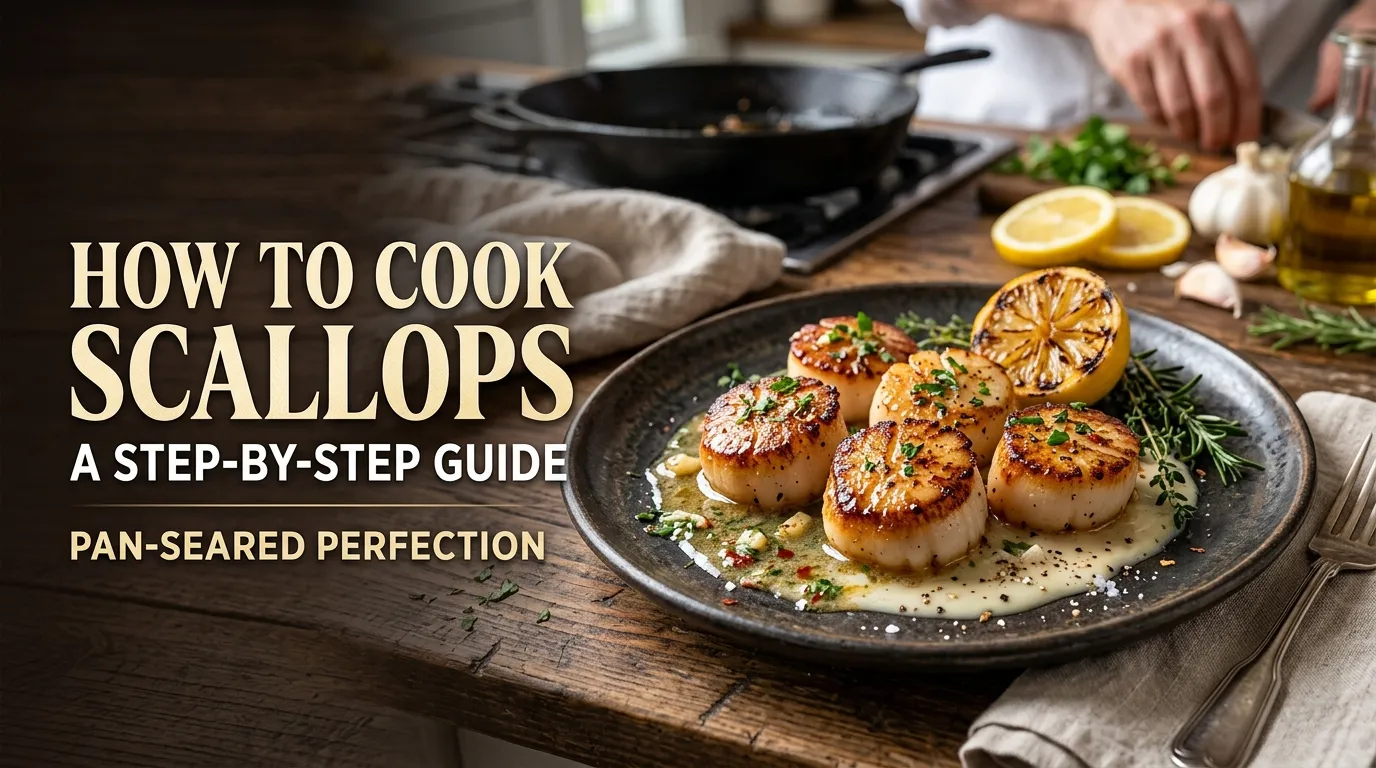

If you want to know how to cook scallops, well, good for you. Scallops are a type of seafood, prized for their sweetish taste and tender texture. Cooking them is easier than you might expect, and with this step-by-step guide, you’ll impress family and friends with restaurant-quality scallops from the comfort of home.
Choosing Fresh Scallops
As with anything you cook, before you start cooking them, you have to choose the right scallops. Seek out ones that are fresh or sustainably sourced. Here are some tips on what to look for:
- Scallops should smell fresh, like the ocean — clean. Steer clear of those with a pronounced fishy smell.
- Opt for scallops that look moist and shiny, not dry or slimy.
- When purchasing packaged scallops, check the sell by date to ensure their freshness.
Preparing Scallops
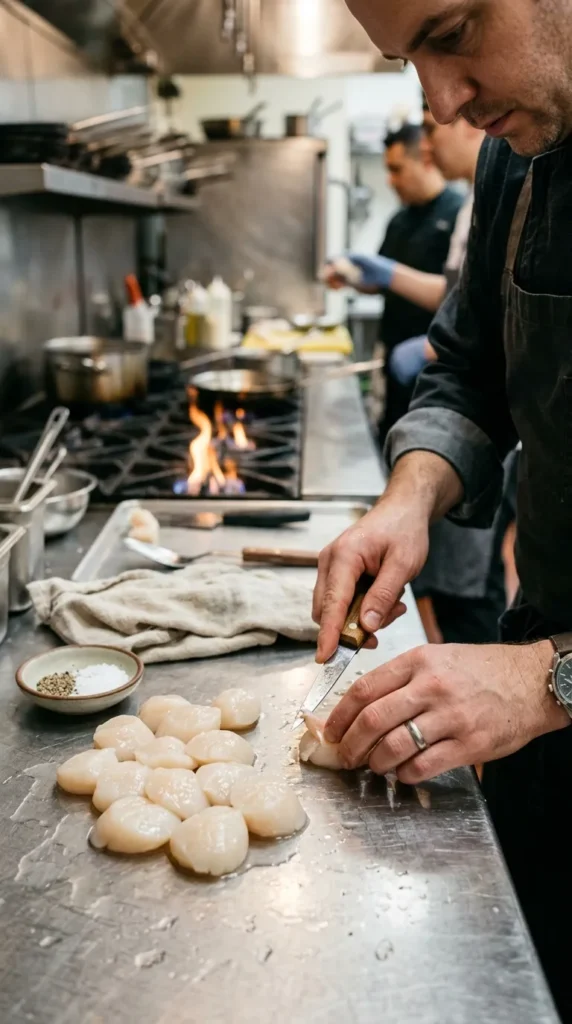
Achieving the right texture when cooking scallops requires proper preparation. Follow these steps:
- Thaw Your Scallops: If buying frozen scallops, thaw in the refrigerator overnight or you can put them in a sealed bag and submerge them in cold water for an hour.
- Dry: Pat scallops dry with paper towels. With moisture removed, they can sear more effectively and won’t steam.
- Find Pair of the Side Muscle: Locate the side muscle, which is a flat-fleshy rectangle attached to scallop. Carefully remove it, because it’s a little hard.
Cooking Techniques
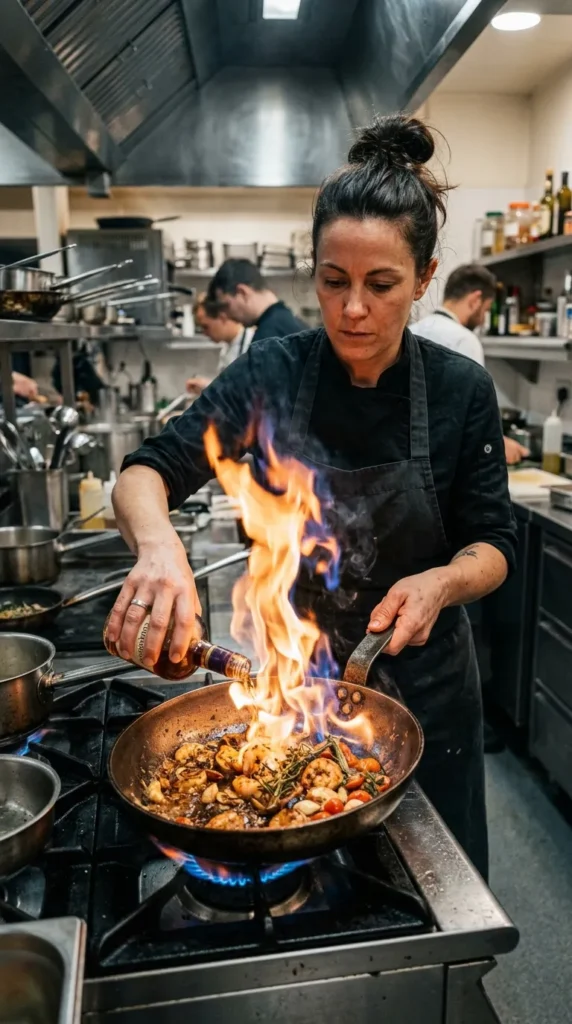
Scallops are versatile and can be cooked in a few different ways, often with varying nuances of flavor and texture. Here are three techniques that you can experiment with:
Searing Scallops
One of the most widely practiced techniques is to sear scallops, which makes for a lovely golden crust. Follow these steps:
- Preheat a skillet on medium-high heat with a light coating of oil (like olive oil or grapeseed oil).
- When the oil is hot, put the scallops in the pan. Check they’re not crowded; cook them in batches, if needed.
- Leave them undisturbed, cooking for 2 – 3 minutes. Turn when a gorgeous crust has formed, then cook for an additional 1 to 2 minutes. They should be opaque and firm to the touch.
Grilling Scallops
Grilling gives these scallops a smoky flavor. Here’s how to do it:
- Preheat your grill over high heat. If using wooden skewers, soak 30 minutes in water to prevent burning.
- Gently skewer the scallops, brush with olive oil and seasoning of choice.
- Grill until they are opaque with grill marks, 2 to 3 minutes per side.
Baking Scallops
Baking is one of the better hands-off cooking methods. Here’s an easy method:
- Preheat the oven to 425°F (220°C).
- Arrange the scallops in a baking dish, seasoning with salt and pepper and a drizzle of melted butter.
- Bake for 12-15 minutes until cooked through.
Serving Suggestions
When your scallops are cooked, it’s time to serve them! Here are a few ideas:
- If you’d like a hearty meal, serve over creamy risotto or pasta.
- Top a new salad with for something light and healthy.
- And drizzle with a lemon butter sauce for extra flavor.
Bonus Tips for Perfect Scallops
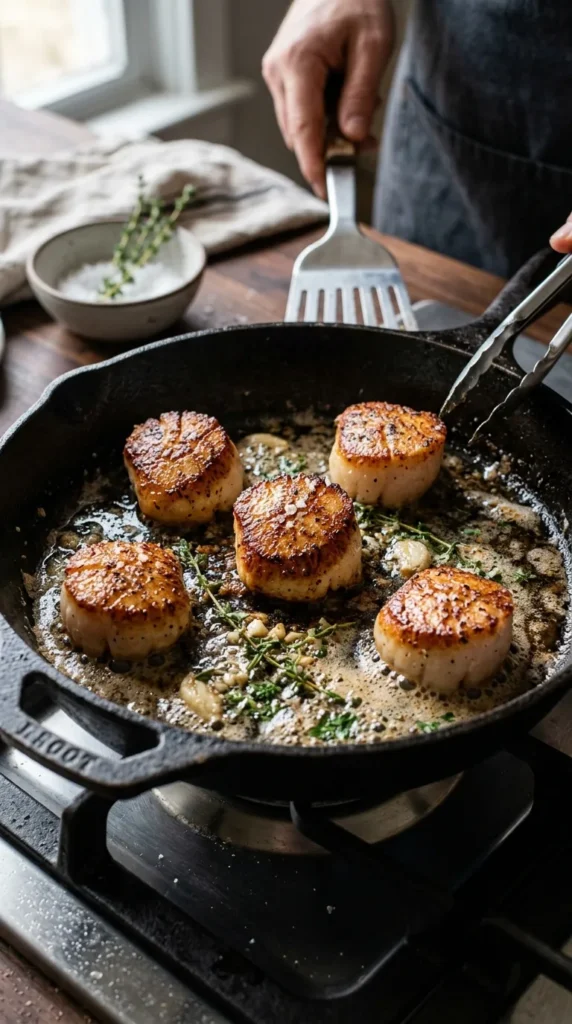
You will note that scallops have been cooked to your preferred taste in seafood, with just the right texture.
- Do not crowd the pan — scallops need room to cook evenly.
- Allowing the scallops a minute to rest after cooking also intensifies their taste.
- Try various marinades or seasonings to discover what flavors you prefer.
- Now that you know how to cook scallops, you can have this delicious seafood dish whenever you please. For more delicious seafood recipes and tips, visit Seafood Nutrition or see Cooking Light’s seafood guides. Happy cooking!
How to Sear Scallops Like a Pro
If you want to cook scallops the right way, you need to know how to sear them. Searing gives scallops a beautiful, golden crust and amplifies their natural sweetness. We explore here the best techniques to get that all important sear.
Choosing Fresh Scallops
Even before you lace up your apron, choosing quality scallops is key. Look for:
- Bright, moist, and translucent appearance
A mild ocean scent
When possible, choose organic to eliminate additives
Broadly speaking, there are two varieties of scallops found in stores: bay and sea scallops. Bay scallops are smaller and sweeter; sea scallops are larger and meatier, which makes them perfect for searing.
Preparation Steps
Follow these key preparation steps to get perfectly seared scallops:
Thaw: If frozen, scallops may be thawed in the refrigerator overnight or sealed in a bag and submerged until thawed, about an hour.
Drying: Pat the scallops dry with paper towels. This keeps it from steaming during cooking and makes for a crispy outside.
Season: Season scallops lightly with salt and pepper. This simple seasoning allows their natural flavor to shine.
Choosing the Right Cooking Fat
The fat you cook with is an important factor, too. Here are a few options:
Butter: Adds flavor but has a lower smoke point, so combine with oil for higher heat capacity.
Olive Oil: A good option for flavor and higher smoke point.
Vegetable Oil: Mild flavor and higher smoke point, great for searing.
Cooking Methods
There are multiple ways to cook scallops successfully. Here are two popular ones:
Pan-searing
Here’s how to pan-sear scallops:
- Heat a nonstick or cast-iron skillet to medium-high heat.
- Pour in two tablespoons of oil, and heat it until shimmering.
- Add the scallops to the skillet, making sure they do not touch each other. Steaming, not searing, because overcrowding.
- Let them cook for 2-3 without touching until golden. Turn and cook for another 1 to 2 minutes.
Grilling
Scallops sometimes take quite nicely to grilling and can impart a smokiness you wouldn’t find in any other preparation. Scallops: How to Grill Them
- Light a grill and heat it to medium-high.
- Skewer the scallops on metal or soaked wooden skewers so they don’t fall through grates.
- Lightly brush them with oil and season.
- Cook 2-3 minutes each side until opaque.
Temperature Check
The internal temperature of the scallops should not exceed 125°F (52°C) for moist and tender perfection. For the most accurate measurement, use a meat thermometer. Keep in mind that scallops will keep cooking slightly off heat, so remove them just before they hit this temperature.
Serving Suggestions
There are many different ways to eat scallops. Ponder this addition or two that’ll take your dish to the next level:
- Serve them with a simple lemon-garlic butter sauce.
- Serve over a bed of risotto or pasta.
- Finish with fresh herbs such as parsley or chives for more flavor.
- For more about cooking scallops, visit Saveur or Serious Eats.
- With these techniques and tips, you will be well on your way to perfecting the art of cooking scallops. A little bit of practice and you will be able to whip up something to impress family and friends!
Flavor Pairing: What Flavors Go with Scallops?
So when you sit down to prepare scallops, there is potential for a great dish if you choose flavors appropriately. These sweet, tender bites leave room for abundant variation and pair well with numerous accompaniments. Here’s a look at some truly great flavors that complement scallops beautifully.
Herbs and Spices
Herbs and spices lend richness and nuance to the scallops’ natural sweetness. Here are some excellent choices:
Parsley: Fresh parsley adds a bright, earthy flavor.
Basil: The sweet, slightly peppery flavor of basil pairs excellently with scallops.
Dill: Its floral notes mirror beautifully in a citrus sauce.
Garlic: A classic combo; minced garlic adds savoriness.
Paprika: Smoky paprika adds an exciting spin, especially when sautéed.
Citrus Elements
Citrus fruits are a great way to liven up your scallop recipe. Consider these options:
- Lemon: Fresh lemon juice or zest brightens up the richness of the scallops.
- A squeeze of lime adds tartness that brightens the flavors.
- Orange: The light sweetness of orange works nicely with scallops, particularly in a sauce.
Sauces and Oils
Which sauce or oil to use can draw out the natural flavor notes of scallops. Popular options include:
Brown Butter: Nutty and rich, brown butter makes a decadent pairing.
Chive Cream Sauce — For a little depth and zing, this sauce adds a hint of creaminess and fresh flavor.
Pesto: For an Italian take, use basil or sun-dried tomato pesto.
Chili Oil: A drizzle of spicy and aromatic chili oil can gives your scallops a kick.
Vegetables
The fresh and bright dish is scallops paired with the right vegetables. Some of the best options to consider are:
Asparagus The somewhat grassy taste of asparagus pairs well with scallops.
Spinach: Some lightly sautéed spinach gives some color and nutrients.
Corn: The sweet corn kernels can make scallops all the more sweeter.
Peas: Fresh peas add sweetness and a pop of color.
Tying It All Together
When putting these flavor pairings together, think about how they can form a cohesive dish. A recipe for scallops with lemon, garlic and asparagus can make for a fresh, bright meal, for instance. Or serve scallops simply sautéed with brown butter, chive cream sauce and sautéed spinach for an elegant blowout.
Wine Pairings
If you’re having scallops, with a glass of wine, here are terrific choices:
- Sauvignon Blanc: The citrus notes of Sauvignon Blanc perfectly counter the sweet flavors of scallops.
- Chardonnay: A bit of an oaky character in a seared scallops complements them beautifully.
- Pinot Grigio: Dry and refreshing, a great pairing.
Experimenting with Global Flavors
Feel free to seek out international flavors to enhance your scallop dishes:
- Asian Style: Use a soy sauce-based glaze with ginger and sesame for some umami oomph.
- Latin Flavors: You can make a less dull ceviche or salsa with lime, cilantro and a little jalapeño.
- Mediterranean Style Scallops with olives, tomatoes and feta.
- The complementary flavors can elevate a simple scallop dish into something gourmet. For recipes and more ideas, check out sites like Food Network and Serious Eats. Have fun creating these pairings and let your creativity in the kitchen flourish!
Big Mistakes to Avoid When Cooking Scallops
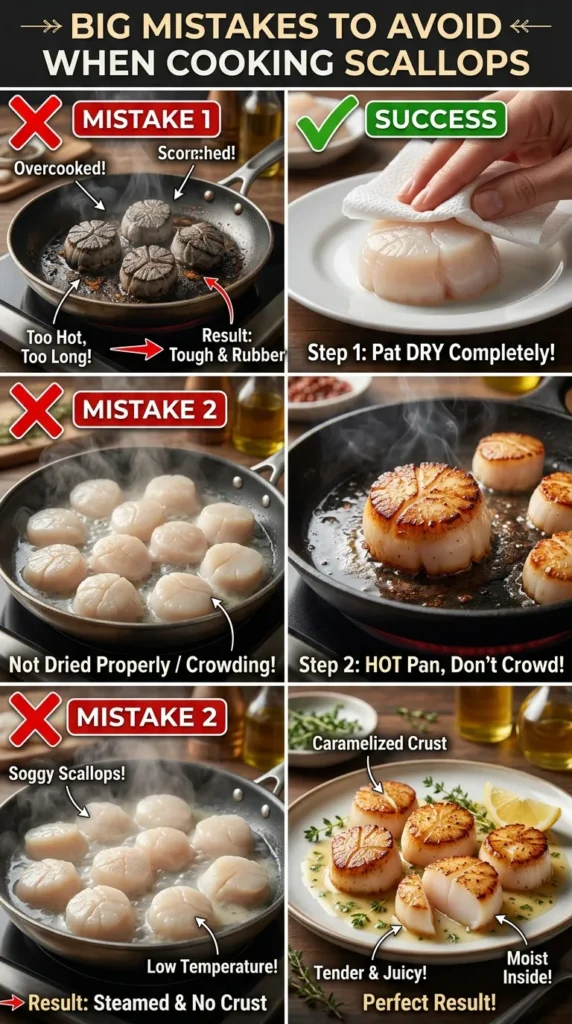
Cooking scallops can be one of the great pleasures of home cooking, but it’s also relatively easy to make a mistake or two that results in a dish you’d rather not eat. Knowing these common pitfalls will help you to get perfect scallops every time. Here are some common mistakes to avoid when cooking scallops.
Disregarding the Quality of The Scallops
When it comes to scallops, quality is king. Always elect for fresh scallops if you can. Seek out firm, glistening scallops that smell sweet and briny. Steer clear of any that smell strongly fishy or look dull. When in doubt, consult trusted resources like Seafood Watch for guidance on where to shop for sustainable seafood.
Not Properly Thawing Frozen Scallops
If you buy frozen scallops, you’ll want to thaw them properly. Don’t just leave them out to warm up at room temperature. Instead, bring them into the refrigerator overnight. Or, to speed it up, place them in a plastic bag and put that bag into cold water for about an hour. This technique allows for even thawing without compromising texture.
Skipping the Drying Step
One classic blunder is to cook scallops without drying them. Scallops that are moist won’t perform a proper sear, resulting in rubbery flesh. Once thawed, use paper towels to pat them dry. This simple step helps cultivate a beautiful golden crust, enhanced flavor and better presentation overall.
Overcrowding the Pan
When cooking scallops, give them room in the pan. Overcrowding can reduce the pan temperature, which hinders good browning. Instead, cook in batches. This method gives each scallop enough space for a nice, even cook, and that coveted caramelization. Depending on their size, this is about two to three scallops per medium-size skillet.
Using Low Heat
Scallops are very much a high-heat cooking job. Cooking over low heat can also make them steam, not sear — and therefore be much less textured. Heat your pan over medium-high heat, then oil When shimmering, add the scallops. Pan fry the steaks about 2-3 minutes on each side (depending how big they are) for a nicely browned outside and soft inside.
Overcooking the Scallops
Scallops cook quickly and become rubbery if you overcook them. Look for golden brown and slightly translucent in the center. I use an instant-read thermometer to check for doneness; I consider them perfectly cooked somewhere around 125 degrees Fahrenheit (52 degrees Celsius). Timing differs depending on size and amount of heat, so keep a close eye!
Neglecting Seasoning
Don’t overlook seasoning your scallops. Just a few sprinkles of salt and pepper really brings out their natural flavor. Add ins like garlic, lemon zest, or fresh herbs add extra flavor. These bring your dish to a higher level without overpowering the scallops’ subtle flavor.
Pairing Incorrectly
Complements matter when serving scallops. Pair them with light, fresh flavors — citrus, herbs, light sauces. Rich sauces can drown the dish out. A lemon-butter sauce, a simple herb vinaigrette, or a light vegetable accompaniment are all good options to maintain the attention on the scallops.
Not Letting the Scallops Rest
Let your scallops rest for a minute after cooking. This lets juices redistribute, improving the final texture. A warm plate for just a couple minutes makes a difference in the taste and juiciness of your scallops.
Failing to Experiment
Cooking is an art process, and scallops are versatile. Experiment with cooking methods: besides pan-searing, consider grilling or baking. Make use of the marinades or glazes, bringing creativity to your cooking. New flavors can broaden your culinary horizons.
If you avoid these common mistakes, you’ll be on your way to enjoying perfectly cooked scallops. Always go for the freshest option, be mindful of cooking times, and don’t hesitate to experiment. If you do get scallops just right at home, now you’ve got a special event dinner that will be special every time. For more detailed cooking tips, check out sources like Culinary Hill.
The Health Benefits of Eating Scallops
But scallops are more than simply a tasty seafood meal — they are also highly nutritious, making them an excellent inclusion for anyone trying to stay healthy. Often prized for their delicate texture and sweet, buttery flavor, the shellfish are also anchored on essential nutrients that may help support overall health. If you’re thinking about adding scallops to your dinner rotation, here’s what you need to know about their health benefits.
Nutritional Profile of Scallops
Greener Pastures When it comes to a seafood option, scallops beat them all when you check their nutrient density. A 3-ounce serving of cooked scallops contains:
High in Protein
Scallops have a host of nutritional benefits, one of them being their protein density. Packed with 20 grams of protein in a mere few ounces, scallops contribute to daily protein intake. Protein plays a key role in muscle repair and recovery, immune function, and metabolic health. scallops into your diet can help you more easily meet your protein needs without too much fat or calories.
Low in Fat and Calories
If you’re counting calories, you’ll be glad to know scallops are low in both calories and fat. They are perfect for a lighter meal but not sacrificing flavor. Scallops can be grilled or sautéed, and they’re even delicious baked, so they are a versatile ingredient in many different types of dishes.
Rich in Vitamins and Minerals
Scallops are not just good for you in terms of macronutrients; they also contain key vitamins and minerals that can support general health:
Vitamin B12: Important for nerve function and DNA and red blood cell production.
Iron: Important for oxygen transport in the blood and for preventing anemia.
Zinc: Aids immunity and wound healing.
Omega-3 Fatty Acids
Although scallops are lower in fat than many types of seafood, they still contain some omega-3 fatty acids, which are good for heart health. Omega-3s help promote heart health by reducing inflammation and enhancing blood circulation. Eating an omega-3-rich diet on a more regular basis may help lower your risk some chronic diseases, and scallops are smart food for your meals.
Potential Health Benefits
Including scallops in your diet may provide a number of health benefits:
- Healthy Heart: Omega-3s and low saturated fat help promote a healthy cardiovascular system.
- Weight management: Can promote weight loss due to high protein and low-calorie content.
- Supports Immunity: Scallops are abundant in essential nutrients that support a healthy immune system.
If you want scallops to become a staple on your dinner table, try adding them salads or pasta dishes, or using them as a lean protein in a stir-fry. For more great recipes and additional nutrition information, visit Seafood Nutrition and Eatwell 101.
Scallops are a healthful seafood choice, providing a lot of bang without the pervasive caloric buck. Scallops are the perfect, versatile food to add to your meal plan while working towards good health. So the next time you’re about to plan a meal, make an effort to reach for this flavorful shellfish. Your body will thank you!
Conclusion
Cooking scallops well is as much about technique and flavor familiarity as it is about knowing common mistakes. Follow the step-by-step instructions for cooking scallops in this article and you will find yourself with perfectly pan-seared scallops that every one gets to feel how good they taste. Bear in mind that the best cooking methods — pan-searing or grilling, say — showcase the sweet flavor of the scallops.
Serving scallops with flavors that complement them takes your dish even one step further. Ingredients like lemon, garlic and fresh herbs can elevate that natural sweetness, treating your taste buds to a gastronomic experience with every bite.
But it’s important not to make a few common mistakes, like crowding the pan or overcooking the scallops, which will yield rubbery texture and less flavor. By being aware of these mistakes, you will keep the scallops fresh and juicy, achieving a restaurant-level quality at home.
Scallops are not only a culinary gem; they also have many nutritional benefits. They are also rich in protein, low in calories and packed with essential minerals such as magnesium and potassium, making them a healthy choice for a well-balanced diet.
Adding scallops to your culinary repertoire, you are treating your taste buds whilst taking care of your body. Whether you’re preparing a simple weeknight dinner or an elegant dish for guests, cooking scallops can be a tasty interlude that tantalizes the palate and is good for your health. Follow these tips, and you will finally be on your way to knowing how to serve up scallops like a pro.