

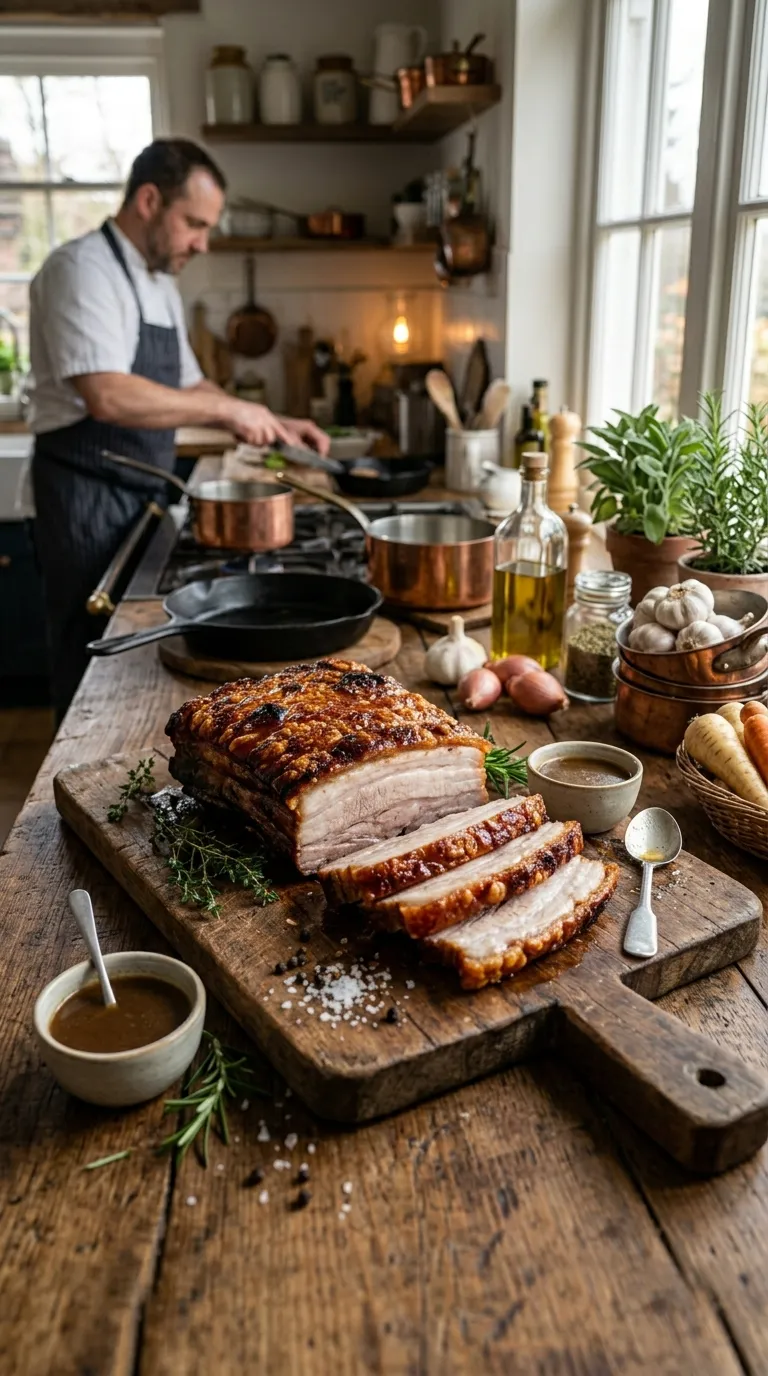

Find out more: Pork belly – the most versatile cut of meat that canhow-to-cook-pork-belly meal into a gourmet experience! Rich in flavour, cooking pork belly is an art that requires a few tailor-made techniques and knowing which flavours balance its unique qualities best.
First, let’s look at the fundamentals of picking out the best pork belly. Seek one with a good proportion of meat to fat. The fat should be creamy-white, and the meat bright red. Pork belly in perfect form will still have a good bit of skin on top. When cooked properly, this layer will crisp up and be oh so wonderful. If you’re in the market for good quality meat, look up Local Harvest and see if there are farms near you that offer pasture-raised pork.
Now, let’s break down the steps for cooking pork belly perfectly.
Preparing the Pork Belly
1. **Score the Skin:** Use a sharp knife to make shallow cuts into the skin in a crisscross pattern. Be careful not to cut too deep. Scoring allows the fat to render out during cooking, leading to that perfect crispy layer.
2. **Brine or Dry Rub:** Consider brining your pork belly in a mixture of water, salt, and spices for a few hours. This helps to enhance flavor and moisture. Alternatively, you can dry rub it with your favorite spices, ensuring to cover every inch, including the cuts you made in the skin.
Cooking Techniques
There are various methods to cook pork belly, but a few are particularly favored for their results:
- Slow Roasting: This method allows the fat to render slowly, resulting in juicy meat and crispy skin. Preheat your oven to 400°F (200°C) after seasoning your pork belly. Place it in a roasting pan, skin side up, and cook for about two hours. Then, increase the temperature to 450°F (230°C) for the last 30 minutes to achieve crispy skin.
- Braising: For a fall-apart tender texture, braise your pork belly. Start by searing the meat in a heavy pot, then add broth or sauce, cover, and simmer on low for 2-3 hours until tender.
- Grilling: Grilling gives a smoky flavor. Cut the pork belly into slices and grill over medium-high heat for about 5-7 minutes per side. Ensure to keep an eye on it, as the fat can catch fire.
Internal Temperature
If you want an extra tender result, ensure they’re perfect by measuring their internal temp with a thermometer at 190 °F (88 °C). A meat thermometer will help you check this accurately. If you want the skin crispy, though, you might need to bring it iteratively up to around 200°F (93°C) for that nice texture without drying it out.
Serving Suggestions
Pork belly can be served in various ways:
- As a Main Course: Pair it with sides like roasted vegetables, mashed potatoes, or a tangy coleslaw.
- In Tacos: Slice and serve in warm tortillas with fresh herbs and a drizzle of lime juice.
- As a Salad Topping: Crispy pork belly can elevate your salad with its rich flavor.
And don’t forget to give your pork belly time to rest after cooking, about 10-15 minutes before slicing. Allowing it to rest means that the juices redistribute throughout the meat, so every bite is flavorful. If you want to know how to apply additional pork belly cooking techniques get deep into flavor profiles and recipes visit Serious Eats.
Pork belly may take a little time to master, but with these tips and tricks, you too can serve up this delicious dish that will wow your family or friends. Whether you like to cook it slow-roasted, braised or grilled, the right technique will turn this humble cut into a grand gourmet affair
Flavor Profiles to Elevate Your Pork Belly Dish

Pork belly is one of those cuts that lends itself to excitement across its variety of possible preparations. Perfect Pork Belly Flavor Profiles to Ramp up your Dish:
Sweet and Spicy
The combination of sweetness and heat creates a balanced flavor profile that works beautifully with pork belly. Here are some ingredients to try:
- Honey or Maple Syrup: These natural sweeteners caramelize beautifully and add a rich flavor.
- Sriracha or Chili Paste: Provides a kick of heat that contrasts nicely with the sweetness.
- Brown Sugar: A great addition for a sugary glaze; it can create a crispy, delightful exterior.
One example is a honey sriracha pork belly glaze that combines the flavors to create a sticky and delicious dish.
Herbs and Citrus
Adding fresh herbs and citrus can brighten up your pork belly dish, bringing a fresh, vibrant flavor to the rich meat. Consider using:
- Fresh Thyme and Rosemary: These herbs impart an earthy flavor that complements pork very well.
- Orange or Lemon Zest: The zest adds brightness, while the juice can tenderize the meat.
- Garlic and Ginger: These aromatics enhance the overall profile and infuse the dish with layers of flavor.
Try making a herb-infused citrus marinade for your pork belly, letting it rest overnight for maximum flavor absorption.
Umami Boost
Umami is known as the fifth taste, and incorporating umami flavors can deepen the richness of your pork belly. Here are some ideas:
- Soy Sauce: Use as a marinade to infuse savory goodness.
- Miso Paste: A traditional Japanese ingredient that adds depth and complexity.
- Smoked Paprika: Enhances smokiness without needing a grill.
Consider a miso-glazed pork belly for a dish that truly exemplifies umami flavors.
Sweet and Tangy BBQ
A classic combination with pork, sweet and tangy BBQ flavors can make your pork belly irresistible. To create this profile, combine:
- Barbecue Sauce: Look for a balanced sauce that offers both sweetness and tang.
- Apple Cider Vinegar: A splash can add acidity and helps to tenderize the meat.
- Mustard: Adds a zing that cuts through the richness of the belly.
Try slow-cooking your pork belly in a BBQ sauce for an exceptional meal that melds all these flavors together.
Asian Inspirations
Asian cuisines offer a plethora of flavors that pair beautifully with pork belly. Consider these ingredients:
- Five-Spice Powder: This blend of spices (star anise, cloves, Chinese cinnamon, Sichuan pepper, and fennel) delivers a warm and aromatic flavor.
- Hoisin Sauce: Sweet and salty, it adds depth and richness.
- Sesame Oil: A little goes a long way in adding nuttiness and gloss to your dish.
For a successful dish, marinate your pork belly in five-spice powder and hoisin sauce, then roast until tender and crispy.
Playing around with these flavors can create delicious and unforgettable pork belly that impresses any friend or family member. Are not afraid of mixing and matching flavors to find your flavor!
For more inspiration and recipes, check out Serious Eats and Food Network.
Common Mistakes When Cooking Pork Belly and How to Avoid Them

Cooking pork belly can be a very rewarding experience, but there are some common mistakes you want to avoid when preparing this delicious cut of meat in order to ensure the best possible final product. Whether you’re a new chef or have some culinary skills under your belt, steering clear of these mistakes will set you up to achieve that crunchy crispy crackling and tender meat that everyone desires.
Choosing the Wrong Cut
Another common mistake is choosing the incorrect cut of pork belly. Not all pork belly is the same. For flavor and texture, you want the cut to have a good ratio of meat to fat. Choose a piece that’s evenly thick and has a thin, even layer of fat across the top. The skin should be whole and look firm, not speckled with spots.
Improper Seasoning
Another common mistake is failing to properly season the pork belly. Seasoning is key for pumping up the inherent flavors of the meat. Follow these steps to ensure that your pork belly is highly seasoned:
- Pat the pork belly dry with paper towels to remove excess moisture.
- Rub a generous amount of salt all over the skin and meat.
- Consider adding spices like pepper, garlic powder, or even a dash of cayenne for extra flavor.
Not Scoring The Skin
Not scoring the skin can result in soggy crackling. Scoring is a process of cutting the skin in shallow lines, which helps to render the fat out and finish crisping. How to score pork belly:
- Use a sharp knife to make diagonal cuts across the skin, being careful not to cut into the meat.
- Space the cuts about an inch apart to allow for adequate crisping.
Insufficient Cooking Time
Cooking pork belly requires patience. Hurrying the cooking can result in tough meat and rubbery skin. You want the pork belly to break down, so it’s best at a low temperature over time. Try cooking at 300°F (about 150°C) for a few hours until tender. End with a brief high-heat blast to crisp the skin. So, here’s a chart of temperatures that may come in handy:
| Cooking Method | Temperature | Cooking Time |
|---|---|---|
| Slow Roast | 300°F (150°C) | 3-4 hours |
| Finish for Crisp | 450°F (232°C) | 20-30 minutes |
Skipping Rest Time
Many cooks skip the resting step after cooking the pork belly. Resting helps the juices redistribute all over and inside the meat so when you take a bite each is flavor-rich and moist. Cover and let it rest for at least 15 to 20 minutes before slicing. A simple gesture such as this can transform the whole dining experience.
Overcooking or Undercooking
As for cooking time, getting it right is critical. Pork belly that’s cooked too long is dry, while pork belly that isn’t cooked long enough is tough. For best results, use a meat thermometer – the internal temperature should read at least 190°F (about 88°C). If you’re uncertain, it’s better to err on the side of using a thermometer than guessing.
Forgetting About Accompaniments
Pork belly pairs wonderfully with a variety of side dishes that enhance its richness. Don’t forget to serve it with contrasting flavors like:
- Pickled vegetables
- Creamy coleslaw
- Spicy sauces
- Sweet or tangy fruits like apple or mango salsa
Choosing the Wrong Cooking Technique
How you cook pork belly makes a big difference in the results. Braising, roasting and even sous-vide work wonders. Dynamic you decide, please follow the specific steps necessary to unlock the flavors and tenderness you want.
With these tips, you’re on your way to becoming a pro at cooking pork belly. More information and recipes are on the Serious Eats and BBC Good Food sites. All of these resources provide helpful tips that can help you hone your cooking skills and inspire you on your culinary journey.
Pork Belly Recipes from Around the World
Pork belly is now a common delicacy around the world, known for its rich flavour and soft texture. This humble cut of meat can appear in many forms depending on your regional cuisine. Now, so let’s take a look at some different ways pork belly is prepared around the world.
Asian Pork Belly Dishes
In Asia, pork belly is often featured in comfort food. Here are a few popular dishes:
- Korean Samgyeopsal: This Korean BBQ dish involves grilling thick slices of pork belly at the table. Diners wrap the cooked meat in lettuce leaves and add garlic, chili peppers, and dipping sauces, making it a fun and interactive meal.
- Chinese Dong Po Rou: This braised pork belly dish is a celebrated centerpiece in Chinese cuisine. The pork is slow-cooked in a mix of soy sauce, rice wine, and spices until it’s melt-in-your-mouth tender. It’s often served with steamed buns or rice.
- Vietnamese Thit Kho: This traditional dish features pork belly simmered in coconut juice and fish sauce, resulting in a sweet and savory flavor. Usually served with rice, it offers a comforting taste of home for many Vietnamese families.
European Pork Belly Delicacies
Europe boasts several unique ways to prepare pork belly, highlighting its rich culinary history:
- Italian Porchetta: A festive centerpiece, porchetta is a whole pig, deboned and stuffed with herbs like rosemary and garlic. The pork belly, with its crispy skin, is the star, offering an explosion of flavors when sliced.
- German Schweinshaxe: This roasted pork knuckle, often served with a crispy skin and tender meat, features pork belly’s delicious attributes. It’s typically seasoned with salt and spices before roasting, served alongside sauerkraut and potato dumplings.
- Spanish Panceta: In Spain, pork belly is often cured, resulting in panceta. It can be enjoyed sliced thin with bread or cooked as part of traditional stews, providing deep flavor to the dish.
South American Pork Belly Concepts
South America has distinguished itself with several pork belly recipes that showcase robust flavors:
- Brazilian Farofa: This dish features crispy pork belly served with farofa, toasted cassava flour. The belly is cooked until crunchy and is a popular addition to many meals, providing a satisfying crunch and flavor.
- Peruvian Seco de Cerdo: This rich pork belly stew combines cilantro, beer, and various spices. The slow-cooked meat absorbs the flavors, creating a hearty dish often accompanied by rice and beans.
Pork Belly Cooking Techniques
Regardless of the culinary tradition, there are several methods to cook pork belly that can elevate your dish:
| Cooking Method | Key Points |
|---|---|
| Roasting | Creates a crispy exterior while keeping the inside tender. Season liberally and cook slowly to achieve the best results. |
| Braising | Braises the pork belly in flavorful liquids for several hours, ensuring the meat is full of flavor and soft. |
| Grilling | Quick method that gives a nice char. Ideal for thicker slices of pork belly. |
But with these varied recipes, you can experience pork belly in many styles that each have their own stories to tell from their cultural origins. Whether it’s sizzling with friends at an Asian barbecue or gorging on a European family feast, this cut of meat draws people to the dinner table.
For more detailed recipes and cooking tips, visit Serious Eats and Bon Appétit. Discover how to master the art of cooking pork belly and elevate your culinary skills!
Pairing Side Dishes and Sauces with Pork Belly

It is a quite delicious piece of meat to work with, but watch this video to learn how you can use pork belly. Barbecue pork belly is a rich flavor that can stand on its own, but pairing them with side dishes and sauces brings the meal alive. What you pair the pork belly with on the side and sauce-wise are also excellent.
Classic Side Dishes
When it comes to pairing classic side dishes with pork belly, consider the following options:
- Coleslaw: A tangy and crunchy coleslaw complements pork belly’s richness. The acidity from the vinegar and the freshness of the vegetables create a perfect balance.
- Mashed Potatoes: Creamy mashed potatoes provide a smooth and comforting side. You can add garlic or cheese to enhance the flavor even more.
- Rice: Steamed white rice or buttery rice pilaf works well for soaking up the juices from the pork belly. You can also try flavored rice, like jasmine or basmati.
- Grilled Vegetables: Seasoned and grilled veggies add a smoky flavor. Try bell peppers, zucchini, and asparagus for a colorful plate.
Vegetable-Based Options
For those seeking healthier alternatives or vegetarian pairings, here are some great vegetable-based options:
- Roasted Brussels Sprouts: Roasting Brussels sprouts until they’re crispy adds a delicious crunch to your meal. Toss them with balsamic vinegar for added flavor.
- Sauteed Greens: Greens like kale or spinach, when sautéed with some garlic and olive oil, will add a vibrant element to your dish.
- Pickled Vegetables: The crispness and acidity of pickled veggies can cut through the richness of pork belly wonderfully.
Delicious Sauces to Consider
The sauce you choose can dramatically change the flavor profile of your pork belly. Here are some sauces that pair beautifully:
- Soy Sauce Glaze: A sweet soy sauce glaze with honey or brown sugar can caramelize on the pork belly, creating a sticky and tasty finish.
- Hoisin Sauce: This savory and sweet sauce will add depth and complexity to your pork belly dish. Serve it as a dipping sauce on the side.
- Chimichurri: This herb-based sauce brings brightness and fresh flavors that complement the richness of pork belly.
- Mustard Sauce: A creamy mustard sauce adds a tangy zesty flavor that pairs wonderfully with pork belly.
Regional Pairings and Inspirations
Different cuisines offer unique pairings that can enhance your pork belly experience. Here are some regional inspirations:


| Region | Side Dish | Sauce |
|---|---|---|
| Asian | Steamed Bok Choy | Spicy Hoisin Sauce |
| Mexican | Pico de Gallo | Chipotle Sauce |
| Italian | Polenta | Tomato Basil Sauce |
| Southern | Cornbread | Pecan Maple Sauce |
Embracing different cultures can lead to exciting table experiences that both you and your guests will love.
Final Touches and Everything in Between
And don’t underestimate the power of garnishes. A few fresh herbs, such as parsley or cilantro, not only enliven the plate visually but also add an element of freshness. Squeeze on a splash of citrus, like lime or lemon, for added pop. make sure all the components on the plate come together in flavors and colors for a balanced meal.
Thanks to a huge variety of possible side dishes and sauces, you can put together gorgeous meals that accentuate the flavor-packed taste that comes with pork belly. For more inspiration and recipes, check out Serious Eats and Food Network. Happy cooking with this pork belly and all its delicious combinations!
Conclusion
If you’re feeling up to the task, cooking pork belly isn’t so difficult as long as you have some knowledge and skills. With all the skills to pay the bills — slow roasting, braising, even grilling — you can get that ideal mix of crispy skin and tender juicy flavorful meat. Don’t be afraid to play with different flavor profiles, with each ingredient having the potential to catapult the overall quality of your dish, and making your pork belly the star at any table.
Keep these common mistakes in mind when cooking pork belly. Making sure to properly render the fat in addition to not overspicing it are key aspects for making it lights out texture and flavor wise. Now that you are informed, and know to not make these mistakes, your ultimate goal is to succeed in each cooking challenge.
Cooking pork belly dishes from different cultures lets you appreciate its versatility and discover exciting flavor combinations. No matter how you glaze it with a spicy Asian sauce or rub it in sweet and tangy barbecue, the culinary world is your oyster.
Pairing your pork belly with the best sides and sauces can take the entire dish to the next level. Consider new greens, creamy potatoes and bright slaws to play off the richness of the pork. And you can always customize the sauce you slather on, from a bold chimichurri to soothing apple sauce, bringing brightness and heft to each mouthful.
Now, armed with this knowledge and advice you are poised to prepare pork belly delights that will shine no matter the dinner. And soon enough, you’ll find that cooking pork belly is so much more than about a meal—so let your creativity run wild with recipes out there and enjoy the culinary journey.