

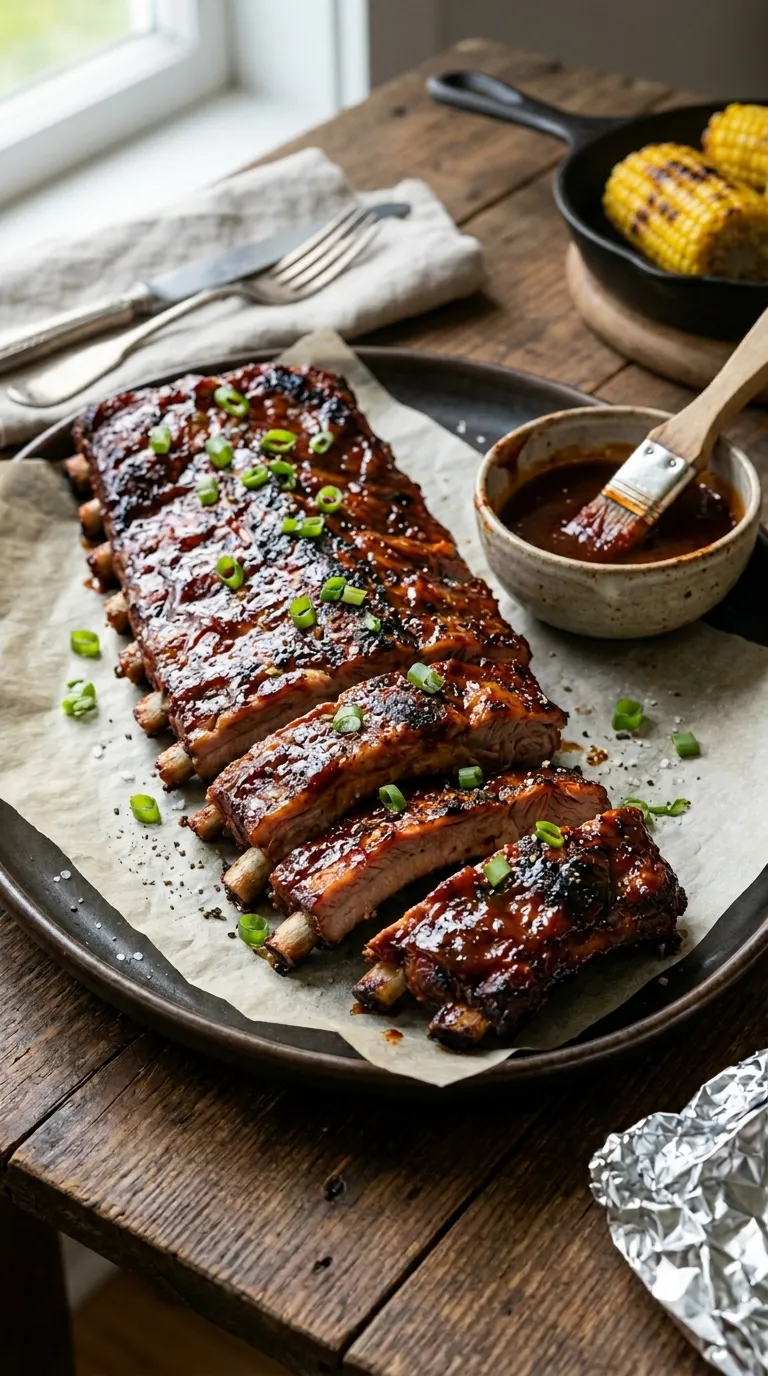

However, this is a quick answer to the question: How To Cook Ribs In Oven? Quick Techniques for Cooking an oven can be one of the best methods for cooking them without spending hours in the grill. Here are some tricks for cooking them faster yet still keeping the ribs tender and juicy.
Preparing the Ribs
Before you start cooking, preparation is key. Here are the steps to prepare your ribs:
- Choose Your Ribs: Baby back ribs are generally tender and cook faster than spare ribs. Aim for about 2-3 pounds for a family meal.
- Remove the Silver Skin: This tough membrane on the back of the ribs can be peeled off for better flavor absorption and tenderness.
- Season Well: Generously season your ribs with salt, pepper, and your favorite dry rub. Let them sit for at least 30 minutes or refrigerate overnight for deeper flavor.
Quick Cooking Techniques
Here’s how to cook ribs in the oven quickly without sacrificing taste:
1. Use a High Temperature
Preheat your oven to 300°F (150°C). Cooking ribs at a higher temperature helps to tenderize the meat faster. Make sure the ribs are tightly wrapped in foil to retain moisture.
2. The Foil Wrap Method
Using aluminum foil creates a steamy environment that helps to cook the ribs rapidly. Follow these steps:
- Wrap your seasoned ribs tightly in aluminum foil.
- Place them on a baking sheet to catch any drippings.
- Bake for about 2.5 to 3 hours.
This method ensures tender, juicy ribs. For extra flavor, you can add a splash of apple juice or broth inside the foil before sealing.
3. Broil for a Crispy Finish
You want that lovely crust on your ribs after it’s baked. Heat the oven to broil, and gently open the foil. Broil the ribs for 5 to 10 minutes, monitoring closely so they do not burn. This step will also caramelize any sauces you added to the ribs.
4. Use a Pressure Cooker
If you need to save even more time, consider using a pressure cooker or an Instant Pot:
- Season the ribs and place them in the pressure cooker with a cup of liquid (like broth or BBQ sauce).
- Cook on high pressure for about 25-30 minutes.
- Let the pressure release naturally for 10 minutes before finishing in the oven under the broiler for a crispy texture.
Flavoring Options
Enhancing the flavor of your ribs is important. Here are some popular choices:
| Flavor Option | Description |
|---|---|
| BBQ Sauce | Traditional sweet and smoky flavor that caramelizes well under high heat. |
| Dry Rubs | A mix of spices like paprika, garlic powder, and cayenne to add depth to the meat. |
| Marinades | Soak ribs in mixtures of vinegar, oil, and seasonings to infuse flavor and tenderness. |
Final Touches
After you cook your ribs, let them rest for at least 10 minutes. This gives the juices time to redistribute through the meat, making each bite more flavorful. Brush on more BBQ sauce before serving, if desired for extra glaze.
You may realize that cooking ribs in the oven can be fast as well as fabulous using these shortcut methods. For more tips on how to sharpen your cooking skills, check out Serious Eats and Food Network.
Enjoy your quick and easy homemade ribs, perfect for a weeknight dinner or your next gathering!
Essential Seasoning Tips for Flavorful Ribs
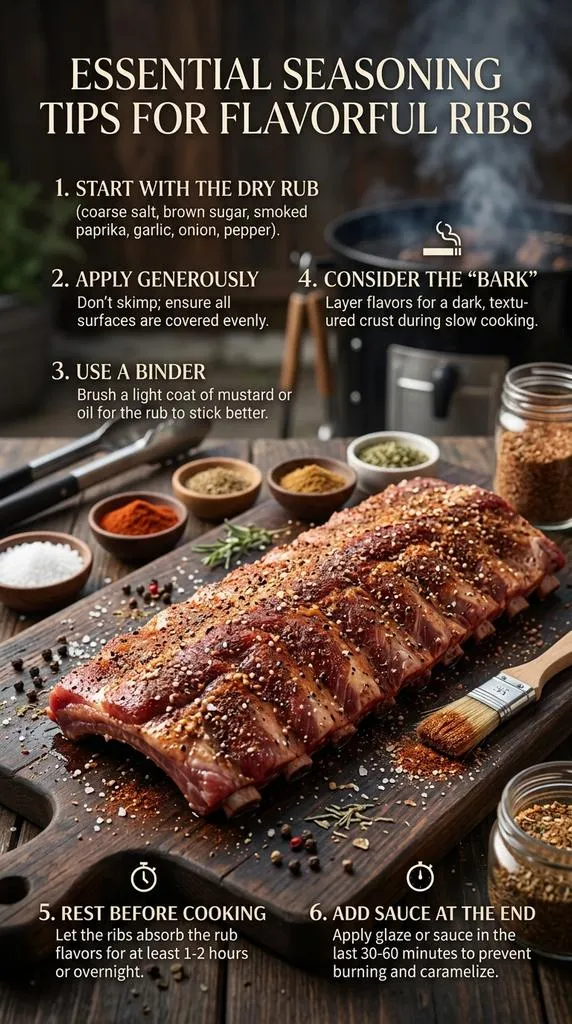
To make great ribs takes the right techniques applied with great flavor. Getting seasoning right is critical to making your ribs delicious and memorable. Regardless of whether you enjoy baby back ribs, spare ribs or St. Louis-style ribs, seasoning is the key to increasing their flavor and making them tasty.
Choosing the Right Base Seasoning
As is the case with any successful rib recipe, your first step will be picking a base seasoning. Used judiciously, a good rub can help accentuate the natural flavor of the meat. Common base ingredients include:
- Salt: Essential for enhancing taste. It draws moisture out from the meat and creates a brine that infuses flavor.
- Pepper: Adds a spice kick without overwhelming the taste.
- Garlic Powder: Offers a deep, aromatic flavor that pairs well with pork.
- Onion Powder: Complements garlic and adds depth.
Sweetness Balance
There’s a sweet element that complements the savory notes of the ribs. It assists with caramelization in the cooking process and adds a nice glaze. Balanced sweetness can be created with the following ingredients:
- Brown Sugar: Provides molasses flavor with a rich sweetness.
- Honey or Maple Syrup: Can be added for a sticky glaze.
- Fruit Juices: Adding apple juice or pineapple juice can enhance sweetness while keeping the meat moist.
Spice It Up
Adding spices for that perfect bite is crucial. You can adjust the heat level to your preference. Here are some popular spicy ingredients:
- Cayenne Pepper: For a hot kick, start with a small amount and adjust to your liking.
- Chili Powder: Adds both heat and a rich color to the dish.
- Smoked Paprika: Provides a smoky flavor that mimics traditional barbecue cooking over charcoal.
- Cumin: Gives ribs an earthy depth; use sparingly.
Herbs for Freshness
Herbs can introduce freshness and elevate your rib dish. Consider incorporating:
- Thyme: A classic herb often used with pork that adds an earthy flavor.
- Oregano: Provides a robust Mediterranean taste.
- Rosemary: Strong flavor; use in moderation to prevent it from overpowering the dish.
Creating Your Perfect Rub
To make your seasoning mix into a delicious rub, follow these simple steps:
- Mix the Ingredients: Combine your chosen herbs, spices, and sweeteners in a bowl.
- Massage the Rub: Generously apply the rub to the ribs, ensuring every nook and cranny is covered. You can even let it sit for a few hours or overnight in the fridge for deeper flavor penetration.
- Cooking Method Matters: Whether you’re grilling, smoking, or baking your ribs in the oven, the seasoning will deepen during cooking.
Experimentation is Key
It’s best not to be afraid to experiment with combinations. Include additional spices or flavorings, such as mustard or soy sauce, to deepen complexity. Make sure to taste as you go — your rub should fit your flavor profile! Check out Food Network or Serious Eats for more seasoning ideas.
Storing Your Seasoning Mix
If you have any mix left over after making your perfect rib rub, keep it in an airtight jar. Store it in a cool, dark place to keep the flavor. This blend can be used on more than ribs, which makes it a versatile seasoning to have in your back pocket.
Seasoning ribs is the key to flavor and a great meal, so learn how to do it right. Whether you’re getting ready for a summer cookout or just a casual family dinner, these seasoning tricks will ensure juicy, flavorful ribs that everyone will want to enjoy. The right balance of sweet, spicy and savory elements will change your cooking and wow guests—just remember that.
The Best Cooking Temperatures for Juicy Ribs
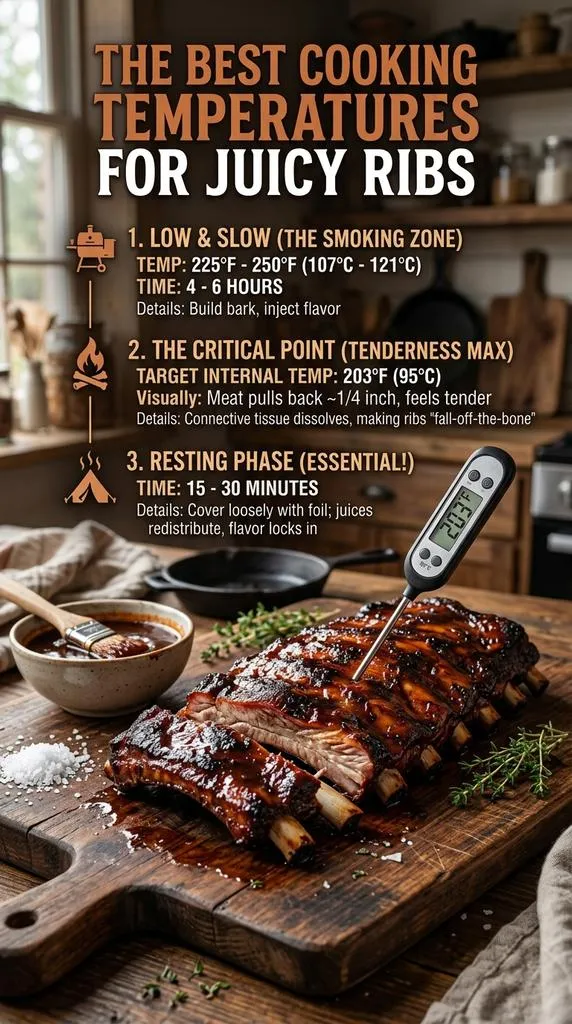
Ribs need to be seasoned well, but seasoning is just one part of the overall cooking equation; you also have to cook them at the right temperature. Getting juicy and fall-apart tender ribs in the oven is a matter of timing and heat. Discovering the optimal cooking temperatures can take your ribs to new heights, resulting in mouthwatering conditions for the best meal possible.
The Importance of Correct Cooking Temperatures
When cooking ribs, it all comes down to temperature. It affects the texture, tenderness and flavor. Too hot a temperature can result in tough meat; too gentle and you’ll have undercooked, chewy ribs. Reaching for the hot and fast or low and slow methods ends up being a desirable technique if you know how these affect the final product.
Lower and Slower for Tenderness
Cooking ribs at a lower temperature typically allows the meat to break down and become tender while preserving its juiciness. The best range for this method is:
- 225°F to 250°F (107°C to 121°C) – Ideal for traditional slow-cooking
- For the best results, cook the ribs at 225°F for 4-5 hours.
This high-humidity method will break down those meaty ribs’ stubborn connective tissues that’s mostly collagen, melting it into tender, delicious meat that’ll fall right off the bone. A pan of water in the oven can also produce a steaming effect, helping to stave off drying out.
Fast Cooking Temperatures for Convenience
If you don’t have time, quick ribs can still please. Some of my cooking is set to really high heat, and raising your temperature more than you’re used to can mean much less time spent cooking. Recommended higher temperatures include:
- 350°F to 375°F (177°C to 190°C) – Good for quicker meals
- Cooking time is reduced to about 2 to 2.5 hours.
While this technique can result in some firm meat, wrapping the ribs in foil or butcher paper can help maximize effectiveness. This not only saves cooking time but also helps to keep the juices and flavor in when cooking.
Finishing Techniques for Best Flavor
Regardless of the initial cooking temperature, finishing your ribs with a glaze or barbecue sauce can elevate the dish significantly. Here’s how to enhance flavor:
- Apply the sauce during the last 30 minutes of cooking at a higher heat (around 400°F/204°C) for a caramelized exterior.
- Broil the ribs for 5-10 minutes after baking to achieve that perfect crust.
Ensure to monitor closely when using high heat to avoid charring the sauce.
Monitoring Internal Temperature
The best way to tell if ribs are thoroughly cooked is to check the internal temperature. You want to aim for:
- For pork ribs, an ideal internal temperature is around 190°F to 203°F (88°C to 95°C).
- Beef ribs benefit from the same range.
Using a meat thermometer is a reliable method to check for doneness. It ensures that the ribs are tender while remaining juicy.
Cooking Tips for Juicy Ribs
Here are some extra tips to help you perfect your rib-cooking technique:
- Always let your ribs rest for about 10-15 minutes after cooking. This helps retain juices for better flavor.
- Experiment with different rubs and marinades to enhance your ribs’ taste.
- Consider wrapping the ribs in foil during cooking to conserve moisture.
A great sauce can elevate your oven-cooked ribs to an entirely new level. When it comes to the ribs, whether you prefer it sweet, savory, spicy or tangy — a perfect sauce will take the flavor of the ribs and everything else on your plate from good to great. Here are some droolworthy sauces to slather on your oven-baked ribs.
Explore More
For more cooking tips and techniques, visit Serious Eats or The Kitchn for delicious recipes and expert advice.
Common Mistakes to Avoid When Baking Ribs
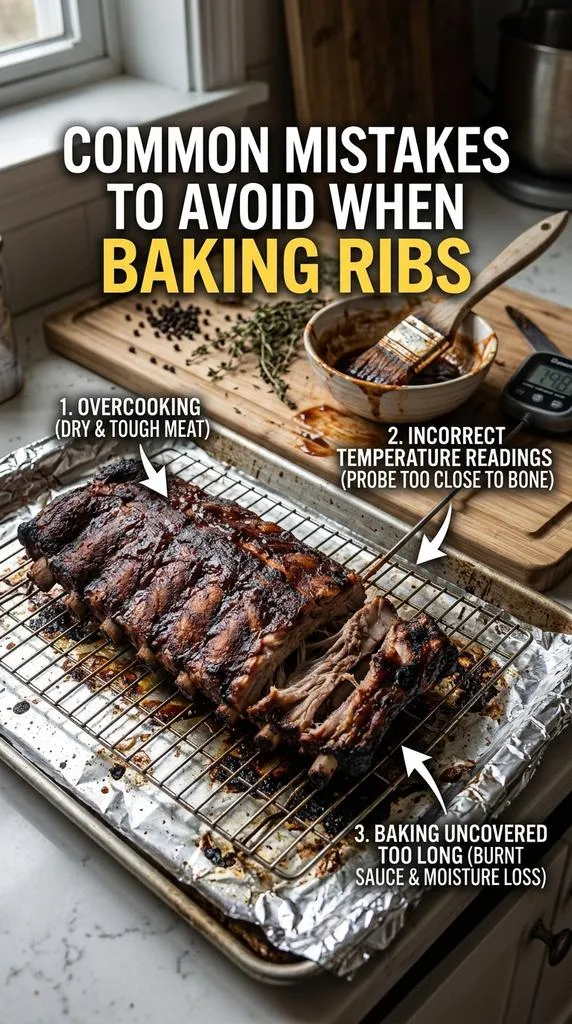
Baking ribs can be a delightful and rewarding experience, but common mistakes can lead to tough, dry, or bland outcomes. To help you achieve tender, flavorful ribs, here are some pitfalls to avoid.
Skipping the Preparation
One of the biggest mistakes is not properly preparing your ribs. Always start by removing the membrane from the back of the ribs. This thin, tough layer can prevent seasonings from penetrating and lead to chewy meat. Use a paper towel for better grip, and pull it off slowly.
Neglecting to Marinade or Season
Another error is not seasoning your ribs adequately. A dry rub or marinade is crucial for adding flavor. Here are some options for seasoning:
- Dry Rub: Mix brown sugar, paprika, onion powder, garlic powder, salt, and pepper.
- Wet Marinade: Combine soy sauce, honey, mustard, and Worcestershire sauce for a sweet-and-savory taste.
- BBQ Sauce: Apply the sauce during the last 30 minutes of baking for a sticky finish.
Setting the Wrong Temperature
Cooking at incorrect temperatures can make or break your ribs. A common mistake is cooking at too high a temperature, resulting in tough meat. Instead, aim for a lower temperature around 300°F (150°C) to allow the connective tissue to break down, leading to tender ribs.
Not Using Foil Properly
Foil can be your best friend when baking ribs. Failing to wrap them tightly can lead to uneven cooking. Here is a quick guide:
| Method | Description |
|---|---|
| Foil-Wrapped | Wrap ribs tightly in foil for the first part of the cooking process to trap moisture. |
| Unwrapped | Remove the foil during the last hour of cooking to caramelize the sauce. |
Overcooking or Undercooking
Finding the right cooking time is crucial. Overcooking can dry out your ribs, while undercooking can leave them chewy. Typically, ribs take about 2.5 to 3 hours to bake at 300°F (150°C). Use a meat thermometer to check the internal temperature; it should be around 190°F (88°C) for tender meat.
Ignoring Rest Time
Once your ribs are cooked, resist the urge to cut into them immediately. Allow the meat to rest for at least 15 minutes. This gives the juices time to redistribute, ensuring each bite is juicy and flavorful.
Assuming All Ribs are the Same
Different types of ribs vary in cooking times and methods. For instance, baby back ribs are leaner and cook faster than spare ribs, which have more fat and connective tissue. Understand the type of ribs you’re working with to adjust your cooking time and method accordingly.
Not Experimenting with Flavors
Many home cooks get stuck in the habit of using the same BBQ sauce or rub. Experimenting with different flavors can elevate your rib game. Consider adding:
- Smoked Paprika: For a smoky flavor without a smoker.
- Chipotle Peppers: For some heat and rich flavor.
- Apple Cider Vinegar: To add acidity and balance sweetness.
Rushing the Process
Remember that patience is key when baking ribs. Rushing to achieve a quick meal can lead to disappointment. Allow ample time for both cooking and resting. Enjoy the process, and savor the results!
For more tips on cooking different meats, visit Food Network’s Ribs Guide to explore various recipes.
If you’re looking for a great barbecue sauce recipe, check out Serious Eats for an in-depth guide.
Mouthwatering Sauces to Enhance Oven-Cooked Ribs
When it comes to oven-cooked ribs, a delicious sauce can take your meal to a whole new level. Whether you like it sweet, savory, spicy, or tangy, adding the perfect sauce enhances the flavor of the ribs and makes for an unforgettable dining experience. Here are some mouthwatering sauces that will transform your oven-cooked ribs.
Classic BBQ Sauce
A classic BBQ sauce is a go-to for many rib lovers as it’s an all-time favorite. The sweetness and acidity play wonderfully with the rich meat. Here’s a way to make a simple BBQ sauce:
- 1 cup ketchup
- 1/4 cup apple cider vinegar
- 1/4 cup brown sugar
- 1 tablespoon Worcestershire sauce
- 1 teaspoon smoked paprika
Whisk together all ingredients in a saucepan over medium heat. Stir until the sugar is dissolved, and simmer the sauce for 10 minutes or so. During the last 30 minutes of cooking, slather it liberally over your ribs.
Spicy Mustard Sauce
If you like a little heat in your food, then perhaps a spicy mustard sauce is for you. This sauce adds a zesty flavor that pairs well with the smokiness of the ribs. Here’s how to whip it up:
- 1/2 cup yellow mustard
- 1/4 cup honey
- 1 tablespoon apple cider vinegar
- 1 teaspoon cayenne pepper
Simply combine all the ingredients in a bowl and whisk until smooth. This sauce can be brushed on the ribs during cooking or served on the side for dipping.
Honey Garlic Glaze
The sauce options for your ribs to go in the oven are unlimited! It is all about mixing and matching or developing your own signature sauce. To get inspired and find some recipes, Food Network or Serious Eats.
- 1/3 cup honey
- 1/4 cup soy sauce
- 3 cloves garlic, minced
- 1 teaspoon black pepper
Combine all the ingredients and simmer them for about 5 minutes on low heat. Brush this glaze on your ribs in the last 15 minutes of baking to achieve that perfect finish.
Carolina Vinegar Sauce
For those who appreciate a tangy twist, Carolina vinegar sauce is perfect. This sauce is thinner than most BBQ sauces but packs a flavor punch. Ingredients include:
- 1 cup apple cider vinegar
- 2 tablespoons sugar
- 1 teaspoon salt
- 1 teaspoon red pepper flakes
Mix all the ingredients and let it sit for at least 30 minutes for the flavors to meld. While baking your ribs, use this sauce to baste periodically for an added zing.
Smoky Chipotle Sauce
This sauce is perfect for those who love smoky flavors with a bit of heat. Its bold taste can truly elevate your ribs. Here’s how you can make it:
- 1 cup tomato sauce
- 2 tablespoons adobo sauce (from chipotle peppers)
- 1 tablespoon brown sugar
- 1 teaspoon cumin
Mix these ingredients together in a saucepan and simmer for about 10 minutes. The smoky chipotle flavor will result in an explosion of taste.
Maple Bourbon Sauce
The sauce options for your ribs to go in the oven are unlimited! It is all about mixing and matching or developing your own signature sauce. To get inspired and find some recipes, Food Network or Serious Eats.
- 1/2 cup maple syrup
- 1/4 cup bourbon
- 1 tablespoon Dijon mustard
- 1/2 teaspoon garlic powder
Cook these ingredients in a saucepan over medium heat for about 10 minutes, then baste your ribs in the last half hour of cooking.
Using these sauces can transform a basic rib dish into an unforgettable meal. Add these tasty collaterals, relish in your travels and may your ribs cooked in the oven run the show at your next meal on a platter!
Even the fastest way to cook ribs on the stove top in an oven can be quite fast, satisfying and get you chewing through tender juicy meat without needing hours of babysitting over a grill or in a smoker! These give you that fall-off-the-bone tenderness but cut back on the cooking time by using fast techniques like the reverse sear or the in-a-foil method. When combined with some key seasoning tips, pairing these methods ensures that your ribs are full of flavor for every mouthful, so you can be remembered for a lifetime.
Conclusion
Applying the correct cooking temperatures is essential for giving you juicy ribs. Paying attention to the heat — neither too high nor too low — will keep moisture in while breaking down the connective tissue. It can be nice to avoid disappointing results by being cognizant of the mistakes people make with smoked meat, like hurrying up the cooking process or forgetting about resting.
ccc
To take your ribs to the next level you also can’t forget about delicious sauces. Be it a tangy barbecue glaze or a spicy rub, the right addition can transform your oven-cooked ribs from good to great. Add different sauces and serve them on the side to meet varying tastes.
With these suggestions and tricks in mind, you’ll deliver flavorful ribs all family members — and friends alike! — will love, ensuring your kitchen is the hot spot for tasty dishes. And with a bit of practice and some careful planning, cooking ribs in the oven quickly becomes an easy and delicious activity. Enjoy your rib-cooking journey!