

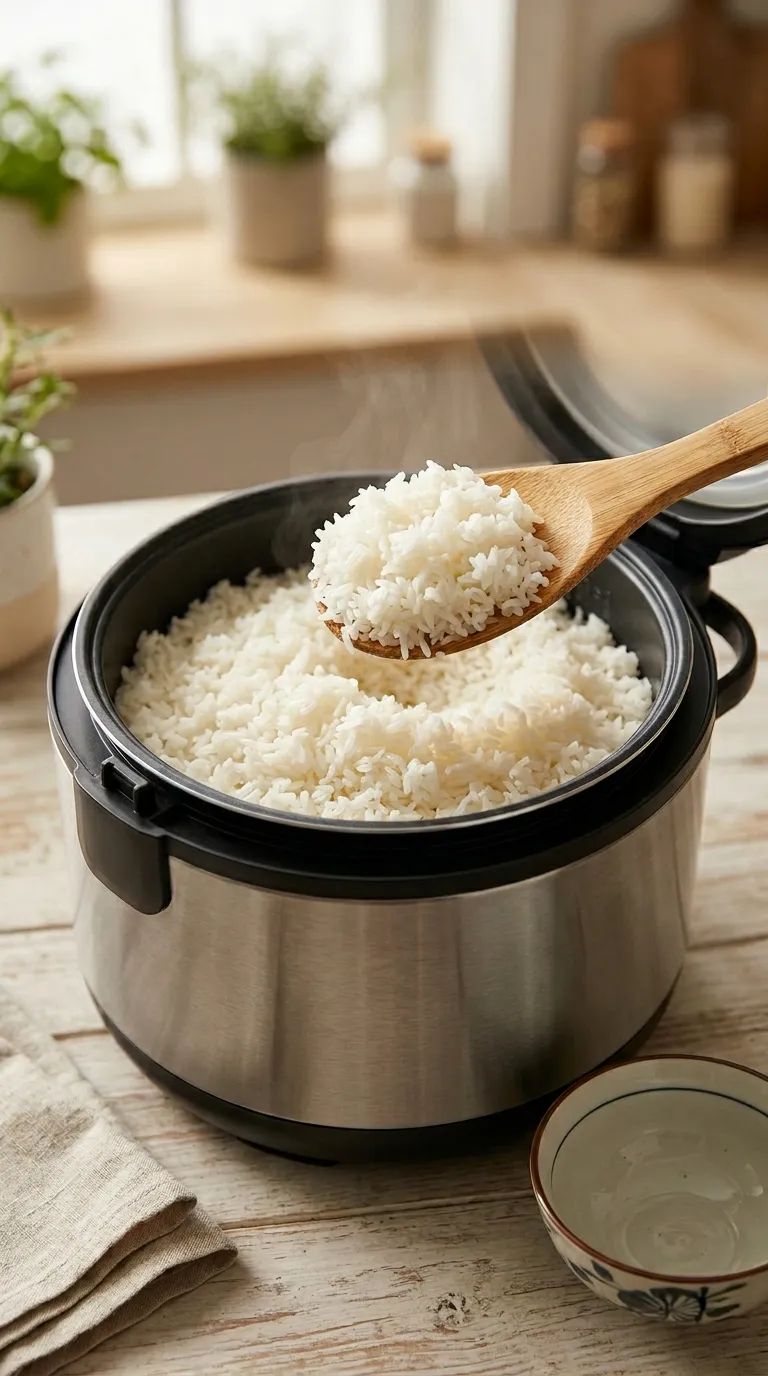

Using a rice cooker is one of the easiest and most efficient methods for cooking this staple food. Whether you want to create a fluffy side dish or a base for a hearty meal, mastering the art of cooking with a rice cooker can take your cooking to the next level. This simple process makes great rice every time, and with a few pointers ensures you get it right.
Gather Your Ingredients and Tools
Before you start, make sure you have the following:
- 1 cup of rice (white, brown, jasmine, or basmati)
- 1 to 2 cups of water (depending on rice type)
- Salt and seasonings (optional)
- A measuring cup
- A rice cooker with a lid
Step-by-Step Guide to Cooking Rice
1. Measure the Rice
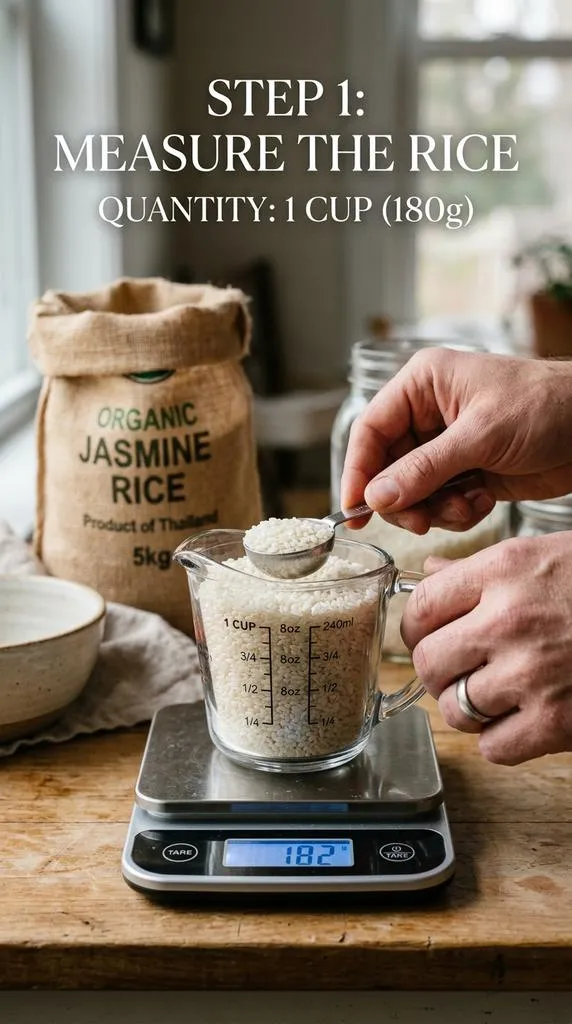
Step 1: Wash rice according to your quantity Generally, 1 cup of raw rice will give you approximately 3 cups of cooked. Mileages can differ depending on the type of rice, so use a measuring cup to make sure of your amounts.
2. Rinse the Rice
Rinsing your rice is also an important step that can make a huge difference in texture. Measure out the rice in a bowl or sieve, and rinse it under running cold water until the water runs clear. This process removes excess starch which prevents the rice from forming clumps.
3. Add Water
After rinsing, transfer the rice to the rice cooker. The water-to-rice ratio can vary depending on the type of rice you’re using. Here’s a simple guideline:
| Type of Rice | Water Ratio |
|---|---|
| White Rice | 1 cup rice to 1.5 cups water |
| Brown Rice | 1 cup rice to 2 cups water |
| Jasmine Rice | 1 cup rice to 1.25 cups water |
| Basmati Rice | 1 cup rice to 1.5 cups water |
For added flavor, consider adding a pinch of salt or a splash of oil or butter to the water. This step is optional, but it enhances the overall taste of the rice.
4. Start the Rice Cooker
Secure the lid of the rice cooker and plug it in. Most rice cookers simply have a switch or button for cooking; press that and you’re off! You’ll usually see an indicator light, indicating that the rice is cooking and when it’s done.
5. Wait for the Rice to Cook
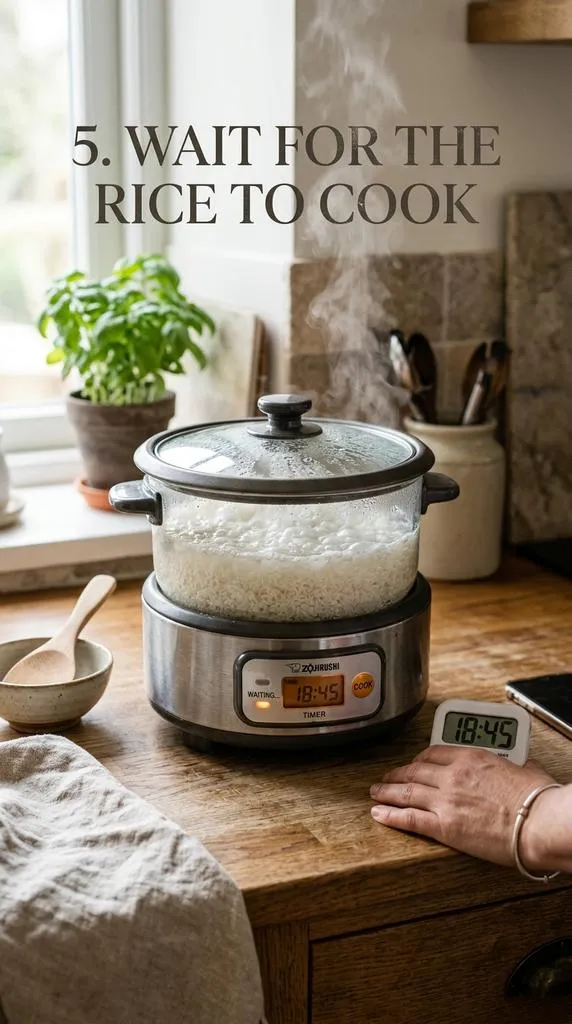
Cooking time will vary based on rice variety. Indica white rice usually cooks in 10-15 minutes and brown rice in 30-40. Meanwhile, your rice cooker will automatically go into “keep warm” mode when the rice is finished.
6. Fluff the Rice
Once the rice is finished cooking, turn off heat and allow it to rest for 5-10 minutes. This resting period helps the rice finish steaming, too, making sure it’s fluffy. Then gently fluff the rice with a fork or rice paddle before serving. It helps separate the grains and delivers a finer texture.
7. Serve and Enjoy
Your rice is now ready to serve! Pair it with your favorite dishes such as stir-fries, curries, or grilled meats. For more ideas on perfect rice dishes, check out The Rice Institute.
Helpful Tips for Perfect Rice Each Time
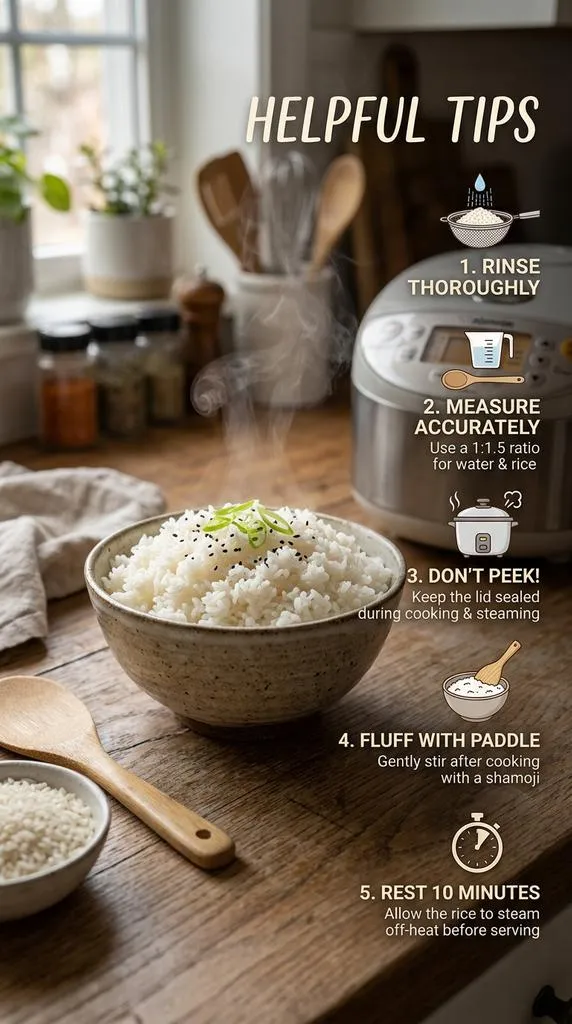
- Experiment with various types of rice to find your favorite.
- Always use the correct water-to-rice ratio.
- Remember to rinse your rice for better texture.
- Don’t lift the lid during cooking, as it will release steam.
So, has a rice cooker simplified the cooking process for rice? In a few easy steps, you can have delectable, perfectly prepared rice to pair with any dish. If you double or triple your batch, just follow these same steps for an even more stresses-free cooking experience. Let your rice cooker do the work, and reap the rewards!
Understanding Different Types of Rice and Their Cooking Times
Rice is a staple food for billions of people around the world, and knowing the different types can help improve your cooking experience. And there are so many varieties, each with its own unique character and the time it takes to cook.
Here’s a closer look at various rice types and how long they take to cook. This information will help you prepare the best rice dishes for any occasion.
Long Grain Rice
Examples of long grain rice include Basmati and Jasmine rice. These varieties cook up light, fluffy, and remain separate, making them a great choice for pilafs or as a side dish.
| Type | Cooking Time |
|---|---|
| Basmati | 15-20 minutes |
| Jasmine | 18-20 minutes |
Medium Grain Rice
Medium grain rice, such as Arborio, is known for its moist and tender texture. It’s perfect for dishes like risotto, where a creamier consistency is desired.
| Type | Cooking Time |
|---|---|
| Arborio | 18-20 minutes |
| Carolina | 20-25 minutes |
Short Grain Rice
Short grain varieties, including Sushi rice, are sticky and clump together after cooking. This makes them ideal for sushi and other Eastern dishes.
| Type | Cooking Time |
|---|---|
| Sushi Rice | 18-20 minutes |
| Calrose Rice | 20-25 minutes |
Brown Rice
Brown rice is a whole grain and offers more nutrients compared to white rice. It takes longer to cook due to the bran layer, making it a healthier option but requiring patience.
| Type | Cooking Time |
|---|---|
| Brown Basmati | 40-45 minutes |
| Wild Rice | 45-60 minutes |
Specialty Rice
Rice varieties like Arborio, used for creamy risotto, or sticky rice, often serve specific culinary purposes.
| Type | Cooking Time |
|---|---|
| Arborio (for risotto) | 18-20 minutes |
| Sticky Rice | 30-45 minutes (depending on soaking) |
Cooking Methods
To cook rice properly, you can choose one of several cooking methods:
- Stovetop: A classic method, typically using a 1:2 rice-to-water ratio.
- Rice Cooker: Easy and convenient for any type, follow the manufacturer’s instructions.
- Instant Pot: Offers faster cooking with precise timing.
There are different types of rice for all kinds of meals and tastes. When using rice, pay attention to the cooking time and method that fits the variety you select. Read on for more about rice types, and go to resources like The Rice Association and USA. edu.
Learn some of these differences, and you can bring a lot to your cooking. Whether you’re cooking a fluffy Jasmine rice to pair with a curry, or a creamy Arborio for risotto, learning which type of rice you are dealing and what cooking time it needs can elevate your meals.
Tips for Perfectly Cooked Rice Every Time
We al know, cooking rice is not a very challenging task yet knowing some tips and techniques will master you to cook perfectly cooked rice every time. With proper cooking techniques, you can serve any meal and impress your guests, whether you’re using a rice cooker or stovetop method. Here are some tips to make sure your rice comes out fluffy and delicious every time.
Select the Right Type of Rice
Choosing the right type of rice is crucial to the outcome of your dish. Different types of rice have different cooking methods and water-to-rice ratios. Here are some common types:
- Long-grain rice: Such as basmati or jasmine, remains separate and fluffy.
- Medium-grain rice: Like arborio, is slightly sticky and perfect for risottos.
- Short-grain rice: Such as sushi rice, is sticky and holds together well.
- Brown rice: Chewy and nutty, it takes longer to cook.
Measure Your Ingredients Accurately
Getting the right measurements is essential for perfect rice. Typically, a standard ratio is:


| Type of Rice | Water Ratio |
|---|---|
| White Rice | 1 cup rice to 1.5 cups water |
| Brown Rice | 1 cup rice to 2.5 cups water |
| Jasmine Rice | 1 cup rice to 1.5 cups water |
| Basmati Rice | 1 cup rice to 1.5 cups water |
Using a measuring cup can help you avoid inconsistencies in your cooking. Remember to rinse your rice before cooking to wash away excess starch.
Use the Right Rice Cooker Settings
If using a rice cooker, make sure you choose the correct setting based on the type of rice. Most rice cookers include settings for specific types of rice, like white or brown. Always refer to your appliance user manual for the best results.
Allow for Proper Resting Time
When the rice has cooked, leave it in the rice cooker for another 10 to 15 minutes. This wait time lets the steam finish cooking the rice and contributes to the ideal texture. Do not open the lid during this period as it retains heat and steam.
Fluff and Serve
Once resting time is up, use a fork to fluff rice gently. Fluffing this way also separates the grains and lightens the texture, so you’re not serving mushy rice. If you don’t serve it now, leave it warm in the rice cooker to go again later.
Add Flavor with Broth or Seasonings
If you want to enhance the flavor of your rice, use broth instead of water. You can also add seasonings such as:
- Salt
- Butter or olive oil
- Garlic powder
- Fresh herbs
Adding these ingredients will give your rice a delightful flavor, making it a standout side dish.
Storage Tips for Leftover Rice
If you have leftovers, store them properly to keep them fresh:
- Cool the rice at room temperature for no more than two hours.
- Store in an airtight container in the fridge.
- Consume within 3-5 days, or freeze for longer storage.
To reheat, sprinkle some water over the rice and microwave it in short intervals, or heat it in a pan with a little water to revive its original texture.
With these tips, you’ll be on the road to perfectly cooked rice every time. For tips and detailed recipes on how to make these, check out Food Network or Serious Eats. Happy cooking!
Creative Rice Recipes to Try with Your Rice Cooker
Rice cookers are much more than the name suggests; these handy kitchen appliances can produce a variety of tasty dishes. After all, who doesn’t love what they bring to the table for simplicity and convenience? In this article, we share creative rice recipes that can be easily made in your home’s rice cooker. Read on to spice up your dinner table with varieties of flavorful yet easy-to-prepare dishes!
One-Pot Vegetable Risotto
This creamy risotto is a comforting dish that’s packed with vegetables. Using your rice cooker makes it simple and allows for an even cook in one pot.
- Ingredients: 1 cup Arborio rice, 4 cups vegetable broth, 1 cup mixed vegetables (peas, carrots, bell peppers), 1 small onion (chopped), 2 cloves garlic (minced), 1 tablespoon olive oil, salt, and pepper to taste.
Instructions:
- Heat olive oil in the rice cooker, then add the chopped onion and garlic. Sauté until translucent.
- Add in the Arborio rice and cook for about 2 minutes until slightly toasted.
- Pour in the vegetable broth. Close the lid and let it cook until the rice is done (usually about 20-25 minutes).
- Mix in the vegetables and stir until heated through. Season with salt and pepper before serving.
Savory Chicken and Rice
This dish is hearty and flavorful, combining protein and grains in one easy meal.
- Ingredients: 2 cups brown rice, 4 cups chicken broth, 1 pound chicken thighs or breasts (cut into pieces), 1 teaspoon paprika, 1 teaspoon garlic powder, salt, and pepper to taste.
Instructions:
- Season chicken with paprika, garlic powder, salt, and pepper.
- Place the chicken at the bottom of the rice cooker. Add the washed brown rice and chicken broth.
- Close the lid and cook for 50 minutes or until the chicken is cooked through, and rice is tender. Let it steam an extra 10 minutes before serving.
Delicious Coconut Rice Pudding
Indulge your sweet tooth with this creamy coconut rice pudding. Perfect for dessert or a treat at any time of the day!
- Ingredients: 1 cup jasmine rice, 1 can coconut milk, 2 cups water, 1/4 cup sugar, 1 teaspoon vanilla extract, a pinch of salt.
Instructions:
- Combine all ingredients in the rice cooker.
- Cook on the regular rice setting until the rice is tender and the liquid is absorbed (approximately 30 minutes).
- Stir well and let sit for 10 minutes. Serve warm or chill in the fridge and enjoy cold.
Quinoa and Black Bean Salad
This recipe provides a healthy twist, using quinoa instead of traditional rice while boosting protein with black beans.
- Ingredients: 1 cup quinoa, 2 cups vegetable broth, 1 can black beans (drained), 1 bell pepper (diced), 1/2 cup corn, 1/4 cup cilantro (chopped), lime juice, salt, and pepper to taste.
Instructions:
- Add quinoa and broth to the rice cooker and cook until fluffy (about 25 minutes).
- In a bowl, combine cooked quinoa, black beans, bell pepper, and corn. Stir in chopped cilantro and lime juice. Season with salt and pepper.
| Recipe | Prep Time | Cook Time |
|---|---|---|
| Vegetable Risotto | 10 mins | 25 mins |
| Chicken and Rice | 10 mins | 50 mins |
| Coconut Rice Pudding | 5 mins | 30 mins |
| Quinoa Salad | 5 mins | 25 mins |
These recipes show exactly how versatile a rice cooker can be. In addition to making plain rice, it can take your cooking game up a notch when it comes to preparing dinners or desserts. Interested in more rice cooker recipes? For more inspiration, check out Food Network or Love and Lemons.
So, next time you reach for your rice cooker, consider trying one of these creative recipes. They will not only simplify your cooking process but also add excitement to your meals!
Common Mistakes to Avoid When Using a Rice Cooker
It’s easy to make simple mistakes while using a rice cooker, that can ruin the quality of your rice. By avoiding these mistakes, your rice can be cooked perfectly every time. Here are some of the common traps to avoid:
Not Measuring Rice Correctly
One of the most common mistakes is not measuring rice correctly. Always use a rice cooker measuring cup. That’s because a standard cup produces different results, resulting in undercooked or overcooked rice. Keep in mind that the standard rice-to-water ratio can change based on the type of rice:
| Type of Rice | Rice to Water Ratio |
|---|---|
| White Rice | 1 cup rice : 1.5 cups water |
| Brown Rice | 1 cup rice : 2 cups water |
| Sushi Rice | 1 cup rice : 1.2 cups water |
Ignoring the Soaking Process
Soaking makes such a difference in the texture of rice when you cook it. This allows the grains to absorb some moisture and helps with even cooking. With white rice, 30 minutes of soaking can increase the fluff factor; brown rice can be soaked for an hour or longer.
Overloading the Rice Cooker
Rice cookers are a common sight in many households, which leads many people to think that if they can throw as much rice into the pot as they want to cook all at once, their tasks will also be done — oh no! If you overload a rice cooker, it won’t work properly. You can only have so much rice in each rice cooker. Consult your rice cooker’s manual to find out how much rice is safe to cook at once. In general, particularly for smaller models, it’s advisable to limit raw rice amounts to around 2 cups per cooking session.
Not Using the Right Water Temperature
Most rice cookers take care of water temperature on their own, but it’s still a good idea to begin with cold water. Hot water can change both cooking time and yield inconsistencies. You should always start cold unless your specific rice cooker instructions indicate otherwise.
Ignoring the Steamer Tray
Don’t let that steamer tray go to waste if your rice cooker has one! You steam vegetables or proteins on top while the rice cooks. Using this method saves you time and keeps your meal healthy and balanced while capitalizing on what a rice cooker does best.
Neglecting the Keep Warm Function
When the rice is done cooking, the rice cooker typically clicks into a “keep warm” mode. While this feature prevents the rice from getting cold, if left on too long it can dry out or make the rice crusty. If you intend to serve the rice later, keep the warm function as short as about 30 minutes.
Forgetting to Clean the Cooker Properly
Cleaning your rice cooker is not only for the sake of hygiene; it can also change the taste of your rice. Clean all parts after every use, particularly the inner pot and the steam vent. Residual starch can be bad news, so a good rinse and gentle scrub can help keep your rice cooker’s performance in top shape.
Using the Wrong Rice Type
Not all types of rice are best in a rice cooker. For the best results, stick with varieties like white rice, brown rice, jasmine or basmati. Stick to rices that are meant for steaming, as the sticky varieties can clog your cooker. Please note: Always check the specifications of your rice cooker to make sure these package instructions are compatible with them.
Failing to Let the Rice Rest
When the cooking cycle completes, do not open (tempted to) the lid right away. Let the rice sit, covered, for another 10 minutes. This resting phase gives the steam a chance to disperse, making for a fluffier end product.
However, you need to be careful and avoid these common rice cooker mistakes to get the most out of it. For more tips and recipes, visit Rice Cookers Review or Love and Lemons. Happy cooking!
Conclusion
Cooking rice in a rice cooker changes your meal preparations from an exercise in precision to something more enjoyable and streamlined. Once you have gone through the step by step guide, making fluffy yet tasty rice will be a tag on it and goes with everything. Knowing the different kinds of rice, from jasmine to brown rice, and how long they take to cook respectively is the first step toward a beautiful outcome that suits you.
Use the tips for perfect rice every single time to take your rice to new heights. From rinsing your rice before cooking it to getting the water-to-rice ratio just right, these minor changes can have a huge effect. And don’t hesitate to try creative rice recipes that make good use of your rice cooker’s versatility. From savory risottos to sweet rice pudding, the options are endless.
But the road to rice perfection can be bumpy. Avoiding common mistakes, like overfilling the cooker and using stale rice, will set you up for success. With practice and experimentation, you will soon discover that cooking rice is a chance to explore the complexities of gastronomy rather than merely completing an errand.
Using a rice cooker to prepare meals is simple and efficient, so you’ll be cooking dishes that satisfy as well as wow. Stay patient, as with practice this kitchen tool will become your best ally in the kitchen and no rice set on your table!