

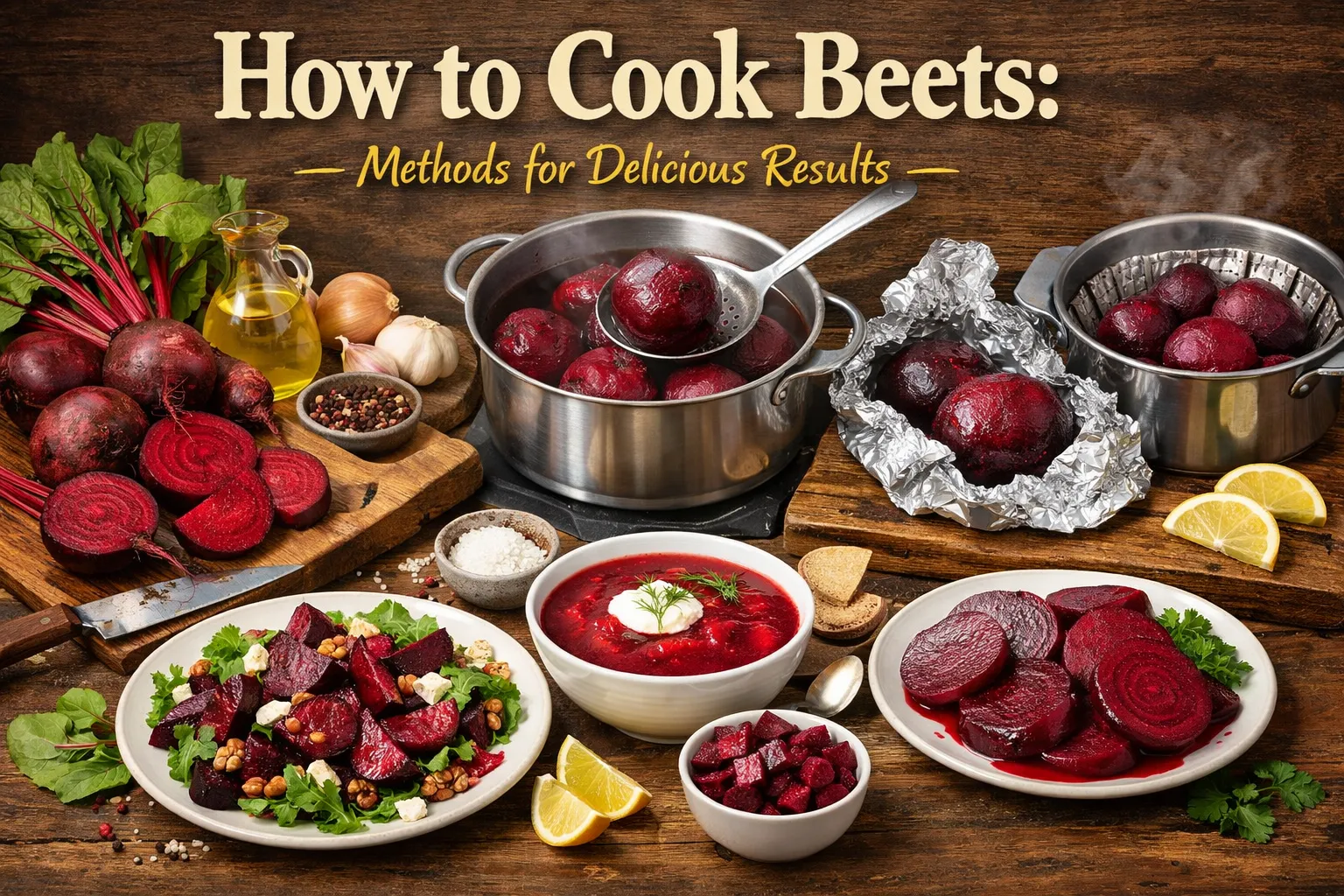
Beets are beautiful, nutrient-rich veggies that can add a delightful sweetness and hue to your dishes. How to cook beets but still enjoy them, because they’re packed with fiber and vitamins. Here are some preparations that will showcase beets at their best, making sure you serve the most delicious dishes.
Boiling Beets
- Boiling beets is one of the most straightforward methods to prepare them. It’s how they maintain their flavor and their nutrition. Here’s how you do it:
- Start by choosing fresh beets. Select those that are firm and unbruised.
- Place beets in a colander and scrub under running water to remove dirt.
- Add the beets to a large pot and cover with water. Bring the water to a boil.
- Add the beets to the boiling water and reduce heat to medium-low.
- Depending on the size of the beets, 30 to 45 minutes. You can test them for doneness by poking them with a fork.
- When done, pour off the water and let the beets cool a bit before peeling away their skins.
- Here you can eat boiled beets as a side dish or chop them up for salads!
Roasting Beets
- Roasting brings out beets’ sweetness, and adds a nice caramelized flavor. To roast beets, do this:
- Take oven to 400 degrees Fahrenheit (200 degrees Celsius).
- Wash the beets and cut their tops and roots, leaving about an inch of each stem on.
- Tightly wrap each beet in aluminum foil or arrange them in a roasting pan covered with a lid.
- Roast for 45 to 60 minutes, depending on the size of the wedges, or until they yield when pierced with a fork.
- Let them cool, and then peel away the skins.
- Roasted beets can be served whole, sliced into salads or puréed into soups.
Steaming Beets
- Another healthy option is to steam the beets so you retain the nutrition in them. Here’s how:
- Scrub the beets, and trim the greens to about an inch of stem.
- Fill a pot with about an inch of water and insert a steaming basket.
- That entails bringing the water to a boil and then placing the beets in the steaming basket.
- Cover the pot and steam 30 to 40 minutes, until fork-tender.
- Turn off the heat and allow to cool then peel.
- You can use steamed beets in salads or as a healthy snack!
Microwaving Beets
- If you’re short on time, microwaving beets is a fast and easy cooking method.
- Wash the beets and place them in a covered microwave-safe dish.
- Add a few tablespoons of water.
- High 10–15mins check tenderness.
- Let them cool before peeling.
- You can use beetroot that has been cooked in the microwave, shredded, or pureed for dips.
Picking Fresh Beets
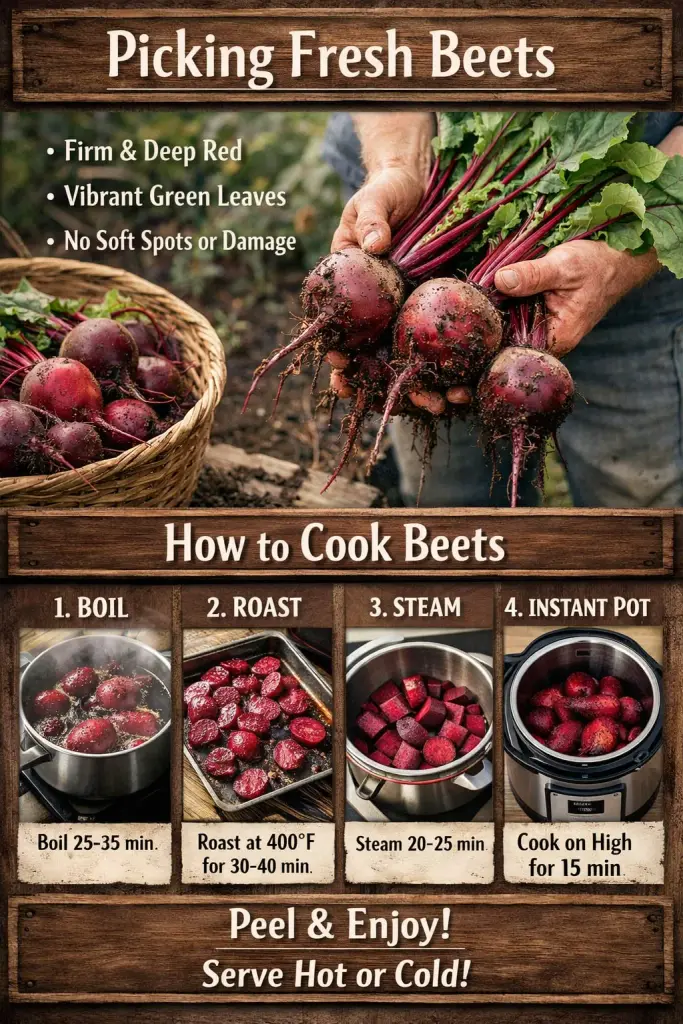
- Choosing the right beets comes before they reach the stove. Here are some tips:
- Choose beetroots that are hard and heavy for their size.
- Avoid beets that feel soft or have wrinkled skin.
- Check the greens; these should be bright, and fresh looking.
- Beets will store in a cool place, away from direct light, for weeks. When they are cooked, you can keep them in a refrigerated place for 4-5 days.
- And if you want to get creative with beets, visit EatingWell and Bon Appétit.
So let us master dissimilar cooking preparing procedures for beets and release the total quintessence of beet to inject our structure with its piquancy and culinary quality. Enjoy preparing these more-tasty-than-you-think beet recipes everyone will love!
Eating Beets: Their Nutritional Benefits
Many only think of beets when they consider healthy foods, however this is one food you will want to ensure that you get! These colorful, purple-hued root veggies are not just tasty; they pack a serious nutritional punch. So let’s dig deep into the great health benefits of eating beets.
| Nutrient | Amount (per 1 cup / 136 grams) |
|---|---|
| Calories | 58 |
| Carbohydrates | 13 grams |
| Fiber | 4 grams |
| Protein | 2 grams |
| Fat | 0.2 grams |
| Vitamin C | 6% of the Daily Value (DV) |
| Folate | 20% of the DV |
| Potassium | 9% of the DV |
Rich in Antioxidants
Beets contain antioxidant compounds — mainly betalains, which give beets their red hue. Green tea contains antioxidants that combat oxidative stress in the body and also reduce inflammation, lowering risks for chronic diseases like heart disease or certain types of cancer.
Boost Heart Health
Beets contain high levels of nitrates, which can lower blood pressure quite significantly. Nitrates turn into nitric oxide when consumed, and relaxes and widens the blood vessels; this allows for better circulation. Research also indicates that beetroot consumption is effective in helping to develop a healthier heart, making them a very heart healthy choice.
Support Digestive Health
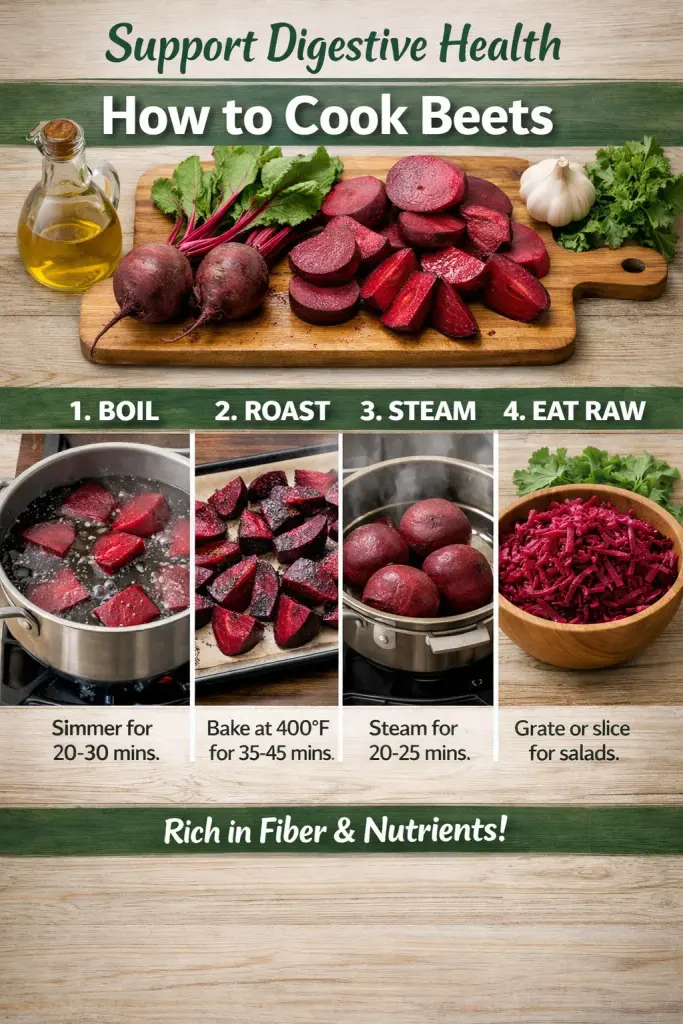
Fiber is a big deal for gut health; beets are high in fiber. Eating beets may also prevent constipation and promote regularity. A healthy gut helps you maximize your nutrients and maintain overall health.
Brain Function and Mental Clarity
Beets contain nitrates that not only will help maintain healthy hearts; they could improve function of the brain. Studies have shown that enhanced Nitric Oxide causes an increase in blood flow to the brain which helps improve cognitive function and mental clarity including memory. So, if you’re cramming for an exam or chugging through work tasks, be sure to include some beets in your meals.
Enhance Exercise Performance
If you’re an active person, beets can be a wonderful addition to your exercise routine. Research has shown beet juice improves endurance exercise, getting up to 16 minutes of enhanced performance while exercising. Natural nitrates increase mitochondrial energy production efficiency. So, after a serving of beets you might just blast through those last few reps much more easily!
How to Prepare Beets
Beets are also simple to add into your meals. Here are a few ways to enjoy them:
For another take, “roast: Cut the beets into wedges, toss them in olive oil and roast at 400 degrees (200 degrees C) until tender.
Raw salads: I like julienning raw beets and adding them to salads, where they provide a crunchy texture and cheerful color.
Soups: Use pureed cooked beets and make soups for a healthy, hearty meal.
Juiced: Juice beets with additional fruits and vegetables for a healthful drink.
Potential Risks and Considerations
Beets can also pose a risk to specific populations, despite the numerous benefits of their consumption. For instance, beets have oxalates that can make some people prone to developing kidney stones. If you have a history of kidney stones, it’s best to consult with your healthcare professional.
Beets into Your Life
Easy and rewarding as they are, beets are also pretty much foolproof — whether you’re eating them raw or roasted or drinking the juice. A colorful boost for your plates, beets are loaded with essential nutrients linked to several aspects of wellness.
Beets and Beetroot: Healthline and WebMD
How to Cook With Beets: Recipes and Methods
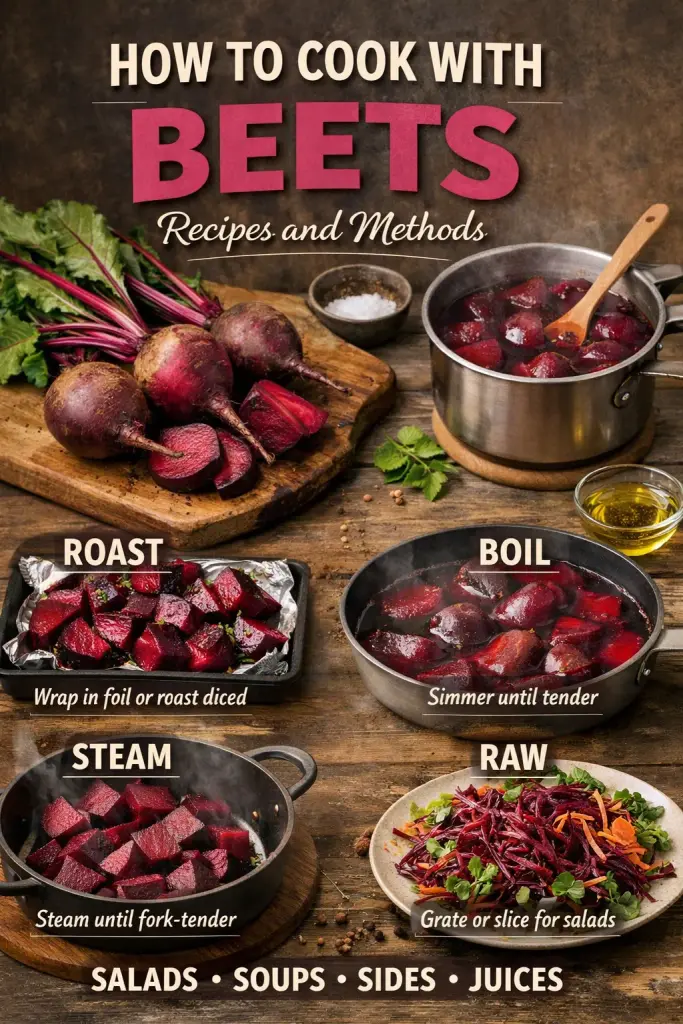
Beets are a sparkling, nutritious cooked component that can take your meals to colorful, delicious levels. Not only do their earthy flavor and mesmerizing hue make them a fantastic addition to everything, Here are a few inventive ways to incorporate cooked beets into your cooking.
Beet Salad Variations
Make fancy with basic salads using cooked beets. Their natural sweetness pairs nicely with so many ingredients. Consider these combinations:
Beet with Goat Cheese: Pair diced cooked beets with arugula, tangy goat cheese, walnuts and a little balsamic vinaigrette for the kaleidoscope of taste.
Citrus Beet Salad: Mix cooked beets with orange wedges, red onion and a light citrus dressing. This salad, served cold, is a nice summer dish.
Quinoa And Beet Salad: Toss cooked beets with quinoa, feta and fresh herbs for a hearty plate.
Delicious Beet Hummus
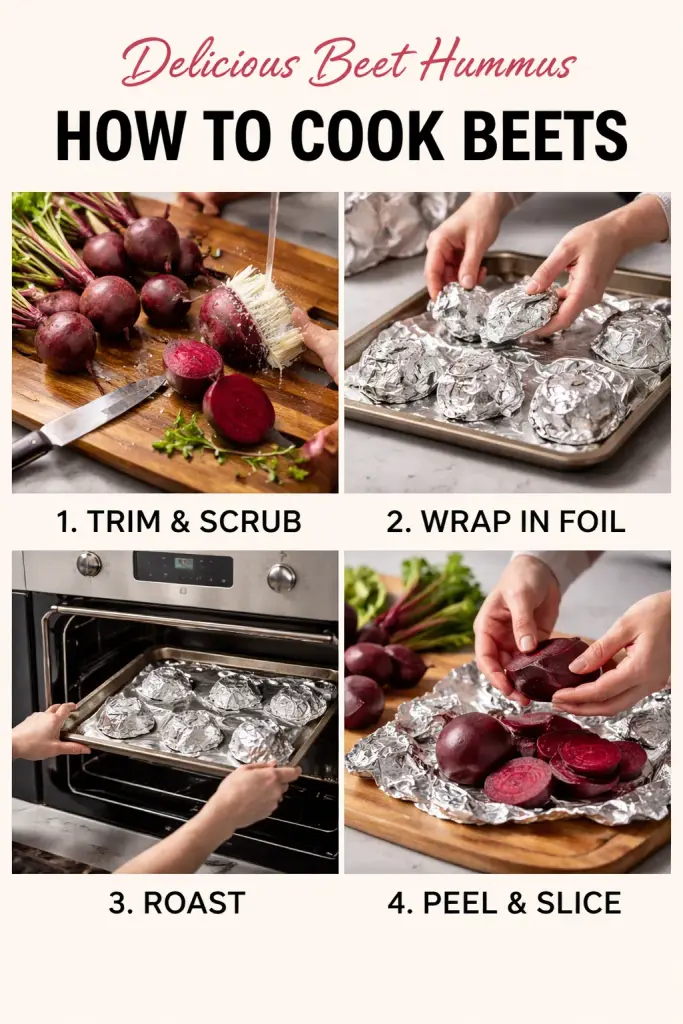
This beet hummus is a step up from your dips. It’s a vibrant spread that is a feast for the eyes just as much as for the palate. To make it, purée cooked beets with canned chickpeas, tahini, lemon juice and garlic and olive oil until smooth. Pair it with pita chips or vegetable sticks for an energizing snack.
Roasted Beet Tacos
Add some color to your taco night by making roasted beets the stars of the filling. The sweetness of beets is a perfect foil for savory taco ingredients. Here’s how:
Tumble diced cooked beets with olive oil, cumin and chili powder, roast.
Serve in corn tortillas with avocado, cilantro and lime juice.
Add some crumbled feta or cotija cheese for more flavor depth.
Creamy Beet Soup
Beet soup is really a comforting rich nutritious meal on a cold day. For the soup, caramelize onions and garlic in a pot, then add cooked beets, vegetable broth and a splash of cream. Purée until smooth, and serve smeared with dollops of yogurt and fresh herbs.
Beet Smoothies
Add cooked beets to a smoothie breakfast or snack (helps with nutrients). They give a pretty color and vitamins without covering over the flavor.” Here’s a simple recipe:
- 1 cup cooked beets
- 1 banana
- 1 cup spinach
- 1 cup almond milk (or any other type of milk you like)
Puree until very smooth and enjoy a nutritious energy drink!
Beet Risotto
Add cooked beets to liven up a classic risotto. The vibrant hue adds visual interest and the flavor intensifies the dish. Follow these steps:
That means slow-cooking arborio rice in vegetable broth.
Add diced cooked beets toward the end of cooking, along with parmesan cheese.
Sprinkle on more fresh herbs if you want some extra freshness.
Colorful Pasta Dishes
Use cooked beets in pasta dishes for a little colour and nutrition. Swirl beet pureé into your pasta sauce for a dish that practically glows, or toss pasta with sautéed beets, garlic and spinach. Top it with parmesan for a beautiful dinner.
Baking with Beets
Cooked beets can also surprise you in baked goods. Their natural sweetness allows you to crown back on added sugars in recipes. Consider beet brownies or muffins. Replace part of the fat in your recipes with puréed beets — you’ll end up with moist, flavorful treats!
Creative Beet Pickles
Beets are great in pickles, homemade or not. To prepare:
In a pot, heat vinegar, water, sugar and spices until dissolved.
Then add sliced, cooked beets, and leave them to marinate in the solution for at least 24 hours.
These bracing pickles add some life to sandwiches or salads!
These will inspire you to elevate your meals with the flavor, color and nutrients of cooked beets! Want to know more about the health benefits of and recipes with beets? Visit Healthline for detailed insights.
Roasted beets are all you need to unleash your inner culinary wizard and experiment with flavors.
How to Select and Store Fresh Beets
Selecting and storing beets when they’re at their peak requires a careful eye, as well as some simple techniques, to ensure their flavor and nutrition. Here’s what to look for when you’re choosing beets and tips on keeping them fresh longer.
Choosing Fresh Beets
When shopping for beets at the market or grocery store, you want to ensure that the beets you choose are fresh and look good. Here’s what to look out for:
Skin Color — Select beets that are an intense rich color. Dark purple, ruby red or golden beets signify freshness.
Firmness: Fresh beets should feel firm. Avoid any that are soft or mushy and may be spoiled.
Size: Choose medium-sized beets, about 2 to 3 inches in diameter. Huge beets can also become woody and have a less pleasant texture.
Greens: If the beets still have their greens, check the leaves. Greens should be bright green and crisp. If you notice leaves wilting or turning yellow, the beets are less than fresh.
How to Store Fresh Beets
After picking your beets, you need to store them in just the right conditions if you don’t want to see them go bad. Here’s how to store them — the right way:
Trim the greens: If your beets came with greens, remove them before storage. If they did, greens can suck moisture out of the roots and make them rot.
Keep Them Cool: Store beets in your fridge’s crisper drawer. The ideal temperature for beets is about 32ºF (0° C).
Moisture Mismanagement: Store beets in a perforated plastic bag to allow moisture to escape and retain some humidity, which will prevent the root vegetable from drying out. This prevents wilting.
Don’t Wash Before Storing: Do not wash beets before storing; moisture leads to spoilage. If you can, wash these right before you cook or eat.
Long-Term Storage: If you want to store beets for a longer timeframe, you can freeze them. Trim, roast and peel beets, then blanch in boiling water for about 15 minutes; cool quickly in ice water. When cool, peel and chop, then freeze in airtight bags.
Tips for Using Stored Beets
Here are some things to keep in mind when you cook the beets you’ve stored:
BEFORE COOKING Cut off the root, and the leaves; trim to about an inch of stem. It prevents them from bleeding while they’re cooking.
Cooking techniques: Beets can be boiled, roasted or steamed and pickled, producing a variety of flavor and texture profiles. Try out different approaches and see which you prefer.
Nutritional Benefits
They taste delicious but beets are also brimming with nutrients. They are a great source
| Nutrient | Benefits |
|---|---|
| Fiber | Aids digestion and promotes a healthy gut. |
| Folate | Essential for DNA synthesis and repair. |
| Vitamin C | Promotes immune function and skin health. |
| Antioxidants | Protects cells from damage and supports overall wellness. |
Help reduce inflammation and combat oxidative stress.
Not only can beets enrich the taste of your food but also boost your health. But by learning how to select and store beets, you can have these nutritious root vegetables around for weeks.
For guide to choosing beets and keeping them fresh See Eat Fresh or Food Network.
Originally from: common mistakes to avoid when cooking beets
Although simply cooking beets will yield some very tasty results, there are many common errors that many people make that can affect the flavor, texture or even nutrient density of this colorful root veggie. Awareness of these landmines can elevate your beet cooking to the next level, and make sure you’ll experience all their glory. Some mistakes to avoid with beet cooking.
Neglecting Proper Cleaning
The first mistake? Not cleaning beets well. Beets can be quite dirty, grittier than you want to encounter in your cooking. Here’s how to get them clean:
To prepare the beets, first wash each beet under cold water without cutting it.
Scrub gently with a vegetable brush to dislodge dirt.
TRIM: Cut the tops off, leaving a inch of stem so they don’t bleed when cooked.
Cleaning the beets will make for better flavor and presentation.
Overcooking the Beets
One mistake is cooking them too long, which gives mushy beets. Beets must be cooked until fork-tender, which typically takes:
| Cooking Method | Time (minutes) |
|---|---|
| Boiling | 30-45 |
| Roasting | 45-60 |
| Steaming | 30-40 |
| Microwaving | 10-15 (whole, with skin) |
If you want to test for doneness, poke a beet with a fork; it should pierce easily, but still hold its shape.
Not Using Enough Seasoning
Beets have a natural sweetness, and some seasoning can really make them shine. The most common seasoning mistakes are under-seasoning where bland food is the worst thing! When cooking beets, consider adding:
Salt the cooking water to add flavor.
Pot herbs, like rosemary or thyme, for scent.
So acidic components, like vinegar or lemon juice, to brighten their flavor.
A world of difference could be made in beet dishes by an experiment with spices.
Ignoring Cooking Techniques
Cooking matters a great deal with beets. Just boiling them out will leach nutrients. Here are some effective methods:
Roast: Drizzle and season, wrap it in foil and put it in the oven. This enhances the sweet flavor.
Steaming: This preserves more of the nutrients and leaves the beets crisper.
Grilling: Smoking hot, either grill slices or whole beets for a smoky flavor that is delicious for salads.
These all each provide a different flavor and texture so use which ones you have on hand!
Failing to Peel Properly
The second error is peeling the beets prior to cooking them. You lose a lot of flavor and nutrients if you peel before cooking.” The skins can help protect the beets during cooking, and are easier to peel away afterward. Enjoy with the skin on, then peel it off as they cool.
Skipping Storage Tips
Packaged beets, when you do make them in advance, can suffer if they’re poorly arranged. Bellows: Refrigerate cooked beets, in an airtight container, up to five days. For new beets, best quality store in crisper drawer with tops removed.
Choosing the Wrong Variety
There are many kinds of beets; red, golden, and striped. There are different kinds that have varying flavors and can alter the taste of your dish. Golden beets, for instance, are a sweeter and less earthy option than their red counterparts. Selecting the right variety, though, will definitely contribute to your dish and overall culinary experience being all the more delicious.
To learn how to prepare beets that are beautifully flavorful, see Eating Well for more techniques and recipes.
So if you steer clear of these common cooking mistakes, beets can indeed be a food that underpins loads of nutrition and the potential for flavor bombs aplenty. Happy cooking!
Conclusion
However you prepare them they are a bright and healthy addition to your diet so more like a culinary delight! How you cook these root vegetables can also make a difference; alternative cooking methods, such as steaming, roasting and boiling, all have the potential to bring out the vegetables’ innate sweetness. Beets packed with vitamins, minerals and antioxidants that help lead the healthy life.
But once cooked, beets are extremely versatile. They can go into salads and smoothies, soups and even make for fun dips and spreads. These add unique flavor and texture so are a delicious way to mix things up in the kitchen, as the possibilities seem endless.
Fresh beets are best if they have smooth, firm skins and similarly colorful leaves. They also need to be stored properly: in a cool, dark place for longer freshness.
Detective work banter such as this brings us to just how critical beat preparation is: equally as crucial as to avoid common blunders. Cooked too long, they turn mushy; not enough and they can taste bland. Avoid these common mistakes and you’ll elevate your beet dishes from good to great.”
So armed with all of these tips and info, you now have no excuse not to know how to cook beets successfully so you can enjoy all their benefits! So embrace this multicolored wonder of a vegetable in your diet and see how it can beautify your meals. Happy cooking!