


A pre-cooked ham is simple to prepare and adds a great flavor to any meal. They are pre-cooked hams, or hams that have already been cooked, so the trick is figuring out how long they need to be simmered (or heated) at what temperature so they don’t dry out and lose their flavor. Here’s what you need to know in order to get it just right.
Understanding Your Pre-Cooked Ham
Ham that is pre-cooked (most of them are) is fully cooked and needs no more than reheating. It’s available in a few varieties: spiral cut, bone-in or boneless. Knowing which kind you have is important because that can affect the cooking time and method.
General Cooking Guidelines
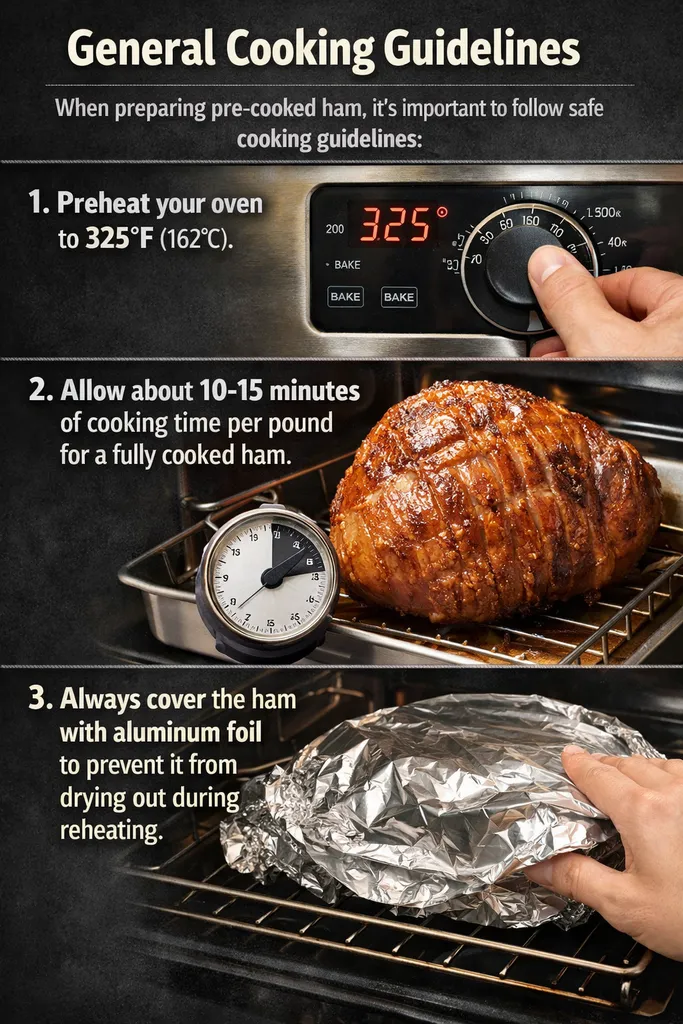
When preparing pre-cooked ham, it’s important to follow safe cooking guidelines:
- Preheat your oven to 325°F (162°C).
- Allow about 10-15 minutes of cooking time per pound for a fully cooked ham.
- Always cover the ham with aluminum foil to prevent it from drying out during reheating.
Cooking Times for Different Types of Ham
Cooking times may differ based on the specific type of ham you are using. Here’s a table detailing the recommended cooking times and methods for common types of pre-cooked ham:
| Type of Ham | Cooking Time | Additional Tips |
|---|---|---|
| Whole Bone-in Ham | 15-18 minutes per pound | Brush with glaze during the last 30 minutes for extra flavor. |
| Half Bone-in Ham | 18-24 minutes per pound | Turn it halfway to ensure even heating. |
| Spiral Cut Ham | 10-14 minutes per pound | Keep covered with foil until the last 20 minutes. |
| Boneless Ham | 12-16 minutes per pound | Let it rest after cooking to allow juices to settle. |
Checking for Doneness
To make sure your pre-cooked ham is ready, use a meat thermometer. For the best flavor and safety, the internal temperature should reach 140°F (60°C). Stick the thermometer into the thickest part of the ham, away from bone. When adding a glaze, usually brush it on during the last half hour of cooking, when you want it to caramelize without burning.
Resting Period
After removing the ham from the oven, let it rest for about 15-20 minutes before slicing. This resting period helps redistribute the juices, making for a moister and tastier ham.
Flavoring Tips
Enhancing your pre-cooked ham with various glazes can really make it shine. Popular ingredients include:
- Brown sugar or honey for sweetness
- Mustard for a tangy twist
- Pineapple juice or cider for fruity notes
- Cloves or cinnamon for warmth
Using these ingredients can transform a simple pre-cooked ham into the star of your dining table.
Storing Leftovers
If you have leftovers, store them in a sealed container in the fridge for up to five days. You can also stash leftover ham in the freezer, where it will keep for up to six months. Just remember to slice the ham before freezing, and it will be easy to use in recipes later on.
Additional Resources
For further detailed guidelines and recipes on cooking ham, check out these resources:
Thus, they should be followed for how long do you cook a pre cooked ham because it will make your dinner making convenient and also ensure that the dish is flavorful so your family can enjoy it. Happy cooking!
The Best Methods for Reheating Pre-Cooked Ham
Reheating a pre-cooked ham is an easy way to make the most of your meal without too much effort in the kitchen. Whether you’re getting ready for a holiday spread or a casual family meal, knowing how to reheat your ham properly will keep it moist and flavor-packed. Here are the best ways to reheat ham and make it perfect.
Oven Method
The oven is one of the most effective ways to reheat pre-cooked ham while preserving its moisture and flavor. Here’s how to do it:
- Preheat your oven: Set the temperature to 325°F (163°C).
- Prepare the ham: Place your pre-cooked ham in a roasting pan. If it has a glaze, consider applying it before heating for added flavor. If it’s a boneless ham, add 1 cup of water or broth to keep it juicy.
- Cover the ham: Loosely cover the ham with aluminum foil. This prevents moisture from escaping and helps to keep the ham tender.
- Heat in the oven: Reheat for about 15-18 minutes per pound. Use a meat thermometer to check that the internal temperature reaches 140°F (60°C) for safe consumption.
This approach tends to take longer, but the payoff is consistently tender, flavorful meat. You can also remove foil for final 20-30 minutes to allow surface to caramelize well.
Microwave Method
If you’re short on time, the microwave can be a quick alternative for reheating pre-cooked ham. Here’s the process:
- Slice the ham: Cut the ham into smaller, even pieces to ensure uniform heating.
- Place in a microwave-safe dish: Arrange the slices in the dish, adding a splash of water or broth to maintain moisture.
- Cover: Use a microwave-safe lid or plastic wrap, leaving a small vent for steam to escape.
- Heat: Start by reheating on medium power for 1-2 minutes. After that, check the temperature and continue heating in 30-second intervals until it reaches 140°F (60°C).
Microwaving is not only faster but also allows for easy portion control; however, be cautious as it can easily dry out the meat.
Slow Cooker Method
The slow cooker offers a hands-off approach and is perfect for reheating large hams. Here’s how to utilize this method:
- Choose the right size: Ensure your ham fits comfortably in the slow cooker.
- Add moisture: Pour a cup of water or broth into the bottom of the cooker to prevent drying.
- Set the temperature: Cook on low for 4-6 hours or on high for 2-3 hours. Make sure to check that the internal temperature reaches 140°F (60°C).
This method is exceptional for those who may be preparing multiple dishes, as it allows you to focus on preparing other parts of your meal while the ham warms up.
Stovetop Method
The stovetop technique is ideal for smaller portions. Here’s how to do it:
- Slice the ham: Cut the ham into thin slices to expedite heating.
- Heat in a skillet: Place a skillet over medium heat and add a small amount of water, broth, or even orange juice for flavor.
- Cover and warm: Add the ham slices to the skillet, cover, and let it steam for about 5-10 minutes until heated through.
This method is quick and can enhance the flavor through caramelization while keeping your ham succulent.
Tips for Perfectly Reheating Pre-Cooked Ham
- Always check the internal temperature with a meat thermometer to ensure safety.
- Consider adding a glaze during reheating for extra flavor.
- Let the ham rest for a few minutes after reheating before slicing to retain moisture.
For more information, visit sites like Food Safety and Epicurious. It will guide you on how long to cook a pre-cooked ham and which reheating methods work best so you can have success with your meal every time.
Flavor Enhancements: Glazes and Marinades for Pre-Cooked Ham
Seasoning a pre-cooked ham can take your meal from average to memorable. Pre-cooked ham is a popular choice for people, mostly for the ease and convenience, but a good glaze or marinade adds flavor that takes it to gourmet status. Here are some creative ways to upgrade the flavor of your pre-cooked ham with easy glazes and marinades.
Popular Glaze Ingredients
Creating a glaze for your pre-cooked ham involves combining sweet, salty, and aromatic ingredients. Here are some common components used in glazes:
- Brown Sugar: This adds sweetness and caramelization.
- Honey: A delightful natural sweetener that flavors and glazes simultaneously.
- Maple Syrup: Offers a rich, warm flavor that pairs well with ham.
- Mustard: Adds a tangy kick that balances the sweetness.
- Pineapple Juice: Provides fruitiness and moisture.
- Cloves: A traditional spice that adds warmth and depth.
Simple Glaze Recipes
Here are a few simple glaze recipes you can try:
| Glaze Type | Ingredients | Cooking Instructions |
|---|---|---|
| Honey Mustard | 1 cup honey, ½ cup mustard | Mix together, brush onto ham, and bake for 30 minutes. |
| Pineapple Maple | 1 cup maple syrup, ½ cup pineapple juice | Combine, baste on ham, and bake for 45 minutes. |
| Brown Sugar Clove | 1 cup brown sugar, 10 cloves | Mix sugar with cloves, rub onto ham, and roast for 1 hour. |
Marinades for Pre-Cooked Ham
While glazes are applied toward the end of cooking, marinades can be used beforehand to infuse flavors into the ham. Here are a few marinade ideas:
- Spicy Marinade: Combine soy sauce, hot sauce, garlic, and ginger. Let the ham sit in it for several hours for a spicy kick.
- Sweet Teriyaki Marinade: Mix teriyaki sauce with crushed pineapple and sesame oil. Marinate the ham to provide an Asian twist.
- Herb Marinade: Blend olive oil, garlic, rosemary, and thyme. This offers a fresh herb profile that enhances the ham’s natural flavor.
Applying Glazes and Marinades
To properly apply glazes and marinades to your pre-cooked ham, follow these steps:
- Prepare your glaze or marinade by combining all ingredients in a bowl.
- Place the ham in a roasting pan lined with foil for easy cleanup.
- If using a marinade, allow the ham to soak in the marinade for several hours or overnight in the refrigerator if possible.
- Preheat your oven to 325°F (162°C).
- Remove the ham from the marinade, and if you’re glazing, brush a layer of your glaze on the ham.
- Bake the ham as per the cooking instructions, usually around 15-18 minutes per pound, brushing with additional glaze halfway through cooking.
- Let the ham rest for 10-15 minutes before slicing for the most flavorful results.
These enhancements not only improve the taste but also add a beautiful glossy finish to your pre-cooked ham, making it visually appealing for your guests.
For more ideas and recipes on cooking ham, visit Food Network or Taste of Home.
Note: The secret to a wonderful meal is in the details, and adding a little glaze or marinade will elevate your pre-cooked ham 1 million times. Enjoy your cooking process!
Preventing Dryness: Keeping Your Pre-Cooked Ham Moist
Whether or not you enjoy a pre-cooked ham, keeping it moist and delicious can elevate your experience. Whether you’re preparing it for a holiday feast, a family gathering or just as a comforting weeknight dinner, here are some tried-and-true methods to keep your pre-cooked ham from drying out.
Understand the Type of Ham
First, it’s essential to identify the type of pre-cooked ham you have. Some common types are:
- Bone-In Ham: Generally more flavorful due to the bone and usually takes longer to heat up.
- Boneless Ham: Easier to slice but often dries out more quickly.
- Spiral-Cut Ham: Comes pre-sliced; great for serving but prone to drying. Use caution when reheating.
Optimal Reheating Techniques
The way you reheat your pre-cooked ham plays a crucial role in preserving its moisture. Here are the best methods:
- Oven Method:Preheat the oven to 325°F (165°C). Put the ham in a roasting pan and tent it with aluminum foil. This cooks it in steam, which keeps the ham juicy. The basic rule of thumb is to allow the ham about 10-15 minutes per pound.
- Slow Cooker: For an easy option, pop the ham in a slow cooker. Add a splash of liquid, like pineapple juice, apple cider or broth to keep it moist. On low for several hours, depending on the size of your ham.
- Stovetop: You can warm the ham on the stovetop, too. Cut the ham into slabs, and put them in a skillet with a little broth or water. Cover and cook on low to medium heat, stirring occasionally.
Use Moisture Locking Ingredients
Moisture-rich ingredients can enhance the overall flavor and prevent drying out. Consider these options:
- Basting: Brush or spoon a mixture of honey, maple syrup, or brown sugar blended with mustard over the ham before baking.
- Glazes: Using a sweet glaze during the last 30 minutes of cooking adds moisture and a beautiful finish. A basic glaze can include honey and Dijon mustard for a hint of tang.
- Broth or Juice: Adding some liquid around the base of the ham in the baking dish can help keep the ham moist throughout the heating process.
Monitor Internal Temperature
The key to keeping your reheated ham moist is tracking the internal temperature. The best temperature to serve ham is 140°F (60°C) – 145°F (63°C). You can verify this with a meat thermometer. It can dry out from overheating; so, remove it from the heat source when it’s reached this temperature.
Storing Leftovers Properly
After the meal, proper storage of leftovers can further preserve moisture. Follow these tips:
- Cool the ham and then store it in an airtight container, preferably with some of its cooking juices.
- Wrap it tightly in aluminum foil or plastic wrap if you don’t have a container.
- Refrigerate and consume within 3-5 days, or freeze for longer storage. Use a freezer-safe bag to prevent freezer burn.
If you’re looking for more detailed recipes and cooking advice, check out Food Network or Delish.
Follow these tips to make sure your pre-cooked ham doesn’t end up dry and disgusting. No matter if this is your first time cooking a ham or you’re a pro, the important thing to remember is that moisture will help create delicious results every time.
| Ham Type | Best Cooking Method | Cooking Time (Per Pound) |
|---|---|---|
| Bone-In Ham | Oven | 10-15 min |
| Boneless Ham | Slow Cooker | 7-10 min |
| Spiral-Cut Ham | Oven | 10-15 min |
With these effective strategies, you’ll never have to worry about serving a dry pre-cooked ham again!
Creative Leftover Ideas for Pre-Cooked Ham
Pre-cooked ham, if you have leftovers, is a delicious, versatile ingredient poised to take all kinds of dishes up plenty of notches in just minutes. In matters of leftovers, no matter if you have it from a holiday feast or even any family gathering, here are some ideas to help turn them into delicious meals.
Ham and Cheese Breakfast Casserole
This dish is perfect for breakfast or brunch. Gather the following ingredients:
- 2 cups of cubed pre-cooked ham
- 6 eggs
- 1 cup of milk
- 2 cups of shredded cheese (cheddar works well)
- 1 cup of diced vegetables (like bell peppers and onions)
- Salt and pepper to taste
Instructions:
- Preheat your oven to 350°F (175°C).
- In a large bowl, whisk together eggs, milk, salt, and pepper.
- Add ham, cheese, and vegetables to the mixture.
- Pour into a greased baking dish and bake for 30-40 minutes.
- Enjoy your hearty breakfast!
Savory Ham Soup
Turn leftover ham into a comforting soup. Here’s a simple recipe:
- 2 cups of diced pre-cooked ham
- 4 cups of chicken or vegetable broth
- 2 cups of chopped vegetables (such as carrots, celery, and potatoes)
- 1 teaspoon of thyme
- Salt and pepper to taste
Instructions:
- In a large pot, combine broth and chopped vegetables.
- Add the diced ham and thyme; bring to a boil.
- Reduce heat and let simmer for about 30 minutes.
- Season with salt and pepper. Serve hot.
Ham Fried Rice
Transform rice into a delightful dish by adding pre-cooked ham. Here’s how:
- 2 cups of cooked rice (preferably cold)
- 1 cup of diced pre-cooked ham
- 1 cup of mixed frozen vegetables
- 2 eggs, beaten
- 2 tablespoons of soy sauce
Instructions:
- In a large skillet, scramble the beaten eggs and set aside.
- In the same skillet, add ham and vegetables; stir-fry until heated through.
- Add the rice, soy sauce, and scrambled eggs; mix well.
- Cook until heated through, and enjoy your meal!
Ham Sandwich Variations
Add flair to your sandwiches using leftover ham. Here are a few ideas:
- Classic Ham and Cheese: Layer slices of ham with your favorite cheese, lettuce, and mustard on whole grain bread.
- Ham and Pineapple Sandwich: Combine ham with grilled pineapple and teriyaki sauce for a tropical twist.
- Ham Salad: Chop ham and mix it with mayonnaise, diced pickles, and celery for a delectable ham salad.
Ham Pasta Dishes
Incorporate ham into your pasta meals for added flavor. Consider trying:
- Ham Alfredo: Combine ham with fettuccine and a creamy Alfredo sauce.
- Ham Mac and Cheese: Stir in diced ham into your classic mac and cheese for a protein boost.
These inventive ideas will transform your extra pre-cooked ham into something exciting and delicious. Not only can you cut down on food waste, but you’ll provide your family with hearty meals. For more tasty recipes and cooking tricks visit Food Network or AllRecipes.
Experiment with different flavors and ingredients to make these dishes your own. There’s no limit to the culinary creations you can invent with pre-cooked ham!
Conclusion
When given the right information though cooking a pre-cooked ham can be an easy and fun process. Knowing when and how warm to heat your ham helps to ensure that it stays evenly and completely heated throughout. Choosing the appropriate method makes all the difference in terms of moisture and flavor, whether you use your oven, stovetop or slow cooker.
Using marinades and glazes to enhance your pre-cooked ham is a great way to kick it up a notch. There’s a whole range of sweet and savory pairings that can deepen flavors and add sweetness, make your ham shine at any gathering. Also, avoiding methods that dry your hams out will help ensure that yours stays succulent and full of flavor. But simple steps such as covering it when you reheat and basting it regularly will keep your ham juicy state.
After enjoying your main dish, don’t forgot about the leftovers — they’re more versatile than you might think. Because pre-cooked ham is so versatile, it’s useful in many kinds of recipes — and everything from salty breakfast scrambles to hearty soups and sandwiches can be made with some kind of ham. Not only does this help to reduce food waste, but it also offers the chance of some beautiful meals throughout the week!
If you really want to serve a beautifully heated and flavored pre-cooked ham that will satisfy everyone at your table, take these practices into consideration. Armed with these tips, you are ready to whip up a scrumptious meal that does not only fulfill your hunger, but adds some zest into your dining experience. Have fun with it, and enjoy the tasty results!