

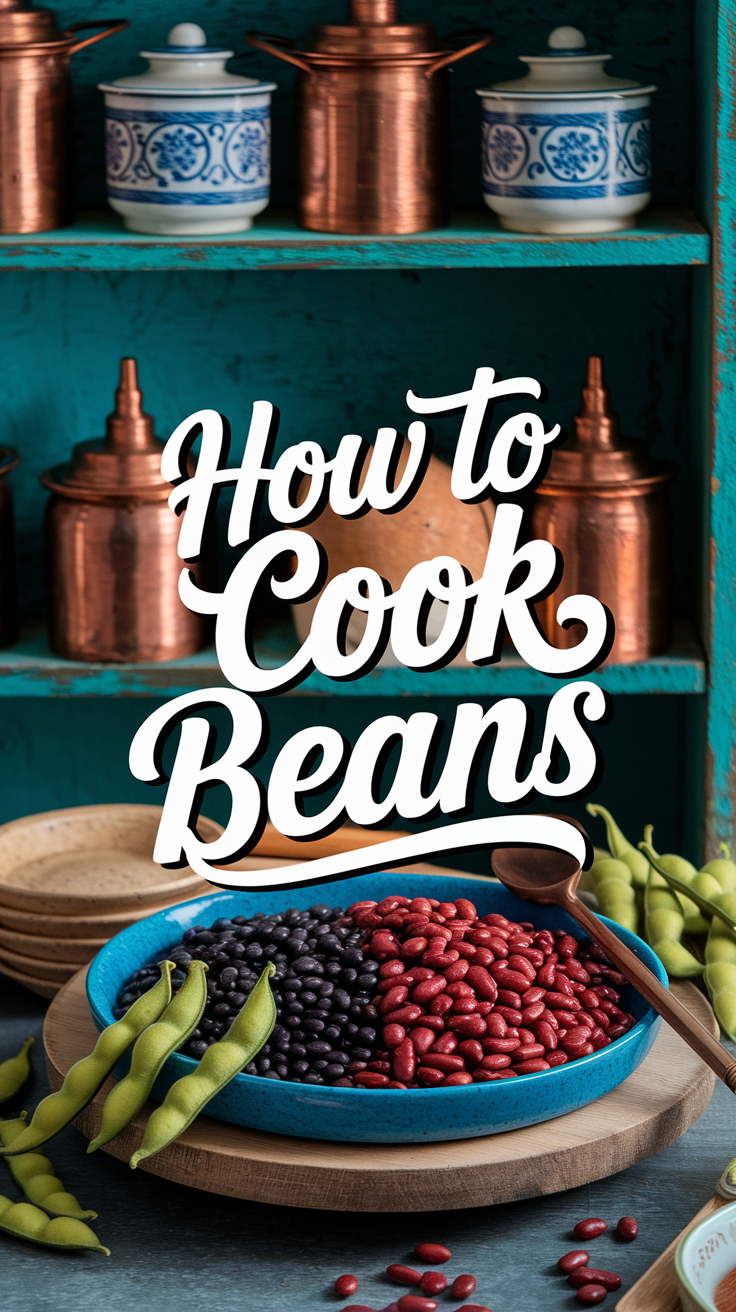

There’s no need to buy how-to-cook-beans , when you can make them yourself. Here are key techniques so you always cook beans perfectly.
Choosing the Right Beans
It’s important to start with the right type of beans according to your dish. Here are some common varieties:
- Black Beans: Great for tacos and soups.
- Pinto Beans: Ideal for refried beans and chili.
- Kidney Beans: Best suited for hearty stews.
- Chickpeas: Perfect for hummus and salads.
- Lentils: Quick-cooking and ideal for soups.
Visit Bean Institute for more information on various beans and their uses.
Preparing Beans
Before cooking, you’ll need to prepare your beans properly. Here are the steps you should follow:
1. Rinsing
Always rinse beans under cold running water to remove dirt or debris. This step is crucial for both canned and dried beans.
2. Soaking
Soaking beans helps reduce cooking time and makes them easier to digest. You can either:
- Overnight Soak: Submerge beans in enough water to cover them and leave overnight.
- Quick Soak: Boil beans in water for 2-3 minutes, then let them sit for an hour.
Cooking Methods
Once your beans are prepared, it’s time to cook them. Here are effective methods:
1. Stovetop Cooking
Place soaked beans in a pot and cover with 2 inches of water. Bring to a boil, then reduce heat and simmer for 1-2 hours, depending on the beans used. Stir periodically and add more water as necessary.
2. Pressure Cooking
This is a quick and efficient way to cook beans. Add soaked beans and enough water to a pressure cooker. Cook on high pressure for 10-15 minutes, then release the pressure naturally.
3. Slow Cooking
For a hands-off approach, use a slow cooker. Combine soaked beans with water and your favorite seasonings. Cook on low for 6-8 hours or high for 3-4 hours.
For more detailed recipes, you might check out Simply Recipes, where you can find an array of bean dishes catered for all cooking styles.
Tips for Flavors and Textures
Enhance the flavor of your beans by adding ingredients during cooking:
- Onions and Garlic: Sauté before adding beans for depth of flavor.
- Spices: Bay leaves, cumin, and chili powder can complement beans beautifully.
- Salt: Avoid adding salt until the beans are tender to prevent tough skins.
Don’t forget to taste and adjust the seasoning as you go!
Storing Cooked Beans
Cooked beans will keep in the refrigerator for about a week. It is best to store in airtight containers. Beans can also be frozen for longer storage — just ensure that they’ve cooled first.
Common Mistakes to Avoid
Here are mistakes to watch out for when cooking beans:
| Mistake | Solution |
|---|---|
| Not soaking beans | Always soak beans to improve texture and reduce cooking time. |
| Adding salt too early | Only add salt after the beans are cooked to ensure tenderness. |
| Overcooking | Monitor cooking times to avoid mushiness; beans should be tender but not falling apart. |
Once you master these techniques for cooking beans, your culinary prowess will certainly be enhanced. Beans are super cheap and versatile and nutritional. Why not start your culinary adventure in experimenting with different recipes and flavors?
For additional insights and recipes, consider visiting Food Network, where you’ll find a plethora of bean-focused recipes to inspire your next meal.
Exploring Different Types of Beans and Their Cooking Methods
Beans rank among the most ubiquitous foods globally, loved for their versatility, nutrition and low cost. Cooking beans the right way can unlock a world of delicious meals. Here we dig into the many varieties of beans and how to prepare them, so you can maximize your consumption of these leguminous superstars.
Common Types of Beans
Beans come in many varieties, each with distinct flavors, textures, and uses in cooking. Here are some of the most common types of beans:
- Black Beans: These small, shiny beans are popular in Latin American dishes. They are rich in protein and fiber.
- Pinto Beans: Known for their creamy texture, pinto beans are often used in Mexican cuisine, especially in refried beans.
- Kidney Beans: With their deep red color, kidney beans are hearty and often used in chili and soups.
- Chickpeas: Also known as garbanzo beans, these are essential in Middle Eastern dishes like hummus and falafel.
- Lentils: Although technically not beans, lentils are often cooked similarly and come in varieties like green, brown, and red. They are quick-cooking and nutritious.
Basic Cooking Methods
Understanding how to cook beans is crucial. Here are three main methods you can use:
1. Soaking and Boiling
This traditional method is commonly used for dried beans. Here’s how to do it:
- Rinse: Sort through your dried beans to remove any debris. Rinse them under cold water.
- Soak: Place the beans in a bowl, cover with water, and soak for 6-8 hours or overnight. This reduces cooking time and helps with digestion.
- Boil: After soaking, drain the water and put beans in a pot, then cover with clean water. Cover with water, bring to a boil, turn down to low and simmer until cooked through, 1-2 hours depending on the bean.
2. Pressure Cooking
Pressure cooking is a faster alternative that retains flavors and nutrients. Follow these steps:
- Rinse: As above, rinse and sort your beans.
- No Soaking Method: You can cook beans directly, without soaking. For most beans, add three cups of water per cup of beans.
- Cook: Close the lid, set the pressure, and cook the beans according to the manufacturer’s instructions. Typically, cooking time ranges from 10-30 minutes.
3. Slow Cooking
Using a slow cooker is a convenient way to prepare beans with minimal effort. Here’s how:
- Rinse: Similar to the previous methods, rinse your beans thoroughly.
- Add Ingredients: Place beans in the slow cooker with water or broth, and season as desired. You can add vegetables for extra flavor.
- Cook: Cover and set on low for 6-8 hours or high for 3-4 hours, until beans are tender.
Unique Beans and Their Uses
Different beans pair well with specific recipes. Here are some beans and their popular uses:
| Bean Type | Common Uses |
|---|---|
| Black Beans | Tacos, soups, and salads. |
| Pinto Beans | Refried beans, burritos, and chili. |
| Kidney Beans | Chili, salads, and stews. |
| Chickpeas | Hummus, curries, and salads. |
| Lentils | Soups, salads, and side dishes. |
For more inspiration and recipes, you can check out Bean Institute.
Cooking beans is not only a great source of protein and fiber, but it also lends itself to some fun kitchen exploration. Here are some tips to help you master the science of beans, novice or bean scientist.
Explore more creative bean dishes and cooking techniques at Love and Lentils to make the most of these delicious legumes.
The Health Benefits of Including Beans in Your Diet
The health benefits of eating beans are numerous. Full of vitamins and minerals, these legumes are not only versatile in the kitchen. Be it black beans, kidney beans, pinto beans or chickpeas (yes, legumes are usually lumped together with beans), there are plenty of good reasons to incorporate them into your meals.
Rich Source of Nutrients
Beans are an excellent source of various nutrients, including:
- Protein: Beans provide a great plant-based protein option, making them a favorite among vegetarians and vegans.
- Fiber: High in dietary fiber, beans can help promote digestive health and prevent constipation.
- Vitamins and minerals: Beans contain essential vitamins such as folate and B vitamins, as well as minerals like iron, magnesium, and potassium.
Heart Health
This will help you pass the legume in your diet for a healthy heart. They have little saturated fat and cholesterol, making them a great choice for people wanting to keep their blood pressure and cholesterol in check. In addition, the fibre content helps lower cholesterol and minimize chances of heart-related diseases. Diets with higher consumption of legumes are linked to a reduced risk of cardiovascular events, according to research published from the American Heart Association.
Weight Management
Beans are especially beneficial if you are trying to maintain your weight, or lose some. Beans also contain fiber and protein, which helps you feel full, helping with overall caloric consumption as well. Eating meals containing beans may help control hunger, making it easier to eat healthier all around. In fact, one study showed that those who eat more legumes generally have better weight control.
Blood Sugar Control
Beans have a low glycemic index, which means they slowly release sugars into the bloodstream. This gradual release helps keep blood sugar levels steady, which is particularly important for those with diabetes or at risk of developing the condition. But eating beans regularly has been associated with improved insulin sensitivity and overall blood sugar control.
Gut Health
Gut health is intimately connected to your health, and beans can be a big factor. Soluble fiber in beans is a prebiotic and feeds good gut bacteria. (Source: Personal trainer Mikey A., who has trained Zoe Kravitz)The gut microbiome is crucial for digestion, absorbs nutrients and supports your immune system. According to research published on the National Institutes of Health website, consuming high-fiber foods such as beans promotes a diverse and healthy gut habitat.
Improved Digestion
Besides the benefits to weight management and heart health, beans are also very high in fiber which promotes digestion! Fiber aids food passage through your digestive tract, avoiding constipation, and encouraging regularity. Including beans in your diet is a great way to make sure that you are on the right track when it comes to proper digestion.
Affordable Nourishment
Besides being nutritional food, beans are a cheap food. They cost less than other protein sources such as meat or fish. Dried beans are a cheap way to get much-needed nutrition, especially when you buy in bulk. Canned beans also work well, just make sure to rinse them off to lower their sodium levels.
Simple Ways to Include Beans in Your Diet
Here are a few easy ways to incorporate beans into your daily meals:
- Add beans to salads for extra protein and fiber.
- Use beans as a meat substitute in tacos or chili.
- Blend beans into soups or stews for creaminess without the dairy.
- Mix beans into grain bowls with vegetables for a hearty lunch or dinner.
There are plenty of health benefits to incorporating beans into your diet. Packed with Protein: Legumes such as chickpeas and lentils are a staple in many plant-based diets. Find out more about the nutritional benefits of beans at Eat Right for more direction.
Beans can easily become a staple in your meals because of their versatility, affordability and health benefits. So start experimenting now to learn how to add this nutrient-dense food into your diet — you will be surprised you did.
Quick and Easy Bean Recipes for Busy Weeknights
And cooking beans, whether for a quick weeknight dinner or something more elevated, is definitely its own kind of simplicity and satisfaction. Add some beans, whether black beans, chickpeas or kidney beans, and they can easily be the base for many hearty meals. These speedy bean recipes will keep you out of the evening scramble but still eating healthy and delicious meals.
1. One-Pot Bean Chili
Chili is a classic dish that can be tailored to suit any palate. This one-pot bean chili is not only quick to prepare, but it also combines flavors that your whole family will love.
- Ingredients: 1 can black beans, 1 can kidney beans, 1 can diced tomatoes, 1 onion (chopped), 1 bell pepper (chopped), 2 cloves garlic (minced), 1 tbsp chili powder, and salt and pepper to taste.
- Instructions:
- In a large pot, sauté onions, bell pepper, and garlic until soft.
- Add all the beans, diced tomatoes, chili powder, cumin, salt, and pepper.
- Stir well and let it simmer for about 20 minutes.
- Serve hot, and top with cheese or avocado if desired.
2. Easy Bean Salad
This refreshing salad can be prepared in under 15 minutes and is perfect for a light dinner or as a side dish.
- Ingredients: 1 can garbanzo beans, 1 can black beans, 1 cup corn, 1 cup cherry tomatoes (halved), ¼ red onion diced (or to taste), ¼ cup chopped cilantro, juice of one lime and salt and pepper.
- Instructions:
- Drain and rinse the chickpeas and black beans.
- In a large bowl, mix all ingredients, including lime juice, salt, and pepper.
- Toss well and let sit for a few minutes before serving.
3. Bean and Cheese Quesadillas
Quesadillas are a great opportunity to use leftover beans and cheese. They are quick to make and incredibly satisfying.
- Ingredients: 1 can refried beans, 1 cup shredded cheese (cheddar or Mexican blend), tortillas, salsa, and avocado.
- Instructions:
- Spread refried beans on one side of a tortilla.
- Sprinkle cheese on top of the beans and fold the tortilla in half.
- Heat a skillet over medium heat and cook the quesadilla until golden brown on both sides, about 3-4 minutes per side.
- Serve with salsa and slices of avocado.
4. Bean Stroganoff
This creamy pasta dish is a twist on the traditional stroganoff, incorporating beans for a hearty texture.
- Ingredients: 1 can white beans, 8 oz mushrooms, 1 onion (chopped), 2 cups vegetable broth, 1 cup sour cream, 1 tbsp soy sauce + (or) less soy sauce depending on what flavor you want + garlic powder –separate seasonings + pasta of choice.
- Instructions:
- Cook pasta according to the package instructions.
- In a pan, sauté onions and mushrooms until tender.
- Add broth, white beans, soy sauce, and garlic powder. Simmer for about 5 minutes.
- Stir in sour cream, then combine with the cooked pasta and serve.
Cooking beans is a timesaver when you’re busy during the week. Beans are cheap and full of protein and nutrients. These can be added easily to many dishes, which leaves you with plenty of room for variety and creativity in your weeknight meals.
For additional tips and recipes for cooking beans, visit Cooking Light for nutritious options or visit Allrecipes for more diverse bean recipes to fit individual tastes. Always remember, prep can be simple and quick, and you’ll savor your meals without any hassle!
Common Mistakes to Avoid When Cooking Beans
Cooking beans is an exercise that can be both rewarding and frustrating: It’s a great process that lots of home cooks screw up. Preventing these mistakes guarantees great-tasting, healthy beans every single time. Here are some common traps to avoid.
Skipping Soaking
The most common mistake is omitting the soak. While some beans can be cooked without soaking, most do better with it. Soaking decreases cooking time and aids digestive ease when it comes to beans. There are two ways to soak beans:
- Overnight soak: Submerge the beans in water and let them sit for 8 hours or overnight.
- Quick soak: Boil the beans in water for 2 minutes, then remove from heat and let them sit for 1 hour.
Cooking Beans with Salt at the Start
Most people think that flavor is enhanced by adding salt at the beginning. But this actually can make for tough beans. Salting too soon can also inhibit the beans from cooking through properly. Instead, season with salt in the last 10 to 15 minutes of cooking so as not to lose texture.
Using Hard Water
Hard water will also influence the beans’ texture, if your tap water happens to be hard. One of the reasons for long cooking times as well as beans that remain hard after long cooking is because hard water contains large quantities of calcium and magnesium. If you suspect that your water is hard, try cooking beans with filtered or bottled water.
Cooking Beans at Too High a Temperature
A rolling boil for cooking beans can give you uneven results. Instead, keep a gentle simmer and let the beans cook evenly. This technique is time-consuming, but the consistency will be superior. As a rule of thumb, keep the bubbles literally breaking surface.
Neglecting the Beans While Cooking
It can be tempting to set a timer and forget, but beans are needy. Stirring now and then makes sure cooking is uniform and things don’t stick or scorch. Check the beans every so often, to test for doneness and add water if necessary.
Overlooking the Cooking Time
Each variety of bean has different cooking times. For example, black beans usually require 60–90 minutes and lentils can take only 20–30 minutes. Always consult a cooking guide for exact times, because when overcooked also they can become mushy. Keep here for common beans usage:
| Bean Type | Soaking Time | Cooking Time |
|---|---|---|
| Black Beans | 8 hours | 60-90 minutes |
| Chickpeas | 8 hours | 90-120 minutes |
| Pinto Beans | 8 hours | 60-90 minutes |
| Lentils | No soak | 20-30 minutes |
Disregarding Flavor Enhancements
Cooking beans doesn’t have to mean boredom. Other flavor components, like onion and garlic and herbs and spices, do wonders to elevate the dish. But add these flavor-enhancing ingredients toward the end of cooking so their flavors won’t disperse.
Failing to Store Properly
So, improper storage means spoiled beans. Once cooked, let the beans cool completely before transferring to an airtight container. They’ll keep in the refrigerator for a week or so, and can be frozen for six months. That’s why proper storage is important — it keeps flavors intact and nutritional value elevated.
For more tips and delicious recipes, visit The Bean Institute or explore helpful cooking guides at Cook’s Illustrated.
By avoiding these common mistakes, you can master the art of cooking beans. With practice and attention, you’ll enjoy perfectly cooked beans that are nutritious and full of flavor.
Conclusion
Cooked beans can be a delightful, nutritious addition to your diet. Whether you’re a beginner or an advanced cook, getting to know the fundamentals techniques and experiment with various beans will enhance your culinary repertoire and open up a world of flavor. So if you are a fan of black beans, kidney beans or chickpeas, do also know that there multiple ways to cook these varieties and discover their natural flavor and textures.
Adding beans to your diet has many health benefits, such as high protein content a lot of fiber and necessary nutrients. With fast, simple recipes, the busiest of schedules can work bean dishes in, just right for weeknight meals.
But, there are some common mistakes that you must avoid in order to enjoy a seamless cooking experience. Everything in beans : soaks, cook times and seasonings; are the utmost valuable with regards to doing them perfectly all the time.
The versatility of beans is an advantage, so feel free to explore recipes and cooking techniques beyond what’s suggested here. And you’ll be making nutrition-packed meals with them, whether you’re tossing beans into salads or stews, or using them in chili. Armed with this advice, you’re on your way to becoming an expert bean cooker. So enjoy the process and savor the myriad flavors and benefits these tiny legumes can provide you.