



Eggplant can be intimidating to cook, but if you learn a few tricks, you’ll how-to-cook-eggplant possibilities it offers. Eggplants — or aubergines, by any other name — are adaptable vegetables with an affinity for absorbing flavor. In this guide, we will go over multiple methods on how to cook this unique ingredient, including some guidelines you can follow to make sure your results are tasty each time.
Choosing the Right Eggplant
Before you cook eggplant, it’s crucial to choose the right one. Look for eggplants that are:
- Shiny and firm to the touch.
- Free of blemishes or soft spots.
- Heavy for its size, indicating freshness.
Common varieties include globe eggplant, Japanese eggplant, and Italian eggplant, each with slightly different flavors and textures.
Preparing Eggplant
Once you have selected your eggplant, proper preparation is key. Here are some common techniques:
1. Slicing and Salting
Salting is a traditional method used to remove some of the bitterness from eggplant and to draw out excess moisture. Follow these steps:
- Slice the eggplant into rounds or cubes, depending on your recipe.
- Sprinkle a layer of salt over the slices and let them sit for about 30 minutes.
- Rinse under cold water, then pat dry with a kitchen towel.
This process not only enhances flavor but also helps the eggplant achieve a better texture when cooked.
2. Roasting
Roasting is one of the best ways to bring out the natural sweetness of eggplant. Here’s how to do it:
- Preheat your oven to 400°F (200°C).
- Cut the eggplant into halves or cubes and drizzle with olive oil.
- Season with salt, pepper, and other herbs or spices as desired.
- Spread them evenly on a baking sheet and roast for about 25-30 minutes, or until golden brown and tender.
3. Grilling
Grilling eggplant adds a smoky flavor that’s fantastic in salads or main dishes. To grill eggplant:
- Slice the eggplant into 1/2-inch thick rounds or planks.
- Brush both sides with olive oil and season.
- Preheat your grill to medium-high heat.
- Grill for 4-5 minutes on each side until tender and charred.
4. Sautéing
Sautéing is quick and easy, making it perfect for stir-fries or pasta dishes. Here’s a simple way to sauté eggplant:
- Cube the eggplant and heat olive oil in a large pan over medium heat.
- Add the eggplant and cook, stirring occasionally, for about 10-15 minutes.
- Season with salt and pepper, and feel free to incorporate garlic or onions for added flavor.
Cooking Tips for Eggplant
Keep these tips in mind to ensure your eggplant dishes turn out great:
- Don’t skip salting unless you’re using smaller eggplant.
- Experiment with different spices and marinades to enhance flavor.
- Pair eggplant with ingredients like tomatoes, garlic, and feta cheese for a tasty combination.
- Eggplant absorbs oil easily, so be mindful of the amount of oil used while cooking.
Storing Eggplant
Eggplants should be kept in a cool, dry place, ideally out of the refrigerator if you can manage it; cold temperatures may change their texture. If possible, consume within a week of buying for the best flavor and quality.
With the knowledge on how to cook eggplant with various methods, you’re now armed with the skills needed to add this healthy veggie into your meals! For recipes to inspire you, and more eggsplant cooking techniques, you might want to check out Serious Eats or Bon Appétit.
Eggplant is a versatile and healthy ingredient just waiting for you to unlock its potential. Happy cooking!
The Nutritional Benefits of Including Eggplant in Your Diet
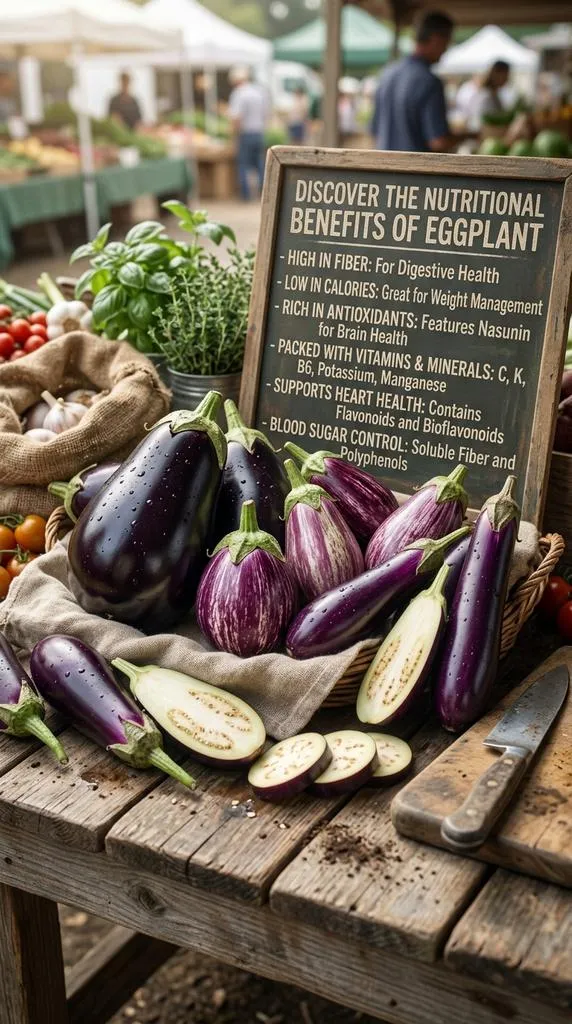
Eggplant — or aubergine, if you prefer — is a versatile vegetable that can contribute a pleasing flavor and pop of color to your meals. But eggplant isn’t just for cooking — it is a powerhouse ingredient that plays an important role in a healthy diet. How about some reasons to add it to your culinary repertoire?
Rich in Nutrients
Eggplant is low in calories yet rich in important nutrients. A one-cup serving of cooked eggplant contains:
| Nutrient | Amount |
|---|---|
| Calories | 35 |
| Fiber | 8 grams |
| Carbohydrates | 9 grams |
| Protein | 1 gram |
| Fat | 0.2 grams |
| Vitamin K | 4% DV |
| Folate | 3% DV |
With this impressive nutrient profile, eggplant is an excellent addition to your diet.
High in Antioxidants
Eggplant is a nutritional marvel in many ways, but what puts it in the cast of characters in this body-balancing story of antioxidants and phytonutrients is its high level of both. In addition, eggplants are high in compounds like nasunin which is particularly important for brain development. Antioxidants fight the free radicals in the body that may lower chronic disease risk.
Supports Heart Health
Eggplant is also good for your heart. It is also high in fibre, which can be helpful if you want to reduce cholesterol levels. It’s also rich in potassium, which could help regulate blood pressure. Eggplant help your heart healthy and prevents heart diseases.
Helps with Weight Management
Eggplant is a weight management friend, if that’s what you’re trying to do. The rich fiber content in pumpkin helps with digestion and provides satiety, which reduces the chances of overeating. While you can eat eggplant to keep on track to meet your dietary goals, seeking low-calorie, high-fiber foods is an ideal method of filling the belly but avoiding extra weight.
Promotes Digestive Health
The fiber in eggplant not only fills you up but aids with digestive health, too. Fibre aids bowel regularity, preventing constipation. Adding eggplant to your meals can also promote gut health and healthy digestion.
Versatile Cooking Options
In addition to its nutritional benefits, eggplant is incredibly versatile in the kitchen. Here are several delicious ways you can prepare and enjoy it:
- Grilled: Slice eggplant and toss it on the grill with some olive oil for a smoky flavor.
- Roasted: Roast eggplant cubes with garlic and herbs for a tasty side dish.
- Stuffed: Hollow out an eggplant and fill it with grains, vegetables, and spices for a hearty meal.
- In Stews: Add eggplant to your favorite stew for an added layer of flavor and nutrition.
Each method retains the vegetable’s unique taste while maximizing its health benefits.
Eggplant into Your Diet
If you do choose to add eggplant to your repertoire, be sure to select new, firm vegetables with smooth skin. Eggplant is easy to slip into a dish, whatever flavors you go with, Mediterranean or Asian. If you would like more recipes and ideas, visit Eating Well for inspiration.
If you’re looking for a healthy way to enhance your meals or are simply in the market for an ingredient you can have some fun with, eggplant has got your back. Adding in this nutrient-rich vegetable to your diet can guarantee you multiple health advantages alongside enjoying the distinct flavor it offers.
Exploring Various Eggplant Recipes from Around the World
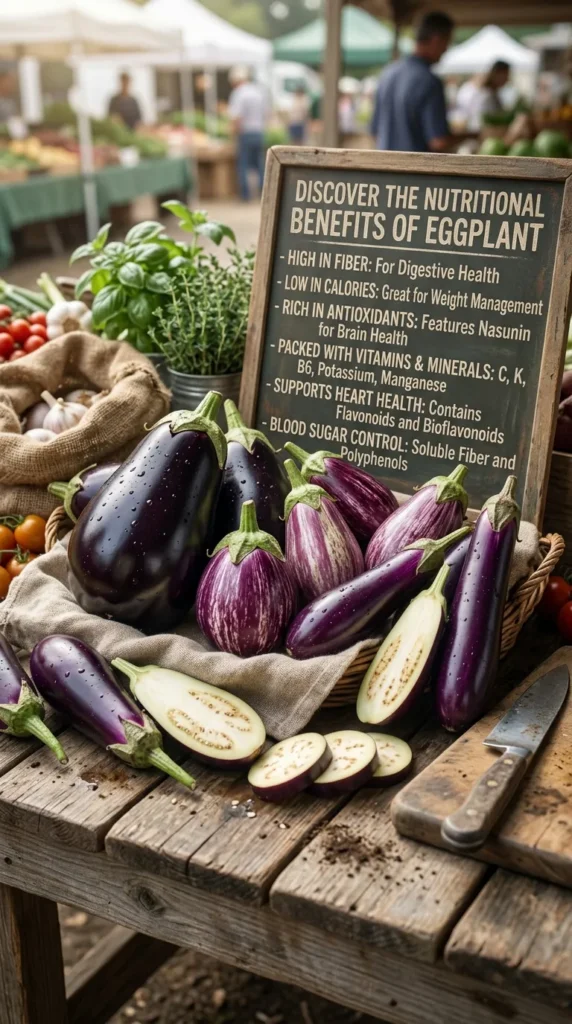
Eggplant — or aubergine, as it’s called in the United Kingdom and Canada — is wildly versatile, found in countless recipes around the world. Its texture and ability to take on flavors make it a staple in many cuisines. And now let’s travel the globe with some wonderful eggplant recipes
Middle Eastern Delights
There is an array of Middle Eastern dishes for the deeply flavored, history-rich eggplant. One of the most common BABA GANOUSH. The creamy dip is made by roasting the eggplants until they’re soft, then mixing it with tahini, garlic, lemon and — yes — olive oil. Best served with pita, it’s a perfect appetizer.
Imam Bayıldı, a Turkish dish featuring whole eggplants filled with an onion-tomato-spice mixture is another favorite. Traditionally served cold, it can also be a refreshing choice for hot days.
Italian Inspirations
In Italy, it is the steadfast backbone of Eggplant Parmesan (Melanzane alla Parmigiana) and other dishes. It’s built by layering fried slices of eggplant with marinara and cheese, then baking the whole thing till hot and golden. It’s a hearty dish that people often like to serve over pasta.
The much loved Provençal vegetable stew Ratatouille, adds eggplant as well. Tossing with zucchini, bell peppers and fresh herbs results in a colorful mélange that serves as a side or the foundation for dinner.
Asian Adventures
Eggplant appears in countless varieties in Asian cuisines. In Chinese, you might know eggplant stir-fried with garlic or spicy Sichuan sauce. This preparation highlights the vegetable’s plasticity; mild in nature, it still takes on strong flavors.
Eggplant is a popular dish in Japanese cuisine, especially grilled and coated with sweet miso paste — a dish known as Nasu Dengaku. If you want to eat rice, this smoky and sweet taste is a great meal.
Indian Specialties
In Indian cuisine, eggplant is used in a wide variety of dishes from Baingan Bharta to Eggplant In Sour Sauce. Here, roasted eggplant is blended with spices, tomatoes and onions to create a smoky, flavorful puree that’s wonderful on naan or steamed rice.
[India: Baingan Masala] Another Indian favorite: eggplant prepared with a batch of spices, it makes a filling accompaniment to any meal. The spices bring depth to the eggplant’s natural flavor, creating something that warms the heart.
Modern Twists
Eggplant is now having fun with modern cooks, too. You might find marinated, grilled eggplant “steaks,” a plant-based answer to barbecue food. Another trend: Eggplant pizzas, in which thin slices serve as a gluten-free crust for whatever toppings you’d like.
How to Choose and Prepare Eggplant
Choose eggplants that are firm and shiny, with no blemishes. Smaller eggplants tend to be sweeter and less bitter than their large counterparts. The best preparation is to cut them up and salt them, allowing the melange to “sweat” for a half-hour or so, which helps extract unwanted moisture and bitterness before cooking.
Helpful Tips for Cooking with Eggplant
- Roasting enhances flavor: Roasting eggplant in the oven gives it a deep, rich flavor.
- Grilling adds a smoky touch: Grilled eggplant develops a unique smokiness that complements many dishes.
- Experiment with spices: Eggplant can take on bold flavors, so don’t hesitate to use spices generously.
Final Thoughts
Choose eggplants that are firm and glossy with no blemishes. Smaller eggplants tend to be sweeter and less bitter than their beefier cousins. Before using they should be sliced and salted, then left to sit for roughly a half hour to drain some of the excess moisture and bitterness.
For more incredible eggplant recipes, visit Food Network or check out Serious Eats for valuable cooking tips and inspiration!
Common Mistakes to Avoid When Cooking Eggplant
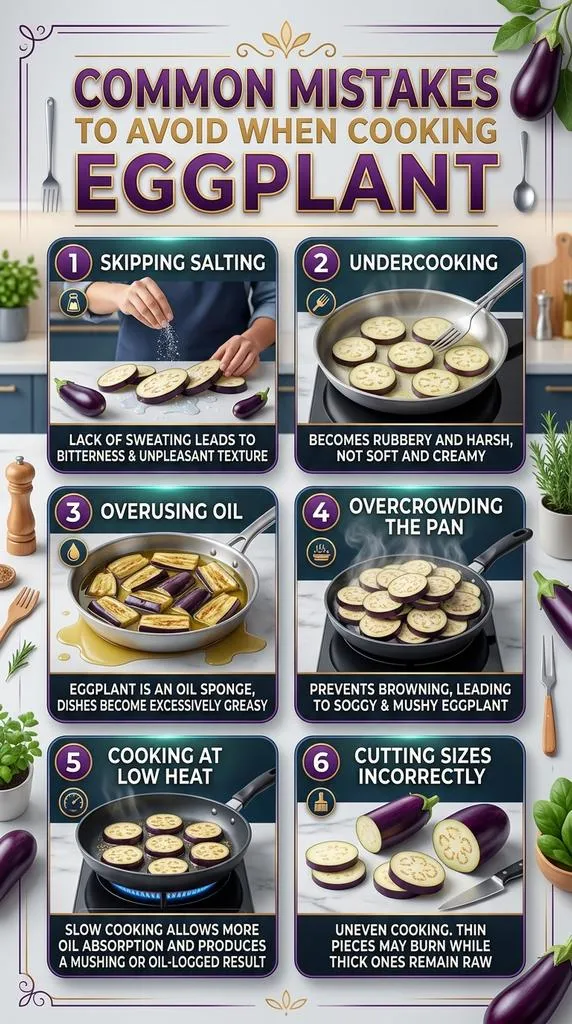
Whether you’re going old school or trying the new wave, eggplant’s such a great ingredient. It is loved by chefs and home cooks alike for its versatility and generosity of flavor.
Avoid Skipping Salting
There are some traps that many home cooks fall into when cooking eggplant that can affect the flavor and texture of this versatile vegetable. Here, we’ll go through the missteps to avoid, so you can make eggplant dishes that shine.
Ignoring the Type of Eggplant
“If you skimp on the salting [one of the biggest mistakes is:] Salting draws excess moisture out of the eggplant, which can reduce bitterness and improve texture. Slice your eggplant and salt both sides to do this. Leave for about half an hour, then wash off and dry. This will concentrate the flavor and also ensure that your eggplant isn’t soggy once it’s had a chance to cook.
- Globe Eggplant: This is the most common variety, perfect for grilling or baking.
- Japanese Eggplant: Known for its tender skin and mild flavor, it works well in stir-fries.
- Chinese Eggplant: With its long, slender shape, it’s ideal for braising and steaming.
Neglecting Proper Cooking Techniques
Not all eggplants are created equal. There are many kinds, including globe and Italian but also Chinese and Japanese. All types of beans have different flavours and textures, making some types more suitable for a form of cooking than others. For instance:
- Roasting: Cut the eggplant into cubes, toss with olive oil, season, and roast at 400°F (200°C) for 25-30 minutes, until golden brown.
- Grilling: Slice the eggplant into thick rounds, brush with oil, and grill until charred and tender.
- Sautéing: Cube the eggplant and cook it in a hot pan with a bit of oil for a quick dish.
Not Pairing with the Right Flavors
Eggplant has the unique ability to absorb flavors, but not pairing it with the right ingredients can lead to disappointing results. Consider enhancing eggplant with:
- Herbs: Basil, oregano, and thyme complement eggplant beautifully.
- Spices: Cumin, paprika, and chili powder can elevate the dish.
- Acids: A splash of balsamic vinegar or a squeeze of lemon can brighten up the flavors.
Overcooking the Eggplant
A second mistake is using the incorrect method of cooking. Roasting or grilling eggplant can make it so creamy and delicious, while frying can leave it greasy and inedible. Here are a few good cooking techniques to experiment with:
Failing to Choose Fresh Eggplants
Cook eggplant for too long and it will surrender a structural property that staves off its natural unappetizing nature. When cooked properly, eggplant should be tender but not mushy. Be aware of your cooking time, especially if grilling or roasting (this can happen quickly).
Not Experimenting with Different Dishes
Many people primarily use eggplant in specific dishes, often overlooking its versatility. Think beyond the traditional eggplant Parmesan. Try incorporating eggplant into:
- Stir-fries,
- Curries,
- Ratatouille,
- Stuffed eggplant,
- Pasta sauces, and more!
If your eggplant is old or under ripe, it will impact the dish. Pick eggplants with smooth, shiny skin that feels heavy for their size. Choose firm specimens, blemish-free, without brown or wrinkled or soft spots. Newly harvested eggplant has a slightly bitter taste and consistency.
With these insights, you are now ready to tackle any eggplant recipe with confidence. Enjoy your culinary journey with this delectable vegetable!
Creative Ways to Incorporate Eggplant into Everyday Meals
But these two common mistakes can keep this incredible veggie from winning all your cooking war. You might likewise think of this vegetable better associates and attempt recipes and foods. Read Bon Appétit for more recipes, and tips on cooking eggplant; or check of Food Network for inspiration.
Stuffed Eggplant
Eggplant, or aubergine, is a surprisingly versatile vegetable that can elevate many everyday dishes. Adding eggplant to your regular meals can add nutrition and creativity because it has a unique texture that will absorb flavors. Here, a handful of creative approaches to cooking with this glorious vegetable.
- Quinoa and Veggies: Mix cooked quinoa with sautéed onions, garlic, bell peppers, and spices. Add cheese on top before baking.
- Meat Filling: Ground meat mixed with herbs, spices, and the scooped-out eggplant flesh makes for a hearty meal.
- Rice and Beans: Combine cooked rice, black beans, corn, and spices for a flavorful vegetarian option.
Eggplant Parmesan
One of the best ways to work eggplant into your meals is to stuff it. You could slice the eggplant in half, scooping out its innards to mix with other ingredients to create a robust filling. Here are some ideas:
Grilled Eggplant Slices
Similarly, toss sautéed or roasted eggplant into your pasta for a healthful upgrade. It pairs with tomato sauce, garlic and fresh basil. Or you can smash it with olive oil and lemon juice into a silky eggplant sauce, perfect for drizzling over whatever pasta you’re making.
Eggplant in Curries
Eggplants work wonderfully in a variety of curry recipes. They absorb spices beautifully, complementing the overall dish. Try adding diced eggplant to:
- Chickpea Curry: Mix chickpeas, tomatoes, and spices with chunks of eggplant for a protein-packed meal.
- Coconut Curry: Cook eggplant in a creamy coconut sauce with your favorite veggies for a rich and satisfying dish.
Pasta with Eggplant
Shrill an eggplant over a fire until it’s tender, then purée with tahini and garlic, lemon juice and olive oil to make baba ghanoush. Pair it with pita chips or raw vegetables for a healthy snack or appetizer.
Eggplant Dip
Throw in some sautéed or roasted eggplant with your pasta for a healthful twist. It would be great with tomato sauce, garlic and fresh basil. Or you can mash it with olive oil and lemon juice into a creamy eggplant sauce, which is perfect for drizzling over anything pasta.
Ratatouille
This classic French dish is a wonderful way to highlight the flavors of summer, and summer vegetables — like eggplant. Sauté eggplant with zucchini, bell peppers, tomatoes and herbs for a beautiful and healthful dish that can be served warm or chilled. Ratatouille is delicious with crusty bread or spooned over rice.
Eggplant in Salads
Eggplant, grilled or roasted, makes a lovely addition to salad. You might even toss it with spinach, feta cheese, walnuts and a balsamic vinaigrette for a lovely dish. Eggplant also adds a hefty, filling mouthfeel to salads.
Recipes to Get You Started
These creative new ways to use up eggplant in your meals are bound to make you a more versatile cook. Buying: So, do yourself a favor and be nice to this vegetable as it not only gives your food flavor but give you nutrients too. This experimentation can lead to some delicious discoveries that can be your new favorite meal.
Conclusion
The possibilities when it comes to eggplant cooking are endless; such staples will elevate your culinary dishes and at the same time deliver more than health benefits. With a little expert knowledge of various techniques and tips, you can transform this workhorse veggie into something that’s restaurant-worthy or just outright nutritious. That rich flavor, and the thick texture that helps it soak up seasoning, means this could be one of the tastiest things you add to your culinary toolbox.
Also finding out the health benefits of eggplant might encourage you to include in your regular diet. This low-calorie, high-fiber vegetable is full of vitamins and antioxidants that will add a healthy kick to your meals. Searching for eggplant dishes from around the world can inspire your own cooking as well — Mediterranean classics or a spicy Asian stir-fry, for example.
And it’s good to be aware of the common mistakes when cooking eggplant, whether it’s salting or cooking temperature. Staying away from these pitfalls can help you pack more flavor and texture into your dishes. consider all the creative ways you could potentially work eggplant into your weekly eating. You can whip up everything from eggplant burgers to spicy dips.
Falling in love with this ridiculouslyhealthy vegetable will be accomplished by trying eggplant recipes and ways of preparation. Eggplant definitely becomes healthy when you eat it often — whether as a side dish, as the base for salad or shared in your favourite casserole or stir-fry recipe. So why not experiment with eggplant the next time you cook, and discover what it can bring to your dinner table?